
How Much To Feed My Dog Raw

You’ve probably seen it plastered across Instagram feeds or discussed in hushed, reverent tones at the dog park: the raw food revolution. It’s the idea that for our furry best friends, going back to basics – think primal, whole foods – might just be the secret sauce to a happier, healthier pup. And honestly, if your dog's idea of a gourmet meal involves wrestling a rogue sock, you might be intrigued. But then comes the big question, the one that hovers like a tasty chicken wing just out of reach: how much raw food should I actually be feeding my dog?
Let’s ditch the complicated charts and confusing jargon for a moment. Feeding your dog a raw diet can feel like unlocking a new level in your pet-parenting game. It’s about understanding their needs, listening to their rumbling tummies, and making informed choices that benefit their well-being. Think of it as curating a personalized, top-tier dining experience for your four-legged gourmand. No Michelin stars required, just good sense and a dash of enthusiasm.
So, let's dive in, shall we? Prepare for a friendly, no-nonsense guide to the wonderful world of raw feeding quantities. We’re going to break it down, make it easy, and hopefully, inspire you to explore this path with confidence. Your dog, and their wagging tail, will thank you.
Must Read
The "It Depends" Factor: Why There's No One-Size-Fits-All Answer
If you were hoping for a simple number like "feed your dog X ounces of raw food per day," well, we're going to have to gently burst that bubble. The truth is, like us humans, every dog is a unique individual. What works for a sprightly Jack Russell terrier will be wildly different from what fuels a laid-back Great Dane. Factors like age, breed, activity level, metabolism, and even the specific type of raw food you’re feeding all play a starring role.
Think about it: would you feed a marathon runner the same amount of food as someone who enjoys a leisurely stroll to the mailbox? Of course not! Dogs are no different. A working sled dog needs a significant caloric intake to power through snow-covered terrains, while a couch potato pug likely needs a more modest portion to maintain a healthy weight. It’s about finding that sweet spot, that Goldilocks zone of nutrition.
This might sound a little daunting at first, but it’s actually incredibly empowering. It means you’re not just following a rigid dogma; you’re actively participating in your dog’s health, making adjustments based on their specific needs. It’s a journey of observation and adaptation, much like navigating any other aspect of raising a beloved pet.
The Golden Rule: Percentage of Body Weight
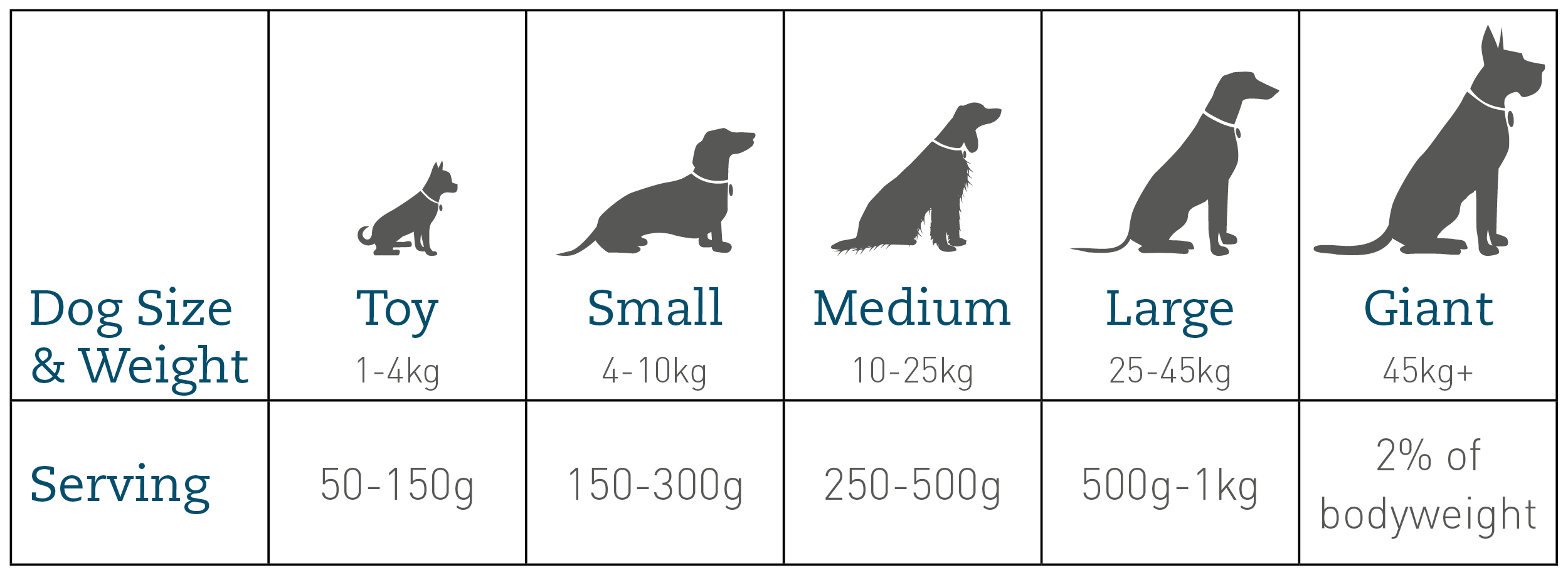
Now, let’s get to the nitty-gritty. The most common and widely accepted starting point for calculating raw food intake is by a percentage of your dog's ideal or target body weight. This is your foundational number, your launchpad into the world of raw feeding. The general recommendation often hovers between 2% and 3% of their body weight.
So, how do you figure this out? It's simple math, really.
Step 1: Determine Your Dog's Ideal Body Weight
This is crucial. If your dog is currently overweight, you’ll want to base your calculations on what they should weigh, not what they currently do. If you’re unsure, your veterinarian is your best resource. They can help you assess your dog’s body condition score. Look for a nice, defined waist when viewed from above and a tucked abdomen when viewed from the side. You should be able to easily feel their ribs without pressing too hard.

Step 2: Choose Your Percentage
As mentioned, 2% to 3% is the standard starting range.
- For less active dogs or those prone to weight gain: Start at the lower end, around 2%.
- For moderately active dogs: Aim for the middle ground, around 2.5%.
- For highly active dogs, working dogs, puppies, or very lean breeds: You might need to go up to 3% or even slightly higher.
Step 3: Calculate the Daily Amount
Let's say your dog's ideal body weight is 50 pounds (which is roughly 22.7 kilograms).
- At 2%: 50 lbs x 0.02 = 1 pound of raw food per day.
- At 2.5%: 50 lbs x 0.025 = 1.25 pounds of raw food per day.
- At 3%: 50 lbs x 0.03 = 1.5 pounds of raw food per day.
If you’re working in kilograms:
- At 2%: 22.7 kg x 0.02 = 0.454 kg (approximately 454 grams) of raw food per day.
- At 2.5%: 22.7 kg x 0.025 = 0.5675 kg (approximately 568 grams) of raw food per day.
- At 3%: 22.7 kg x 0.03 = 0.681 kg (approximately 681 grams) of raw food per day.
Remember, this is a starting point. You’ll need to observe your dog and make adjustments based on their individual response. It's like tuning a finely crafted instrument – you play a note, listen, and adjust until it’s perfect.
The Crucial Observation Phase: Listening to Your Dog
This is where the magic truly happens. Once you’ve calculated your starting amount, the real work – and the most rewarding part – begins: observation. For the first few weeks, you’ll be a detective, a scientist, and a loving pet parent all rolled into one. Your dog’s body and behavior will be your primary data points.
What to watch for:
- Weight: Is your dog maintaining a healthy weight? Are they gaining too much, or losing too much? You'll need to weigh them regularly – perhaps weekly at first, then bi-weekly or monthly as you get a better sense of their needs.
- Energy Levels: Do they have good, sustained energy? Or are they sluggish, or perhaps bouncing off the walls with too much?
- Stool Quality: This is a big one! Raw-fed dogs typically have smaller, drier, and less odorous stools. If you’re seeing diarrhea or very loose stools, you might be feeding too much fat or a new protein too quickly. If stools are consistently large and soft, you might need to increase their food intake slightly.
- Coat and Skin Health: Is their coat looking shiny and healthy? Is their skin clear and free from irritation? A balanced raw diet often leads to improvements in these areas.
- Appetite: Are they consistently finishing their meals with enthusiasm? Or are they leaving food behind, suggesting they might be overfed?
If your dog is gaining weight and looking a bit too round, gradually decrease their daily intake by about 10%. If they are losing weight and you’re concerned they’re too thin, increase their intake by about 10%. These are small, incremental changes, not drastic shifts.
It’s a bit like adjusting the thermostat in your home. You don’t want to crank it up or down to extremes; you make small tweaks until you find that perfect, comfortable temperature. And just like finding your personal comfort zone, finding your dog’s ideal food intake takes a little patience and tuning.
Special Considerations: Puppies, Seniors, and the Very Active
As we’ve established, “it depends” is the name of the game. But some dogs have a slightly different rulebook when it comes to their raw food intake.
Puppies: The Growing Machines
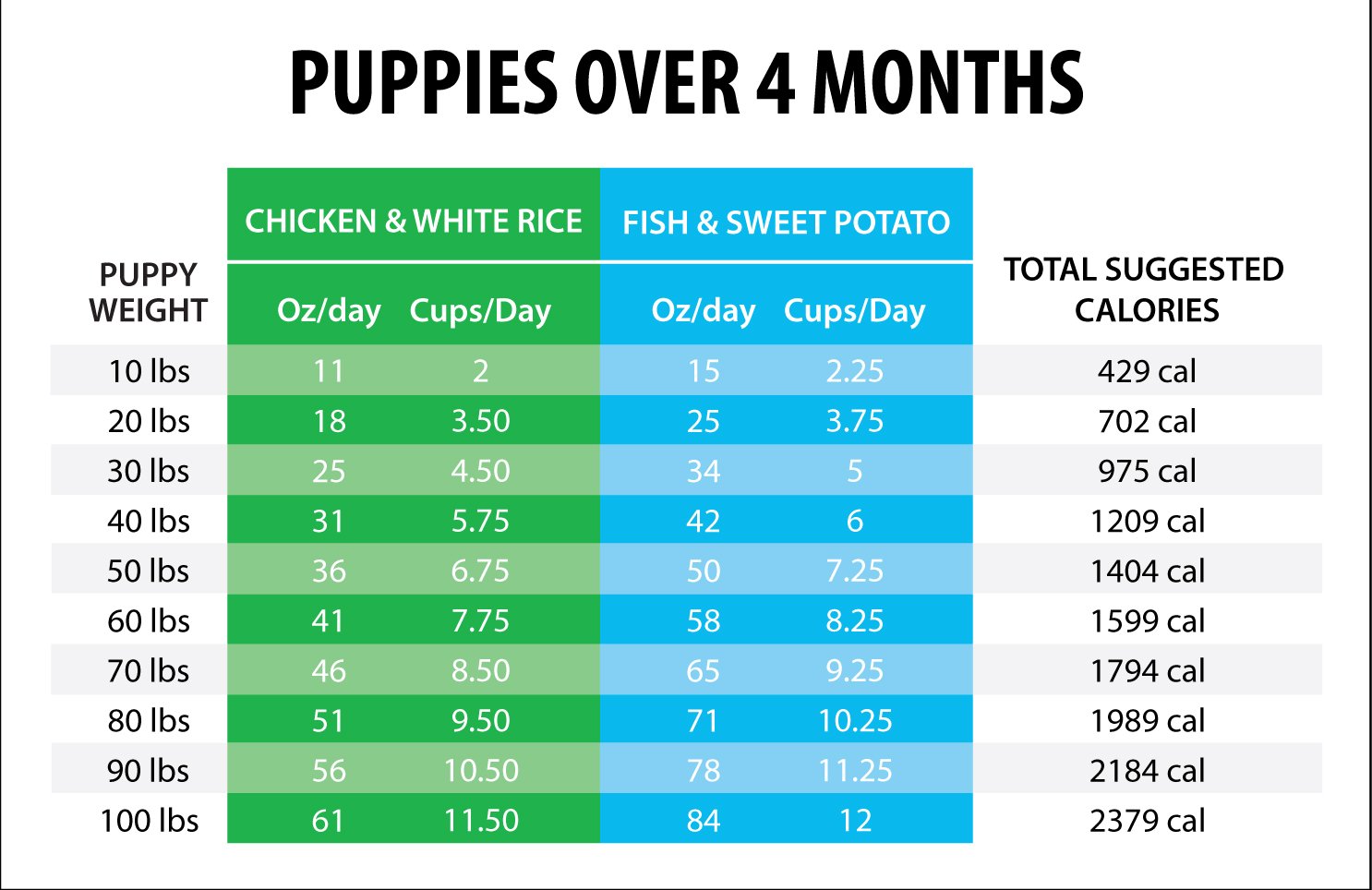
Puppies are tiny bundles of energy and constant growth. They need more calories per pound than adult dogs to fuel their development. While the 2-3% rule is still a good starting point, you’ll likely find yourself at the higher end of that spectrum, possibly even needing to go up to 3% to 5% of their current body weight, and feeding them more frequently (typically 3-4 meals a day).
Fun Fact: A puppy’s growth rate can be as dramatic as a rapid-fire time-lapse video of a blooming flower! Their nutritional needs are paramount during this phase.
As they mature, you'll gradually transition them towards the adult percentage. Again, monitor their growth and adjust accordingly. It’s about supporting healthy bone and muscle development without overfeeding and causing skeletal issues.

Senior Dogs: The Golden Oldies
As dogs age, their metabolism often slows down, and their activity levels may decrease. This means they generally require fewer calories. You might find yourself leaning towards the lower end of the 2% to 3% range, or even slightly below, to prevent weight gain and maintain optimal health. Senior dogs can also benefit from easily digestible foods and may have specific dietary needs to support joint health or other age-related conditions. Always consult your vet.
Highly Active Dogs: The Energizer Bunnies
Think agility stars, hunting companions, or those breeds bred for strenuous work. These dogs burn a serious amount of calories. You may need to feed them at the higher end of the spectrum, potentially 3% to 4% or even more of their body weight, divided into multiple meals to ensure sustained energy throughout their day. Their stool consistency will be a key indicator here – if it’s consistently small and firm, they’re likely processing their food efficiently.
Cultural Reference: Back in the day, working dogs were often fed whatever scraps and remnants were available, but modern raw feeding aims for optimal nutrition for peak performance, whether that's herding sheep or winning a Frisbee competition.
The Components of the Meal: It’s Not Just Meat!
While meat is the star of the show, a balanced raw diet includes other essential components. The typical breakdown often looks something like this:
- 80% Muscle Meat: This provides protein and essential amino acids.
- 10% Edible Bones: These are crucial for calcium and phosphorus, vital for bone health. They also help clean teeth and can be a great chew toy!
- 5% Organ Meat (Liver and Kidneys): Liver is packed with vitamins (A, D, E, K) and minerals. Kidneys provide essential nutrients as well.
- 5% Other Organs/Varieties: This can include things like spleen, pancreas, or even some plant matter like pureed vegetables (steamed and pureed are easier to digest).
The type of raw food you use can also influence the exact quantity. If you’re feeding a pre-made, commercially balanced raw food, the manufacturer’s guidelines are a good starting point, but still subject to your dog’s individual needs. If you’re creating your own balanced meals, you’ll need to be more meticulous about ensuring all nutrient ratios are correct.
Fun Fact: The taurine found in certain meats is essential for heart health in dogs, especially in some breeds. This is one of the key reasons why a varied diet is so important!
When to Seek Professional Advice
While this article aims to be a helpful guide, it’s essential to remember that your veterinarian is your most valuable resource. If you have any doubts, concerns, or your dog has pre-existing health conditions, always consult with them before making significant changes to their diet.
They can help you:
- Assess your dog’s ideal body weight.
- Identify any potential nutritional deficiencies or excesses.
- Guide you through any health-related concerns.
- Ensure the raw diet you’re providing is balanced and appropriate for your dog’s life stage.
Think of them as your co-pilot on this nutritional adventure. They’re there to ensure you’re navigating safely and effectively.
A Reflection on Daily Life
Feeding your dog raw food, and figuring out the right amount, is more than just a dietary choice; it’s an investment in their quality of life. It’s about understanding their primal needs, observing their responses, and making conscious decisions that contribute to their vitality.
In a world that often feels rushed and complex, this practice can bring a sense of grounding. You're connecting with your dog on a fundamental level, providing them with nourishment that mirrors their evolutionary past. It encourages a more mindful approach to their care, where you're not just filling a bowl, but truly feeding them.
And when you see that extra spark in their eyes, that boundless energy on your walks, and the sheer joy they express with every wag of their tail after a wholesome meal, you’ll realize that the effort is more than worth it. It’s a simple, yet profound, way to show your love and commitment. It’s about nurturing not just their body, but their spirit, one perfectly portioned, nutrient-rich meal at a time. It’s a beautiful, natural rhythm that can enrich both your lives.

