How Much Teeth Does A Dog Have

Hey there, fellow dog lovers! Ever find yourself gazing into your furry friend's mouth, maybe during a particularly enthusiastic slobbery kiss or while they're happily crunching on a treat? You might have wondered, "Just how many teeth are packed in there, anyway?" It's a fun little fact that can make you see your dog in a whole new, toothy light!
It's like a hidden treasure trove of chompers! The exact number can actually change as your dog grows. Think of it as a canine dental evolution unfolding right before your eyes.
Puppy Peps and Their Tiny Treasures
When your puppy first arrives, they're rocking a starter set. These are called deciduous teeth, or more commonly, puppy teeth. They're smaller, sharper, and frankly, a bit like tiny needles!
Must Read
These little guys are super important for helping them explore the world by chewing. They also help shape their jaw development. Imagine a tiny, toothy explorer!
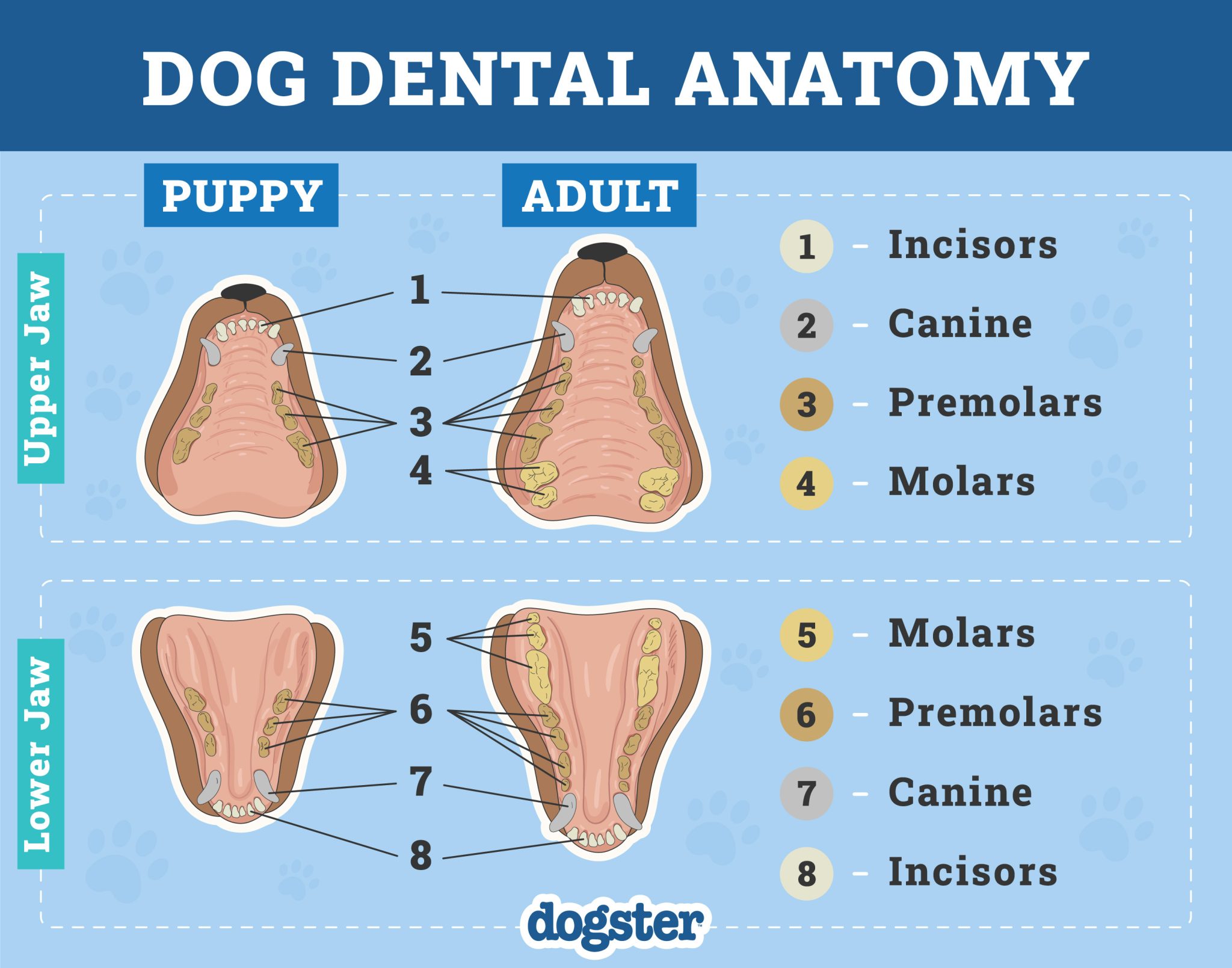
Most puppies will have a grand total of 28 puppy teeth. That might sound like a lot for such a small creature, but they seem to manage just fine with them. They're usually gone by the time they're about six months old.
The Great Tooth Turnover
This is where things get really exciting! Around the time your puppy is a few months old, a major dental makeover begins. It’s a lot like when human kids lose their baby teeth, but with a canine twist.
Those sharp puppy teeth start to loosen and fall out. Don't be alarmed if you find a tiny tooth here or there on the floor or in their toy basket. It's a sign of a growing, healthy pup!
In their place, the permanent teeth start to erupt. This process can be a bit uncomfortable for some puppies, leading to more chewing. So, those chewed-up slippers might just be a side effect of their dental development!
The Adult Dog's Full Grin
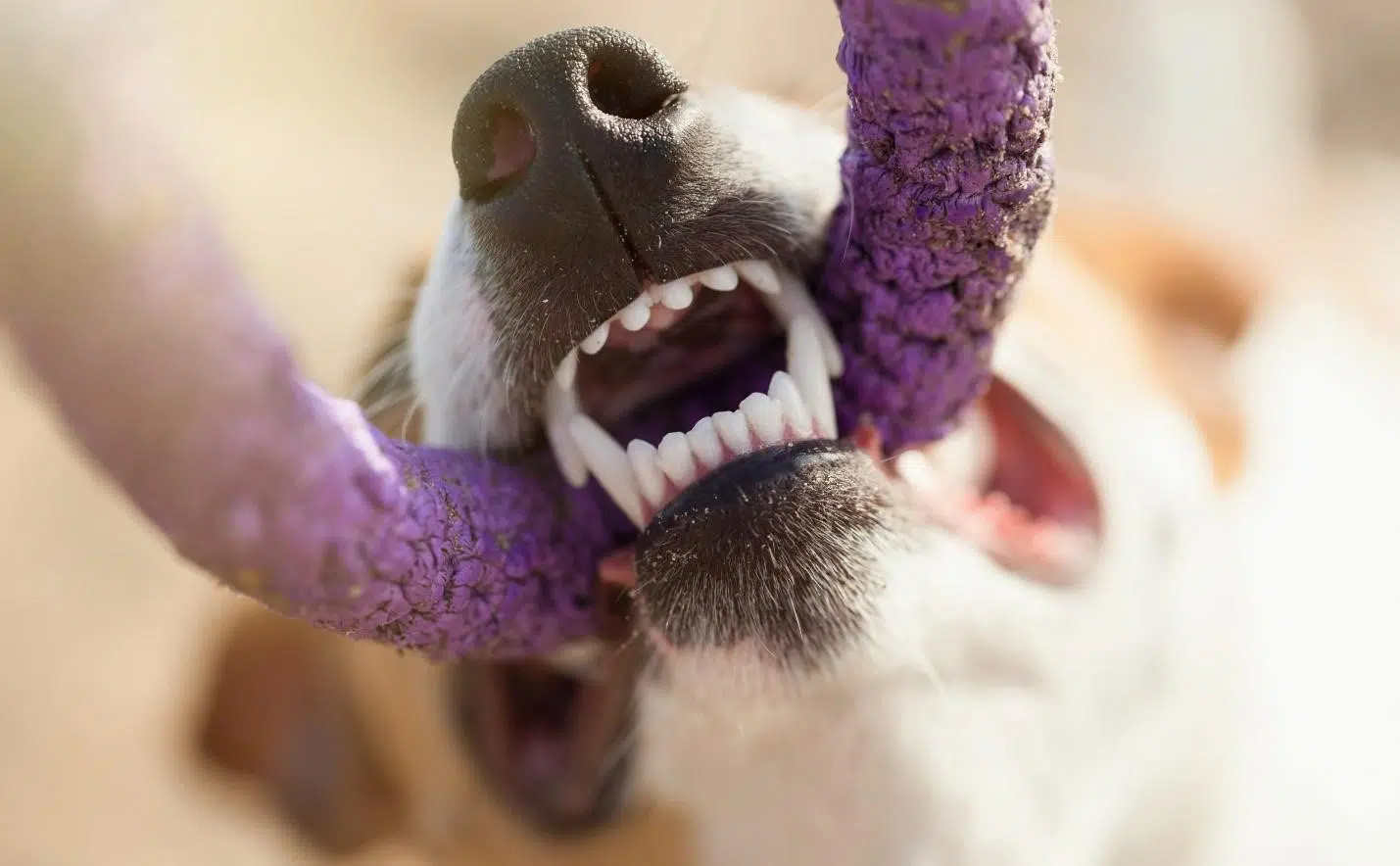
Once the dental fireworks are over, your adult dog will have a full set of permanent teeth. And this is where the magic number really shines. Adult dogs boast an impressive 42 permanent teeth!
That’s a whole lot of chewing power! These teeth are designed for a variety of jobs, from tearing and slicing to grinding. It’s a sophisticated dental toolkit.
Think about it – 42 teeth are perfectly designed for their diet and lifestyle. They help with eating, playing, and even self-grooming. Each tooth has a special role to play in your dog's happy life.
A Closer Look at the Canine Smile
Let's break down those 42 teeth a little. They’re not all the same, oh no! Dogs have different types of teeth, each with a specific purpose, just like us humans.
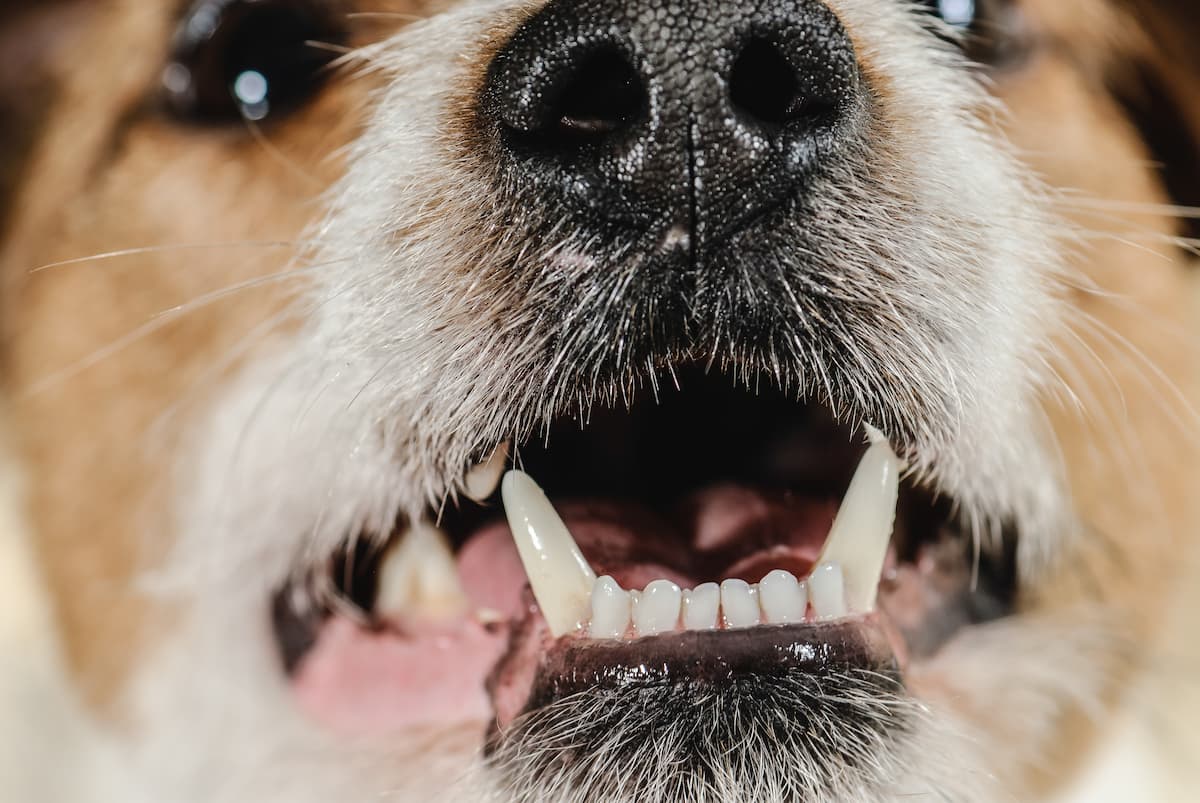
They have incisors at the very front, which are small and great for nipping or scraping. Then come the canines, those long, pointy fangs that are perfect for gripping and tearing. You know, the ones that make them look so fierce and adorable!

Behind the canines are the premolars, which are flatter and used for crushing and shearing. And finally, at the back, are the molars, which are broad and flat, ideal for grinding up food. It’s a dental masterpiece!
"It's fascinating to think that such a complex system is at work in our furry pals' mouths!"
Why So Many Teeth? The Evolutionary Angle
So, why 42? Well, a dog's dental structure is a result of millions of years of evolution. Their ancestors, wolves, had a similar setup for survival.
These teeth are perfectly suited for their ancestral diet, which included a lot of meat. They needed those sharp canines to tear flesh and strong molars to crush bones. It's a testament to their wild heritage.
Even though our modern dogs are often fed kibble, their dentition remains largely the same. It's a beautiful echo of their past, allowing them to still enjoy a good chew toy.
The Joy of a Dog's Bite
There’s something so inherently joyful about seeing a dog use its teeth. Whether it’s a gentle nibble on your hand, a playful tug-of-war with a rope toy, or the enthusiastic crunching of a dental chew, their teeth are a big part of their personality.
Watching them figure out how to maneuver a treat with their tongue and teeth is a mini-performance. It’s a display of their dexterity and intelligence.
And let's not forget those excited licks! While not directly involving teeth, the general openness of their mouth during these affectionate gestures often gives us a glimpse of that impressive dental array.
Beyond the Number: Dental Health Matters!
While the number 42 is fun to know, it’s also a reminder of the importance of dental care. Just like our own teeth, our dogs' teeth need looking after.
Regular dental check-ups with your veterinarian are crucial. They can spot any potential problems early on. This helps prevent painful issues down the line.
Brushing your dog's teeth is also a fantastic way to keep them healthy. It might seem like a challenge at first, but many dogs get used to it and even enjoy it! Plus, the bonding time is priceless.
"A healthy mouth means a happy dog. It's as simple as that!"
Encouraging Curiosity and Connection
Knowing your dog has 42 teeth can spark conversations and observations. It's a small piece of trivia that can deepen your appreciation for these amazing creatures.
The next time your dog yawns, wags their tail, or gives you a slobbery grin, take a moment to appreciate their incredible set of chompers. It’s a testament to their nature.
So go ahead, do a little "tooth count" (safely, of course!) or just marvel at the complex machinery that helps your dog navigate their world. It’s a truly fascinating aspect of our canine companions.
A Final Thought on Their Mighty Mouth
From the tiniest puppy teeth to the full adult set of 42, your dog's dental journey is a remarkable thing. It’s a blend of evolution, development, and pure, unadulterated canine charm.
These teeth are not just tools; they are part of what makes your dog, well, your dog. Their unique way of interacting with the world is often facilitated by that impressive grin.
So, the next time you're playing fetch or giving belly rubs, remember the incredible 42. They’re a silent, powerful part of the incredible bond you share. Aren't dogs just the best?
:max_bytes(150000):strip_icc()/canine-teeth-infographic-2-dfe0e583ed134280bd6eeb3fba162dfb.png)