How Much Space Does A Hen Need
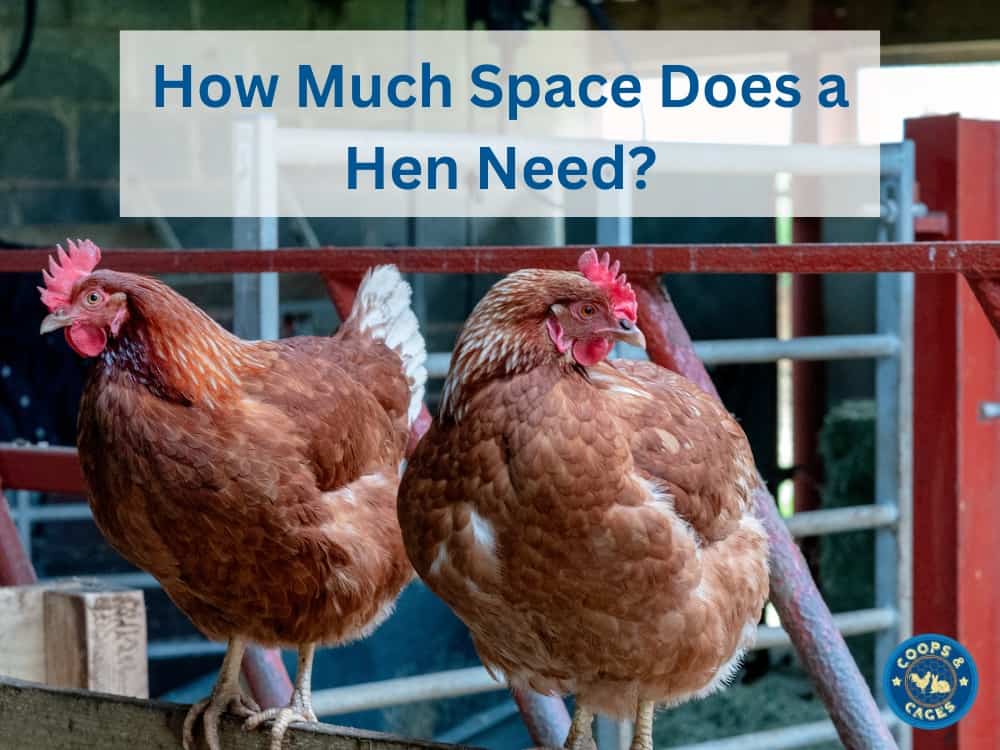
Ever found yourself watching a flock of chickens strutting around, maybe in a backyard or even on a farm, and wondered, "Are they happy? Do they have enough room to just... be chickens?" It's a question that pops into mind, right? We see them pecking, scratching, dust bathing, and generally being their busy selves, and a little voice in our head asks if their little world is big enough.
Well, if you're curious about the chicken real estate market, you've come to the right place! We're going to dive into how much space a hen really needs, and spoiler alert: it's more interesting than you might think. It’s not just about cramming them into a coop; it’s about giving them the freedom to live their best chicken lives. And honestly, understanding this is kind of cool, isn't it? It shows we care about our feathered friends!
So, let's break it down. When we talk about space for hens, we're generally looking at two main areas: the coop and the run (or their outdoor foraging space). Each serves a different, but equally vital, purpose for our clucky companions.
Must Read
The Cozy Coop: More Than Just a Birdhouse
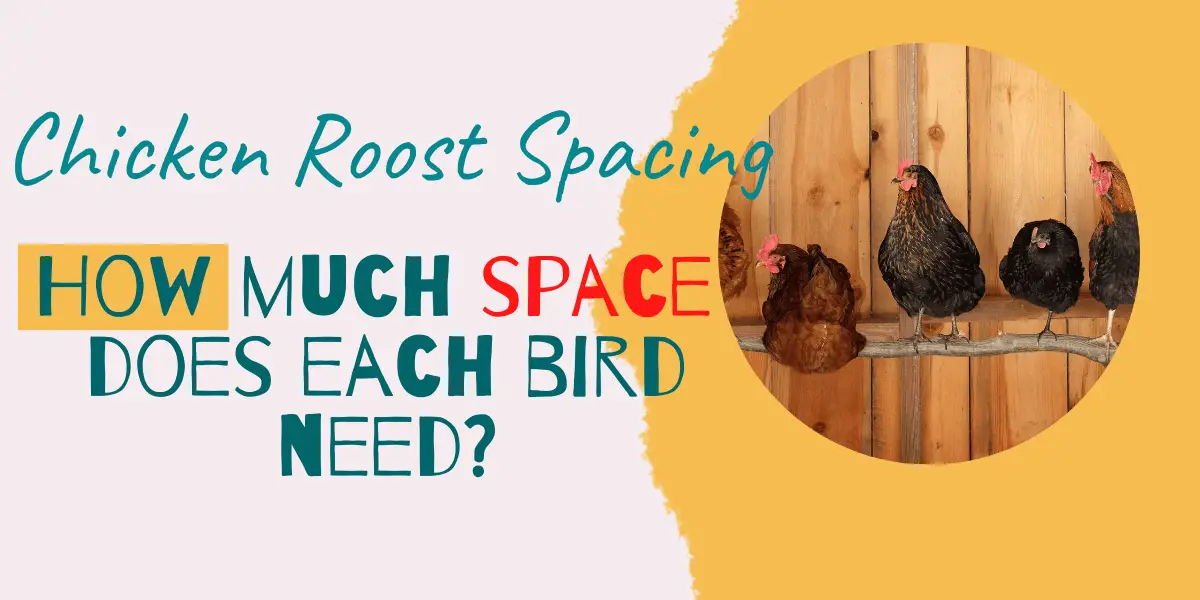
Think of the coop as the hen's bedroom and dining room. It's where they sleep, lay their eggs (most of the time, anyway!), and huddle together for warmth and security, especially at night. This is their safe haven from predators and the elements. So, how much space do they need in here?
Generally, experts recommend about 2 to 4 square feet per hen inside the coop. This might sound small, but remember, they're not exactly lounging on a sofa in there. They're roosting on perches, nesting in boxes, and doing their sleeping thing. This square footage ensures they aren't too squished when they're all trying to roost for the night. Imagine if you had to sleep in a closet with four other people – not ideal, right? Chickens feel the same way about being overcrowded!
Now, this is a minimum. If you have the space and want to give your girls a bit more breathing room, go for it! More space can lead to a happier, less stressed flock. It’s like having a spacious master bedroom versus a tiny twin bed – everyone appreciates a bit of personal space, even chickens.
Nesting Boxes: Their Private Suites
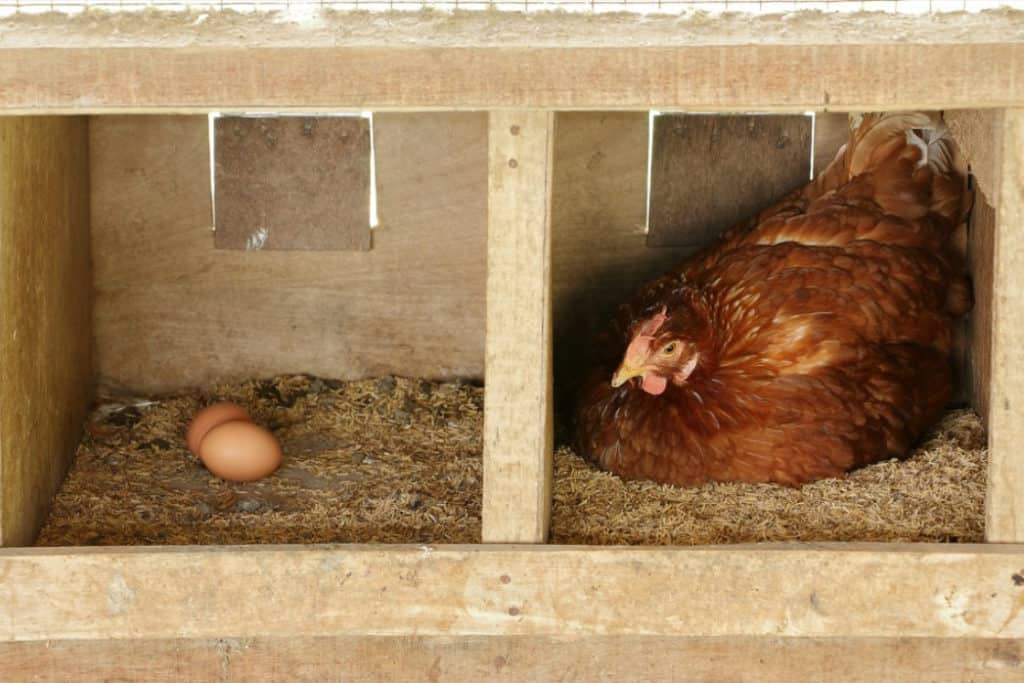
Within the coop, we also need to consider nesting boxes. These are like little private suites where hens can lay their eggs in peace and quiet. You don't need one box per hen, though. Usually, one nesting box for every 3 to 4 hens is perfectly sufficient. If you have a whole bunch of girls, you might want to add an extra one just to avoid any "egg-laying traffic jams."
And what makes a good nesting box? About 1 foot by 1 foot is a good size, and they should be dark, cozy, and filled with soft bedding like straw or pine shavings. This makes them feel safe and encouraged to lay their eggs there, rather than in some random corner of the run!
The Expansive Run: Their Outdoor Adventure Park
This is where the real action happens! The run is the outdoor enclosure where your hens can spend their days doing all the things that make them happy: scratching, dust bathing, foraging for bugs, and just generally exploring. And this is where the space requirements really start to open up.
Here's where things can get a little more flexible, but also more crucial. For the run, you're looking at a minimum of 8 to 10 square feet per hen. But, and this is a big "but," more is always better!

Why the difference? Because in the run, they're not just sleeping. They're living. They need space to peck at the ground, dig for tasty morsels, stretch their wings, and generally move around. If a run is too small, it can quickly become a muddy, dusty, and frankly, a bit of a gross mess. Plus, bored chickens can sometimes turn into mischievous chickens, and nobody wants that!
Think of it like this: a small run is like being stuck in a studio apartment with no balcony. You can exist, but you can't really spread out and enjoy yourself. A larger run is like having a spacious backyard with a garden and a patio – plenty of room for activities!
Free-Ranging: The Ultimate Chicken Paradise?
Now, if you’re really looking to spoil your hens, you might consider free-ranging. This means letting them out of their run to roam freely in a larger, secured area, like a yard. This is often considered the gold standard for chicken happiness.

When chickens are free-ranging, they have access to a vast buffet of insects, seeds, greens, and all sorts of delicious things that aren't readily available in a confined run. They get to exercise their natural foraging instincts to the fullest. It’s like giving them an all-you-can-eat organic buffet with a side of adventure!
If you allow free-ranging, the "how much space" question becomes less about square footage and more about the quality and safety of the area. You need to make sure the area is safe from predators (think hawks, foxes, neighborhood dogs), and that there aren't any toxic plants they might munch on. But the more space they have to explore, the happier and healthier they'll generally be.
Why Does It Even Matter? The "Chicken Happiness" Factor
So, why all this fuss about space? It boils down to a few key things that directly impact your hens' well-being:
- Reduced Stress and Aggression: Overcrowding can lead to stress, which can manifest as bullying, feather-pecking, and even cannibalism. Giving them space helps keep the peace!
- Better Health: More space means less concentrated droppings, which can reduce the risk of parasites and diseases. Plus, they have more room to get exercise, which is good for their physical health.
- Natural Behaviors: Chickens are naturally inclined to scratch, dust bathe, and forage. Ample space allows them to perform these essential behaviors, which is crucial for their mental and physical well-being.
- Egg Quality and Production: While not a direct cause-and-effect for all hens, generally, happy and healthy chickens tend to lay more consistently and produce better quality eggs.
Think about it like this: would you want to live in a tiny studio apartment your whole life with no opportunities to go outside, or would you prefer a comfortable home with access to a lovely garden? Our feathered friends feel the same way!
What About Roosters?
If you’re considering keeping a rooster, you’ll need to factor in a bit more space. Roosters can be more territorial and energetic than hens. While the general coop recommendations might stay similar (they need a place to roost and sleep), their outdoor run space might need to be a touch larger to accommodate their extra enthusiasm. They also tend to be a bit more boisterous, so giving them room to strut their stuff is a good idea!
The Bottom Line: Give Them Room to Cluck!
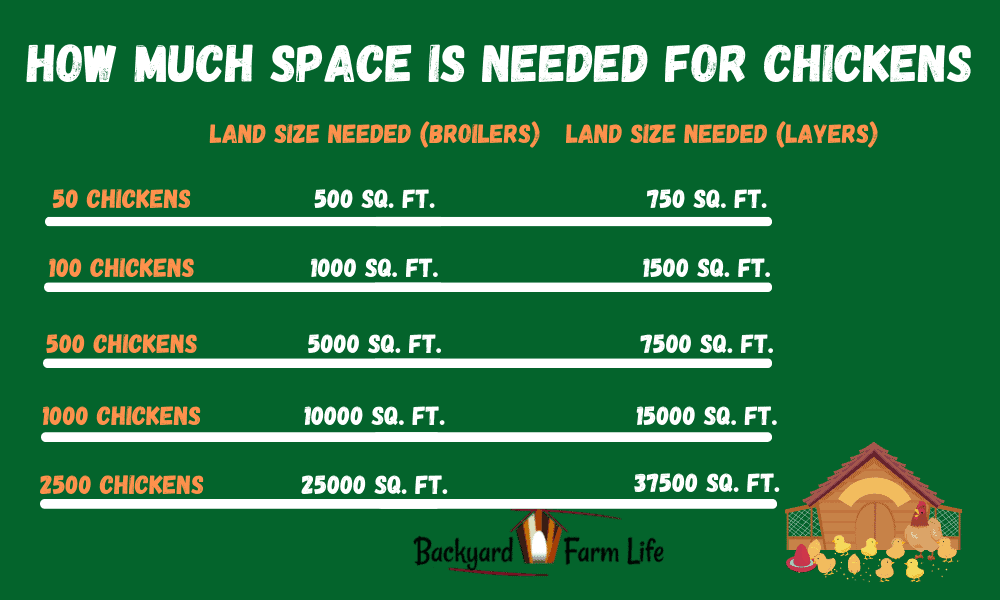
Ultimately, the question of "how much space does a hen need" doesn't have a single, rigid answer. It's more of a guideline. The more space you can realistically provide, the better your chances of having a happy, healthy, and productive flock. Aim for at least the minimums – 2-4 sq ft in the coop and 8-10 sq ft in the run – and then try to exceed them whenever possible.
If you're just starting out, don't feel overwhelmed! Even with a smaller setup, focusing on providing good quality food, clean water, and a safe environment can go a long way. But as you learn and grow with your flock, always keep that ideal of ample space in mind. It’s a simple concept that makes a world of difference for these fascinating, clucking creatures.
So, the next time you see a hen, you'll have a better appreciation for the space she needs to truly thrive. It's all about letting them be the best chickens they can be, and that includes giving them room to flap, scratch, and enjoy their little slice of the world!