How Much Salt Is In A Pinch

Ah, the humble pinch! It’s a gesture so ingrained in our cooking vocabulary that it feels as natural as breathing. We’ve all seen it in recipes: “add a pinch of salt,” “a pinch of sugar,” or even, “a pinch of this magical spice that will transform your dish.” It's that quick, almost instinctive flick of the fingers that adds that je ne sais quoi to our culinary creations. But have you ever stopped to wonder, when you’re reaching for that tiny bit of seasoning, just how much salt is actually in a pinch?
The beauty of the pinch lies in its inherent subjectivity and its ability to imbue our food with subtle but significant flavor. Salt, of course, is the star of the show here. Beyond simply making things taste salty, salt is a flavor enhancer. It awakens other tastes, balancing sweetness, mellowing bitterness, and bringing out the natural deliciousness of ingredients. Without that perfect pinch, a dish can fall flat, tasting bland and uninspired. It’s a crucial element that bridges the gap between merely edible and truly delightful.
Think about your favorite meals. That perfectly seasoned soup? The savory crust on your roast chicken? The slightly sweet edge to your morning scrambled eggs? Chances are, a pinch of salt played a vital role. It’s used in everything from baking bread (where it controls yeast activity and adds flavor) to curing meats, and of course, in countless everyday dishes. It’s the secret weapon in the home cook's arsenal, often used without a second thought.
Must Read
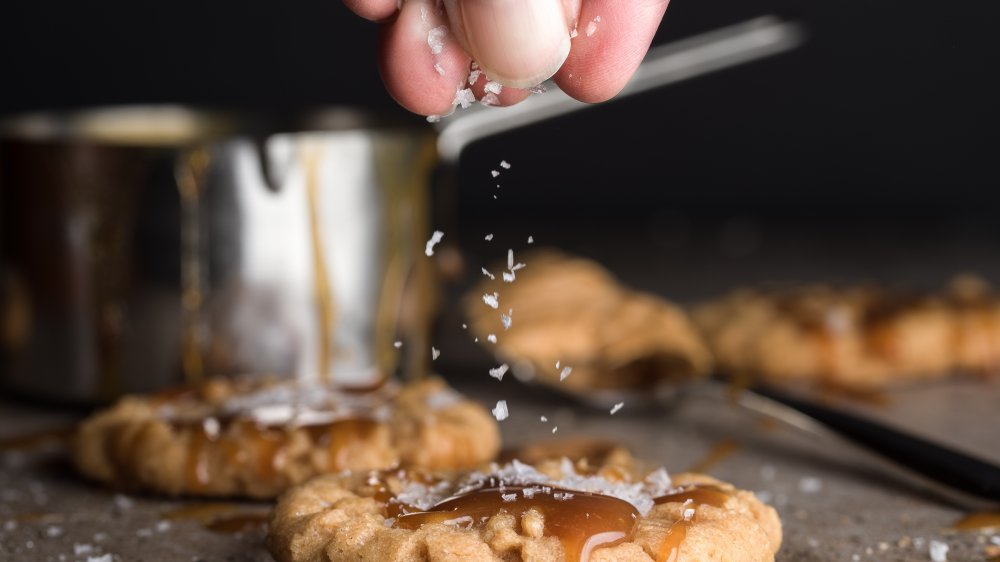
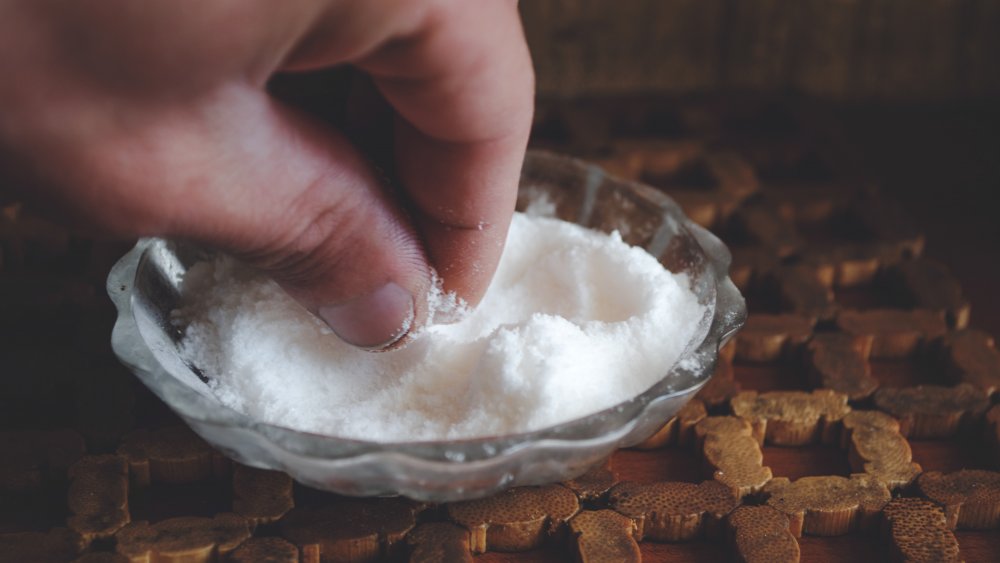
So, what exactly constitutes this elusive "pinch"? In the culinary world, a pinch is generally understood to be the amount of a dry ingredient that can be held between the thumb and forefinger. For salt, this typically translates to somewhere around 1/16th to 1/8th of a teaspoon. It’s a small amount, designed to add a subtle enhancement, not to overpower. However, this can vary wildly based on the size of your fingers and how tightly you grip!

To enjoy the art of the pinch more effectively, consider a few things. First, practice makes perfect. Over time, you’ll develop an intuitive feel for the right amount. Start with what feels like a small pinch and taste as you go. It’s always easier to add more salt than to take it away. Secondly, be mindful of the type of salt you're using. Flaky sea salts are often larger and lighter, so a pinch might contain less actual sodium than a pinch of fine table salt. So, for consistency, especially when you’re starting out, using a measuring spoon for a fraction of a teaspoon can be a helpful guide.
Finally, embrace the sensory experience. The act of pinching itself can be a mindful moment in your cooking. Feel the texture of the salt between your fingers. Smell its clean, mineral scent. It’s a small ritual that connects you more deeply to the food you're preparing. So, the next time a recipe calls for a pinch, don't fret about exact measurements. Trust your instincts, use your fingers, and discover the subtle magic that this tiny gesture brings to your table. Happy pinching!