How Many Volts On A Car Battery
Ever stared at your dashboard, seen that little battery icon, and felt a tiny tremor of… what if? Like a forgotten grocery item, it’s one of those things we don’t think about until it’s staring us right in the face, usually at the most inconvenient moment. You know the scene: it’s raining, you’re late for that super important… well, whatever it is, and suddenly your car coughs, sputters, and decides it’s taking a nap. The culprit? Often, it’s our trusty, if sometimes grumpy, car battery. But when we do decide to investigate, or when a mechanic says something about “volts,” we might nod along, a little unsure. So, let’s dive into the nitty-gritty of how many volts are actually lurking inside that unassuming box under your hood. Think of it as understanding the car's personal voltage spa.
When we talk about a car battery, we’re generally talking about a standard 12-volt system. Sounds simple enough, right? It’s like saying your phone battery is a 3.7-volt. It’s the headline number, the main attraction. But like a good celebrity, there’s always more going on behind the scenes. This 12-volt isn’t a single, perfectly precise number that never wavers. Nope, it’s more like a… general vibe. It’s the average, the happy medium. Think of it like your friend who’s always “around 30.” Are they exactly 30? Probably not. They might be 29 and a half, or 31 and a quarter. Same deal with your car battery.
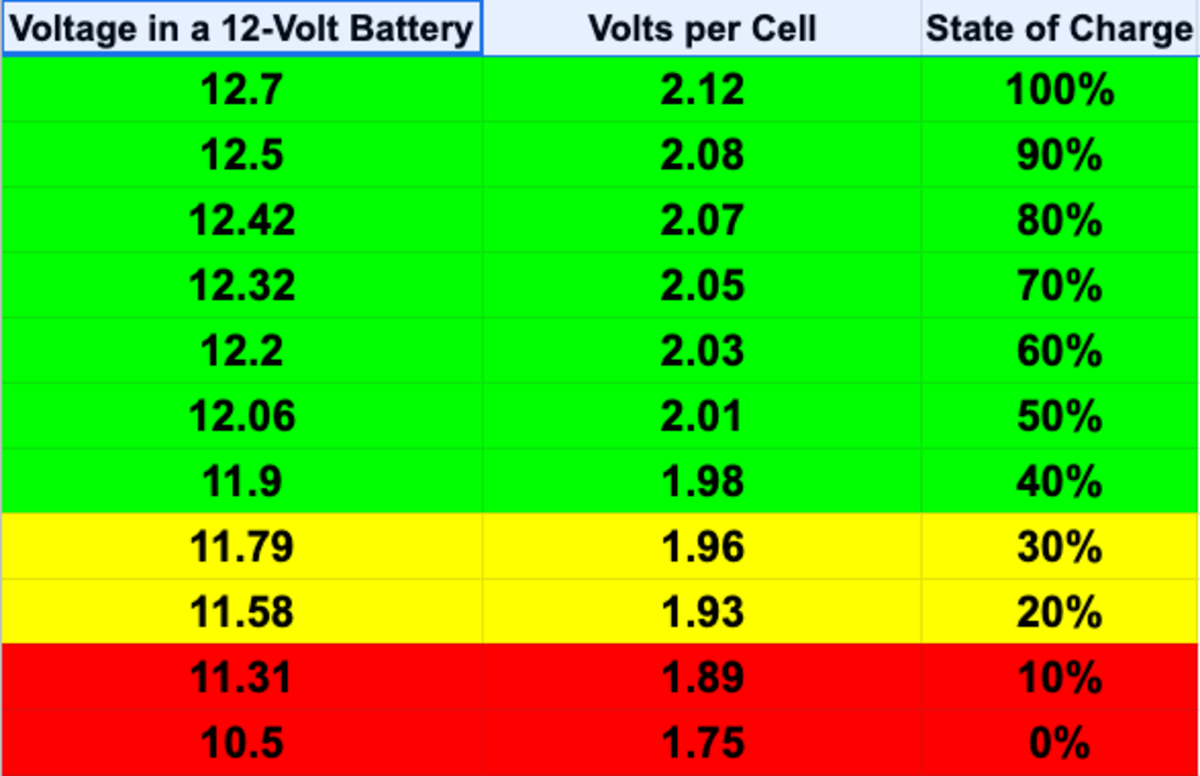
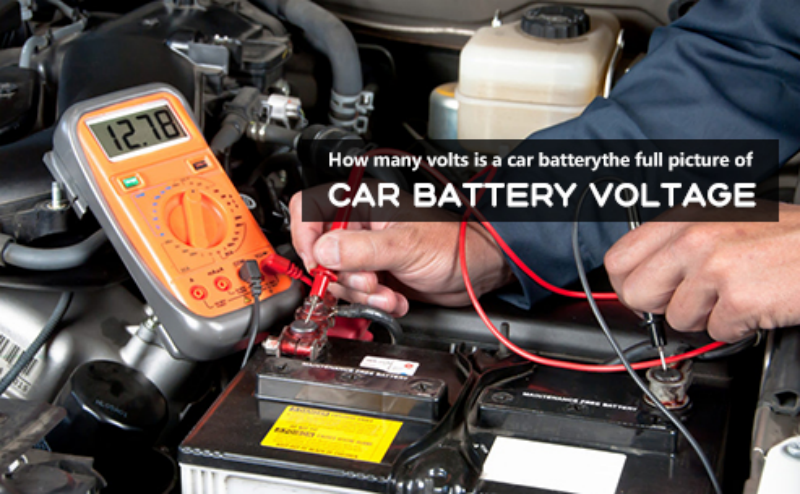
So, what’s this voltage supposed to be when everything’s hunky-dory? When your car is off, and the battery is just chilling, you’re looking for something in the ballpark of 12.6 volts. This is the battery at its most relaxed, its most content. It’s like when you’ve just finished a great meal, and you’re sinking into the couch, completely satisfied. Ah, bliss. This 12.6 volts is the resting voltage, the battery’s deep exhale. If you were to hook up a voltmeter (which, let’s be honest, most of us don’t carry around like a lucky charm, but hey, we can imagine!), this is the number you’d hope to see.
Must Read
But here’s where it gets a little more like a rollercoaster. When your engine is running, and the alternator is doing its thing – which is basically the car’s internal power plant, constantly topping up the battery and keeping all those fancy gadgets humming – the voltage will be higher. We’re talking more like 13.7 to 14.7 volts. This is the battery getting a little jolt of energy, a caffeine boost from the alternator. It's like going from that relaxed couch-potato state to being ready to tackle your to-do list, thanks to a shot of espresso.
Why the difference? Well, when the engine’s off, the battery is the sole provider of juice. It’s like a solo artist performing for a crowd. When the engine’s on, the alternator is the main act, and the battery is more of a… backup singer, or maybe a really important roadie making sure everything stays powered up. The alternator is also busy charging the battery, so it needs to push a bit more voltage than what the battery itself is holding to get that charging job done effectively. It’s like giving a phone charger a slightly higher voltage to ensure it’s actually charging your phone, not just keeping it from dying.

Now, let’s talk about those moments when things aren't so rosy. What happens when your battery is running low? You might see voltages dipping below 12 volts. This is the battery’s equivalent of saying, "I’m feeling a bit parched, guys. Anyone got a spare energy drink?" If you see a reading around 12.4 volts, it’s not dire, but it’s definitely not fully charged. Think of it as being 90% full. Perfectly usable, but maybe you don’t want to embark on a cross-country road trip without topping it up first.
When the voltage starts to creep down towards 12.0 volts, the battery is getting seriously depleted. This is where you start to feel that little sinking feeling in your stomach, the one you get when you realize you’re down to your last slice of pizza. At this point, the car might struggle to start. You know that feeling when you’re trying to push a heavy door open, and it just won’t budge? That’s your engine trying to crank with a weak battery. It’s a valiant effort, but sometimes, brute force isn’t enough.
And then there’s the dreaded below 12 volts. This is the "game over, man!" scenario. The battery is seriously low on juice. It’s like your phone hitting 1% battery and the screen starting to flicker ominously. At this point, your car is probably not going to start, or it will sound like it’s struggling for its very life. You might hear that rapid clicking sound, the car’s desperate attempt to summon enough energy for just one more go. It’s the sound of a battery throwing in the towel, probably muttering something about needing a long vacation.
What about those times when the voltage is actually too high? While less common for a dying battery, a faulty charging system (like a bad alternator) could potentially overcharge the battery. This isn't as dramatic as a dead battery, but it's not great either. It's like someone trying to pour you an entire pitcher of water when you've only asked for a sip – it can get messy and cause damage. Overcharging can lead to the battery overheating and, in extreme cases, can even damage other electrical components in your car. It’s the electrical equivalent of a really aggressive massage – not always what the doctor ordered.

So, why should you even care about these numbers? Because understanding them is like having a secret decoder ring for your car’s well-being. If your car is acting sluggish, or if you’ve been experiencing those "will-it-start-or-won't-it" moments, a quick check of the battery voltage (or a chat with your mechanic who does have the decoder ring) can often pinpoint the issue. It’s way better than just randomly replacing parts hoping one of them is the magic fix. Think of it as a diagnostic superhero costume you can wear in your mind.
A healthy battery is crucial for all sorts of things, not just starting your engine. All those modern car features – the infotainment system blasting your favorite tunes, the GPS guiding you through that confusing intersection, the heated seats keeping you toasty on a frosty morning – they all rely on a steady supply of power from your battery (and alternator, of course). It’s like the unsung hero of your commute, silently powering your world.

When your battery is consistently reading low, even after a drive, it's a sign it might be on its last legs. Batteries don't live forever, unfortunately. They're more like… very long-lived but eventually finite candles. They have a lifespan, and once they’ve burned through their wax, they’re done. Most car batteries last anywhere from 3 to 5 years, but this can vary wildly depending on your climate, how often you drive, and how much you subject them to those deep discharges (like leaving the headlights on all night – we've all been there, right?).
So, the next time you hear someone talking about car battery voltage, you can nod sagely and think, "Ah yes, the 12-volt vibe." You’ll know that while 12.6 volts is the ideal resting state, the system is a dynamic beast, fluctuating between a relaxed hum and a charged-up hustle. It’s a little dance between the battery and the alternator, all for the grand purpose of getting you from point A to point B without any embarrassing roadside theatrics. It’s the unsung hero of your daily grind, and a little understanding goes a long way in keeping that hero happy and ready to roar.
Remember, these are just general guidelines. If you’re ever in doubt about your car’s battery health, the best course of action is always to consult a qualified mechanic. They have the tools and the expertise to give you a definitive answer and ensure your car is running smoothly. But for now, you’ve got a little more insight into the electrifying world of your car’s power source. Go forth and drive, with the knowledge of the volts!