How Many Units In Gin And Tonic

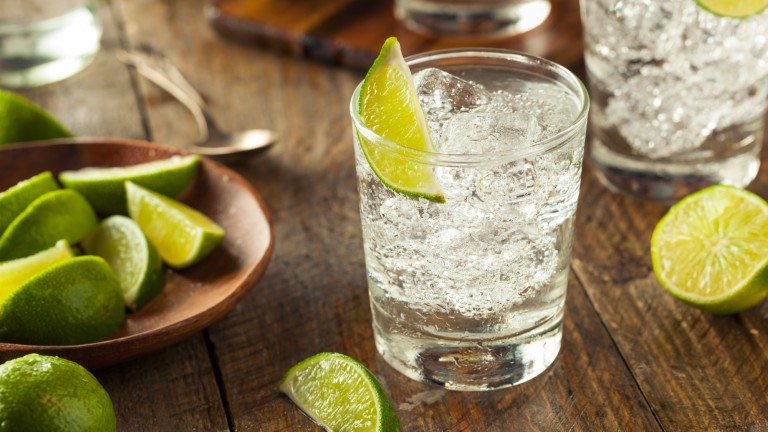
Ah, the G&T. That iconic duo, as classic as a perfectly tailored blazer or a perfectly timed sigh during a rom-com. It's the drink that whispers, "I'm sophisticated, but I'm also here to chill." Whether you're a seasoned sipper or just dipping your toes into the juniper-infused waters, a burning question might occasionally flit through your mind: just how much... you know... goodness is packed into this refreshing concoction? Let's unscrew the cap on the units in a Gin and Tonic, but in a way that's as smooth as a well-stirred cocktail, not a chemistry lesson.
The Great Unit Unraveling: What Are We Even Talking About?
Before we dive headfirst into the ice-filled abyss of gin and tonic, let's clarify what we mean by "units." In many parts of the world, particularly the UK, a 'unit of alcohol' is a standardized measure designed to help people understand their consumption. It’s basically a way to quantify how much pure alcohol is in a drink. Think of it as a little alcohol counter in your brain, helping you stay on the right side of that "just one more" line.
The standard unit definition can vary slightly by country, but a common benchmark is 10ml of pure alcohol. This is the magic number we’ll be working with as we explore our beloved G&T. It’s not about rigid rules; it's about gentle awareness, a subtle nod to looking after ourselves while still enjoying the finer things.
Must Read
Deconstructing the G&T: A Tale of Two Halves
A Gin and Tonic, at its heart, is beautifully simple: gin and tonic water. But within that simplicity lies a world of variables. Let’s break it down:
The Star of the Show: Gin
The amount of gin in your G&T is the primary driver of its unit count. In the UK, a standard single measure of spirits is typically 25ml, and a double measure is 50ml. Most bars and pubs will offer either, and it's always a good idea to know which you're opting for. Think of it as a small act of self-empowerment – you’re in control of your imbibing journey.
So, if we’re working with a single measure (25ml) of gin at a standard 40% ABV (Alcohol By Volume – another crucial bit of lingo!), we can calculate the units. Here’s a simplified way to think about it, though the actual math is a tad more involved: 25ml x 40% = 10ml of pure alcohol. Boom! That’s roughly one unit of alcohol from your gin alone.
Now, if you’re feeling a bit more adventurous and opt for a double measure (50ml) of the same 40% gin, you're doubling the fun and, of course, the units. 50ml x 40% = 20ml of pure alcohol. This means a double G&T, driven by the gin, will pack in approximately two units of alcohol.

It’s interesting to note that gin has a pretty consistent ABV. Unlike wine or beer, where percentages can swing more wildly, most gins sit comfortably around the 37.5% to 47% mark. This makes it easier to get a handle on the unit count. It’s like knowing your favourite jumper will always be comfortably warm, no matter the shade.
The Supporting Actor: Tonic Water
And what about our effervescent companion, the tonic water? This is where things get wonderfully... unit-free! Traditional tonic water, while delicious and essential for that delightful bittersweet kick, contains virtually no alcohol. So, in terms of alcohol units, your tonic is essentially a free ride.
However, this is where we can get a little playful. Ever noticed how tonic water can vary in its sweetness and calorie content? Some people are all about the classic, quinine-rich stuff, while others prefer a lighter, diet, or flavoured tonic. This doesn't impact the alcohol units, but it does play a role in the overall health and enjoyment of your drink. A diet tonic, for instance, will keep the calorie count significantly lower, which can be a consideration for some.
Think about it: a splash of elderflower tonic versus a classic Indian tonic can completely change the flavour profile of your G&T without altering the alcoholic punch. It's a subtle art, this cocktail making, a delightful dance of ingredients.

Putting It All Together: The Grand Total
So, to recap, the unit count of your Gin and Tonic is almost entirely dictated by the amount of gin you pour.
- A standard Gin and Tonic (25ml gin, 40% ABV): Approximately 1 unit of alcohol.
- A double Gin and Tonic (50ml gin, 40% ABV): Approximately 2 units of alcohol.
This is a lovely, digestible takeaway. It’s not about depriving yourself; it’s about having a general sense of what you're enjoying. It’s like knowing how much water is in your favourite water bottle – you know what you're getting, and you can plan accordingly.
When Things Get Fancy: The Garnish and Beyond
Now, I know some of you are thinking, "But what about the garnish? What about that extra squeeze of lime or a sprig of rosemary?" And you’re right to wonder! Garnishes, in the grand scheme of alcohol units, are negligible. They’re there for flavour, aroma, and that all-important aesthetic. They add character, a little flourish, like a well-chosen scarf on a crisp autumn day.
However, some might play with their G&Ts in more adventurous ways. Perhaps a flavoured gin? These often maintain a similar ABV, so the unit count per volume remains largely consistent. Or maybe a "gin cocktail" that adds liqueurs or other alcoholic mixers? That’s when the unit count can start to climb. But for the classic G&T, the rule of thumb holds true: it's all about the gin quantity.

Cultural Whispers and Fun Facts
The Gin and Tonic has a fascinating history, steeped in colonial India. British officers in the 19th century were prescribed quinine to ward off malaria. While effective, it’s notoriously bitter. Their solution? Mix it with gin, sugar, and lime. Voila! The Gin and Tonic was born, a medicinal remedy that evolved into a beloved beverage.
This little bit of history adds a layer of appreciation, doesn't it? Every sip connects you to a past where this drink was a necessity. It’s like wearing a vintage watch – it tells time, but it also tells a story.
Did you know that the "perfect serve" of a Gin and Tonic often involves specific ratios of gin to tonic, a particular type of ice (large cubes are favoured to melt slower and dilute less), and a precise garnish? While we’re talking units, it’s worth appreciating the artistry that goes into making a truly exceptional G&T. It's a testament to the power of simple ingredients done well.
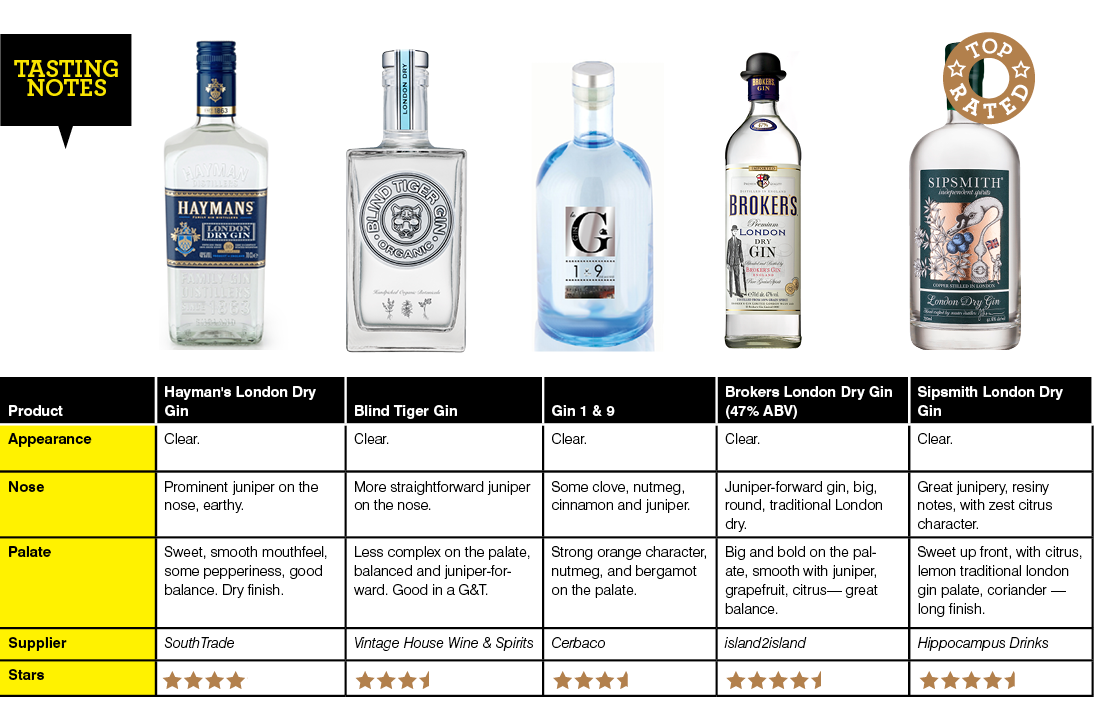
And let's not forget the sheer variety of gins available today. From classic London Dry to modern, botanical-forward creations, the gin landscape is as diverse and exciting as a bustling global marketplace. Each one brings its own personality to the G&T, making each encounter a unique experience. It’s like choosing a different path on a familiar hike – new discoveries await.

Practical Tips for the Savvy Sipper
So, armed with this knowledge, how can you enjoy your G&Ts with a little more mindful pleasure?
- Ask about the measures: When you're out, don't be shy about asking if they serve single or double measures. This simple question gives you direct control over your unit intake.
- Home bar wisdom: If you're mixing at home, use a jigger or a measuring cup to ensure consistency. It’s a small step that makes a big difference in understanding your drink.
- Hydrate wisely: Alternate your G&Ts with water. It’s a classic piece of advice for a reason – it keeps you hydrated and helps you savour your drinks without overdoing it.
- Embrace the flavour: Experiment with different tonic waters and garnishes. Discover new flavour combinations that allow you to enjoy a lighter drink with less gin, or simply enhance the experience of a single measure.
- Listen to your body: Ultimately, units are a guide, not a dictator. Pay attention to how you feel. Your body is the best barometer for knowing when to slow down or stop.
It’s about finding that sweet spot, that perfect balance between enjoying a delightful drink and feeling your best. It’s not about restriction; it’s about conscious enjoyment, a way to elevate your leisure time.
A Gentle Reflection
In the grand tapestry of life, the Gin and Tonic is a small, yet vibrant thread. It’s a symbol of relaxation after a long day, a companion on a warm evening, a conversation starter at a social gathering. Understanding the units within it isn't about turning a pleasure into a chore. Instead, it's about adding a touch of awareness, a gentle mindfulness to our enjoyment.
Just as we might be mindful of the calories in a decadent dessert or the time spent scrolling through social media, knowing the unit count of our G&T allows us to engage with it more thoughtfully. It’s an act of self-care, a quiet acknowledgement that even in our moments of pure indulgence, a little bit of awareness can enhance the experience without diminishing the joy.
So, the next time you raise a glass of that perfectly chilled, effervescent delight, you’ll do so with a little extra insight. You’ll know that the spirit of the G&T is not just in its flavour, but in its elegant simplicity, and in your own ability to savour it, responsibly and with great pleasure. Cheers to that!