How Many Eyes Does A Bee Has
Have you ever stopped to really look at a bee, maybe buzzing around a flower in your garden? They’re such busy, vital creatures, aren't they? We often marvel at their industriousness, their fuzzy bodies, and the intricate way they navigate the world. But there’s a little secret hiding in plain sight, a detail that might surprise you and make you see these tiny pollinators in a whole new light: how many eyes does a bee actually have? It’s a question that’s not just a bit of trivia, but a fascinating peek into the incredible sensory world of these essential insects.
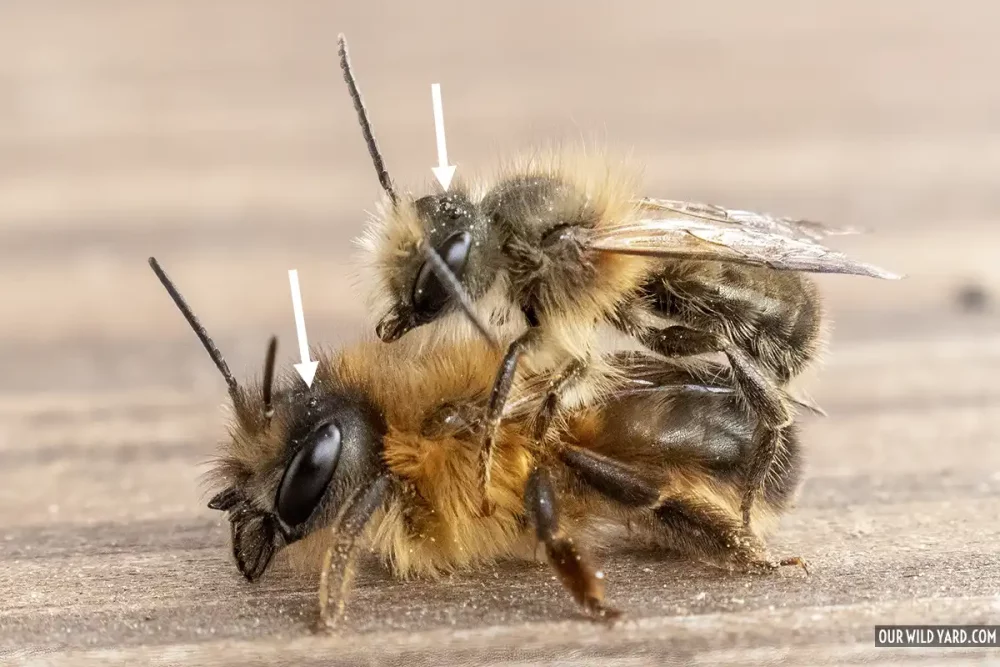
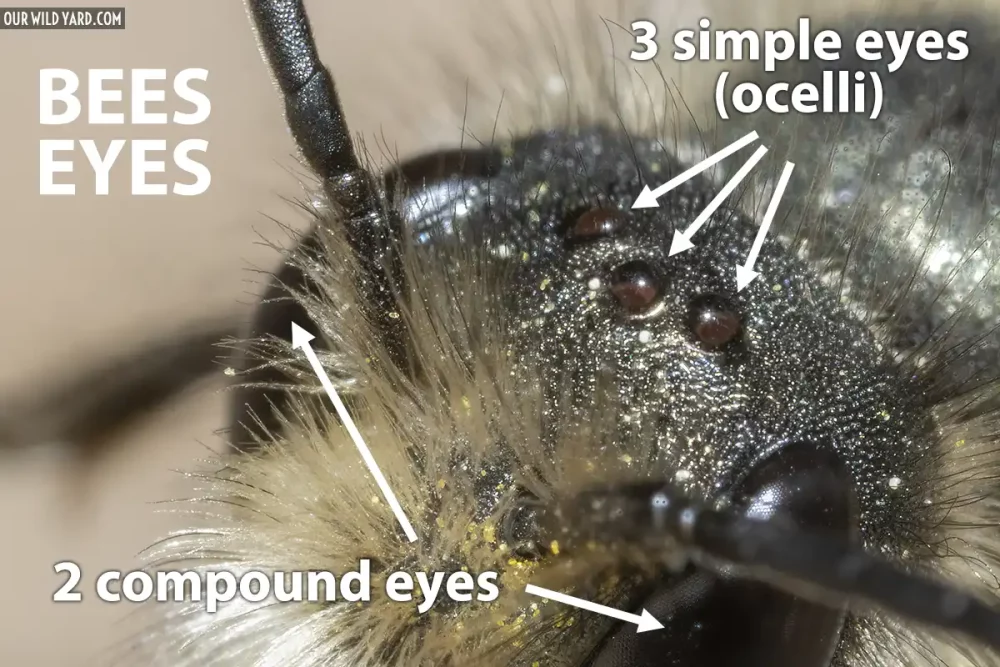
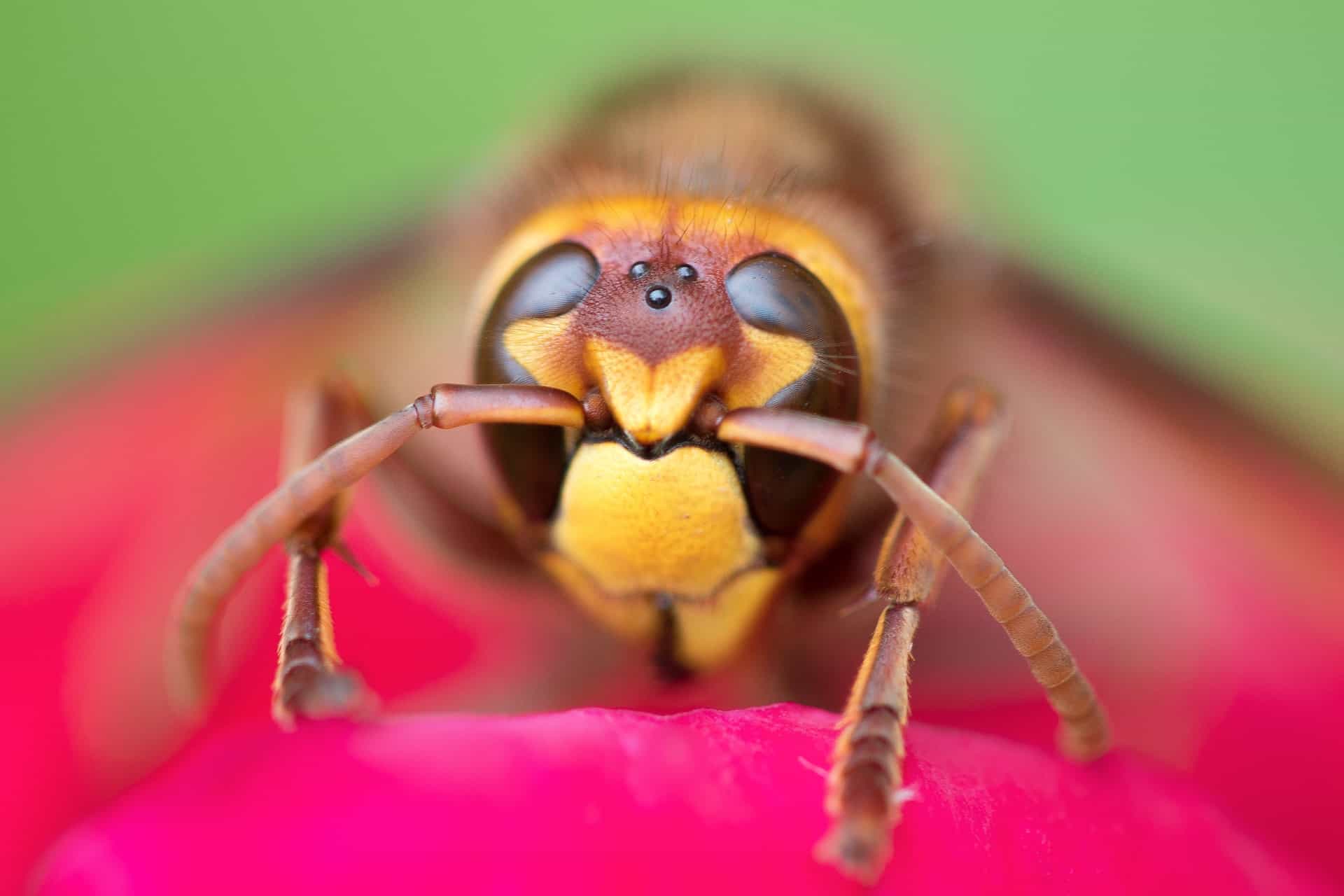
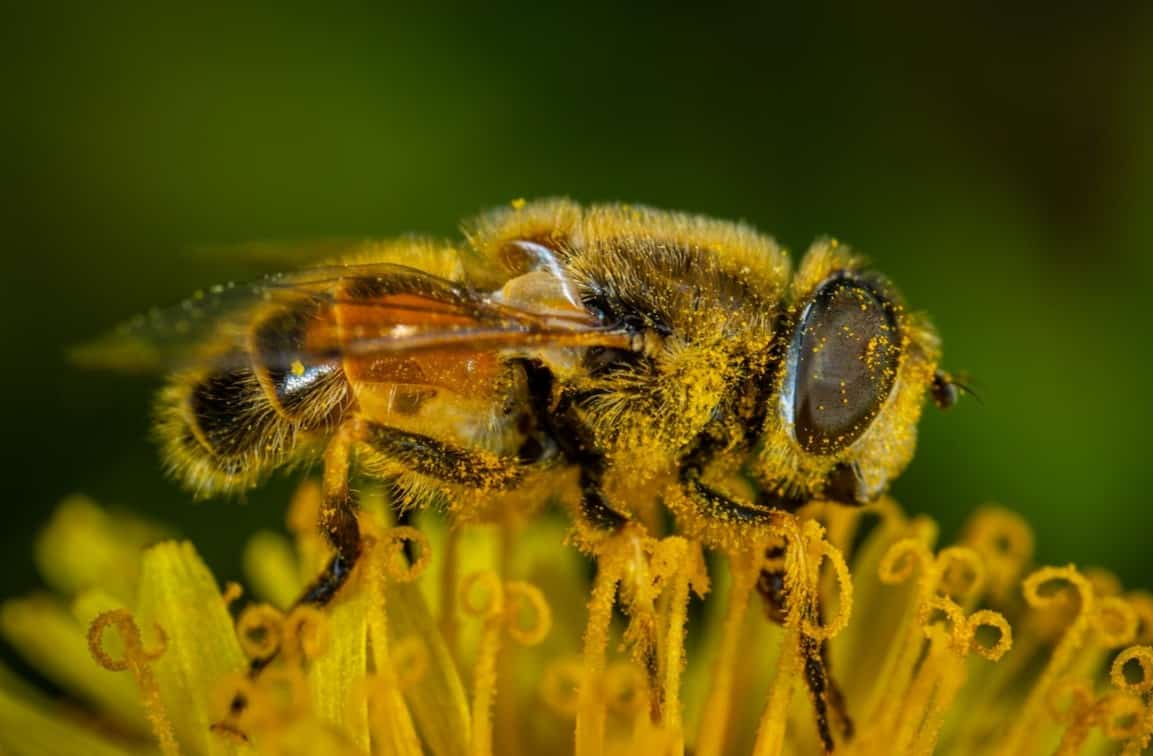
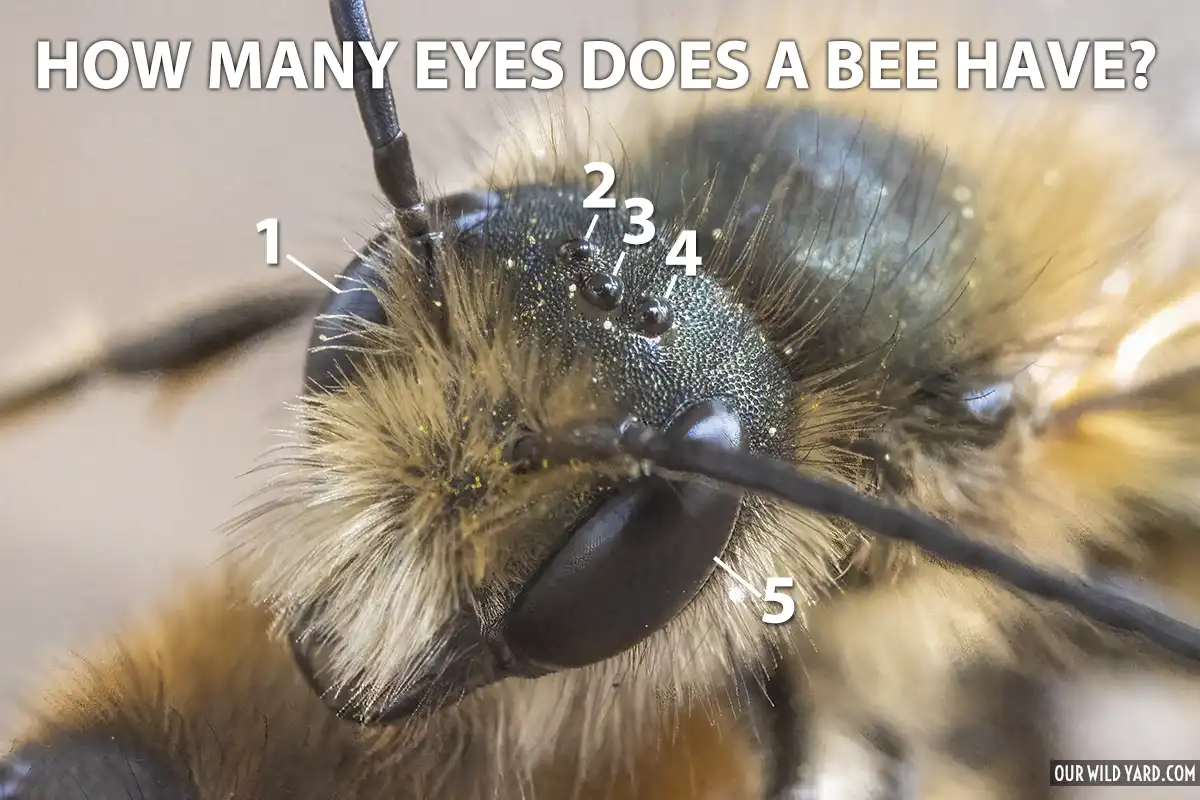
Understanding the number and type of eyes a bee possesses helps us appreciate their remarkable vision and how they function. Bees have two distinct sets of eyes: a pair of large, compound eyes and three smaller, simple eyes called ocelli. The compound eyes are what give bees that characteristic faceted look. Each compound eye is made up of thousands of tiny lenses, called ommatidia, which work together to create a mosaic-like image. This type of vision is excellent for detecting movement and is particularly good at seeing in a wide field of view, crucial for navigating, spotting flowers from a distance, and avoiding predators. The ocelli, on the other hand, are simpler and are thought to help bees with light detection and orientation, essentially acting as light sensors to help them stabilize their flight and perceive changes in light intensity. It’s like having both a wide-angle panoramic camera and a few tiny light meters all rolled into one!
The benefits of this unique visual system are immense for a bee’s survival and its role in our ecosystem. Their ability to perceive polarized light, for instance, helps them navigate even on cloudy days by using the sun’s position. Their excellent color vision, including the ability to see ultraviolet light (which we can't!), allows them to spot flowers that are particularly attractive to them, often marked with patterns invisible to our eyes. This plays a direct role in pollination, ensuring that plants can reproduce and produce the fruits and vegetables we rely on. So, next time you enjoy a juicy apple or a vibrant bouquet, you can thank a bee’s special eyes!
Must Read
In education, this simple question can be a gateway to teaching children about biology, optics, and the diversity of life. Imagine a science lesson where kids build their own "compound eyes" using straws or beads, or learn about UV light by looking at flowers through special filters. In daily life, it encourages us to observe the natural world more closely. It’s a gentle reminder to slow down and notice the intricate details of creatures we often take for granted. It fosters a sense of wonder and curiosity about the tiny engineers of our planet.
Ready to explore this yourself? It’s simpler than you think! The next time you see a bee (safely, from a distance, of course!), try to observe its head. You might not be able to spot the ocelli without magnification, but you can definitely see the large, intricate compound eyes. A magnifying glass can offer a closer look at the texture of those compound eyes, revealing their segmented nature. You can also look up fascinating photos and diagrams online that clearly illustrate the bee's visual setup. It's a small discovery, but one that opens up a world of appreciation for the complex and beautiful adaptations found in nature.