How Many Eggs Will A Duck Lay
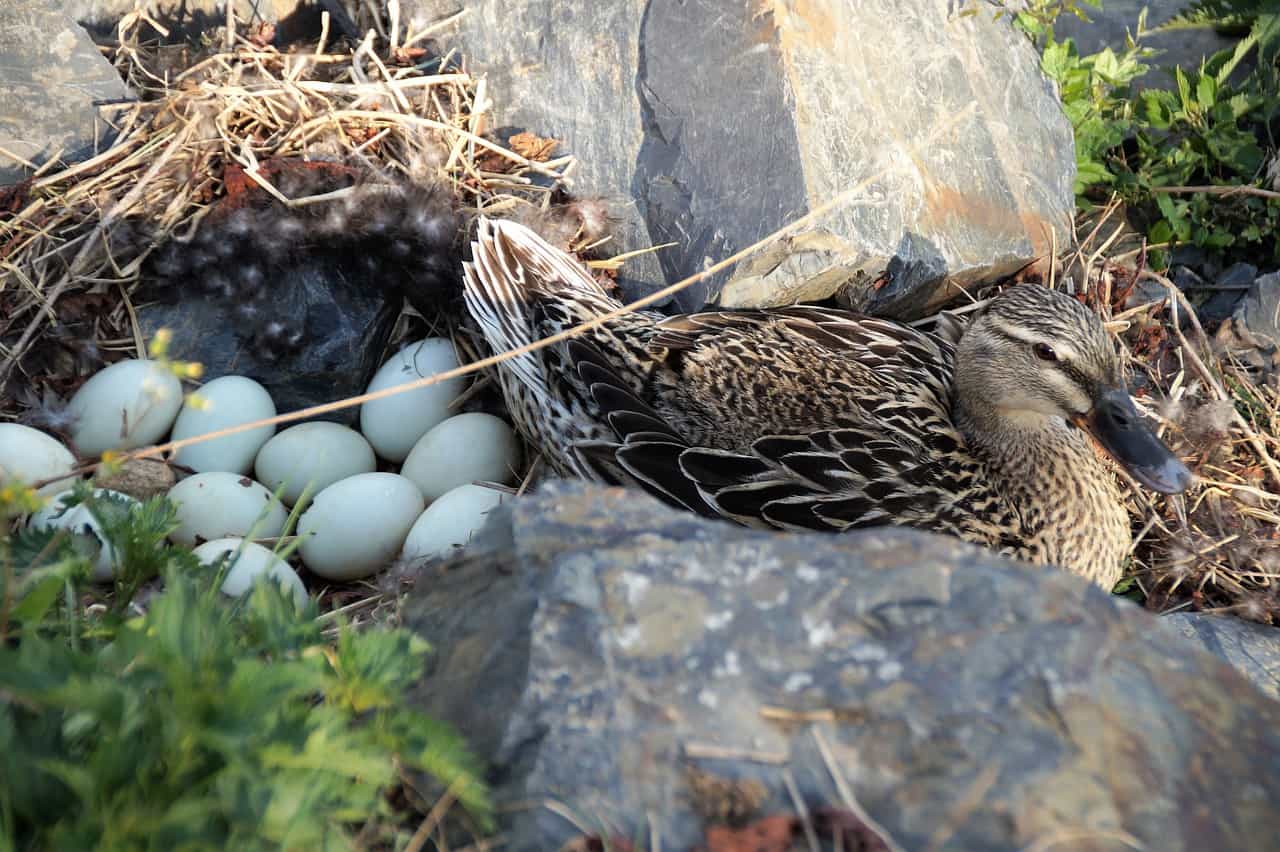
There's something undeniably charming about ducks, isn't there? Whether it's their waddling gait, their comical quacks, or the sheer delight of watching them glide across a pond, ducks have a way of bringing a smile to our faces. For many, the allure goes beyond mere observation. Keeping ducks, or simply being curious about their lives, can be a wonderfully engaging pursuit, offering a delightful connection to the natural world and even a practical bounty. And when we talk about that bounty, one of the most frequently asked questions inevitably arises: "How many eggs will a duck lay?"
This isn't just idle curiosity; understanding a duck's egg-laying habits serves several important purposes for those who raise them. For backyard chicken keepers considering expanding their flock, or for homesteaders looking to diversify their egg basket, knowing the potential yield is crucial for planning. Duck eggs, after all, are a superb alternative to chicken eggs. They are larger, richer, and often preferred by bakers for their higher fat content, resulting in wonderfully moist cakes and fluffy pastries. Beyond the kitchen, successfully raising egg-laying ducks can contribute to a more self-sufficient lifestyle, providing a consistent source of fresh, nutritious food.
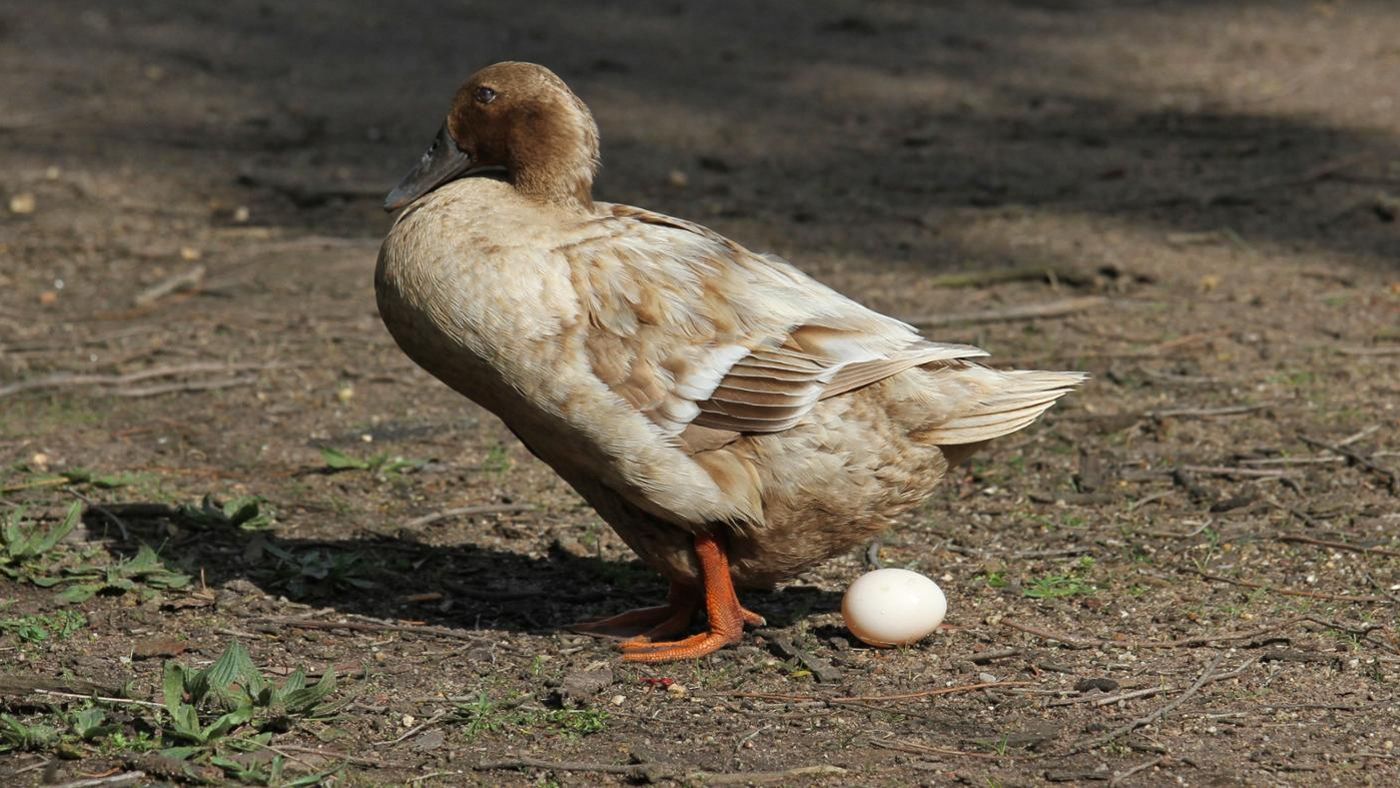
So, how many eggs can you expect? The answer, like many things in nature, depends on a few factors. Generally, a healthy, well-cared-for duck will lay approximately 150 to 300 eggs per year. This might seem like a wide range, and it is! Breeds play a significant role. For instance, breeds like the Indian Runner and the Khaki Campbell are renowned for their prolific laying, often reaching the higher end of that spectrum. Other breeds, while perhaps more ornamental, might lay fewer. Age is also a factor; younger ducks tend to be more productive than older ones. And, of course, the quality of their diet, the amount of daylight they receive (which influences their laying cycle), and their overall health are all critical.
Must Read
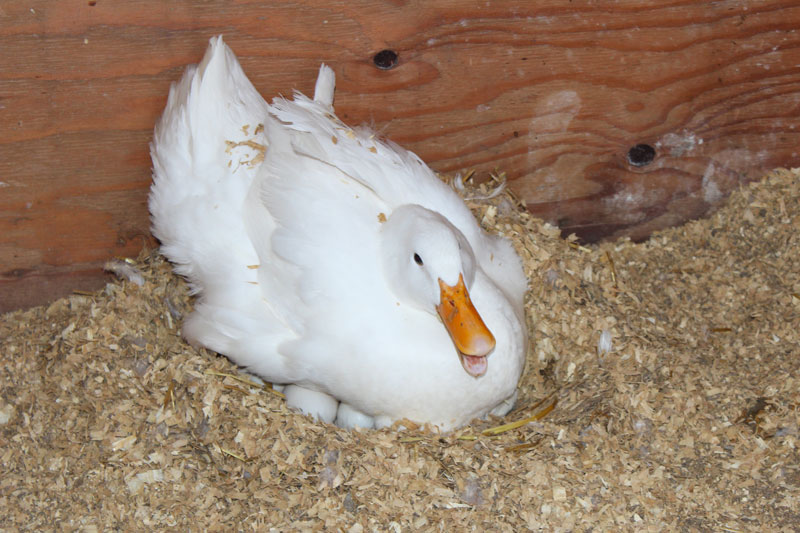
To truly enjoy the experience of duck egg production, whether you're a seasoned keeper or just dipping your toes in, a few practical tips can go a long way. First, provide a balanced and nutritious diet. This means good quality duck feed, supplemented with fresh greens and occasional treats. Ensuring they have access to clean water for drinking and preening is also paramount – ducks aren't called waterfowl for nothing! Secondly, create a safe and comfortable nesting environment. While ducks can be quite resourceful, offering a designated, predator-proof nesting box with soft bedding will encourage them to lay in one place, making egg collection easier. Finally, observe your ducks. Understanding their individual personalities and routines can be incredibly rewarding, and you'll soon learn to recognize the signs of a contented, egg-laying hen.
Whether you're dreaming of a breakfast table adorned with beautiful, rich duck eggs or simply find yourself captivated by these fascinating creatures, the question of their egg-laying capacity opens up a world of information and enjoyment. So, next time you see a duck, you'll know that behind that charming demeanor lies a remarkably efficient, and often quite generous, little egg producer!