
How Many Eggs Does A Hen Lay

Ever stare at a carton of eggs in the grocery store and wonder, "Just how many eggs does a hen actually lay?" It's a question that might tickle the back of your brain, especially if you're enjoying a particularly delicious omelet or picturing fluffy chicks peeking out of their shells. Well, get ready to have your mind gently blown, because the answer is way more interesting than you might think!
Let's be honest, we usually just see the end product, right? Those perfectly formed, oval wonders that fuel our breakfasts and bake our cakes. But behind every egg is a fascinatingly busy little hen, working away like a tiny, feathered factory. It's a natural process, of course, but understanding it can add a whole new layer of appreciation to your daily dose of protein. Isn't it amazing how nature just… does its thing?
The Speedy Laying Hen: Not What You Might Expect!
So, how many eggs can a hen produce? Drumroll, please… a single hen can lay, on average, about 250 to 300 eggs per year. Yep, you read that right! That's a whole lot of breakfast potential coming from one bird. Think about it: that's almost an egg a day, or even more! Of course, this isn't a strict, rigid number. Some hens are champions, hitting closer to that 300 mark, while others might be a bit more… leisurely.
Must Read
But here's the really cool part: a hen doesn't need a rooster to lay eggs. Nope! This is a common misconception, and it’s totally understandable why people think that. Roosters are there for fertilization, meaning they're necessary if you want to hatch new chicks. But the egg-laying process itself is part of a hen's natural reproductive cycle, whether there’s a Mr. Rooster around or not. So, your supermarket eggs are almost always unfertilized. Mind. Blown. Again!
What's Inside That Egg-Laying Machine?
How does she do it? It's a remarkable biological feat. Inside a hen’s body, a complex system works tirelessly. It starts with the ovary, where tiny yolks are developed. These yolks mature, and then, in a process that takes about 24 to 26 hours, the yolk travels through the oviduct. This is where all the magic happens!
As the yolk moves along, albumen (that's the egg white, folks!) is added. Then comes the shell formation, which is the longest part of the journey, taking about 20 hours. And then, pop! Out comes a fresh egg. It’s a tightly scheduled operation, and the hen is an absolute pro at it. Imagine your own body working on such a precise schedule, day in and day out. We should all take notes!

The interesting thing is, after laying an egg, the hen's reproductive system immediately starts working on the next one. It's a continuous cycle. This is why, under the right conditions, a hen can lay so many eggs. It’s a testament to the incredible design of nature.
Factors That Influence Egg Production: It's Not Just About the Hen!
Now, as we mentioned, not all hens are created equal when it comes to egg-laying. Several factors can influence how many eggs a hen will produce. Think of it like human athletes – some are naturally gifted, while others need more training and the right environment to perform their best.
Breed is a big one. Some chicken breeds have been selectively bred over generations specifically for high egg production. Think of breeds like the Leghorn, Rhode Island Red, or Plymouth Rock. These ladies are the superstars of the coop, consistently churning out those delicious eggs. Other breeds might be more focused on meat production or have unique feather patterns, and their egg-laying might be a bit more, shall we say, artistic rather than prolific.
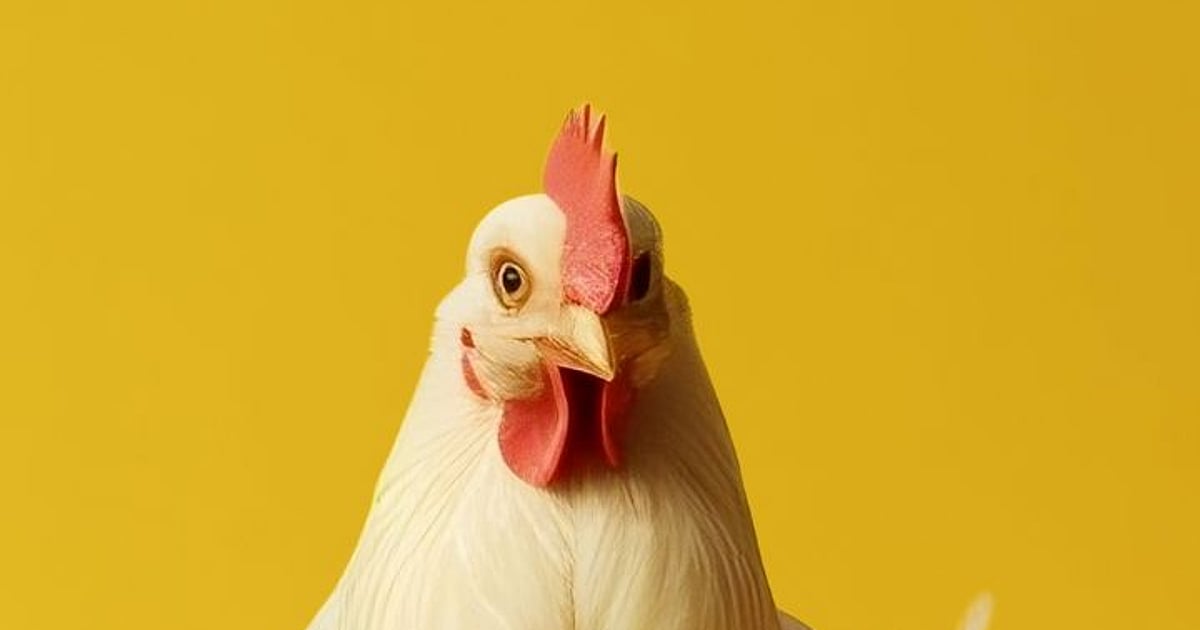
Age plays a role too. Younger hens, especially those in their first year of laying, are often at their peak production. As they get older, their egg-laying rate might gradually decrease. It’s like humans – we’re not quite as energetic in our eighties as we were in our twenties, right?
Diet is absolutely crucial. A hen needs a balanced diet rich in protein, vitamins, and minerals to produce healthy eggs. If they're not getting the right nutrients, their egg production can suffer. It's like us trying to run a marathon without proper fuel – not going to happen!
Daylight hours are surprisingly important. Hens are sensitive to changes in light. Longer days, particularly in spring and summer, stimulate their bodies to lay more eggs. This is why in the winter months, when days are shorter, many hens naturally lay fewer eggs. Some farmers even use artificial lighting in coops to extend the laying season, which is pretty fascinating if you ask me!
Stress levels matter. Just like us, stressed-out chickens don't perform their best. Loud noises, overcrowding, or threats from predators can all impact a hen's health and, consequently, her egg-laying. A happy, calm hen is a more productive hen. It’s a good reminder for all of us, isn't it?

The Seasonal Cycle: Nature's Own Rhythm
So, we’ve touched on daylight, but it’s worth diving a little deeper into the seasonal rhythm of egg-laying. For most backyard hens, you'll notice a dip in egg production during the colder, darker months of winter. It’s their natural way of conserving energy.
But then, as the days start to lengthen in spring, something magical happens. The sunlight signals to their bodies that it’s time to get back to business. You’ll see their laying rates pick up again, and suddenly, your egg carton is filling up once more. It’s a beautiful cycle, a testament to nature’s timing. It’s like the earth itself is saying, "Let’s get cracking!"
The Humble Hen: More Than Just an Egg Machine
It’s easy to think of a hen as just an egg-laying machine, but they are so much more! They are curious, social creatures with distinct personalities. Some are bold and adventurous, others are a bit more shy. They communicate with each other through a variety of clucks and chirps, and they form social hierarchies within the flock. It’s like a mini-society in your backyard!
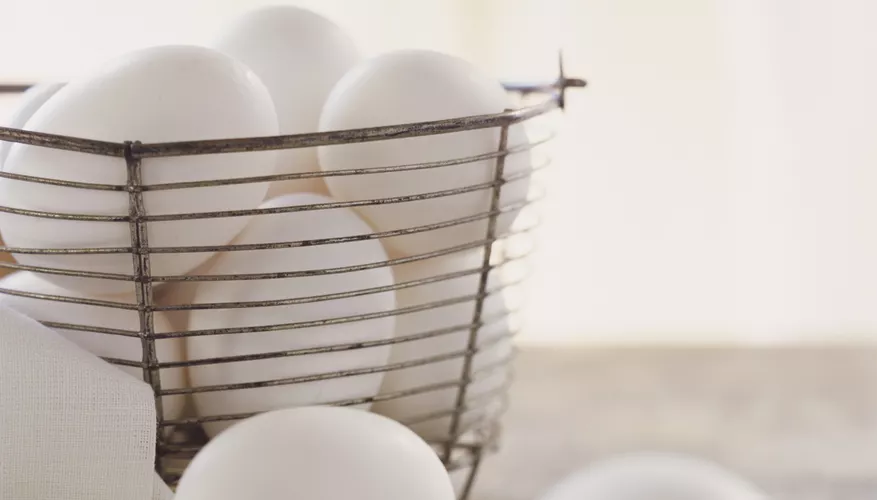
Learning about their habits and behaviors can be incredibly rewarding. It’s a chance to connect with nature in a tangible way. And when you’re cracking open an egg that came from a happy, well-cared-for hen, you can’t help but feel a little bit of that natural goodness. It’s a taste of the simple, yet profound, cycles of life.
Why This Matters (Besides Delicious Omelets!)
Understanding how many eggs a hen lays, and the factors that influence it, isn't just a fun fact for trivia night. It can inspire us in so many ways. It highlights the power of natural cycles, the importance of good stewardship (whether it’s for chickens or our planet), and the incredible resilience and productivity of the natural world.
It can make you appreciate the food you eat on a deeper level. It can spark curiosity about where your food comes from and the creatures that produce it. It might even inspire you to try keeping a few chickens yourself, if you have the space! Imagine the joy of collecting your own fresh eggs, knowing exactly how they came to be. Pure delight!
So, the next time you reach for an egg, take a moment to think about the incredible journey it took to get there. Think about that busy hen, working diligently, day in and day out, providing us with such a wonderful and versatile food. It’s a small wonder, but a wonder nonetheless. And who knows, perhaps this little peek into the world of hen-laying has sparked your own curiosity. The world of chickens is full of delightful surprises, just waiting to be discovered. Go on, dive in and learn more – you might just find yourself clucking with delight!

