How Long Will A Flat Roof Last
Ever looked up at a building and wondered about that flat roof perched on top? It's not just a big, boring lid, you know. Flat roofs have their own kind of charm. They can be super modern and sleek, or they can have this cool, retro vibe. It's like a whole different world up there, hiding in plain sight.
We're going to dive into the world of flat roofs. Specifically, we'll be chatting about how long these awesome features tend to stick around. Think of it as a sneak peek into the lifespan of your overhead neighbor. It's more interesting than it sounds, trust me!
The Secret Life of Flat Roofs
So, you've got this flat roof. What's its story? Well, these guys are built to last. They're not just thrown together haphazardly. There's a whole lot of engineering and clever material science involved in making them tough.
Must Read
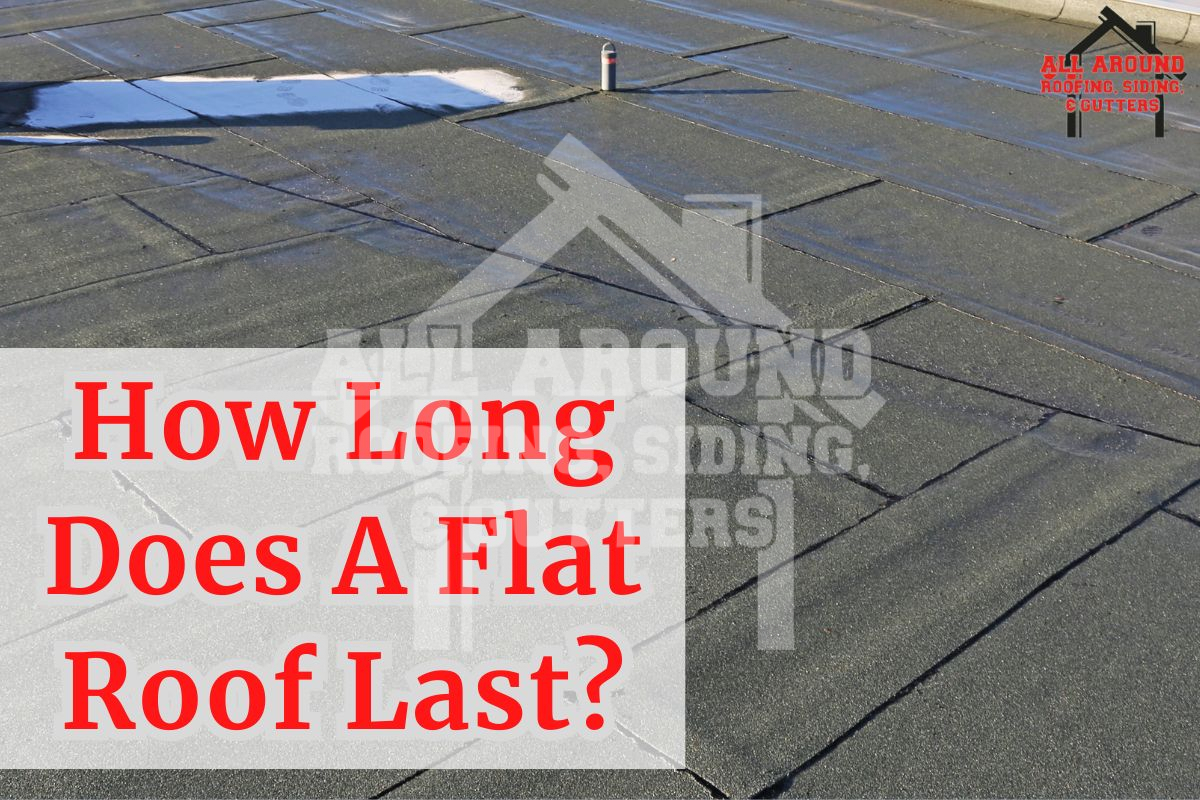
The biggest question on everyone's mind is usually: "How long will my flat roof actually last?" It's the million-dollar question, right? The answer isn't a simple "X years." It's more like a spectrum, a range of possibilities.
But let's get to the juicy part. On average, you can expect a well-maintained flat roof to give you a good run for your money. We're talking about a solid 15 to 25 years as a general ballpark figure. That's quite a while to keep your head dry!
What Makes Them Tick? (And Last!)
What's the secret sauce? Why do some flat roofs seem to go on forever, while others… well, you get the idea. It all comes down to a few key ingredients.
First off, there's the type of material used. This is a huge player. Think of it like choosing the right paint for your house. Some paints are super durable, while others fade faster. Flat roofs are no different.
Materials like EPDM rubber are like the superheroes of the flat roof world. They're incredibly tough and flexible. These can often stretch and bounce back from whatever Mother Nature throws their way. We're talking serious resilience here.

Then you have TPO (Thermoplastic Polyolefin). This is another popular choice. It's known for being energy-efficient and can reflect sunlight, which is a nice bonus for keeping things cool underneath. TPO is like the eco-friendly cousin in the family.
And let's not forget PVC (Polyvinyl Chloride). This one is tough as nails. It's resistant to punctures and chemicals, making it a real workhorse. PVC is built for the long haul, no doubt about it.
Another type, and perhaps the oldest trick in the book, is built-up roofing (BUR). This involves layering asphalt and reinforcing materials. It's tried and true, but it can be a bit heavier. Think of it as a classic car; it’s got its own charm and history.
Modified bitumen is also a contender. It's basically asphalt with modifiers added to give it more flexibility and strength. It’s like giving your old reliable asphalt a turbo boost!
The Importance of Installation: It's All in the Details
But here's a little secret: even the best materials can fall short if they aren't installed properly. It's like having the best ingredients for a cake but messing up the baking. The result just isn't the same.

A skilled installer is crucial. They know how to seal every seam, how to ensure proper drainage, and how to handle those tricky corners. A good installation is the foundation for a long-lasting roof. It's the difference between a roof that lasts a decade and one that goes for two!
Think of it like building a LEGO castle. If you don't connect the pieces just right, it's going to wobble. A professional installation ensures that your flat roof is built solid, ready to face the elements with confidence.
Maintenance: The Secret Weapon
Now, let's talk about maintenance. This is where you, the homeowner or building owner, play a starring role. Even the most robust roof needs a little TLC now and then. It's not a set-it-and-forget-it kind of deal, unfortunately.
Regular inspections are your best friend. Catching small issues before they become big problems can save you a lot of headaches (and money!). A little crack here, a loose seam there – these are the early warning signs.
What should you be looking for? Things like pooling water. If you see water sitting on your flat roof for extended periods, that's a red flag. It means drainage isn't working as well as it should, and that water can cause all sorts of damage over time.
Also, keep an eye out for debris. Leaves, branches, and other gunk can clog drains and create weak spots. So, a good clean-up now and then is always a smart move.
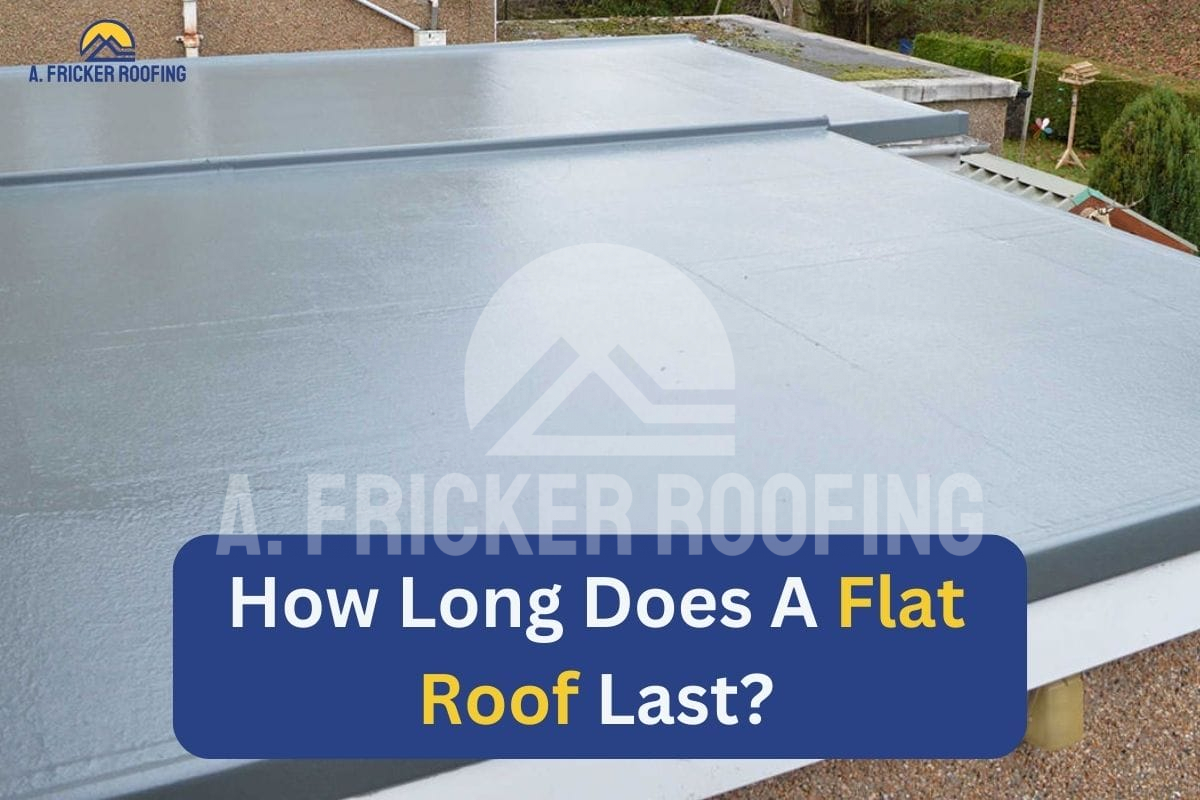
Checking seams and flashing is also important. These are the areas where different parts of the roof meet, and they need to be sealed up tight. If you see any signs of lifting or cracking, it's time to call in the pros.
A simple annual check-up, or even a bi-annual one, can make a world of difference. It’s like taking your car in for an oil change. It keeps everything running smoothly for longer.
Factors That Can Shorten the Lifespan
Of course, not all flat roofs are created equal, and some factors can unfortunately shorten their lifespan. It’s not always smooth sailing up there.
Extreme weather is a big one. Think fierce hailstorms, intense heatwaves, or prolonged periods of heavy snow. These can all put a strain on your roof.
Foot traffic can also be an issue. If people are constantly walking on the roof without proper protection or consideration, it can lead to punctures and wear and tear. It’s not designed to be a personal walkway!
Poor drainage, as we mentioned, is a silent killer. Water that sits for too long can seep into the roof layers, causing rot and structural damage. It's like a slow leak that can eventually sink a ship.
And sometimes, it's just the age of the materials. Even the toughest materials eventually degrade over time. It’s the natural order of things, like us getting older!
So, What's the Verdict?
The lifespan of a flat roof is a fascinating mix of material science, expert installation, and ongoing care. It's a collaborative effort, really.
With the right materials and a professional touch during installation, you can look forward to a good 15 to 25 years, and sometimes even longer. And with diligent maintenance, you can push that even further.
It's a testament to the clever design and engineering that goes into these often-overlooked parts of our buildings. They’re working hard, keeping us protected from the elements, and they deserve a little appreciation.
So next time you see a flat roof, don’t just see a flat surface. See a complex system, a hardworking protector, and a testament to longevity. It’s a little bit of engineering magic, keeping everything dry and sound above our heads. Pretty cool, huh?