How Long To Train As A Plumber
Ever wondered what it takes to become a plumbing whiz? It’s not all about wrestling with stubborn pipes, though there’s definitely some of that! It’s a journey, a pretty cool one, that can lead to a super rewarding career.
Think of it like this: you’re not just learning to fix a leaky faucet. You’re becoming a modern-day hero, the one people call when things go really, really wrong. And that, my friends, is pretty darn special.
So, how long does this whole plumbing adventure take? Let’s dive in, shall we? It’s not a one-size-fits-all deal, which actually makes it kind of exciting. There are different paths you can take.
Must Read
The Apprenticeship Adventure
One of the most common ways to become a plumber is through an apprenticeship. This is where the real-world magic happens. You’re not just sitting in a classroom, although there’s some of that too!
An apprenticeship is like a paid on-the-job training program. You’ll work alongside experienced plumbers, soaking up all their wisdom. They’re the masters, and you’re the eager student, ready to learn the tricks of the trade.
These apprenticeships usually last for about 4 to 5 years. It sounds like a while, but it’s packed with learning. You’ll be tackling all sorts of plumbing challenges, from tiny residential fixes to massive commercial projects.
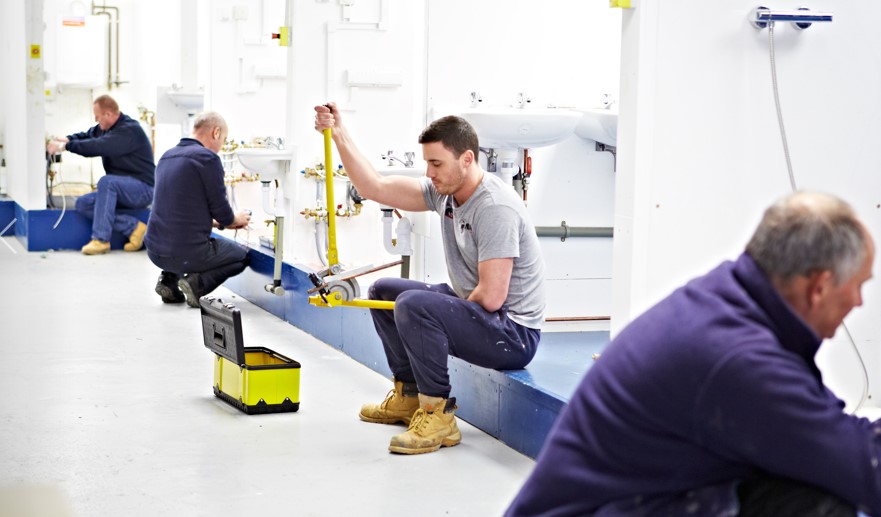
During this time, you’ll also be going to trade school. This is where you learn the theory behind everything. Think about the science of water pressure, the different types of pipes, and all the safety regulations. It’s important stuff!
The cool part is that you’re earning while you’re learning. No student loan debt piling up here! You’re building your skills, your experience, and your bank account simultaneously. How awesome is that?

Vocational School: A Quicker Route
Maybe the 4-to-5-year apprenticeship sounds a bit too long. No worries! There’s another route you can take: vocational school or trade school.
These programs are designed to give you a solid foundation in plumbing in a shorter amount of time. Think of it as an express lane to becoming a plumber. You’ll still get hands-on training, but it’s often more concentrated.
Vocational programs can typically range from 6 months to 2 years. It really depends on the program you choose and the depth of training it offers. Some are quick dives, while others are more in-depth explorations.
After completing a vocational program, you’ll likely still need some on-the-job experience to become fully licensed. But you’ll be starting with a strong knowledge base, ready to impress.
This path is great for those who are eager to get into the workforce sooner. You’ll learn the essential skills and gain the confidence to start your plumbing career with a bang.
The Importance of Licensing
No matter which path you choose, there’s one thing that’s super important: licensing. Think of it as your official plumbing superhero badge.
Most places require plumbers to be licensed. This means you’ve passed certain tests and met specific training requirements. It shows you know your stuff and can do the job safely and correctly.
Getting licensed usually happens after you’ve completed your apprenticeship or vocational training and gained some supervised work experience. It’s the final step in proving your plumbing prowess.
The requirements for licensing can vary by state or even by city. So, it’s a good idea to check with your local authorities to understand what’s needed in your area. It’s all part of the exciting plumbing puzzle!
What Makes Plumbing So Special?
Now, you might be thinking, "Why plumbing? It sounds kinda messy." And sure, there are messy moments, but that’s part of the fun!
Plumbing is about problem-solving. It’s like being a detective, but instead of clues, you’re looking for the source of the leak or the reason for the clog. Every day is a new mystery to solve.
And when you solve it? Oh, the satisfaction! You’ve saved the day. You’ve prevented a flood, fixed a critical system, and made someone’s life a whole lot easier. That’s a powerful feeling.
Plus, plumbers are always in demand. People will always need clean water and a way to get rid of wastewater. It’s a career that offers job security and the chance to be your own boss someday.
Imagine the pride you’ll feel when you tell people you’re a plumber. You’re not just fixing pipes; you’re maintaining a vital part of our society. You’re a skilled tradesperson, and that’s something to be incredibly proud of.
Beyond the Basics: Specializations
Once you’re a qualified plumber, the learning doesn’t stop. You can even specialize in different areas of plumbing. It’s like choosing a superpower!
Some plumbers focus on residential work, helping homeowners with their everyday plumbing needs. Others might work on huge commercial buildings, tackling complex systems. Then there are those who specialize in medical gas systems or even water treatment.
These specializations often require additional training and certifications. But they can open up even more exciting opportunities and allow you to become an expert in a niche field.

This continuous learning keeps the job interesting. You’re always expanding your knowledge and your skillset. It’s a career that can grow with you, offering new challenges and rewards along the way.
The "Sooner" vs. "Later" Path
Let’s recap the timeline a bit. If you're aiming for the traditional, in-depth route, think 4 to 5 years for an apprenticeship, plus licensing. This gives you a deep dive into all things plumbing.
If you’re looking to get started a bit sooner, a vocational school program can get you to a foundational level in 6 months to 2 years. Then, you’ll build on that with on-the-job experience and licensing.
Both paths are fantastic and lead to a fulfilling career. It really comes down to your personal learning style and how quickly you want to enter the workforce.
The key takeaway is that becoming a plumber is an investment in your future. It’s an investment of time and effort, but the returns are immense. You gain a valuable trade, financial stability, and the satisfaction of doing important work.
So, the next time you hear a dripping faucet, don’t just cringe. Think about the skilled professional who can swoop in and fix it. Think about the journey they took to get there. It's a journey filled with learning, skill-building, and the quiet satisfaction of a job well done. It's a path that's truly special.