
How Long Does Air Dry Clay Take
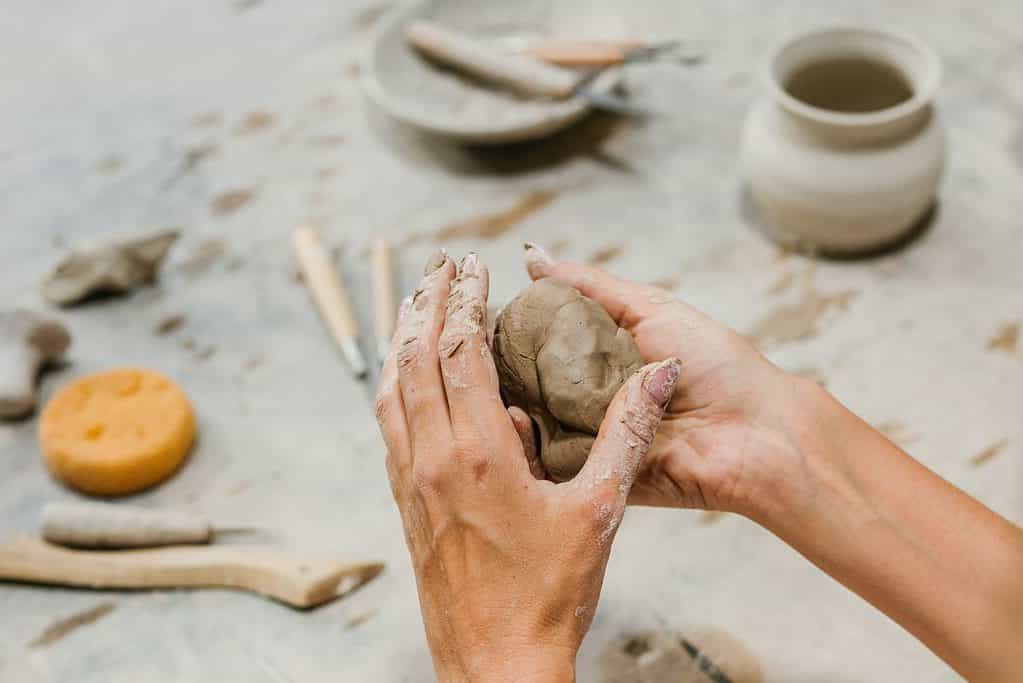
So, you’ve got a lump of air-dry clay, maybe it’s sitting innocently on your kitchen counter, or perhaps it’s calling to you from a craft store shelf. You’re picturing yourself making a cute little plant pot, a wonky little animal, or maybe even that cool trinket dish you saw on Pinterest. But then, a little thought pops into your head, a tiny whisper of doubt: “How long is this going to take to dry?” It’s a question that can feel as daunting as assembling IKEA furniture without the instructions, right?
Let’s be honest, we’re all busy. We’ve got Netflix to catch up on, maybe a sourdough starter to feed, or perhaps just the sheer Herculean effort of getting the kids to wear matching socks. The last thing we need is a crafting project that demands a monastic level of patience. So, you’re probably wondering, is this air-dry clay going to be ready in time for tea, or will it still be stubbornly gooey by next Tuesday?
Well, the simple, sometimes frustrating, answer is: it depends! Think of it like asking how long it takes for a cake to bake. It’s not a one-size-fits-all answer, is it? Factors like the thickness of your creation, the humidity in your house, and even the specific brand of clay all play a role.
Must Read
The Thickness Factor: A Tale of Two Clay Creations
Let’s imagine you’re making two things. On one hand, you’ve sculpted a delicate little fairy house, maybe just a few millimeters thick. On the other, you’re crafting a robust, chunky cookie jar lid that’s a good centimeter or more thick. That fairy house, with its thin walls, is going to dry out much faster. Think of it like drying a single piece of pasta versus a whole bundle. The single strand is going to be ready for your sauce in a jiffy, while the bundle will take a bit longer to get through.
So, for those really thin pieces, like tiny charms or delicate embellishments, you might be looking at as little as 24 hours for them to be mostly dry. They might feel dry to the touch, but there could still be a bit of internal moisture. It’s like when you wash your hair – it feels dry on the outside, but the deeper layers might still be a bit damp.

Now, for those chunkier creations? You’re looking at a longer haul. A piece that’s an inch thick, for example, could take several days, even up to a week or more, to dry completely. This is where that patience we talked about comes in handy. It’s a good thing we’ve got all those streaming services to keep us occupied, right?
Humidity: The Unseen Clay Dryer (or Saboteur!)
Have you ever noticed how clothes take ages to dry on a damp, rainy day, but they practically vanish on a hot, dry summer afternoon? Air-dry clay is much the same. If you live in a humid environment, or if it’s just a particularly muggy day, your clay will take longer to dry. The air is already saturated with moisture, so it’s not as eager to soak up the water from your clay.
Conversely, if you’re in a dry climate, or you’ve got the heating on full blast (and we’re not judging!), your clay will likely dry out faster. Think of a desert versus a rainforest. The desert air is parched, and it’ll readily absorb any moisture it can find. Your clay will be happy to oblige!
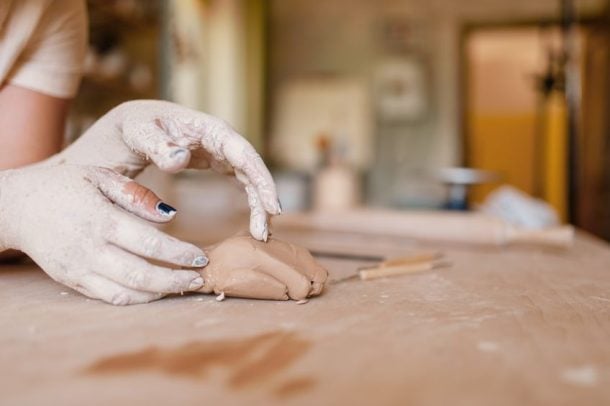
A good rule of thumb is to consider your environment. If it feels like you could wring moisture out of the air, give your clay a bit more time. If it feels like your skin is cracking, your clay is probably drying at lightning speed!
Brand Matters: The Secret Life of Clay Formulas
Just like different brands of bread have slightly different textures and baking times, different brands of air-dry clay can have varying drying times. Some are formulated to dry a little quicker, while others are designed for a slower, more controlled set. It’s a subtle difference, but it can contribute to how long you’ll be waiting.
Manufacturers usually provide some guidance on their packaging or website. It’s worth giving that a quick peek if you’re curious about a specific brand. It’s like reading the back of a cereal box – sometimes you find surprisingly useful information!
Why Should You Even Care About Drying Time?
Okay, so you’re thinking, “Why all the fuss about drying time? I’ll just leave it there and it’ll dry eventually.” Well, there are a few good reasons why understanding this process is your crafting superpower.
Firstly, proper drying prevents cracking and crumbling. If you try to paint or seal a piece that’s still too wet on the inside, you can end up with unsightly cracks. It’s like trying to wear a slightly damp sweater – it’s not a great look, and it’s not very sturdy. Letting it dry thoroughly ensures your beautiful creation remains intact.
Secondly, it affects how you can finish your piece. Once your clay is completely dry, it’s ready for all sorts of fun! You can paint it, varnish it, decoupage it, or even sand it smooth. If it’s still damp, trying to do any of these things can smudge paint, lift glue, and generally lead to a bit of a mess. Imagine trying to apply a perfect coat of nail polish to a nail that’s still a bit soft – it’s going to be a bumpy ride.

And perhaps most importantly, it helps you plan your projects. If you have a birthday coming up and you want to gift your handmade masterpiece, knowing the drying time is crucial. You don’t want to be frantically trying to finish and seal a still-damp project the night before. A little planning goes a long way, and it saves you from that last-minute crafting panic!
Tips for Speedy (and Safe!) Drying
While you can’t rush perfection, there are a few things you can do to encourage your air-dry clay to dry safely and a little more efficiently:
- Turn it regularly: If your piece is a 3D object, gently turn it every day or so. This allows air to circulate around all sides, promoting even drying. Think of it like flipping a pancake to make sure it cooks evenly on both sides.
- Avoid direct heat: While warmth helps, don’t try to speed things up by putting your clay in the oven or directly next to a radiator. This can cause it to dry too quickly on the outside, leading to those dreaded cracks. Natural, ambient air is best.
- Good ventilation is key: If possible, place your clay in an area with good air circulation. Opening a window (when it’s not too humid!) or using a small fan on a low setting can help.
- Don’t seal it too soon: As tempting as it might be to protect your creation, wait until it’s completely dry before applying sealants or paints. Trapped moisture can cause problems later on.
So, the next time you’re contemplating that lump of air-dry clay, take a deep breath. Embrace the process. A little patience, a little awareness of your surroundings, and you’ll be well on your way to creating something wonderful. And when it’s finally dry, painted, and admired, you’ll feel a satisfaction that’s even better than that first perfect bite of a freshly baked cake!

