How Long Does A Sea Star Live

Hey there, fellow ocean admirers! Ever spotted one of those amazing, multi-armed beauties clinging to a rock and wondered, "How long does a sea star actually live?" It's a question that pops into mind, right? They look so ancient and wise, like little underwater wizards. And honestly, the answer isn't as straightforward as you might think. It's a bit of a fascinating puzzle, really!
When we think about lifespans, we often jump to things like how long a dog lives or maybe even how long a redwood tree stands tall. But the ocean is a whole other ballgame, and sea stars, or starfish as some still call them (though "sea star" is the more accurate term these days, as they aren't fish at all!), have their own unique rhythm.
So, How Long Do They Live?
Okay, let's dive in. The general ballpark for a sea star's lifespan is pretty impressive, but it also varies a lot. We're talking anywhere from a few years to a whopping 30 or even more years for some of the bigger, more robust species. That’s like… a whole human childhood and then some!
Must Read
Think about it. A tiny sea star larva, just a speck drifting in the currents, could potentially grow into a creature that sees decades pass beneath the waves. Pretty mind-blowing, isn't it?
It Depends on More Than Just Their Genes
Now, here's where it gets interesting. It's not like all sea stars of the same species are going to hit a predetermined age. A whole bunch of things can influence how long these echinoderms (that's their scientific party name!) get to explore the ocean floor.
One of the biggest players? The environment. Imagine trying to live your life if your home was constantly changing, with predators lurking and food being scarce. That's a reality for sea stars. A calm, stable environment with plenty of tasty snacks (like mussels and clams) and not too many hungry mouths wanting to eat them? That's like a five-star all-inclusive resort for a sea star!

And then there are the species differences. Just like a chihuahua and a Great Dane have vastly different lifespans, so do different kinds of sea stars. The common Ochre Sea Star, which you might see along the Pacific coast, can live for a good 10 to 14 years. That's longer than many pet cats!
But then you have giants like the Sunflower Sea Star. These magnificent creatures, with up to 24 arms and sometimes spanning a meter wide, can potentially live for over 30 years. Thirty years! That’s practically a wise old sage of the sea, watching generations of fish swim by.
What Influences Their Long Life?
So, what makes some sea stars live so much longer than others? It’s a combination of factors, really. Let’s break it down:

Food, Glorious Food!
Sea stars are generally predators, and their diet plays a huge role. If they have a consistent and plentiful supply of their favorite meals – think mollusks, barnacles, and even other invertebrates – they can grow strong, reproduce successfully, and avoid the debilitating effects of starvation. It’s like us, right? Eating well helps us live longer and healthier lives.
Some sea stars are incredibly patient hunters. They can pry open shells with their powerful tube feet and digest their prey externally with their stomach, which they can actually push out of their mouth! Talk about dedication to a meal! A well-fed sea star is a happy, and likely a longer-living, sea star.
The Dreaded Predators (and Diseases!)
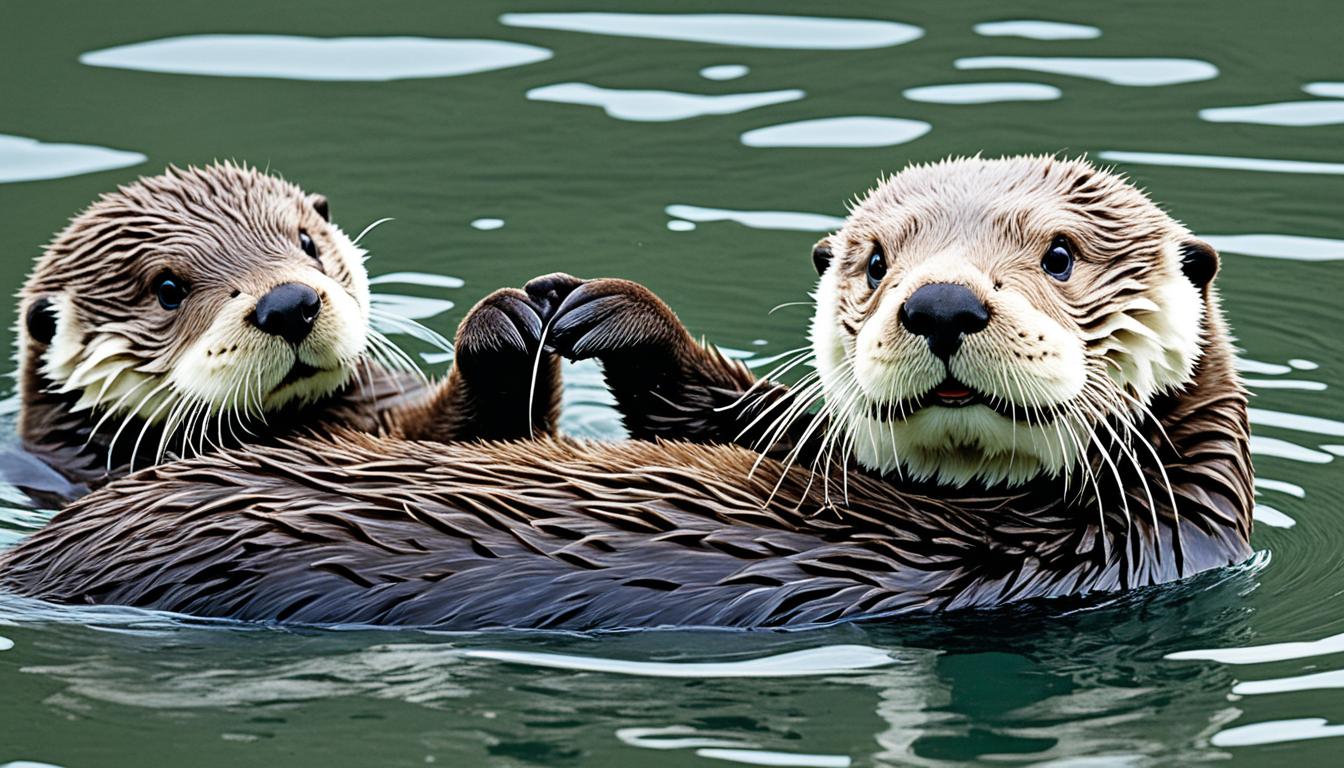
Unfortunately, life in the ocean isn't always a buffet. Sea stars themselves are prey for other animals. Certain fish, sea otters, and even larger sea stars can see them as a tasty treat. If a sea star is constantly having to escape or defend itself, that takes a toll. It's like living in a neighborhood where you always have to be on guard – exhausting!
And then there are diseases. Just like us, sea stars can get sick. There was a devastating disease called Sea Star Wasting Syndrome that swept through populations a few years back, wiping out millions. This is a stark reminder that even the most resilient creatures are vulnerable to nature’s curveballs.

Habitat Matters, Big Time
Where a sea star calls home is super important. Do they live in a protected kelp forest, offering them shelter and hiding spots? Or are they exposed on an open rocky shore, facing harsh waves and predators? A stable, protected habitat means less stress and more opportunities to thrive. Imagine trying to build a long, happy life if your house was constantly being hit by hurricanes!
The health of the ecosystem also plays a role. Clean water, a balanced food web, and healthy coral reefs or rocky subtidal zones all contribute to a sea star’s ability to reach its full potential lifespan.
The Marvel of Regeneration
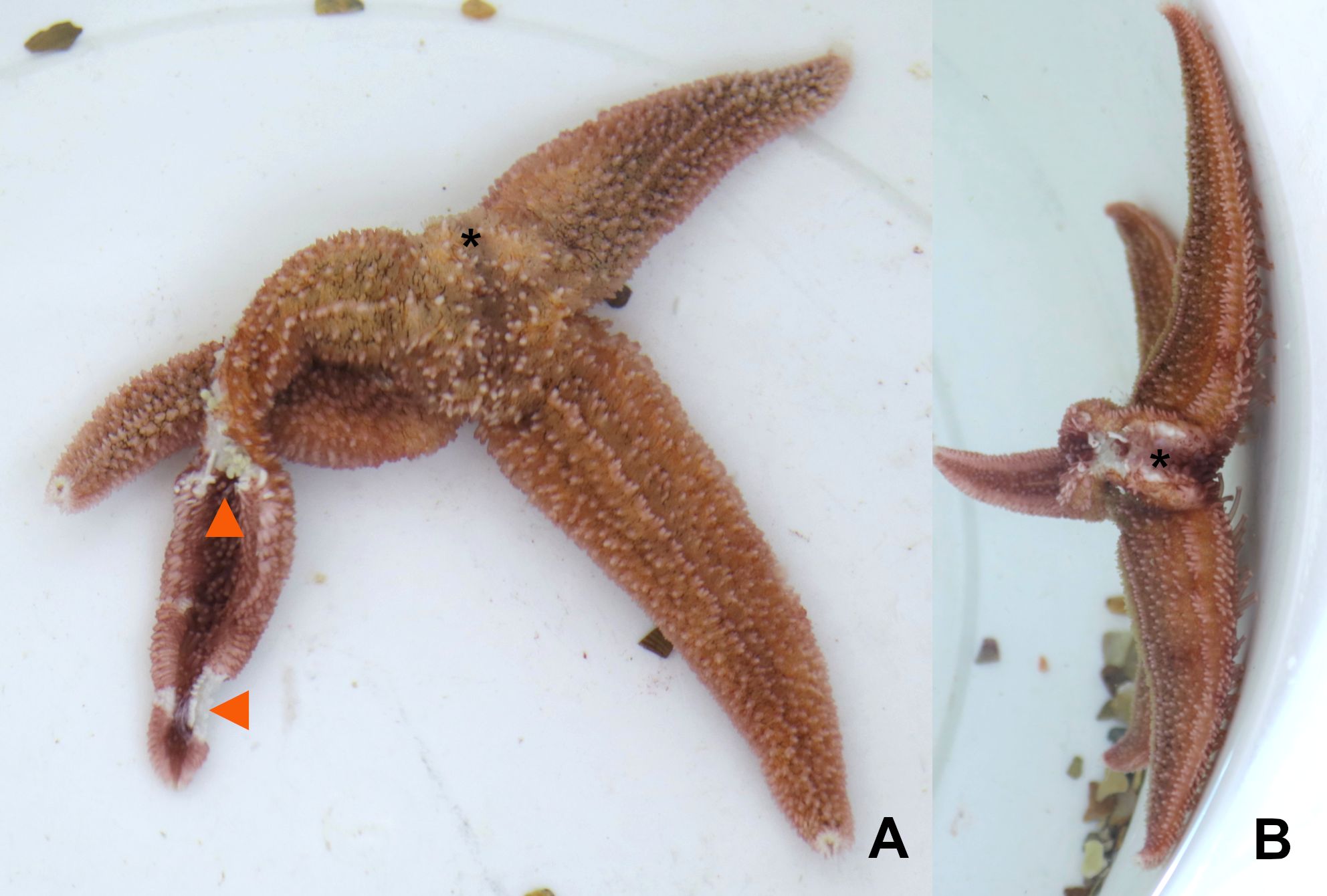
Here’s a really cool survival trick sea stars have: regeneration! If a sea star loses an arm, many species can actually grow it back. Isn't that amazing? For some, if they lose a significant portion of their body, they can even regenerate an entirely new sea star from that one lost arm (provided a part of the central disk is attached!).
This ability to bounce back from injury is a huge advantage. It means that a close call with a predator or a nasty accident doesn't have to be the end of their story. It significantly increases their chances of surviving to live a longer life, which is pretty darn awesome if you ask me.
Why is this So Fascinating?
Honestly, the variability in sea star lifespans is what makes them so intriguing. It's not a simple number. It's a story of adaptation, resilience, and the complex web of life in our oceans. They are living examples of how environmental factors, predator-prey relationships, and sheer biological adaptability shape the duration of an organism's existence.
When you look at a sea star now, don't just see a pretty decoration. See a survivor. See a creature that, with a bit of luck and the right conditions, could be slowly navigating the ocean floor for decades, a silent witness to the ever-changing underwater world. They remind us that life's journey isn't always about speed, but about enduring, adapting, and finding your place in the grand, watery tapestry.
So next time you see a sea star, give a little nod of respect. You’re looking at a creature that, in its own slow, deliberate way, might just be an old soul, a seasoned veteran of the sea, with a life story far longer and more complex than we often imagine. Pretty neat, huh?