How Long Does A Bees Nest Last
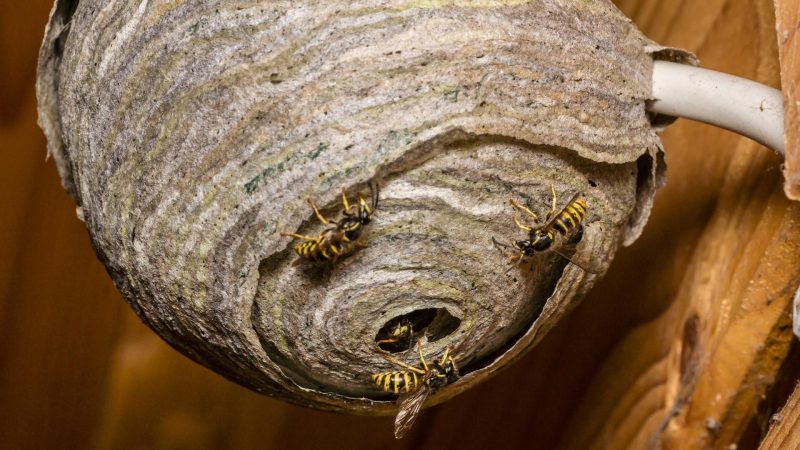
Ah, bees! Those industrious little buzzing dynamos that fill our gardens with life and our honey jars with liquid gold. There's something inherently fascinating about them, isn't there? Whether you're a seasoned gardener who cherishes their pollination prowess, a backyard beekeeper tending to your own buzzing metropolis, or just someone who enjoys the sweet reward of a good honey drizzle on toast, bees play a vital role in our ecosystem and our lives.
One of the most captivating aspects of these tiny architects is their incredible ability to construct complex and functional homes. But, like most things in nature, a bee's nest doesn't last forever. So, the burning question on many minds, from curious homeowners to aspiring apiarists, is: how long does a bee's nest really last? The answer, as with many things in the natural world, is a bit nuanced and depends heavily on the type of bee and their life cycle.
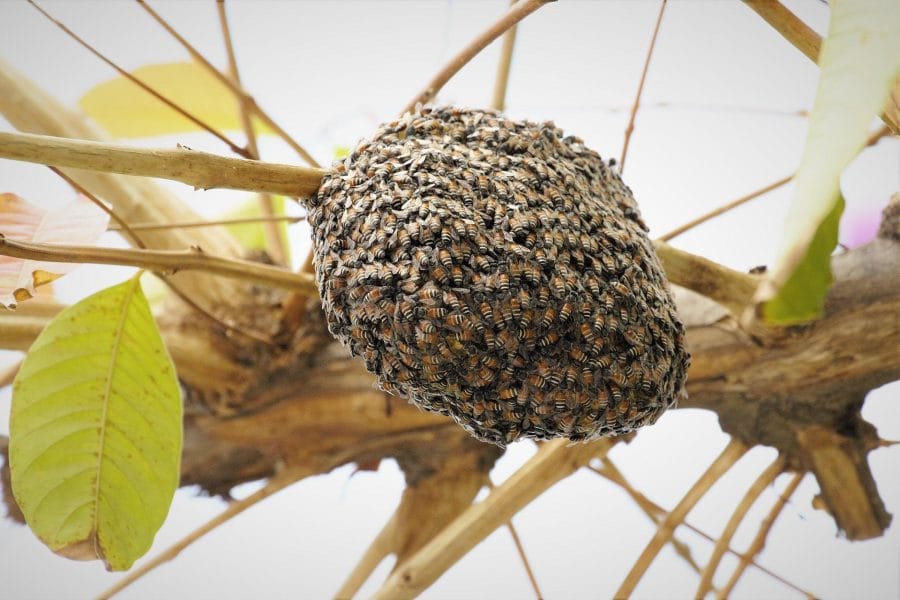
Let's break it down. For the most part, when we talk about "bee nests" in the context of longevity, we're often thinking about the colonies of social bees, like honeybees and bumblebees. These are the busy bodies that live and work together. In the case of honeybees, a single colony can, under the right conditions, thrive for many years, even decades! This is because they are perennial, meaning the colony continues to exist and grow year after year. The queen bee, the heart of the operation, can live for several years, and the worker bees, though short-lived, are constantly replaced, ensuring the colony's survival. They meticulously build and maintain their comb, a testament to their enduring teamwork. Think of it as a well-established city that just keeps getting rebuilt and expanded!
Must Read
Bumblebees, on the other hand, have a more seasonal life cycle. A bumblebee nest, while a marvel of natural engineering, is typically an annual affair. The old queen usually dies off in the late autumn or winter, and only a few fertilized young queens survive to hibernate and start new colonies the following spring. So, while the nest itself might be abandoned after a single season, the legacy of that colony continues through the new queens.
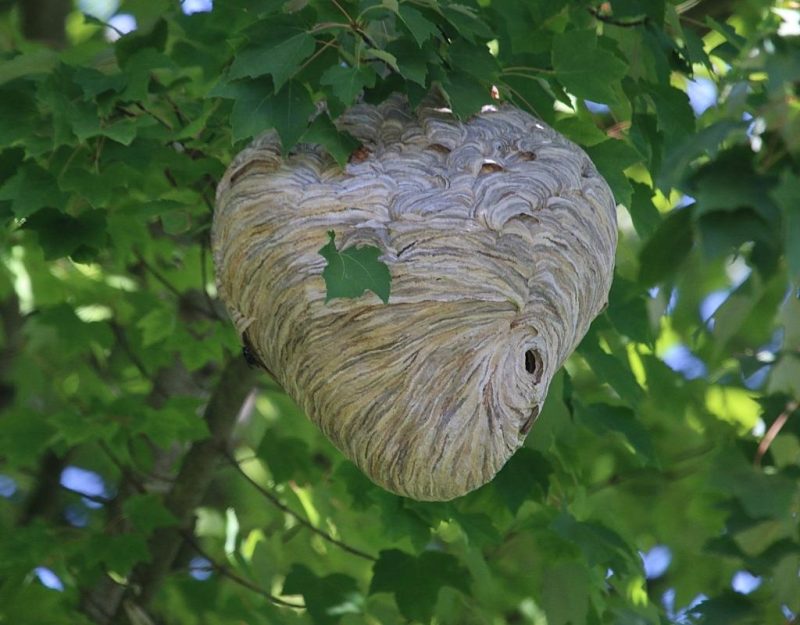
Then there are the solitary bees, which, despite being less commonly thought of as "nest builders" in the same way, are incredibly important pollinators. These bees don't live in large colonies. Instead, each female bee builds and provisions her own nest, often in tunnels in the ground, hollow stems, or cavities in wood. The lifespan of a solitary bee's nest is, therefore, directly tied to the lifespan of that individual bee. Once she has laid her eggs and sealed her nest, her work is done, and she will likely perish soon after. The nest itself, containing the developing eggs and larvae, will remain until the new generation emerges, typically the following spring or summer. So, in essence, a solitary bee nest is a contained life cycle, a temporary but crucial reproductive chamber.
Understanding this cyclical nature can actually enhance our appreciation and interaction with bees. If you're a gardener, providing diverse habitats like native plants, undisturbed soil, and bee hotels can support a healthy population of both social and solitary bees, ensuring their continued presence and the benefits they bring to your garden. For those interested in honeybees, remember that a thriving hive is a testament to consistent care and a harmonious environment. So, the next time you see a bee buzzing by, take a moment to appreciate the intricate, and often temporary, world of their nests!