How Long Do Real Christmas Trees Last
Hey there, fellow Christmas tree enthusiasts! So, you've braved the frosty air, wrestled with a few contenders (let's be honest, sometimes they fight back!), and now you have a beautiful, real Christmas tree gracing your living room. Isn't it just the best? That scent of pine, the rustic charm, the undeniable holiday magic it brings. But as you're busy untangling those lights and deciding where to hang that prized heirloom ornament, a little question might pop into your head: "So, how long is this gorgeous fella actually going to stick around?"
It's a totally valid question, right? Nobody wants their festive fir to turn into a crunchy, brown disappointment before the carols have even faded. Think of it like this: you wouldn't want your favorite holiday cookies to go stale before Santa even arrives, would you? So, let's dive into the nitty-gritty of real Christmas tree longevity, but don't worry, we'll keep it as fun and easy as a gingerbread cookie decorating session!
The Grand Unveiling: When Do You Get Your Tree?
First things first, the clock starts ticking (or maybe scenting?) from the moment you bring your tree home. The earlier you get it, the sooner its natural lifespan begins. Most folks tend to nab their trees anywhere from Thanksgiving weekend to the first couple of weeks in December. If you're an early bird and have yours up by, say, November 25th, you're looking at a different timeline than someone who snags theirs on December 20th.
Must Read
And let's not forget the type of tree you choose. It's like picking out your favorite holiday candy; some are just built to last a little longer than others. We'll get to those glorious evergreens in a moment, but for now, just know that your selection plays a role.
So, How Long Does a Real Christmas Tree Actually Last?
Okay, drumroll please... For a well-cared-for, freshly cut real Christmas tree, you can generally expect it to last anywhere from four to six weeks. That’s a pretty decent run, right? Enough time to enjoy all the twinkling lights, festive gatherings, and maybe even a few too many cups of hot chocolate. Think of it as a generous guest who knows when to overstay their welcome slightly, but not too much.
Now, this is a range, of course. Some might be absolute champions and look fantastic for the full six weeks, while others might start showing a tiny bit of wear around the four-week mark. It’s not a race, and it’s not a competition, but it’s good to have a general idea.
Factors That Make Your Tree a Star (or a Fade-Out)
So, what makes one tree a long-lasting legend and another… well, less so? It’s not magic, though sometimes it feels like it when you see a perfectly perky pine! Here are the big players:

1. Freshness is King (or Queen!)
This is probably the most crucial factor. How fresh was your tree when you bought it? Trees that are cut recently and handled properly will have a much better chance of staying vibrant. Think about it – if a tree has been sitting around for ages, exposed to the elements, it’s already on a bit of a downhill slide. That’s why buying from a reputable tree farm or lot where they harvest regularly is key. You want a tree that smells like it just left the forest, not one that’s been reminiscing about it for weeks.
Pro Tip: When you're at the tree lot, do the "needle test"! Gently run your hand along a branch. If needles fall off easily, it’s probably not as fresh as you'd like. A good, fresh tree will only shed a few stubborn needles.
2. The All-Important Water Diet
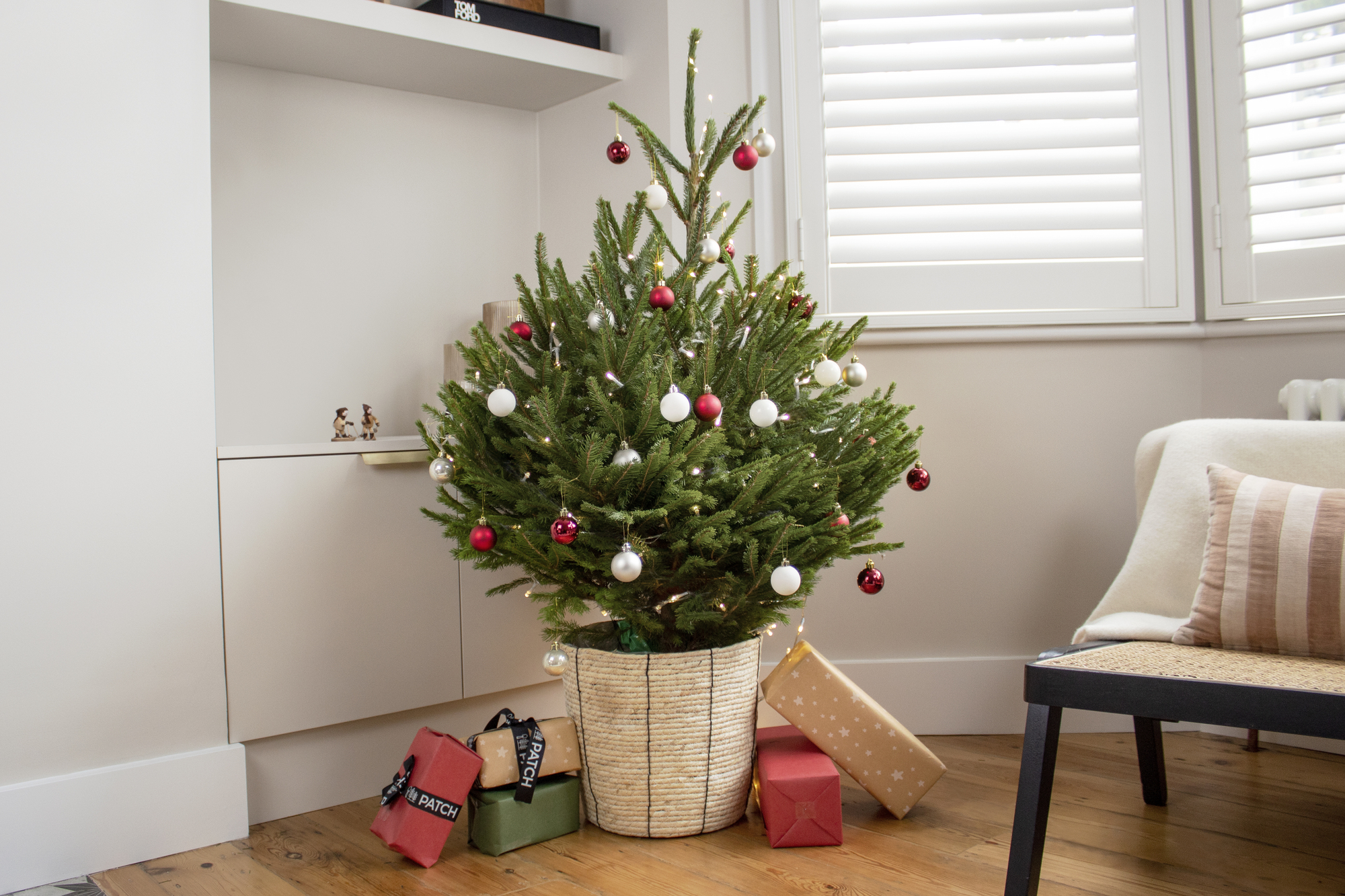
This is where you become the tree's personal spa attendant. Just like you need your morning coffee (or tea, no judgment here!), your Christmas tree needs water. And not just a polite sip. It needs to be thirsty! When you first get your tree home, make a fresh cut across the bottom of the trunk (about an inch or so). This opens up the "veins" so it can drink. Then, pop it into a sturdy tree stand and fill it with water. Immediately.
And don't forget to keep checking! Real Christmas trees can be surprisingly thirsty, especially in the first few days. They can drink several quarts of water a day. If the water level drops below the bottom of the trunk, the trunk will start to seal itself up, making it harder for the tree to absorb water. It's like forgetting to refill your own water bottle – not ideal!

Joke Alert: If your tree could talk, it would probably be saying, "More water, please! My branches are starting to feel like parched desert landscapes!"
3. The Temperature Tango
Where you set up your tree matters! Keeping your tree away from direct heat sources like radiators, fireplaces, and even direct sunlight from sunny windows can make a huge difference. Heat causes trees to dry out faster, making those needles brittle. So, while it might be tempting to put that stunning tree right in front of the crackling fireplace for maximum ambiance, your tree might thank you for a slightly cooler, more central spot.
Think of it like keeping your favorite sweater away from the dryer's hottest setting. You want to preserve its lovely texture, and so does your tree!
4. Humidity Levels: The Unsung Hero
Dry air is the enemy of a fresh tree. If you live in a particularly dry climate, or your heating system really blasts the dry air, consider using a humidifier near your tree. It might sound a bit extra, but your tree will appreciate the extra moisture. It’s like giving your tree a mini-spa treatment!

5. The Tree Type: Nature's Own Longevity Chart
As promised, let's talk about the different kinds of trees. Some are just naturally more robust than others. Here's a little rundown:
The Long-Lasting Legends:
- Fraser Fir: These guys are often considered the rock stars of Christmas trees. They have excellent needle retention, a pleasant fragrance, and a lovely conical shape. They tend to be very thirsty, so keep that water coming!
- Balsam Fir: Another classic choice, Balsam Firs boast a wonderful, strong pine scent and good needle retention. They’re a favorite for a reason!
- Douglas Fir: These popular trees have soft needles and a beautiful aroma. They generally hold their needles well, especially when kept watered.
The Pretty, But Maybe Not Forever Friends:
- Noble Fir: While stunning with its upright branches and classic look, Noble Firs can sometimes be a bit more prone to dropping needles if not kept perfectly hydrated. They're beautiful, but might require a little extra TLC.
- Scotch Pine: These are hardy trees with excellent needle retention. The needles are a bit stiffer, and the scent is pleasant. They are a great choice for longevity.
- White Pine: These have soft, flexible needles and a subtle scent. They don't shed needles as much as some other varieties, making them a good long-term option.
It’s worth noting that these are generalizations, and individual tree health can vary. Even within a species, one tree might be a champion while another is just… okay.
When is it Time to Say Goodbye?
So, how do you know when your tree has truly given its all? Besides the obvious browning and shedding, here are some signs:
- Excessive Needle Drop: If you're vacuuming needles more often than you’re singing carols, it might be a sign.
- Brittle Branches: When branches snap rather than bend, your tree is definitely losing its moisture and vitality.
- Lack of Fragrance: That wonderful Christmas tree smell might start to fade, leaving you with just the visual.
Don't panic if you see a few needles on the floor – that’s totally normal! It’s when it looks like a pinecone exploded that you know it’s time for the grand exit.
:upscale()/2020/11/04/942/n/1922794/tmp_kB74SO_a29da93e568a067b_eugenivy_reserv-qwrSnnJDk30-unsplash.jpg)
The Festive Farewell: Recycling Your Tree
Once your tree has served its purpose and its reign as the centerpiece of your holiday decor comes to an end, don't just toss it in the trash! Many communities have wonderful Christmas tree recycling programs. They'll often chip them up for mulch, which is a fantastic way to give your tree a second life in gardens and parks. It’s a beautiful, eco-friendly way to say goodbye.
Some places even turn them into habitats for wildlife or use them for erosion control. How cool is that? Your tree’s holiday mission continues!
Embrace the Moment!
Ultimately, the exact number of weeks your real Christmas tree lasts is a bit of a movable feast. It's a blend of nature's resilience, your diligent care, and a touch of holiday luck. But here's the most important part: don't stress about the exact timeline. Instead, focus on the joy it brings while it's here.
That beautiful, fragrant tree is more than just decoration; it’s a symbol of togetherness, warmth, and the magic of the season. So, water it generously, admire its festive flair, and let it fill your home with that unmistakable holiday spirit. Because when it comes down to it, those cherished memories made under its twinkling branches are what truly last a lifetime. Merry Christmas, and may your tree stay wonderfully vibrant throughout this magical season!