How Long Can Dogs Be Left Alone
Ah, our furry best friends! The wagging tails, the sloppy kisses, the uncanny ability to know exactly when you need a cuddle. They're family, plain and simple. But sometimes, life happens, and we have to leave them behind, even for a little while. The big question on every dog parent's mind is: how long is too long? Let's dive in and figure out how to keep our pups happy and healthy when we're out and about!
Think of your dog like a tiny, adorable, four-legged toddler. Would you leave a human toddler alone for a whole workday? Probably not. Dogs, bless their fluffy hearts, are social creatures who thrive on companionship. They don't have the same understanding of time as we do. For them, a few hours can feel like an eternity of utter abandonment, especially if they're not used to it.
So, what's the magic number? Well, there isn't a single, one-size-fits-all answer. It's like asking how long a cookie stays fresh – it depends on the cookie! Factors like your dog's age, breed, personality, and training all play a huge role.
Must Read
Let's start with the little ones, the adorable bundles of chaos we call puppies. These energetic pups are still learning the ropes of the world. They have tiny bladders that need frequent emptying, and their attention spans are, shall we say, brief. Leaving a puppy for more than a couple of hours is like asking them to hold their breath for an entire football game. It's just not fair!
For very young puppies, think 8-10 weeks old, you're looking at a maximum of 1-2 hours. Seriously, it's a rescue mission waiting to happen if you push it. Their little bodies and minds just can't handle extended solitude. You'll be met with accidents, chewed-up shoes (which, let's be honest, are probably your fault for leaving them out!), and a symphony of whines that could break even the sternest heart.
As they grow a bit, say to 10-12 weeks, you might stretch it to 2-3 hours. This is a crucial time for housetraining and building trust. Every moment you're not there is a missed opportunity for positive reinforcement and bonding. Plus, they're still mastering the whole "not peeing inside" thing, which, believe me, is a monumental task for a tiny fluffball.

Moving on to adolescent puppies, around 4-6 months, they can generally hold it a bit longer. You might be able to push it to 3-4 hours. However, this is also the age where boredom can set in, and bored puppies can become destructive puppies. Think of them as tiny, furry demolition experts who just discovered YouTube tutorials on how to dismantle your furniture.
Now, let's talk about our adult dogs. These are the seasoned pros, the veterans of solo living. An adult dog, with proper training and a full bladder, can typically manage for 4-6 hours without major issues. This is often the sweet spot for a standard workday. They've learned to settle down, and their bodies are more developed.
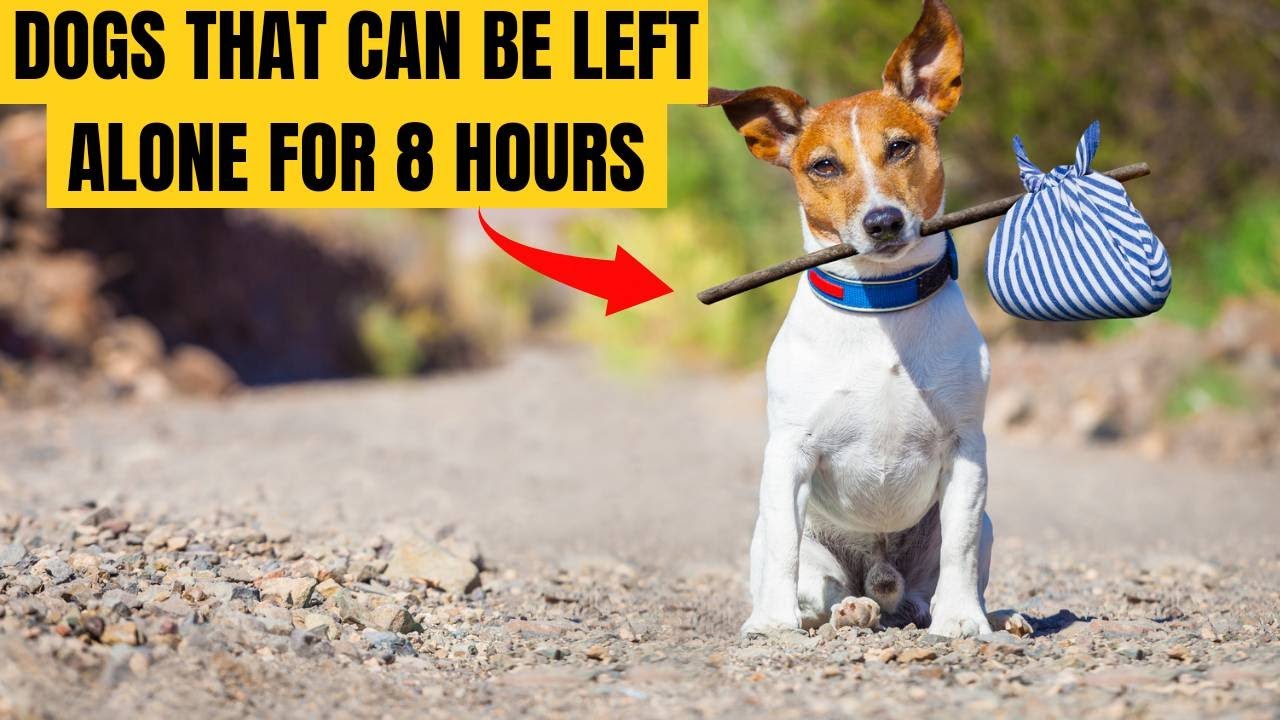
However, even a well-trained adult dog isn't a robot. 8 hours is pushing it, folks. Imagine being stuck in a meeting for 8 hours straight with no bathroom breaks and no snacks. It's not fun! Your dog might be able to survive it, but are they truly thriving? Probably not.

Beyond 8 hours? You're entering dangerous territory. Your dog might start to experience genuine separation anxiety, which can manifest in destructive behavior, excessive barking, and even house soiling. It's their way of saying, "HELLO?! WHERE DID EVERYONE GO?! I AM LONELY AND POSSIBLY BEING EATEN BY A VERY SLOW DUST BUNNY!"
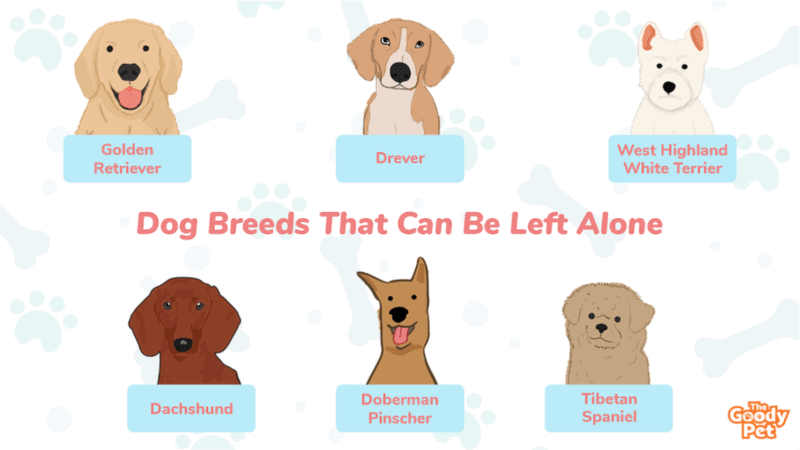
Some breeds are just built for a little more independence. Think of dogs like the Chihuahua or the Dachshund. They might be happy to lounge around for a few hours, content with their own company and a good chew toy. They're the sophisticated loungers of the dog world, perfectly happy with a good nap and a quiet afternoon.
On the flip side, you have the super-social butterflies, like the Golden Retriever or the Labrador Retriever. These dogs are pack animals through and through. They crave interaction and can get pretty antsy if left alone for too long. They're the life of the party and tend to get a bit mopey when the party leaves without them.
Then there's the personality factor. Some dogs are naturally more independent and content with their own thoughts. Others are velcro dogs, glued to your hip and convinced the world will end the moment you step out the door. You know your dog best! If yours is the latter, you'll need to be extra mindful of their alone time.
What about the senior pups? Our golden oldies deserve a little extra consideration. As dogs age, their bladder control can decrease, and they may have medical conditions that require more frequent attention. Leaving a senior dog for extended periods can be uncomfortable and even stressful for them. A cozy bed and a quiet house are great, but so is a familiar presence and a gentle pat.
So, how can you make alone time more bearable for your canine companion? The answer is preparation and enrichment! Before you leave, make sure your dog has had plenty of exercise. A tired dog is a happy, sleepy dog. Think of it as a pre-bedtime story, but with more fetch and less lullabies.

Provide them with engaging toys that dispense treats or puzzles. These are like little brain teasers that can keep them occupied for a good while. A KONG filled with peanut butter? That's a five-star buffet for your dog and a guaranteed distraction!
Consider a dog walker or a doggy daycare if you're going to be gone for an extended period. These are like social clubs for your dog, where they can play with other pups and burn off some energy. They'll come home tired and happy, ready for a good snooze while you're still stuck in the office.
Never, ever punish your dog for accidents or destructive behavior that happens when they're alone. They don't understand that they did anything wrong. Instead, focus on positive reinforcement when you're home and work on increasing their comfort level with being alone gradually. Think of it as training for their independence, not a test of their guilt.
Leaving your dog for a short period shouldn't be a source of guilt or anxiety. It's a part of modern life. But by understanding their needs and being mindful of their limits, you can ensure that your furry friend is safe, happy, and well-adjusted, even when you can't be there to give them that extra belly rub. So go forth, have your adventures, and know that with a little planning, your dog will be waiting for you with a wagging tail and a heart full of love!