How Long Can A Horse Run For
I remember the first time I saw a proper endurance race. It was some grainy footage on an old VHS tape my uncle unearthed from his attic. The riders looked utterly spent, their faces grim and determined, while their horses, these magnificent creatures, were… well, they were still moving. Not exactly sprinting, but putting one hoof in front of the other, mile after grueling mile. My young mind was blown. I'd always thought of horses as these powerful sprinters, like in the movies, kicking up dust and galloping for a few minutes before needing a good rest. But this? This was different. This was a marathon, but for horses.
It got me thinking, you know? How long can a horse actually run for? Is there a limit? Are they like us, where after a certain point, it's just sheer willpower and maybe a desperate plea to whatever equine deities are listening? Or is there something more fundamental at play? This whole video sparked a curiosity that has, shall we say, lingered.
So, let's dive into the world of equine stamina. Forget the Kentucky Derby for a second. We're not talking about a quick burst of explosive power here. We're talking about the long haul. The kind of running that makes you feel tired just thinking about it. We're talking about the kind of effort that separates the casual pony ride from a true test of a horse's physical and mental fortitude.
Must Read
The Marathon of the Equine World
When we ask "how long can a horse run for," it's not really a simple, single answer. It's a bit like asking "how fast can a human run?" Well, it depends on the human, right? Are we talking about an Olympic sprinter, a casual jogger, or someone who hasn't seen the inside of a gym since disco died? Horses are no different. Their ability to sustain effort is a complex cocktail of genetics, training, nutrition, and even their mental state.
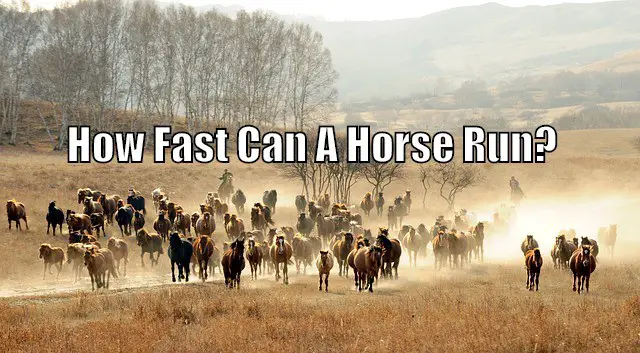
But generally speaking, when we talk about "running" in the sustained sense for horses, we're usually referring to disciplines like endurance riding. And these events can be, get this, hundreds of miles long. Yeah, you read that right. Not a few laps around a track, but a multi-day journey across varied terrain. It's mind-boggling, isn't it? It makes those 26.2 miles of a human marathon feel like a brisk walk in the park. (No offense to marathon runners, you're still legends in my book!).
Think about it. The iconic Tevis Cup, for example, is a 100-mile endurance ride that takes place in a single day. A single, incredibly long, dusty, mountainous day. Horses competing in these events are not just running; they're pacing themselves, managing their energy, and relying on their riders to understand their needs. It's a partnership, a true collaboration of brawn and brains.
What's the Upper Limit, Then?
So, can a horse run for days on end without stopping? Not exactly. No animal can. But they can cover truly astonishing distances over extended periods. Some of the longest competitive rides, like the Mongol Derby (which is inspired by the ancient postal relay system), can span over 1,000 miles and take about two weeks to complete. Two weeks! Imagine doing that on foot. I'd be crying uncle after the first day, probably complaining about my blisters.
These races are designed to be challenging, testing both horse and rider's endurance, horsemanship, and ability to adapt. Horses in these events are not pushed to their absolute physical breaking point continuously. Instead, they're managed meticulously. They get rest stops, veterinary checks, and opportunities to eat and drink. The goal isn't just to finish; it's to finish with a horse that is still sound and relatively healthy. This is where the "care" aspect of equestrianism really shines.
It's not a free-for-all where riders are expected to just flog their horses until they drop. Far from it. Veterinary gate checks are a crucial part of these events. These vets are looking for any signs of lameness, dehydration, or excessive fatigue. If a horse isn't up to par, they're pulled from the competition. This ensures the welfare of the animal is paramount. It's a pretty serious business, and rightly so.
The Science Behind the Stamina
Now, let's get a little technical, but not too technical, okay? We don't want to bore ourselves into a coma. What makes a horse so good at going the distance? It’s a combination of physiological factors:
- Cardiovascular System: Horses have incredibly efficient hearts and lungs. Their large lung capacity and strong hearts allow them to take in and circulate oxygen rapidly, fueling their muscles for prolonged periods. Think of them as nature's little engines, built for sustained output.
- Muscle Efficiency: Equine muscles are designed for both power and endurance. They have a high proportion of slow-twitch muscle fibers, which are great for sustained aerobic activity. These are the muscles that don't tire out as quickly as the fast-twitch fibers that sprinters use.
- Energy Metabolism: Horses are herbivores, and their digestive system is optimized to break down fibrous plant material. This allows them to efficiently convert forage into energy, which is crucial for long-duration activities. They're like perfectly engineered grazing machines.
- Thermoregulation: Sweating is how horses cool down. They have a remarkable ability to sweat efficiently, which helps them regulate their body temperature during strenuous exercise, even in hot conditions. Although, extreme heat can still be a major challenge.
- Bone and Ligament Strength: Their skeletal structure and connective tissues are robust enough to withstand the repetitive impact of running over long distances. This isn't just about muscle; it's about the entire framework being up to the task.
It's quite an evolutionary package, isn't it? All these bits and pieces working in harmony to allow them to cover serious ground. It’s not just about having a big engine; it’s about having a perfectly tuned system.
The Role of Training and Genetics
But even with all this natural talent, a horse isn't just born an endurance champion. Training is absolutely paramount. A horse that has been conditioned for long distances will perform vastly better than one that hasn't. This involves gradual increases in mileage, varied terrain, and building up their stamina and strength over time. It’s a slow and steady process, much like training for a human marathon.
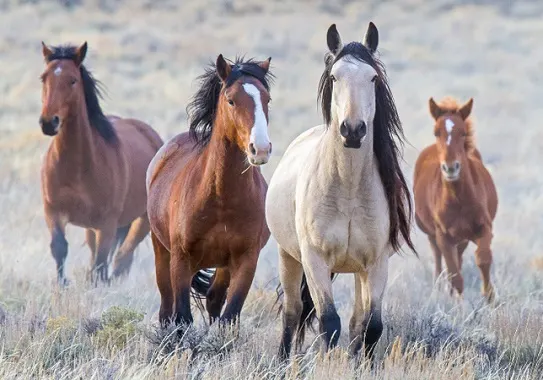
And then there are genetics. Certain breeds are naturally predisposed to endurance. Think of the Arabian horse, for instance. They are renowned for their stamina, athleticism, and ability to thrive in arid conditions. These horses have been selectively bred for centuries for these very traits. It's like some breeds are just born with a little extra spark plug for the long haul.
Other breeds, like Quarter Horses, are bred for speed over short distances (hence the name!). While a Quarter Horse can certainly run for a reasonable time, they wouldn’t typically be the first choice for a 100-mile endurance race. It’s all about matching the horse’s natural aptitudes with the demands of the sport. You wouldn't ask a marathon runner to win the 100-meter dash, and you wouldn't ask a sprinter to win the marathon, right? Same principle.
Factors Affecting Endurance
Even with the best training and genetics, several factors can influence how long a horse can run:
- Terrain: Running on flat, soft ground is far less taxing than tackling rocky, uphill, or sandy terrain. Steep climbs and descents, in particular, require more energy and put greater strain on the horse's legs. Imagine the difference between a smooth treadmill and a rocky hiking trail – the horse experiences something similar.
- Pace: This is the big one, isn't it? A horse can trot for a very, very long time. They can canter for a considerable distance. But a full-out gallop? That's a burst of energy that can't be sustained for hours. Endurance riders are masters of pacing, finding that sweet spot that keeps them moving efficiently without burning out.
- Weather Conditions: Extreme heat and humidity are major challenges for any athletic animal. Horses can overheat, become dehydrated, and their performance will suffer dramatically. Conversely, extreme cold can also be taxing.
- Nutrition and Hydration: A well-fed and hydrated horse is a horse with the fuel to go. Proper nutrition provides the energy, and adequate hydration is essential for cooling and overall bodily function. It’s like us needing to refuel on our long hikes!
- Horse's Condition and Well-being: A horse that is sick, injured, or simply having a "bad day" will not be able to perform at its peak. Their overall health and mental state play a huge role. A happy horse is a horse that’s more likely to give its all.
- Rider Skill: This is often overlooked. A skilled rider knows how to manage their horse’s energy, provide cues that conserve effort, and recognize signs of fatigue. A good rider is a true partner in endurance.
So, it’s not just about the horse. It’s about the entire package: the horse, the rider, the environment, and the preparation. It’s a truly multi-faceted equation.
What About Uninterrupted Running?
Let's be clear: a horse isn't going to gallop non-stop for 100 miles. That's physically impossible and incredibly damaging. In endurance events, the "running" is a combination of gaits: a brisk trot, a controlled canter, and sometimes a walk for recovery or navigation of difficult sections. The pace is managed so the horse can continue to function efficiently.
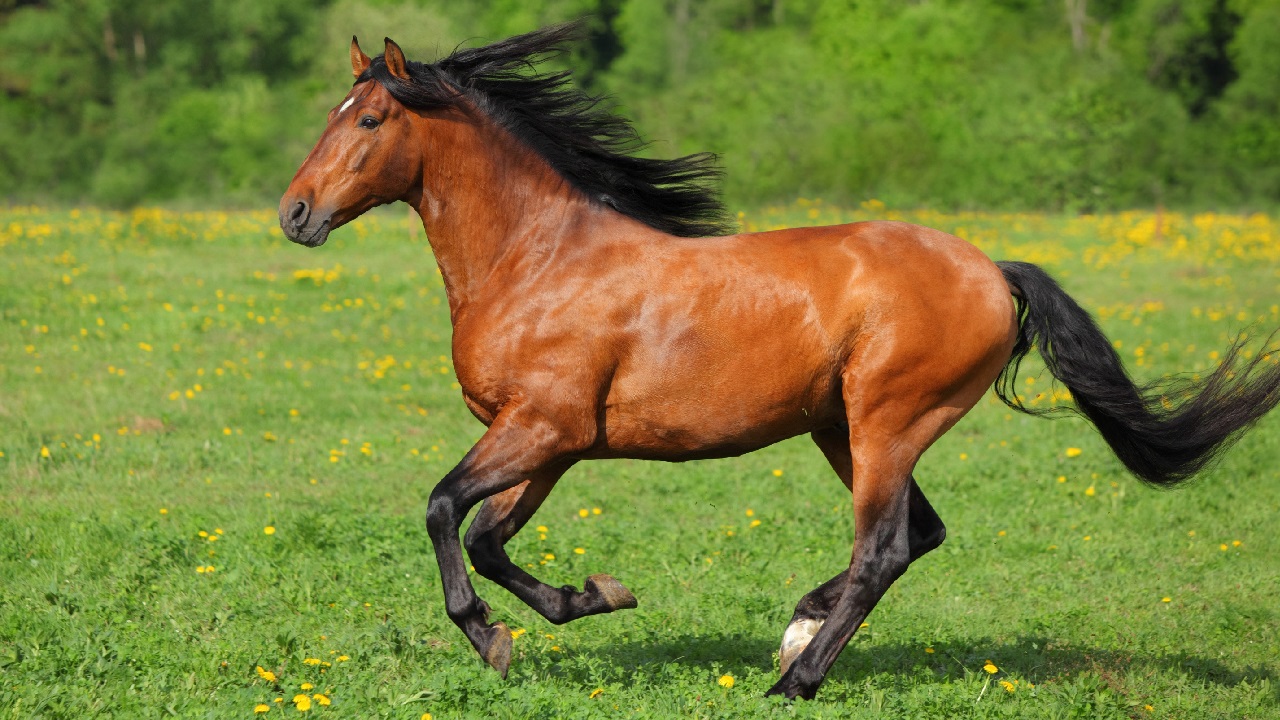
The average trot can be maintained for many hours. A canter is more taxing and would be used for shorter bursts or over more forgiving terrain. Think of it as a well-paced marathon runner versus a sprinter. The marathon runner has a sustained pace, while the sprinter is all about explosive power for a short duration. The endurance horse is a master of the sustained pace.
The real magic of endurance riding is the partnership and the understanding of how to manage that equine engine for the long haul. It's about listening to what the horse is telling you and responding accordingly. It's a testament to the incredible capabilities of these animals when they are properly understood and cared for.
Beyond the Competition: Wild Horses and Natural Endurance
What about horses in the wild? Do they "run" for long periods? In a sense, yes. Wild horses travel vast distances every day in search of food, water, and safety. They don't gallop continuously, of course, but they cover miles by moving at a steady walk and trot for hours on end. Their daily existence is a form of sustained locomotion.
Their bodies have adapted over millennia to this lifestyle. They are built to cover ground efficiently, grazing as they go. Their metabolism is tuned for sustained, moderate activity. This natural existence provides a baseline for understanding equine endurance. It shows us that these animals are inherently built for covering distance, not just for short bursts of speed.
However, even wild horses need rest. They are not constantly on the move. They find safe places to graze, sleep, and conserve energy. Their survival depends on a balance of activity and rest, just like any other creature.
The "Breaking Point" is Relative
So, to circle back to the original question: how long can a horse run for? The answer is, quite simply, it depends. But the potential is extraordinary.
For a well-trained, healthy horse in good condition, participating in a properly managed endurance event: they can cover hundreds of miles over multiple days, with appropriate rest and care. A single-day 100-mile ride is a monumental feat of endurance for both horse and rider.
It's not about pushing them to their absolute physical limit and hoping for the best. It's about understanding their capabilities, respecting their limits, and working with them. The "breaking point" isn't a fixed number of miles; it's a complex interplay of the factors we've discussed. A horse that is overtrained, dehydrated, or pushed too hard in unsuitable conditions will reach its limit far, far sooner.
The key takeaway is that horses possess an astonishing natural capacity for sustained locomotion. When this is combined with careful training, excellent nutrition, intelligent riding, and a deep respect for their welfare, they can achieve feats that are truly awe-inspiring. It’s a beautiful testament to the partnership between humans and these magnificent animals, proving that with the right approach, the distance can be truly remarkable.
So next time you see a horse, whether it's trotting serenely in a field or powering through a grueling endurance race, take a moment to appreciate the incredible engine under all that muscle and hair. They are, in many ways, nature's ultimate long-distance runners. Pretty cool, right?