How Is Gold Formed In The Earth
Ever wondered where that sparkly gold jewelry comes from? It’s not like it pops out of a candy machine! Gold has a wild and ancient story. It’s a story written in the heart of our planet, and it’s way more exciting than you might think.
Imagine the Earth’s beginnings. It was a fiery, chaotic place. Molten rock and minerals swirled around. In this intense environment, the very first bits of gold started to form. But this wasn’t the gold we see today, glistening in rings and crowns. This was tiny, dispersed gold, mixed in with all sorts of other stuff.
Think of it like baking a giant cake, but instead of flour and sugar, you have molten rock. Gold atoms were just little specks scattered through the batter. For a long time, this was pretty much it. Gold was there, but it was hiding, spread out so thin you couldn’t possibly dig it up and make a necklace. Boring, right?
Must Read
But then, things got really interesting. Our planet isn't static. It's constantly shifting and moving. Deep beneath our feet, there are massive forces at play. We're talking about tectonic plates. These are like giant rafts of rock that float on the Earth's semi-molten mantle. They bump into each other, they pull apart, and they slide past each other. It’s a slow-motion dance, but it’s incredibly powerful.
The real magic happens when these plates do their spectacular dance.
When these plates collide, they can do a couple of dramatic things. One is that one plate can slide under another. This is called subduction. As the plate goes deeper into the Earth, it gets hotter and hotter. It melts, becoming magma. And guess what? This magma is often rich in dissolved minerals, including gold!

Now, this isn't just a simple melt and then pour out situation. The gold atoms, still kind of shy and spread out, get swept up in this journey. As the magma rises towards the surface, it cools down. But it doesn’t cool uniformly. It cools in pockets, and in these pockets, the dissolved gold starts to get a bit more serious about being gold. It begins to clump together.
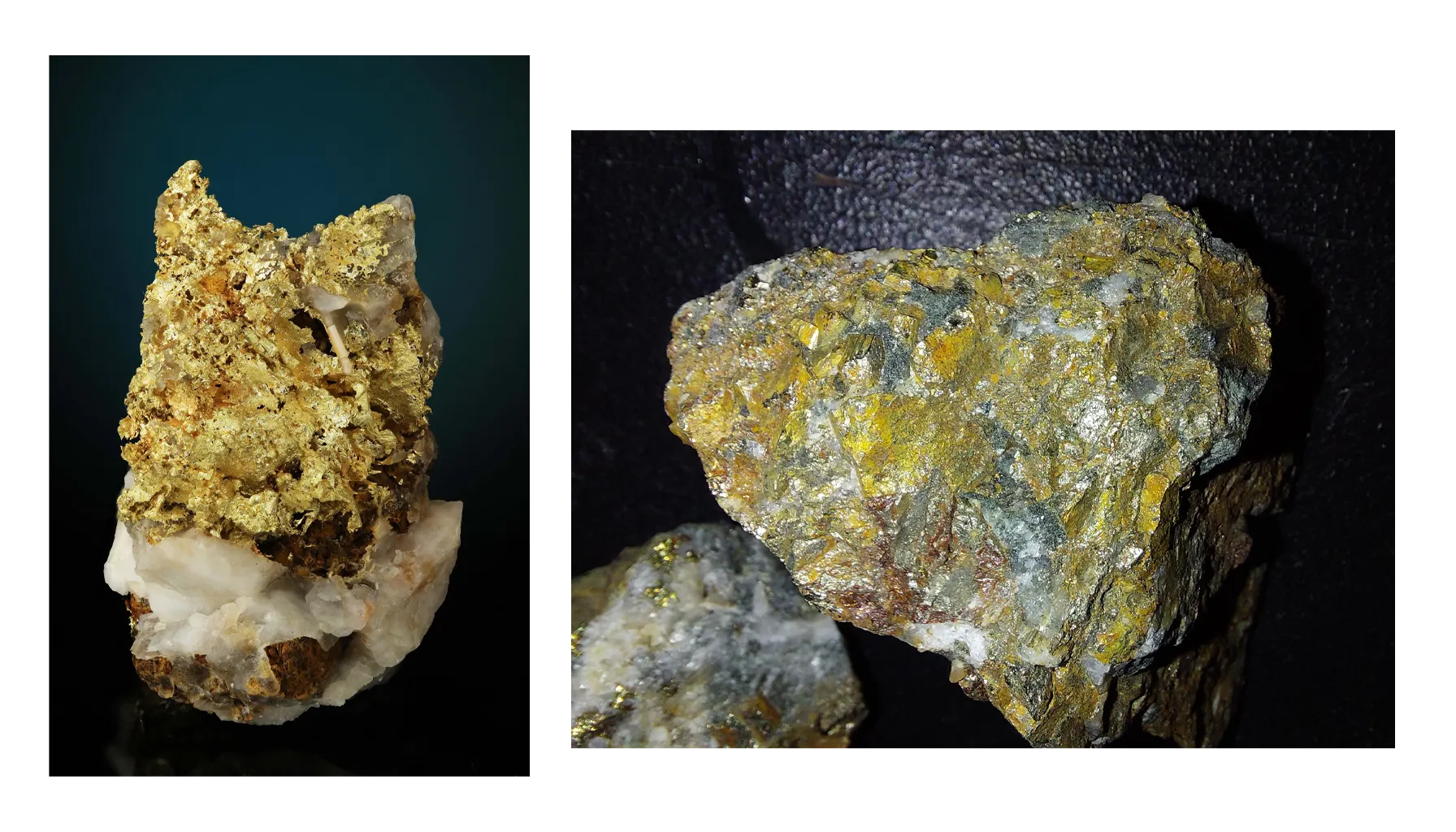
Think of it like water turning into ice. When water freezes, the individual H2O molecules arrange themselves into a structured pattern. Similarly, as this mineral-rich magma cools, the gold atoms find each other. They’re attracted to each other, like magnets. They start to form tiny crystals, or little veins, within the cooling rock.
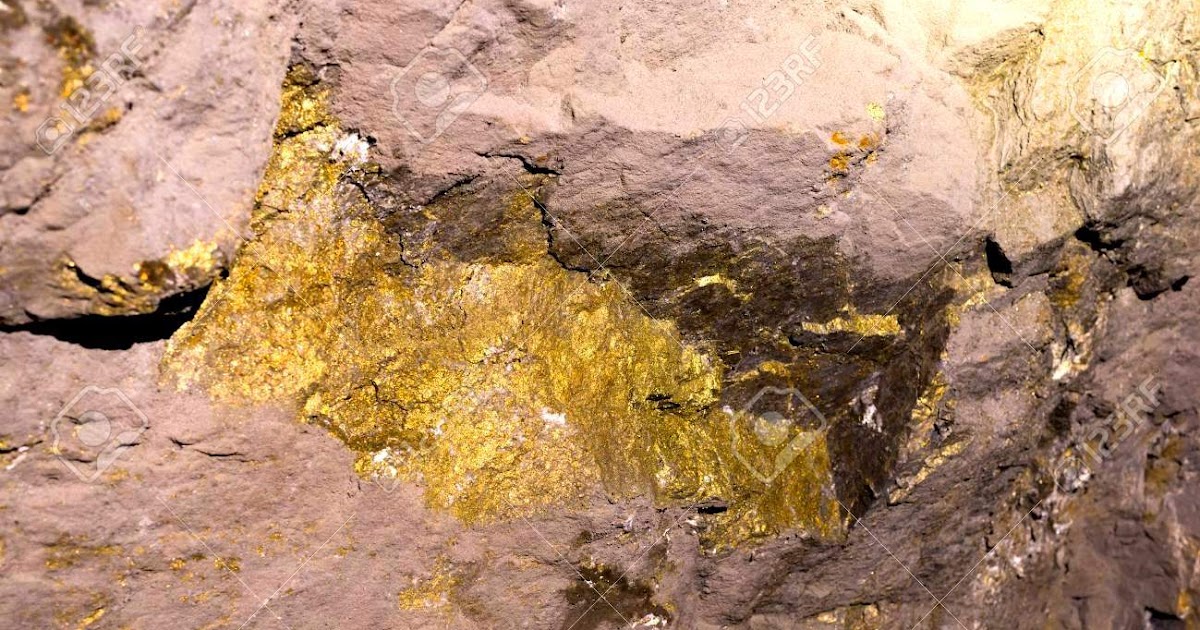
This process takes a very long time. We’re talking millions of years! So, the gold you see in a ring is, in a way, ancient history you can wear. It’s a piece of the Earth’s fiery past, transformed by incredible geological forces.
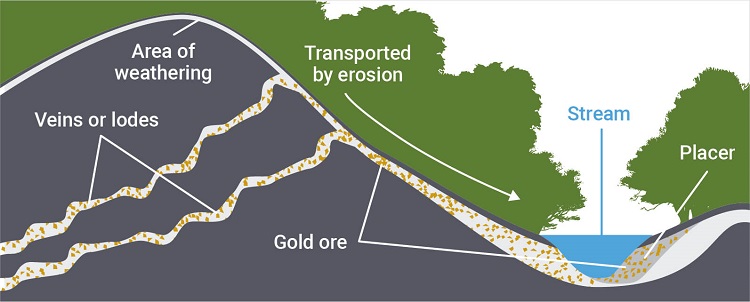
But that’s not the only way gold gets concentrated. Sometimes, instead of melting entirely, rock can get squeezed and heated under immense pressure. This can also cause fluids carrying dissolved gold to move around. These fluids can then deposit the gold in cracks and fissures in the rocks. So, you get these lovely, concentrated seams of gold – the kinds miners dream of finding!

It’s important to remember that even when gold is deposited like this, it’s usually not sitting there in a big, shiny nugget. It’s often found mixed with other rocks and minerals, especially a very common one called quartz. This is why mining involves a lot of crushing and processing of rock. They’re essentially unlocking the gold that has been patiently waiting inside.
And what about the gold that ends up in rivers? That’s another chapter in gold’s epic tale! Over vast stretches of time, rocks containing gold veins get weathered and eroded by wind, rain, and ice. This breaks down the rock, and the tiny gold particles are carried away by water. Rivers then act like natural sorting machines. Heavier gold particles tend to settle at the bottom of the riverbed, while lighter debris gets washed away.
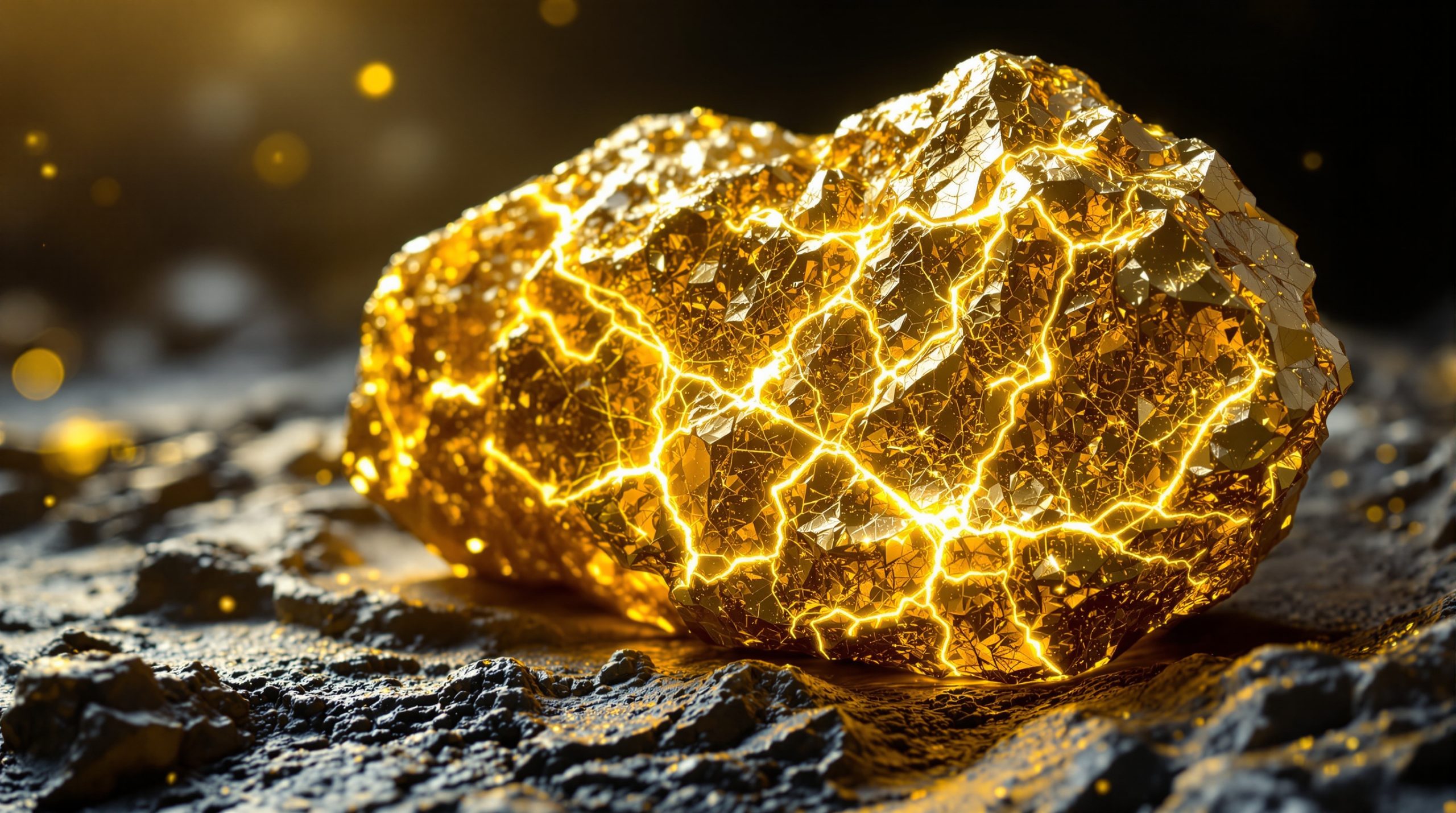
This is where the romantic image of panning for gold comes from! People would use pans to swirl water and gravel, hoping to see those tiny, dense specks of gold settle at the bottom. It’s a direct connection to this natural process of gold concentration.
So, to recap this amazing journey: gold starts out scattered in the early, molten Earth. Then, the Earth’s constant movement, especially the dramatic dance of tectonic plates and subduction, heats and melts rocks, concentrating the gold. This molten rock, or magma, rises and cools, allowing gold to crystalize and form veins. Over eons, weathering and erosion break down these veins, and rivers carry the gold downstream, where it can be found by lucky prospectors. Pretty cool, huh?
What makes gold so special is this incredible, almost unbelievable, journey. It’s a testament to the power and artistry of nature. It’s not just a shiny metal; it’s a story of cosmic events, fiery transformations, and patient geological processes happening deep within our planet. When you see gold, you’re looking at a piece of Earth’s ancient history, forged in the most extreme conditions imaginable. It’s no wonder humans have been fascinated by it for millennia. It’s literally a treasure from the Earth’s fiery cradle!