How Hot Is Too Hot For Cats

Ever noticed your feline friend seeking out the sunniest spot, only to then sprawl out in the coolest, shadiest corner of the house when the mercury really climbs? Cats are masters of their own comfort, and their ability to regulate their body temperature is pretty fascinating. But just how hot is too hot for our whiskered companions? It’s a question that’s both practical and a little bit fun to explore, especially as we all try to beat the summer heat.
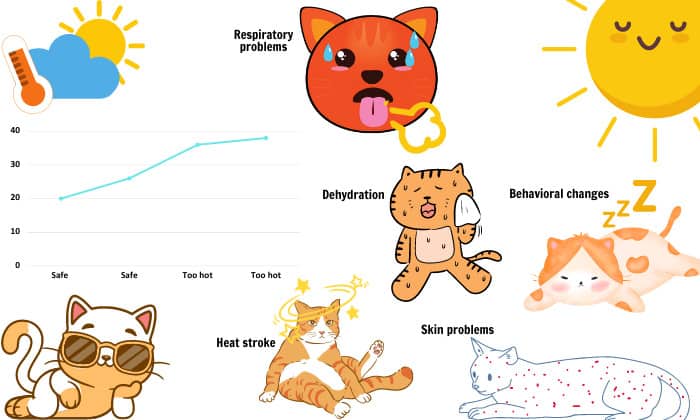
Understanding a cat’s ideal temperature range isn't just about avoiding a grumpy cat. It's about ensuring their overall well-being and preventing potential heat-related health issues. Cats, while seemingly tough, can suffer from heatstroke just like us, and sometimes their subtle cues can be easily missed. So, learning about their tolerance helps us be better pet parents, providing them with the safest and most comfortable environment possible.
Think of it like this: we know that leaving a pet in a hot car is incredibly dangerous. This knowledge extends to understanding the general ambient temperatures that can be problematic. In daily life, this translates to making conscious decisions about when to let your cat play outside, ensuring they have access to fresh water, and providing cool resting spots. For those interested in animal behavior, it’s a gateway to understanding how animals adapt to their environment and how we can best support them.
Must Read
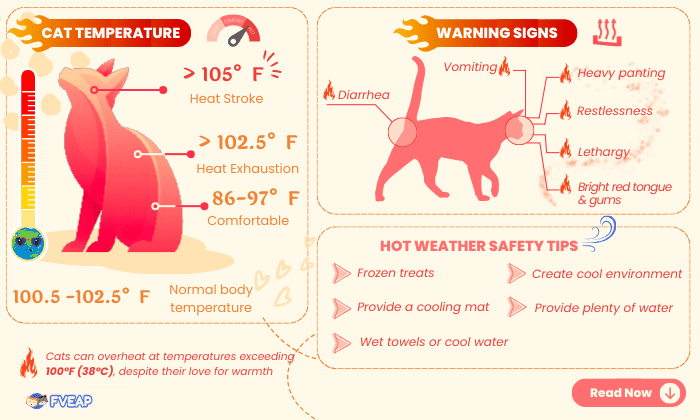
In an educational context, teaching children about animal welfare includes topics like heat safety for pets. It fosters empathy and responsibility. For anyone with a cat, it's simply a matter of observation and a touch of informed care. You can observe your cat’s behavior: are they panting (which is unusual for cats), lethargic, or seeking out extreme coolness? These are all signs that the temperature might be becoming uncomfortable or even dangerous.
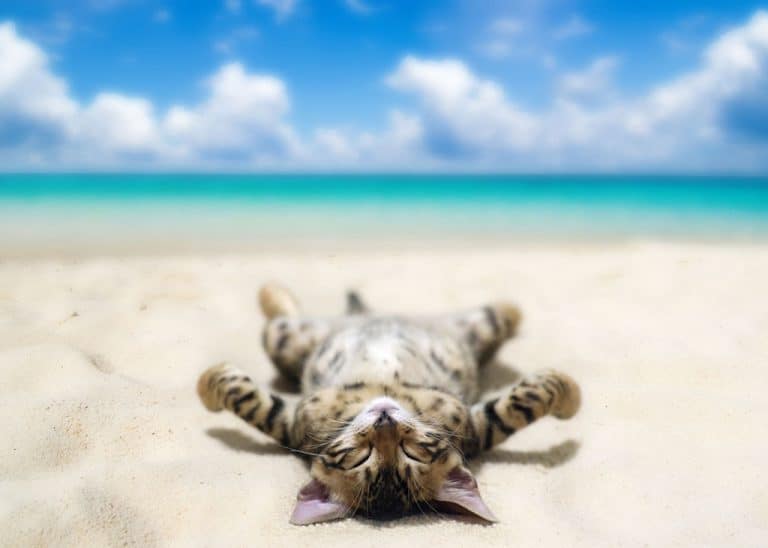
So, how hot is too hot? Generally, cats are comfortable in temperatures between 65°F and 80°F (18°C to 27°C). When temperatures start to creep above 80°F, especially with high humidity, they can begin to feel the strain. Sustained temperatures over 90°F (32°C) can be genuinely risky. Cats don't sweat effectively like humans; they primarily rely on panting and grooming to cool down. If the environment is too hot for these methods to work efficiently, their internal temperature can rise dangerously.
Exploring this further is easy! Pay attention to your cat's cues. If they're panting, have very red gums, are drooling excessively, or seem disoriented, these are serious signs of heatstroke and require immediate veterinary attention. For practical tips at home, ensure they always have access to plenty of fresh, cool water. You can even add ice cubes to their water bowl. Create cool havens by opening windows in cooler parts of the house (while ensuring screens are secure), using fans, or even providing a chilled, damp towel for them to lie on. Never confine them to a hot room or a sunny spot without escape. A little awareness goes a long way in keeping our furry friends happy and healthy when the weather heats up!