How High Can A House Cat Jump

Okay, so picture this: it’s a quiet Tuesday afternoon. The sunbeams are doing their thing, dappling across the living room floor, and my cat, a fluffy ginger menace named Marmalade, is deep in what I can only describe as a ‘cat nap of epic proportions.’ Suddenly, a rogue dust bunny, the size of a small rodent, drifts lazily past his nose. And then, BAM! My usually lethargic furball transforms into a furry missile. He launches himself from a dead sleep, all four paws a blur, and clears the back of the sofa in a single, effortless bound. I swear, he looked like he was defying gravity. It got me thinking, you know? What is the limit for these little acrobats?
We’ve all seen it. That moment when your cat decides the kitchen counter is suddenly the most fascinating place on Earth, despite the stern ‘no’ you just uttered. Or when they leap from the floor to the top of the bookshelf as if they have tiny, invisible jetpacks. It's both awe-inspiring and slightly terrifying, especially when they land with a nonchalant flick of their tail, completely unfazed by their gravity-defying feat. So, how high can a house cat actually jump? It’s a question that’s probably crossed more than a few cat owner’s minds, usually when they’re trying to retrieve something precious from a precarious, feline-occupied perch.
The Physics of Feline Flight (Sort Of)
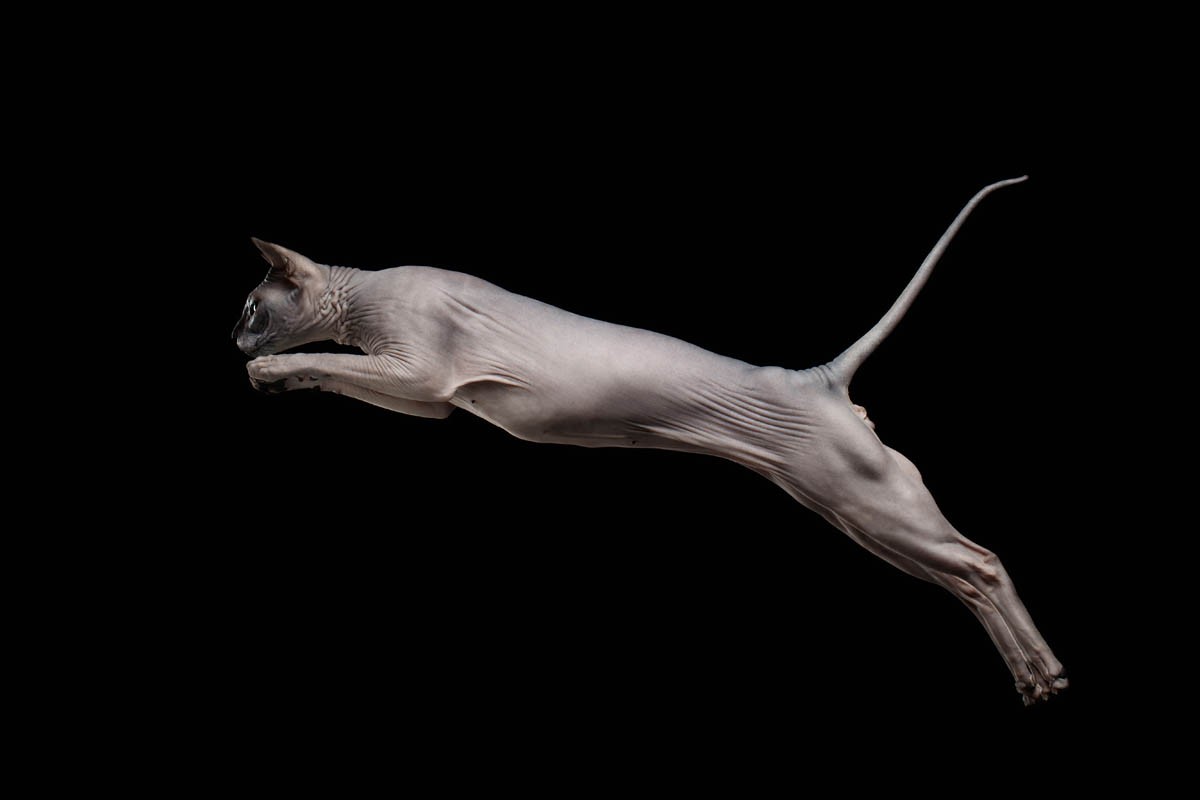
Let's get down to the nitty-gritty, shall we? It’s not just about brute strength, although that's definitely part of it. Cats are built for jumping. Their anatomy is a masterclass in feline engineering, designed for explosive power and agile landings. Think of their legs. Those hind legs? They’re like perfectly tuned springs, packed with powerful muscles. When a cat prepares to jump, they crouch down, loading up all that potential energy. Then, whoosh, they extend those legs, converting that stored energy into kinetic energy, propelling them upwards.
Must Read
And don't forget their spine! It’s incredibly flexible, allowing them to arch their backs and extend their bodies to gain maximum height. Plus, they have these amazing righting reflexes. That's the magical ability to orient themselves in mid-air and land on their feet. It’s crucial for jumping, especially from significant heights, as it helps them absorb the impact and avoid injury. Imagine trying to jump from the top of a wardrobe and landing awkwardly – ouch! Cats, thankfully, don’t have that problem.
Their tail also plays a surprisingly significant role. It’s not just for swishing around indignantly (though they do that too). The tail acts as a counterbalance. As a cat leaps, they can adjust their tail to maintain stability and control their trajectory. It’s like a furry rudder, helping them steer mid-air. Pretty neat, right? It’s a whole system working in harmony, which is why they make such impressive leaps look so darn easy.
What's the Official Score?
So, the million-dollar question: what's the actual record? While there aren't any official Guinness World Records for 'Highest Cat Jump' (which, honestly, feels like a missed opportunity, right?), there are estimates and anecdotal evidence that give us a good idea. Generally speaking, a healthy, agile house cat can jump about five to six times its own height.

Now, 'height' here is a bit tricky to define for a creature that’s usually sprawled out on the floor. But if we consider their shoulder height when standing, that translates to some pretty impressive vertical leaps. For an average cat, which might be around 10 inches at the shoulder, that could mean jumps of 50 to 60 inches. That’s almost five feet! Can you imagine jumping five feet straight up from a standstill? I think I’d pull something just thinking about it.
Some breeds are naturally more athletic than others, of course. Think of the Bengal or the Abyssinian – they’re practically built for athleticism. They might be able to push those numbers a bit higher. Then you have breeds that are… well, less inclined to perform Olympic-level gymnastics. My Marmalade, bless his fluffy heart, is probably more of a ‘gentle amble up the stairs’ kind of cat on most days. But when the dust bunny calls, he answers.
Factors Influencing the Leap
It's not just about breed and genetics, though. Several other factors come into play when determining how high your feline friend can soar:

- Age and Health: Just like us, younger cats tend to be more energetic and agile. Kittens are practically born jumpers, exploring their world with daring leaps. As cats get older, their joints might become a bit stiffer, and their overall energy levels might decrease, which can impact their jumping ability. If your older cat suddenly seems to be struggling with jumps they used to manage easily, it’s always a good idea to have a chat with your vet.
- Weight: A lean, athletic cat is going to have an easier time reaching impressive heights than an overweight one. Carrying extra pounds makes every movement more strenuous, including those gravity-defying leaps. It’s a good reminder to keep our furry companions at a healthy weight for their overall well-being and their ability to, you know, be cats.
- Motivation: This is a big one! Does your cat want to jump that high? Is there a tantalizing treat on the top shelf? Is there another cat staring them down from a superior vantage point? Or is it just the sheer, unadulterated joy of a good chase? We often underestimate the power of feline motivation. A truly motivated cat can achieve things you wouldn’t think possible. My Marmalade’s dust bunny motivation is truly something to behold.
- Surface and Take-off Point: The type of surface they’re jumping from and to also matters. A non-slip surface provides better traction for their explosive take-off. Likewise, a stable landing spot is crucial. A wobbly surface can make even a confident jumper hesitate.
- Environmental Factors: This might sound a bit obvious, but the space available matters. A cat in a cramped apartment might not have the opportunity or the need to practice those monumental leaps as often as a cat with more room to roam and explore.
Think about it. If you were trying to jump, and the ground was slick, and you weren't sure if the landing spot would hold you, you'd probably be a bit more hesitant, right? Cats are no different. They assess the situation, even if it's subconsciously, before launching themselves into the air.
What About the Really High Jumps?
Now, when we talk about those truly astonishing jumps, the ones that make you do a double-take, we're usually looking at cats who are either exceptional athletes or who are jumping in a slightly different way. For example, some cats can utilize vertical surfaces to their advantage. They might be able to scramble up a tree or a fence, which is a different kind of ‘jump’ but still involves incredible athleticism and strength.
And then there are those moments of pure adrenaline. A sudden scare, a predator (even a perceived one like the vacuum cleaner), or a desperate dash for freedom can unlock surprising reserves of energy. I remember a friend’s cat who, when presented with a neighbor’s rather boisterous dog at the fence, somehow managed to clear the entire fence line. It was a feat I’m pretty sure that cat hasn’t replicated since, but in that moment of panic, it was pure, unadulterated feline power.
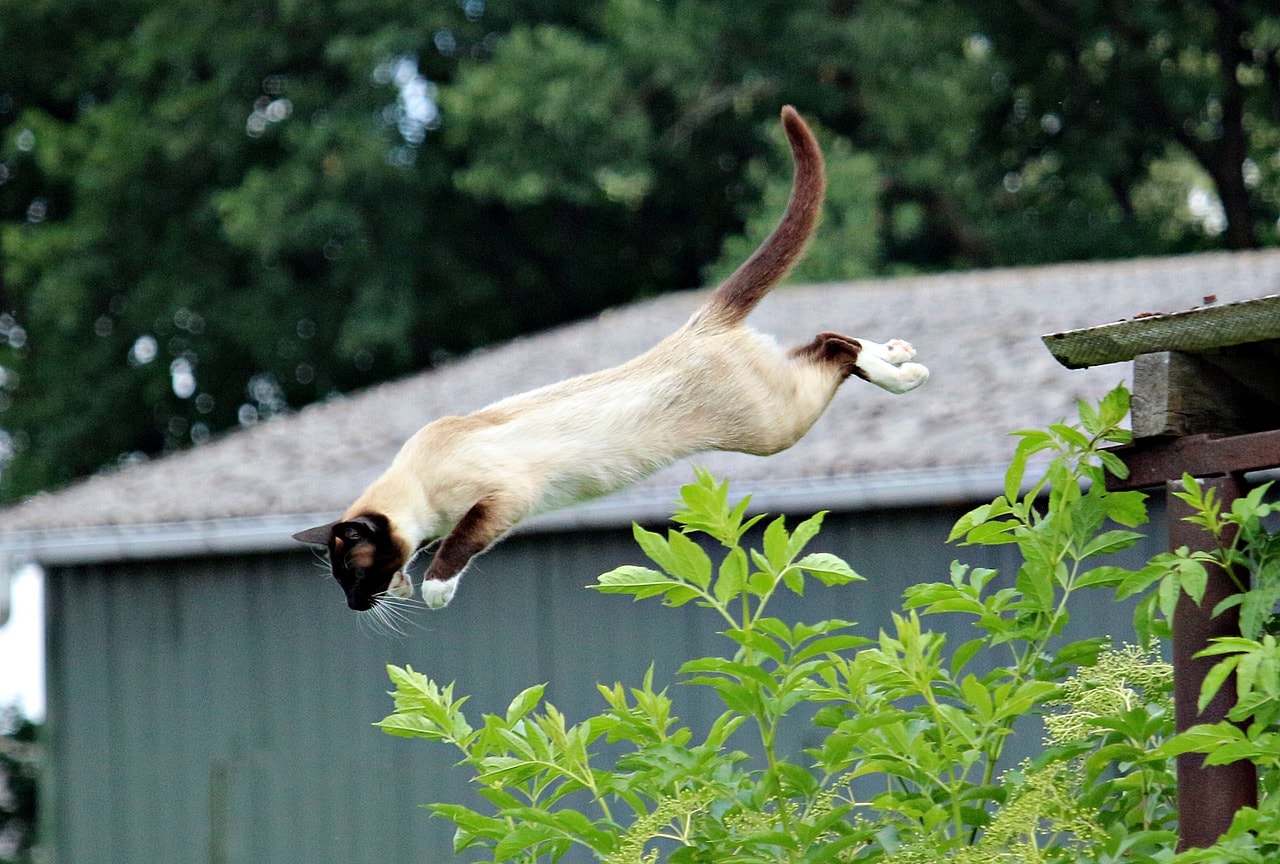
It’s also worth noting that what we perceive as a single jump might actually be a series of smaller, incredibly fast movements. A cat can use the sides of furniture, walls, or even other objects to propel themselves upwards, almost like a parkour athlete. They are incredibly efficient at using their environment to their advantage. They’re not just jumping up, they’re often jumping up and over or up and on. It’s a multi-dimensional kind of movement that’s fascinating to watch.
Are They Trying to Reach the Moon?
Honestly, sometimes it feels like it! But usually, their incredible jumping abilities are driven by instinct and necessity.:
- Hunting: Even our domesticated kitties retain their predatory instincts. Jumping is crucial for pouncing on prey (or, in Marmalade's case, a dust bunny). They need to be able to launch themselves with speed and precision.
- Escape: If there's a perceived threat, a quick leap to safety is often the most effective strategy. Cats are naturally cautious and will seek higher ground to survey their surroundings and escape danger.
- Exploration and Play: For a cat, the world is a giant playground. Leaping allows them to explore different levels, reach new vantage points, and engage in playful chasing and pouncing games. It’s their way of interacting with and understanding their environment.
- Seeking Comfort: Sometimes, the highest shelf is simply the coziest, warmest, or quietest spot for a nap. And if the only way to get there is a formidable jump, well, that's just part of the adventure.
I’ve definitely seen my cats choose the most ridiculously high spots for their naps. Usually, it’s a place I can barely reach without a stepladder. It makes you wonder if they’re intentionally trying to make life difficult for us, or if they just have a superior appreciation for a good, elevated snoozing spot. Probably the latter, but a little bit of the former can’t be ruled out!
The Takeaway for Cat Owners
So, what does all this mean for you, the loving (and sometimes exasperated) cat parent? It means appreciating the incredible athleticism of your furry companions. It means ensuring they have safe environments to express their natural jumping behaviors. This might include:
- Providing Cat Trees and Shelves: Give them vertical space to climb and jump. These structures satisfy their instinct to explore higher ground.
- Ensuring Safe Landing Spots: Make sure the places they like to jump to are stable and won't cause injury if they misjudge a landing.
- Keeping Valuables Out of Reach: Let's be honest, they will find a way to get to that vase you love. Consider it a built-in security system for your knick-knacks.
- Encouraging Play: Interactive toys that encourage jumping and pouncing can help your cat stay fit and happy.
And finally, it means marveling at those moments. When your cat takes that magnificent leap, whether it's over a couch, onto a bookshelf, or just across the room to greet you, take a moment to appreciate the sheer wonder of it all. They are truly remarkable creatures, capable of feats that often leave us humans feeling a little bit… grounded. They’re living proof that sometimes, the greatest achievements come from a little bit of instinct, a lot of powerful muscles, and a willingness to defy gravity, even if it’s just for a dust bunny.
So, next time you see your cat take a monumental leap, remember the engineering, the motivation, and the sheer joy of being a cat. And maybe, just maybe, try to catch it on video. Because honestly, who wouldn’t want to see that in slow motion?