How Fast Does A Cruise Boat Go
Ever found yourself staring out at the endless blue, maybe with a drink in hand, and wondered, "How fast does this giant floating city actually go?" It's a question that pops into your head, isn't it? You're gliding across the water, watching the shore recede, and there's this gentle hum of motion. It’s not exactly a speedboat, but it’s definitely moving. So, let's dive into the chill world of cruise ship speeds.
First off, the answer isn't a simple "X miles per hour." It's more of a "it depends," and that's actually pretty interesting! Think of it like asking how fast a car goes. A tiny Smart car zips around differently than a massive truck, right? Cruise ships are kind of the same, just on a much, much bigger scale.
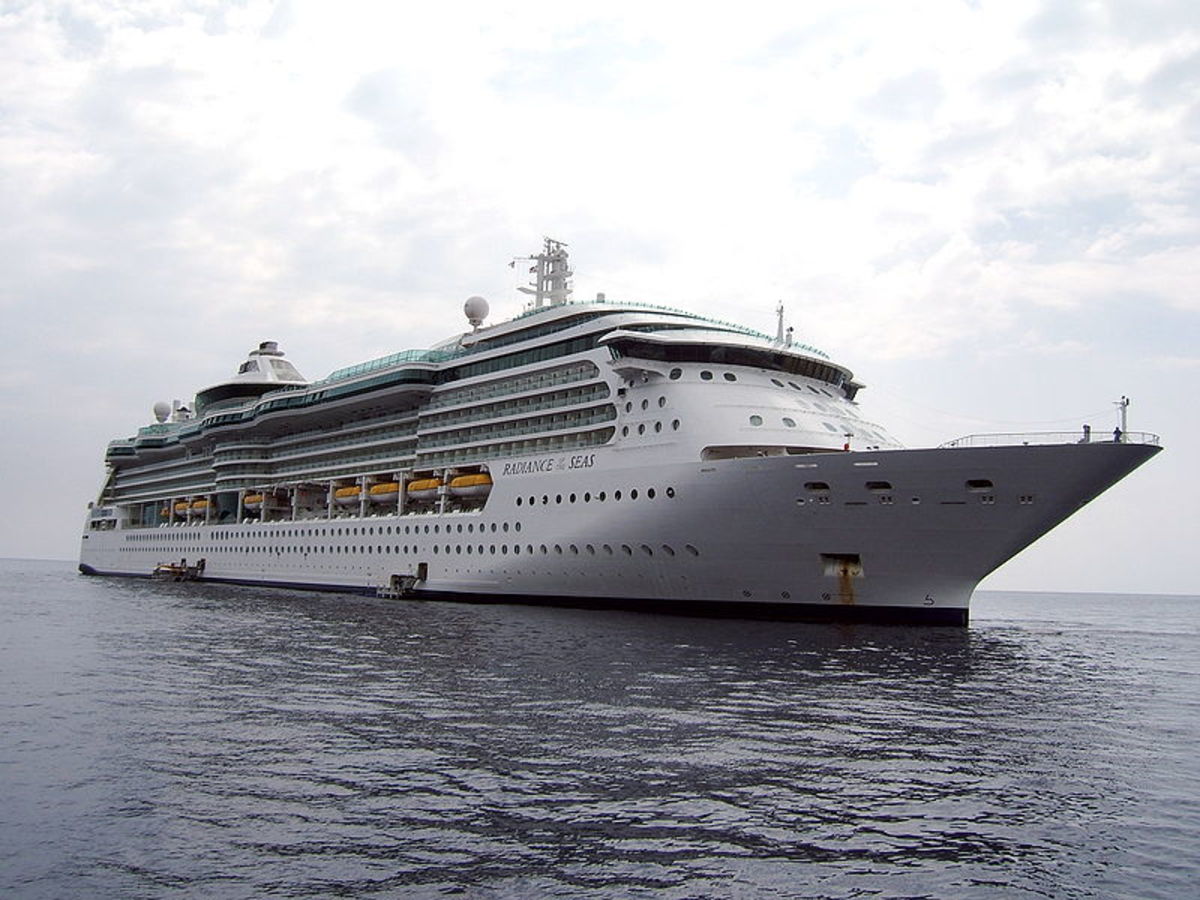
So, what's the general ballpark? Most large cruise ships, the ones you see in the brochures with a dozen pools and restaurants, typically cruise at speeds of around 18 to 22 knots. Now, what's a knot? Don't worry, you don't need to be a sailor. A knot is basically one nautical mile per hour. And a nautical mile is a little bit longer than a regular mile – about 1.15 statute miles, to be exact. So, if a ship is going 20 knots, it's cruising at roughly 23 miles per hour.
Must Read
Twenty-three miles per hour. Does that sound fast to you? When you're on a ship that feels as big as a skyscraper lying on its side, 23 mph can feel deceptively slow. It’s a speed that’s just enough to make the waves lap gently against the hull and to ensure you don’t get seasick. It’s the perfect speed for enjoying the view, for feeling the ocean breeze, and for contemplating the sheer engineering marvel that’s carrying you.
Why So Chill?
You might be thinking, "Why don't they just speed things up? We're on vacation, right?" Well, there are a few really good reasons. One of the biggest is fuel efficiency. These ships are enormous and weigh hundreds of thousands of tons. Pushing all that mass through the water takes a ton of energy. Going just a few miles per hour faster can dramatically increase fuel consumption. Think about your own car – you get better mileage on the highway at a steady 60 mph than you do flooring it in the city.
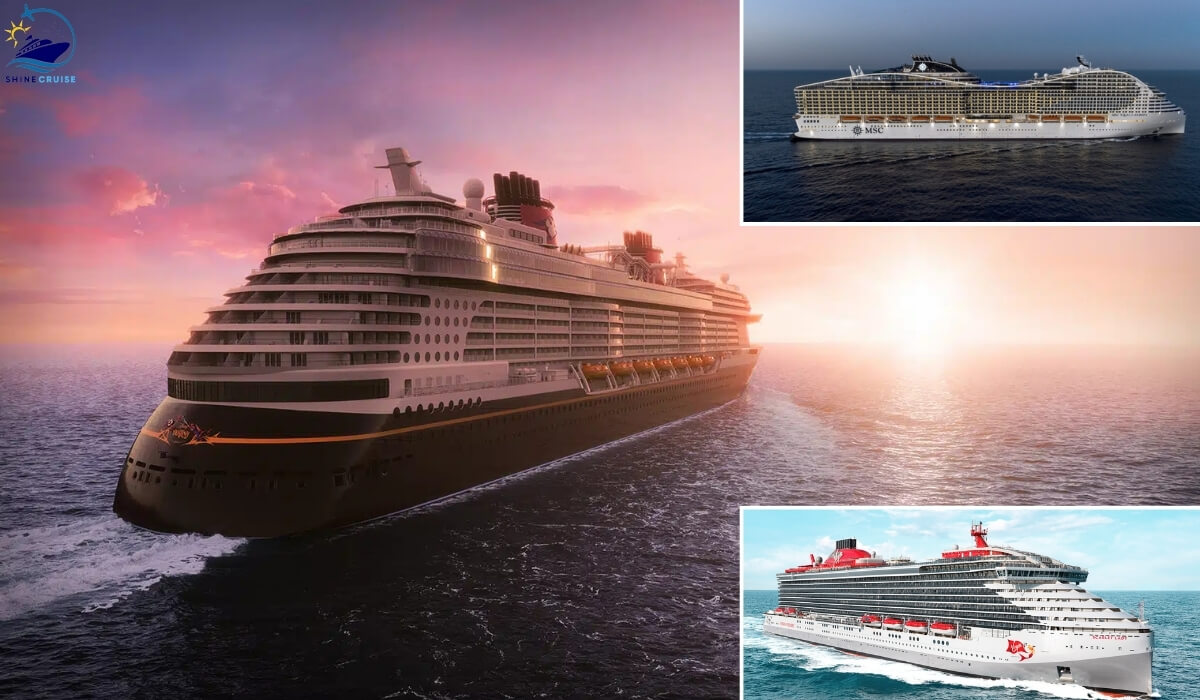
Cruise lines are constantly looking for ways to be more efficient, and slowing down is a big part of that. Plus, there’s the whole comfort factor. Imagine the rocking and rolling if these massive vessels were trying to slice through the waves at 30 or 40 knots! It wouldn't be a relaxing vacation; it would be a high-seas adventure of the not-so-pleasant kind. The current speeds are optimized to provide a smooth, stable ride, which is pretty important when you’ve got dinner reservations.
Not All Ships Are Created Equal
Now, remember that "it depends" part? Smaller ships, like expedition vessels that go to places like Antarctica or the Galapagos, might move at different speeds. Some might be a bit slower if they're focused on wildlife viewing and quiet navigation. On the flip side, some of the older, faster ships or perhaps military-style vessels could potentially go quicker, but for the mainstream passenger cruise ship, 18-22 knots is the sweet spot.
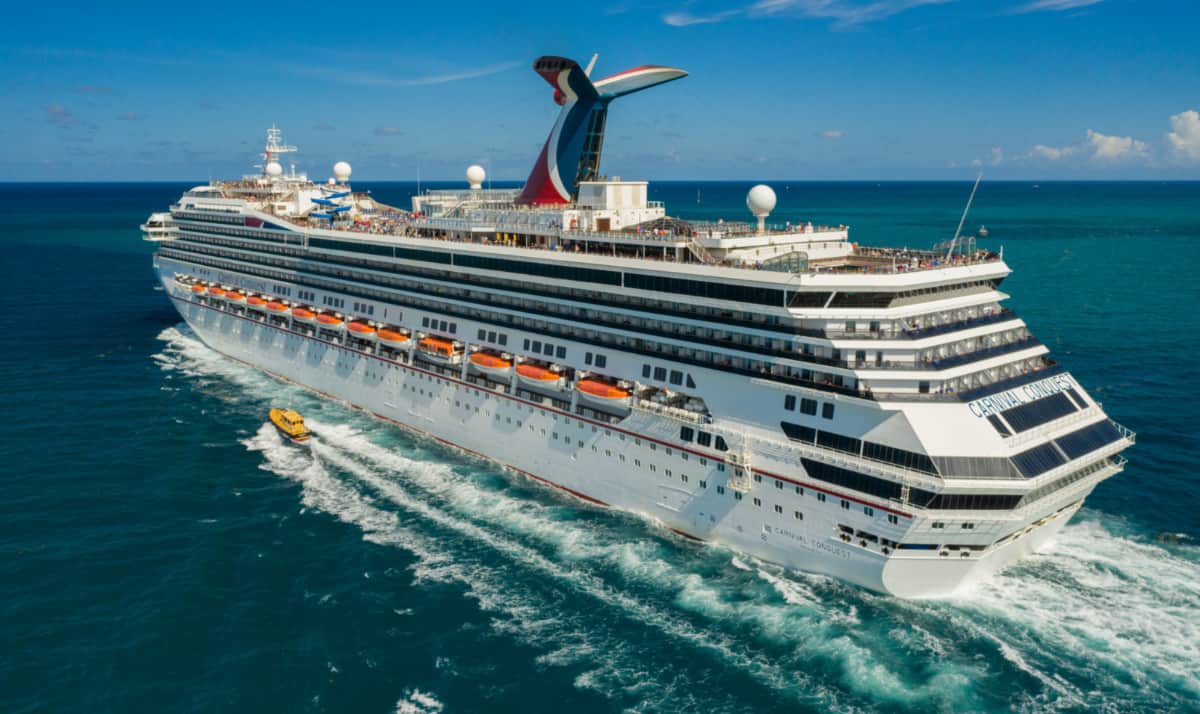
There's also the concept of maximum speed versus cruising speed. Ships have a top speed they can reach, but they rarely operate at it. This is like a car's top speed versus its everyday driving speed. They might be able to hit 25 or 30 knots in a pinch, but it's not sustainable or practical for a typical voyage. It's more of a reserve capability, perhaps for making up lost time due to weather delays.
Fun Comparisons to Wrap Your Head Around
Let's get a bit more grounded with some comparisons, shall we? If a cruise ship is cruising at 20 knots (about 23 mph), how does that stack up?
It's roughly the same speed as a brisk cycling pace on a flat road. So, while you’re sipping your cocktail on deck, your leisurely progress is akin to someone enjoying a scenic bike ride.
It's also similar to the average speed of a car in a moderate traffic jam. Not exactly breakneck speed, but steady and consistent.
Compare it to other forms of water travel:
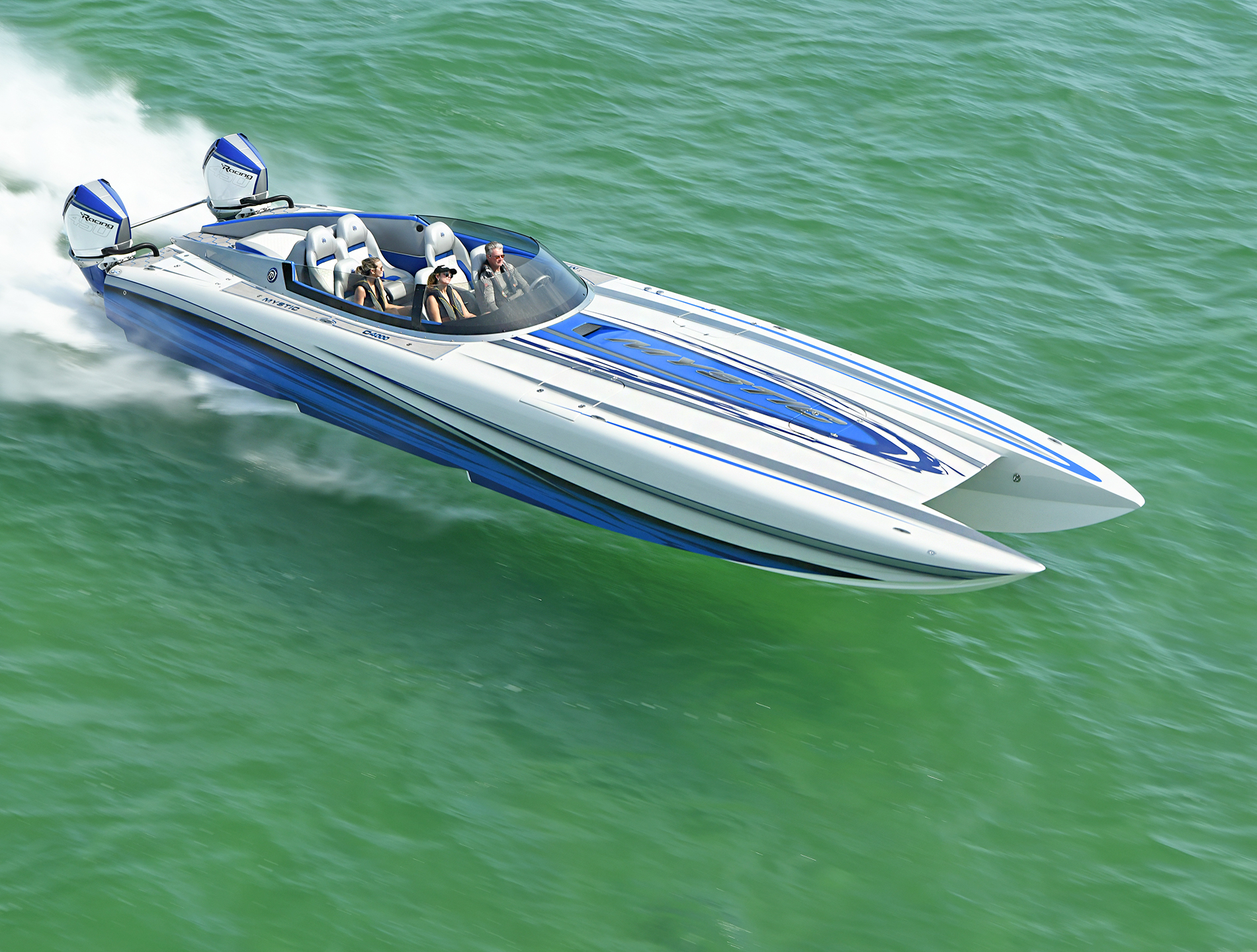
- Speedboats: These can easily hit 50-70 mph or more. Big difference!
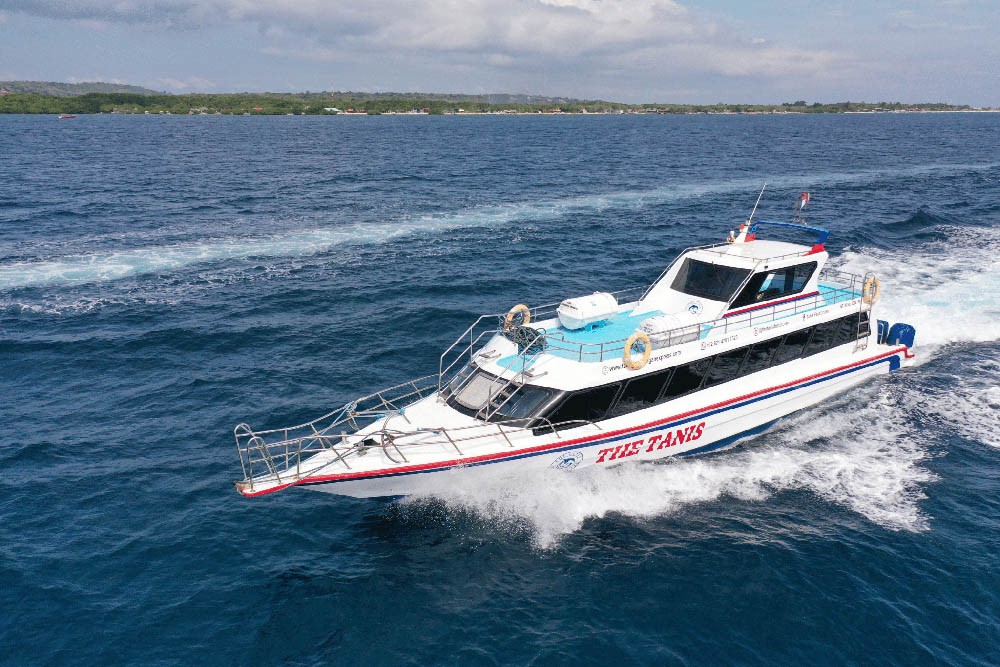
- Ferries: Many ferries operate in a similar range to cruise ships, aiming for efficiency and passenger comfort.
- Container Ships: These giants of the sea often travel at comparable speeds to cruise ships, around 18-22 knots, for the same fuel-saving reasons.
So, the next time you’re on a cruise, take a moment to appreciate the speed. It’s not about rushing; it's about a deliberate, comfortable, and efficient journey. It’s the speed of relaxation, the speed of discovery, and the speed that allows you to truly be on the water, not just rush across it.
The Pace of Paradise
It’s this unhurried pace that’s part of the magic of a cruise. You’re not trying to outrun anything; you're embracing the journey. You have time to watch the dolphins play in the ship's wake, to count the stars in the night sky, and to chat with fellow passengers without feeling like you’re being rushed from one port to the next. It’s the gentle rhythm of the ocean, matched by the gentle rhythm of the ship.
Ultimately, the speed of a cruise ship is a carefully calculated balance. It’s about getting you from Point A to Point B safely, comfortably, and as economically as possible, all while giving you the time to truly savor the experience. It's the perfect speed for a floating vacation, wouldn't you agree? It's the speed of letting go.