How Fast Can A Go Kart Go

Ever felt that little itch of curiosity when you see a go-kart whizzing by? Maybe at a local track, a fairground, or even in a cartoon? It’s a common question that pops into our heads: "Just how fast can these little machines go?" It’s more than just a trivial bit of trivia; understanding the speed of go-karts offers a fascinating glimpse into engineering, physics, and the sheer joy of controlled velocity. Plus, who doesn't enjoy a bit of lighthearted exploration into the world of speed?
Go-karts, at their core, are designed for simplicity and accessibility in motorsports. Their primary purpose is to offer a relatively affordable and straightforward way to experience racing. Unlike full-sized race cars, they have a minimal design, often just a seat, a frame, an engine, and wheels. This simplicity makes them fantastic for learning the basics of driving dynamics, racing lines, and even understanding mechanical principles. The benefits extend beyond the racetrack; go-karts can be incredibly educational tools. They teach about cause and effect – how a turn of the steering wheel impacts direction, how pressing the pedal translates to acceleration, and how braking brings things to a controlled stop. This hands-on experience can foster a deeper understanding of physics and engineering concepts that might seem abstract in a textbook.
Beyond the educational realm, go-karts have found their way into various aspects of life. Many schools and educational programs utilize them for STEM (Science, Technology, Engineering, and Mathematics) initiatives. Students might design, build, or race go-karts, applying theoretical knowledge to practical challenges. Imagine a classroom where a project involves calculating gear ratios for optimal speed, or designing a lighter chassis for better performance. On a more casual level, go-karting is a popular recreational activity, offering a thrilling escape and a chance to blow off some steam. It’s a way to experience a taste of motorsport without the extreme costs and complexities associated with professional racing. Think of it as a gateway drug to the world of speed and competition!
Must Read
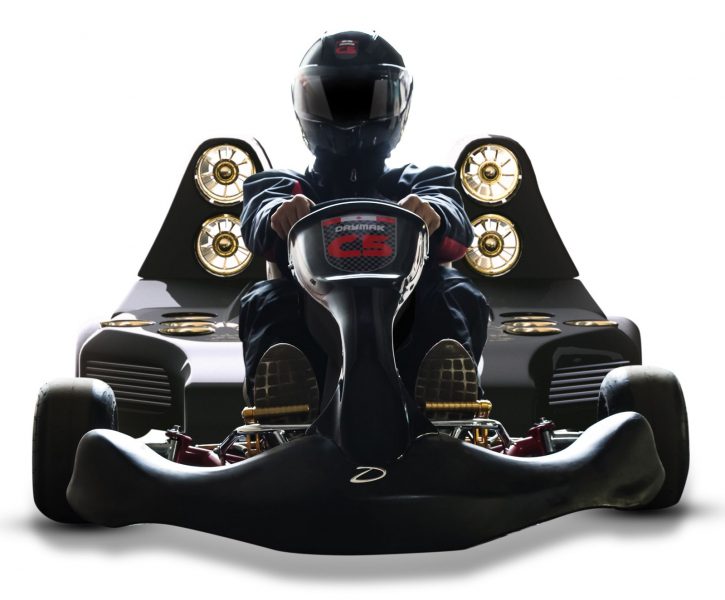
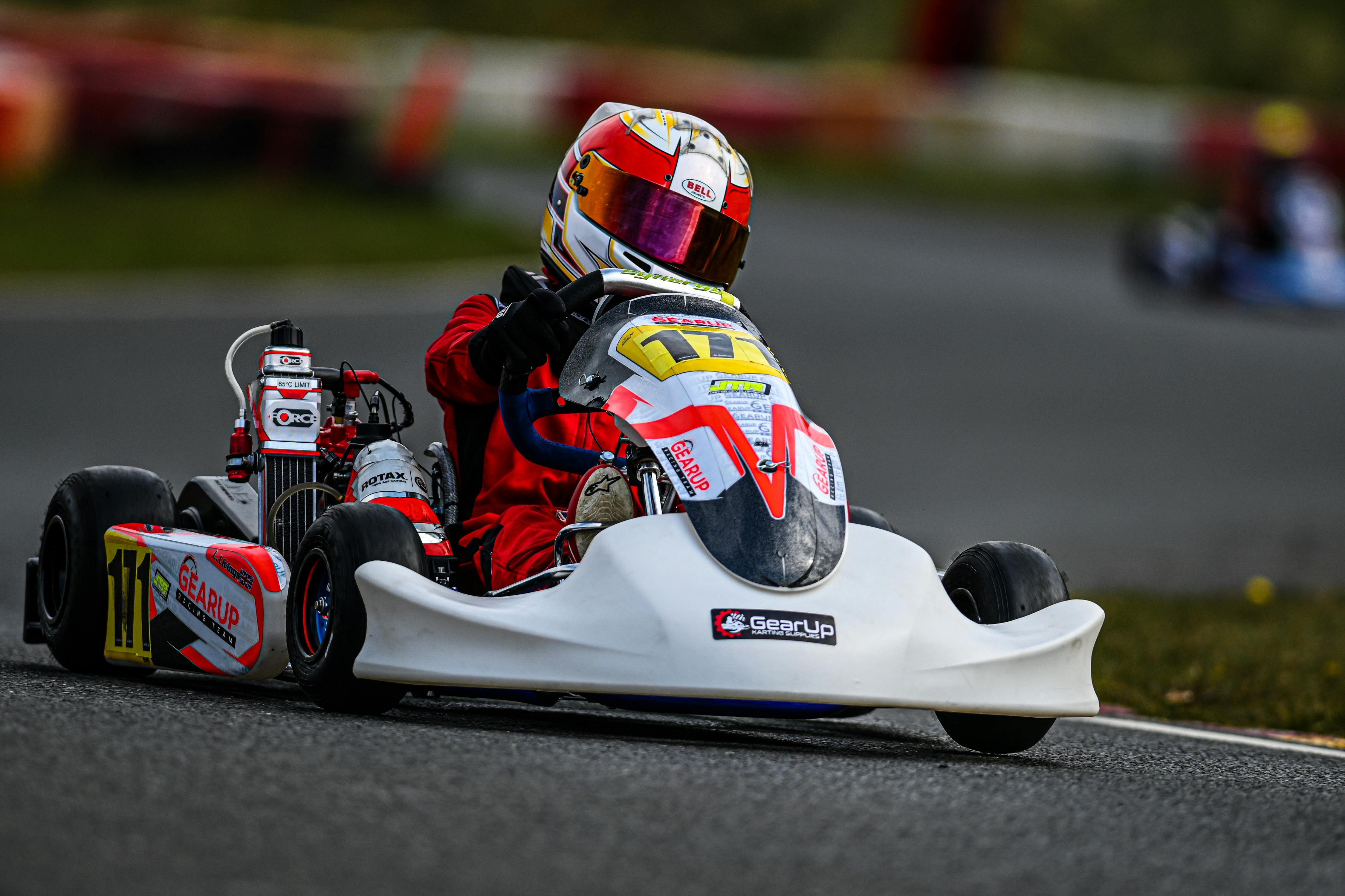
So, how fast can they go? Well, it’s a bit of a sliding scale. For the most common rental go-karts you find at amusement parks, you’re likely looking at speeds in the range of 15 to 30 miles per hour. These are designed for safety and fun for a wide range of ages and skill levels. They’re zippy enough to feel exciting but not so fast that they become intimidating. However, the world of go-karting goes much deeper. Competitive racing karts, especially those designed for outdoor tracks, can reach speeds of up to 60 or even 70 miles per hour. Some specialized karts, particularly those with powerful engines or built for specific racing series, can push even higher. It all comes down to the engine size, the kart's weight, the track layout, and of course, the driver's skill!
Curious to explore this further? The easiest way is to visit a local go-kart track. Rent a kart and feel the acceleration yourself! Pay attention to how the kart handles in the corners and how quickly it picks up speed on the straights. If you’re feeling particularly ambitious, you could even look into local go-kart clubs or racing schools. These often offer introductory sessions where you can learn about the mechanics and driving techniques from experienced instructors. You might even find online resources or videos that break down the engineering behind these speedy little machines. It’s a fantastic way to turn a simple question into a fun, hands-on learning adventure.