How Do You Stop Algae In A Pond
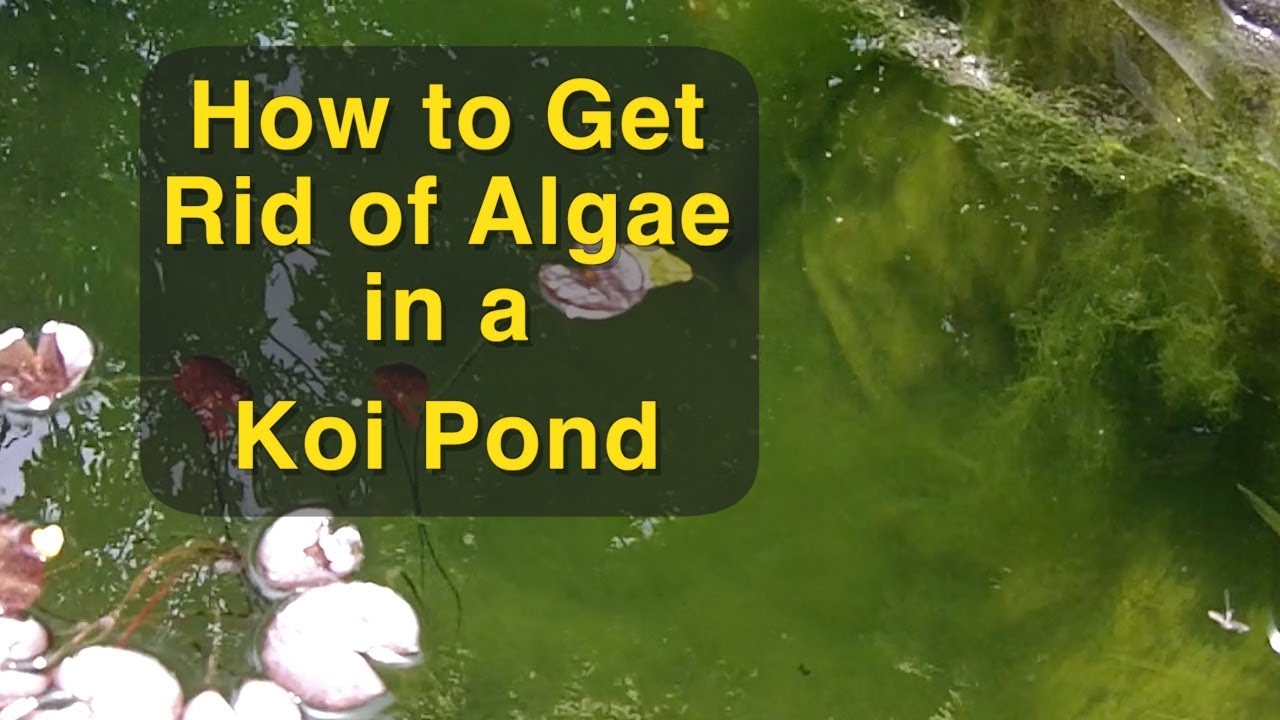
Ah, the pond! That little slice of nature in your backyard can be such a delight. Whether it's a shimmering oasis for a few goldfish, a buzzing hub for dragonflies, or just a peaceful spot to gaze at, most of us have a soft spot for our aquatic friends. But sometimes, our lovely ponds get a bit… green. That's right, we're talking about algae. While it's a natural part of any ecosystem, when it takes over, it can turn your crystal-clear sanctuary into a murky mess. Learning how to manage algae is a super rewarding skill, and it's easier than you might think!
So, why bother with algae control? For beginners, it’s about creating a healthy environment where your pond inhabitants can thrive. A pond choked with algae can lack oxygen, making it tough for fish and beneficial critters. For families, it's about turning a potential eyesore back into a fun place for kids to observe nature up close. Imagine pointing out tadpoles swimming freely, not lost in a green soup! For dedicated hobbyists, it’s about achieving that perfect, balanced ecosystem where beauty and biodiversity go hand-in-hand. A clear pond showcases the colors of your fish and the intricate dance of aquatic plants.
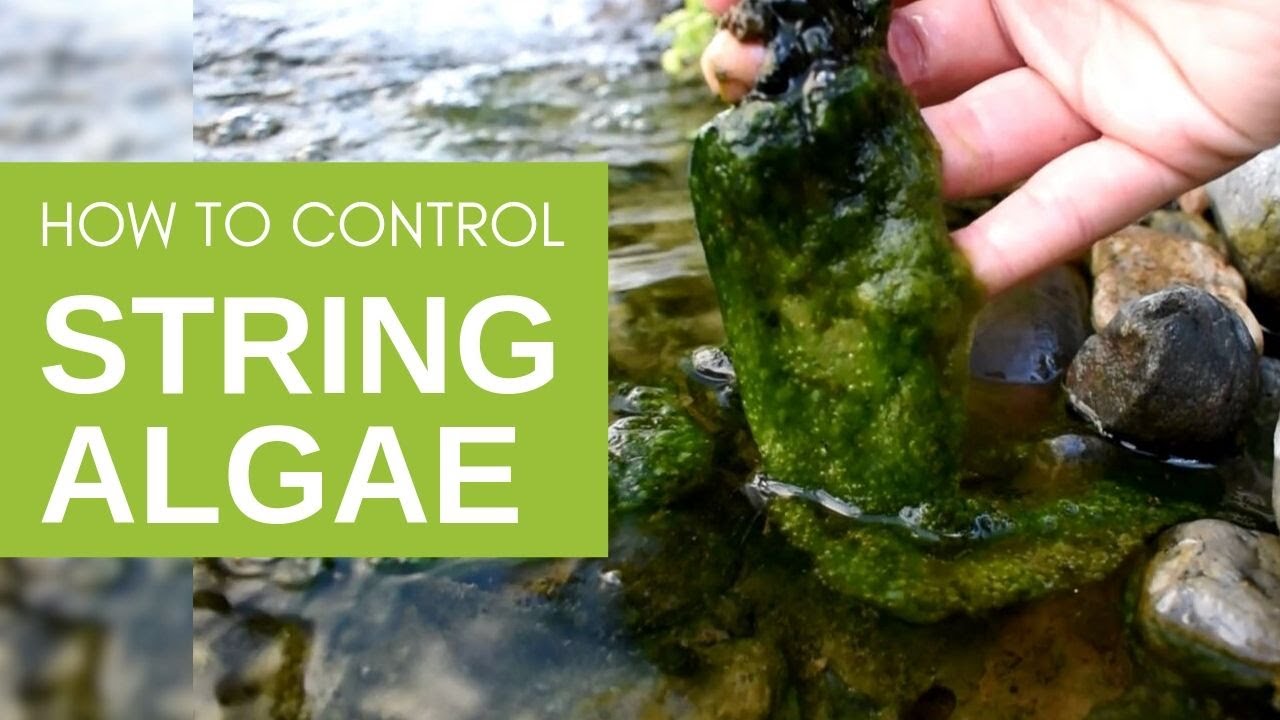
Algae isn't just one monolithic green blob, either! You might encounter different types. There's the common string algae, those long, slimy strands that cling to rocks and plants. Then there’s the more disruptive planktonic algae, which gives the water that characteristic pea-soup green color. Each might require slightly different approaches, but the core principles of control are similar.
Must Read
Getting started with algae management is all about a few simple, practical steps. Think of it like tending to a garden, but for water! The first, and perhaps the most important, is adding plants. Aquatic plants are the pond's natural filter. They gobble up the nutrients that algae would otherwise feast on. Aim for a good mix: some submerged plants like Elodea for oxygenation, some floating plants like water lilies to provide shade, and perhaps some marginal plants around the edges.
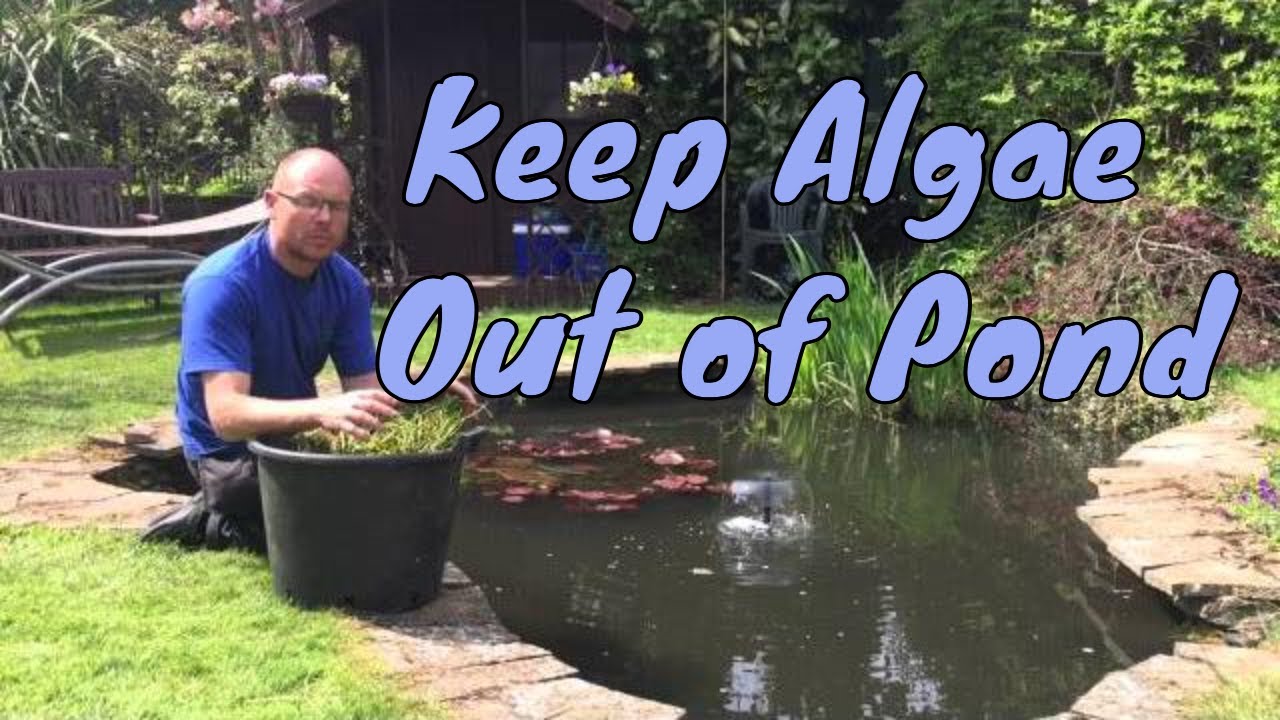
Next up: circulation. A stagnant pond is an algae’s best friend. A small pump or a water feature, like a small waterfall, will keep the water moving. This not only helps with oxygen levels but also prevents algae from settling and multiplying in one spot. And speaking of sunlight, while some is good, too much direct sun can fuel rapid algae growth. Consider strategically placing larger water lily pads or even a natural shade structure to help mitigate this. Finally, and this is a big one for long-term health, avoid overfeeding your fish. Uneaten food breaks down and releases nutrients, which, you guessed it, feed algae. Feed them only what they can eat in a few minutes.
Dealing with algae doesn’t have to be a chore; it can be a joyful journey into understanding your pond's needs. By working with nature, you can create a beautiful, healthy, and thriving aquatic haven. The satisfaction of seeing your pond clear up, revealing the wonders within, is truly unmatched!