How Do You Read A Water Meter

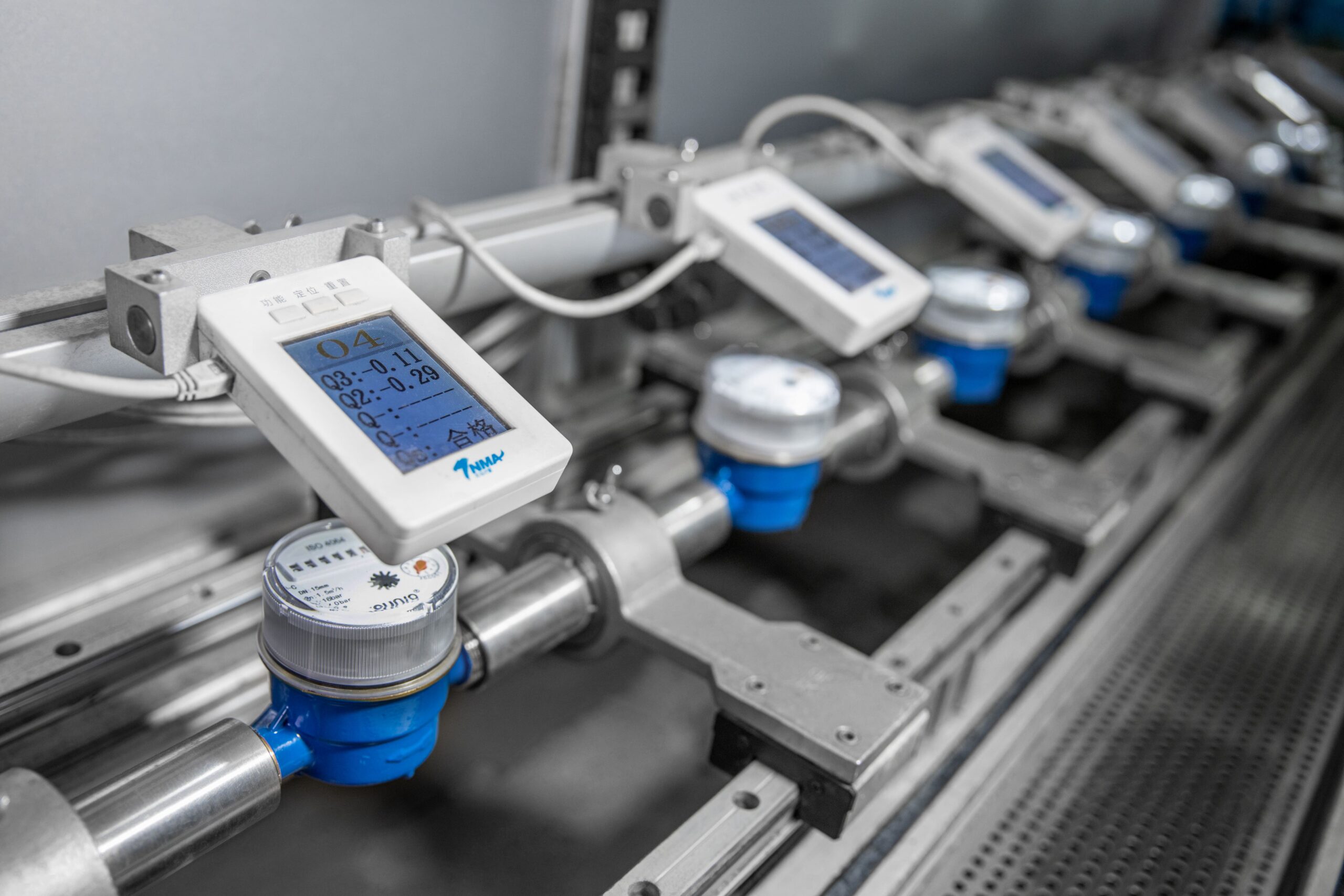
Ever looked at that little metal box on the side of your house, probably near the sidewalk, and wondered, "What in the world is that thing?" It’s your water meter, and while it might seem as exciting as watching paint dry, it’s actually a little hero in disguise. Think of it as the unsung guardian of your water usage, quietly ticking away to tell you how much of that precious liquid you’re using.
Now, I know what you’re thinking: “Reading a water meter? Why would I ever need to do that?” Well, imagine this: you’re happily watering your prize-winning petunias, kids are splashing in the sprinkler, and someone’s taking a delightfully long shower. All that water is great, but it’s also… well, money. And sometimes, things can go a little sideways. A sneaky leak, a forgotten faucet dripping like a leaky faucet in a horror movie, or even just a miscalculated bill can happen. Knowing how to read your meter is like having a secret decoder ring for your water bill. It puts you in the driver’s seat, helping you understand your usage and catch any watery surprises before they become big, soggy problems.
So, let’s demystify this little contraption. The good news? It’s usually pretty straightforward. Most water meters have a display that looks a bit like a car odometer. You’ll see a series of numbers, often behind a glass or plastic cover. Some older ones might have a dial, like an old-fashioned clock, with hands pointing to different numbers. Don’t let the dials intimidate you; they’re just telling a story, a watery story.
Must Read
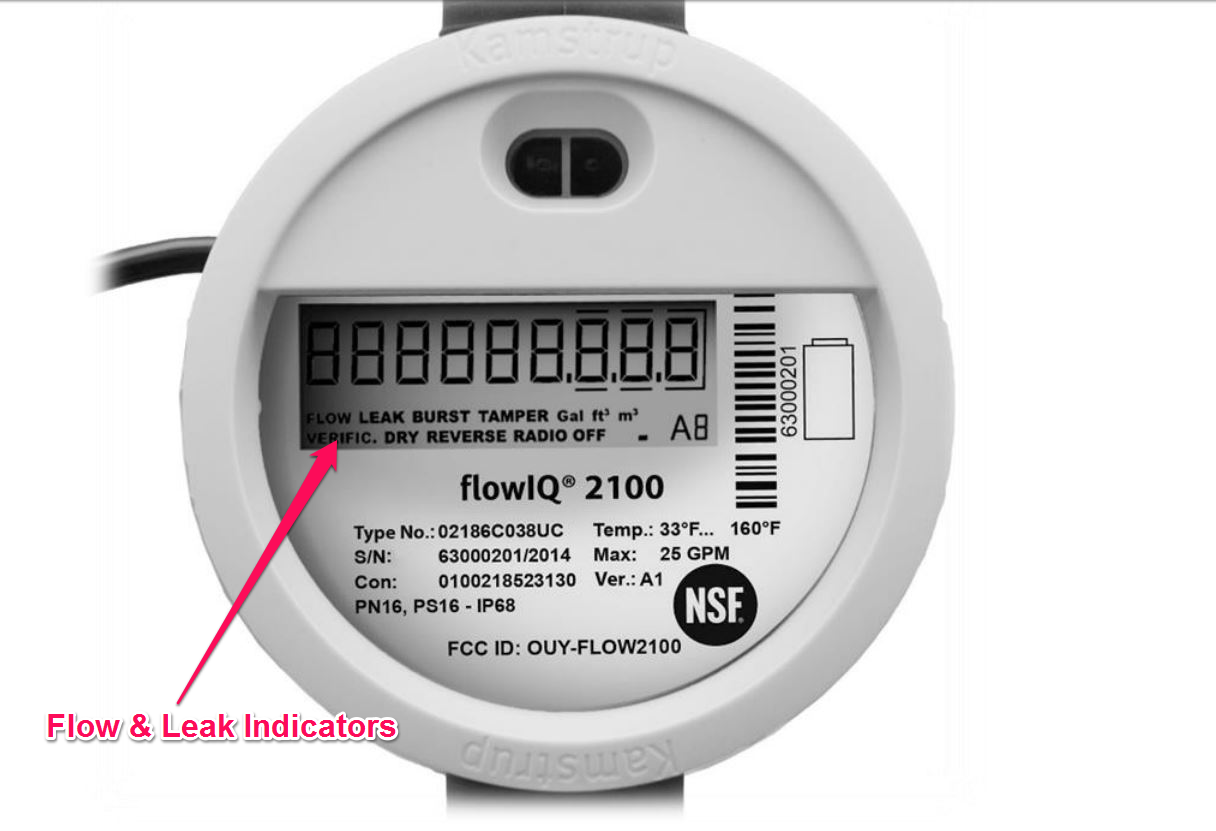
Let’s break down the most common type first: the digital display. This is usually a series of black numbers on a white background, similar to the numbers on your electricity meter. You’ll see a sequence of digits, like 0012345.6. These numbers represent the total amount of water that has passed through your meter since it was last reset. Think of it like keeping track of your mileage on a road trip – it’s a running total.
The Digital Dive
When you’re reading a digital meter, you’re primarily interested in the whole numbers. Those little numbers after the decimal point, usually in a different color or smaller size, represent fractions of a unit of water. For most readings, you can ignore them. So, if your meter reads 0012345.6, you’d focus on the 12345. This means 12,345 units of water have been used.
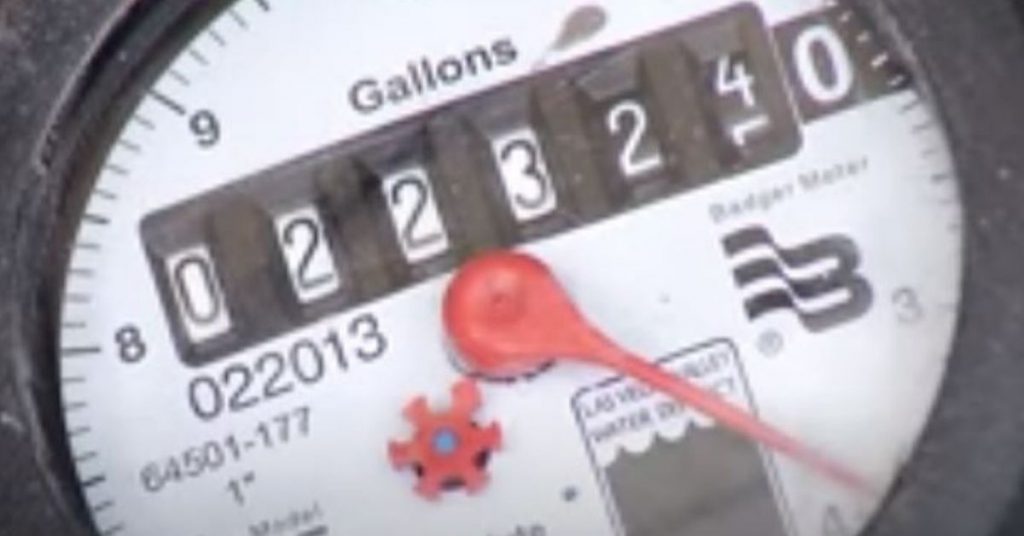
What are these "units" you ask? This is where it gets a tiny bit technical, but stick with me! They’re usually measured in gallons or cubic feet. Your water bill will tell you which unit your utility company uses. For example, if it’s in gallons and your meter reads 12345, that’s 12,345 gallons of water. If it’s in cubic feet, it’s 12,345 cubic feet. It’s like knowing whether you’re measuring your ingredients in cups or ounces – just a different way of counting.
The Dial Delight (Or Dread!)
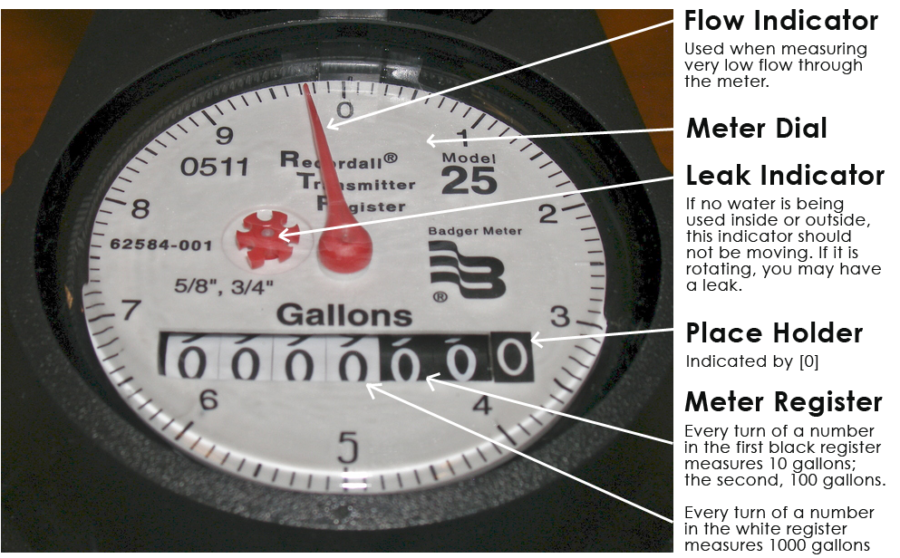
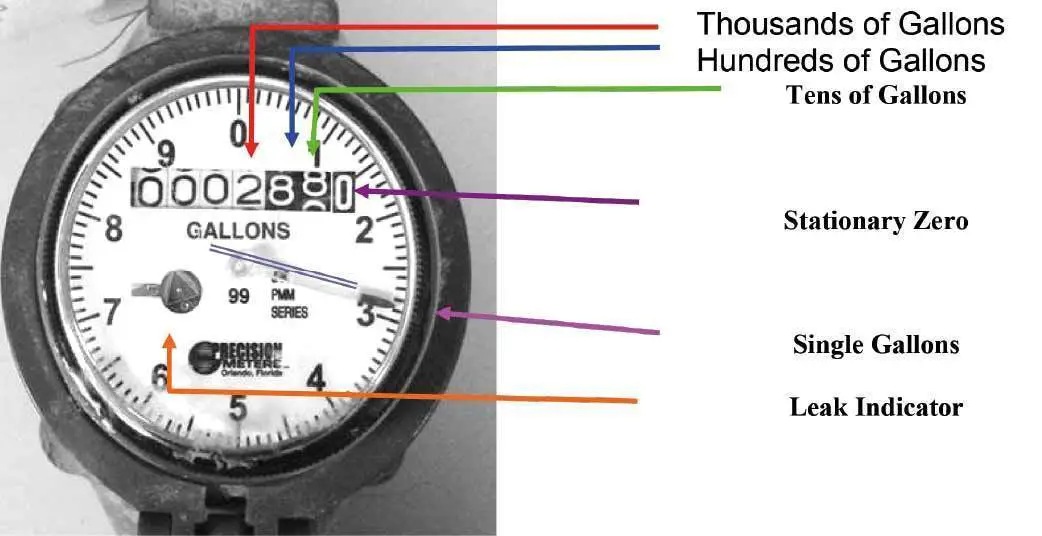
Now, for the older, dial-style meters. These can look a bit like a miniature merry-go-round with several little clocks on it. Each dial has a hand, and each hand points to a number from 0 to 9. This is where a little bit of careful observation comes in.
Think of each dial as representing a power of ten. The rightmost dial might represent single units (gallons or cubic feet), the next dial to the left would represent tens, then hundreds, and so on. The trick with dials is to read them from left to right.
Here’s a little tip: if a dial’s hand is pointing directly at a number, great! If it’s somewhere in between, you need to be a bit of a detective. You always round down to the nearest whole number the hand has passed. So, if a hand is between a 3 and a 4, but it hasn’t quite reached the 4 yet, you read it as a 3. It’s like deciding if you’ve finished a chapter in a book. If you’re halfway through, you haven’t finished it yet, right?
Some dials might have a special dial that looks a bit different, perhaps with a triangular pointer or a different background color. This is often your test dial. It's super sensitive and designed to move even with a tiny trickle of water. If this dial is moving when you’re pretty sure no water is being used, that’s a pretty good sign you might have a leak!
Why Bother, Anyway?
Okay, so you can read it. But why should you care? Beyond the obvious money-saving aspect, understanding your water meter can be incredibly empowering. Let’s say your bill suddenly spikes. Instead of just sighing and paying it, you can whip out your phone, take a quick trip to your meter, and compare your reading to the one on your bill. If there’s a discrepancy, you have a starting point to discuss it with your water company. It’s like having your own personal water detective kit!
And then there’s the leak detection magic. Imagine the quiet drip, drip, drip of a leaky faucet. It seems insignificant, right? But over time, that tiny drip can add up to gallons and gallons of wasted water. If you’re worried about leaks, there’s a super simple trick:
First, make sure all your faucets are off, your dishwasher isn’t running, and your toilet isn’t making any funny gurgling noises. Then, go out and read your water meter. Write down the numbers. Now, wait for an hour or two (or even overnight, if you’re feeling extra diligent). Come back and read the meter again. If the numbers have changed, and you’re certain nothing was used, congratulations! You’ve just uncovered a leak. It's like finding a hidden stash of your favorite cookies – you know something is there that shouldn't be.
This can save you a lot of money and, more importantly, a lot of wasted water. In some places, water is becoming a more precious resource, so being mindful of our usage is becoming increasingly important for everyone. It’s a small act of environmental responsibility that can have a big impact. Think of it as being a good water citizen!
Making it a Habit
Getting into the habit of reading your meter might seem like another chore, but it doesn’t have to be. Try linking it to something you already do. Maybe you read it every time you get your water bill. Or perhaps you make it a quick check once a month, perhaps when you’re out getting the mail. It takes literally 30 seconds, and the peace of mind (and potential savings!) is totally worth it. It's like a quick wellness check for your home's plumbing system.
So, next time you see that humble meter box, give it a nod. It’s working hard for you, and a little bit of your attention can go a long way. You’ll be a water-saving whiz, a bill-checking champion, and a more informed homeowner, all thanks to that little ticking hero. And who knows, you might even start to appreciate the quiet hum of efficiency it represents.