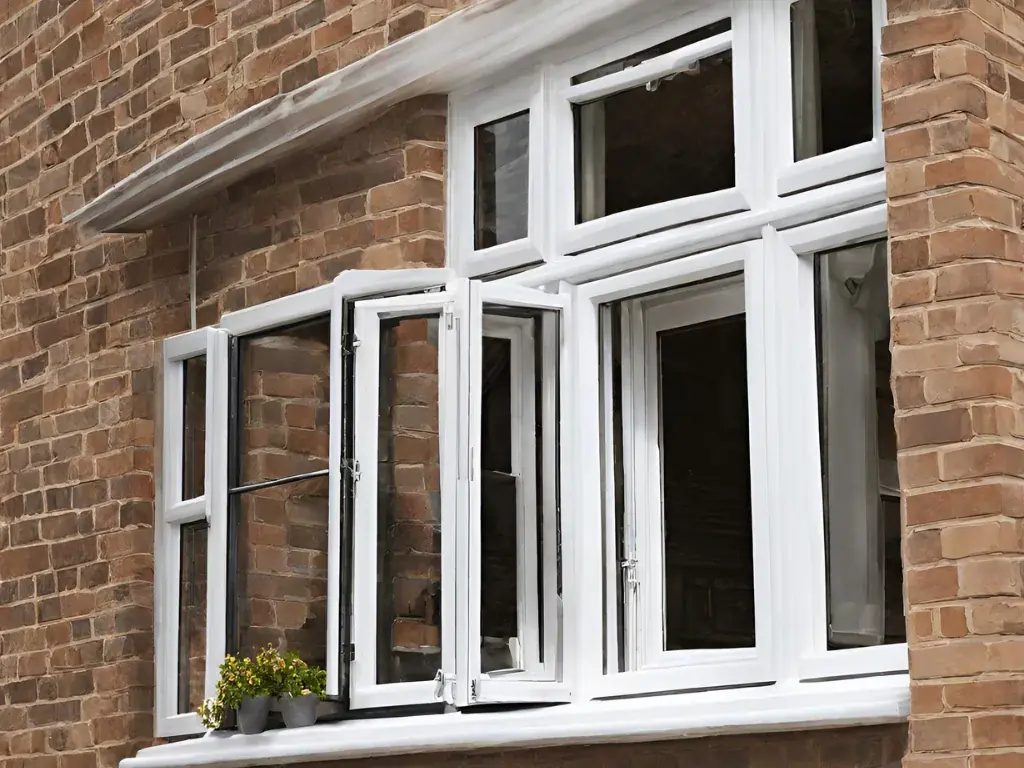
How Do You Paint A Upvc Door

Hey there, DIY dreamers and door enthusiasts! Ever looked at your UPVC door and thought, "You know what? You're a little… beige. A little… predictable." Yeah, I've been there. That trusty white or grey UPVC door, bless its heart, is the ultimate in low-maintenance, but sometimes it just needs a little pizzazz! So, you've decided to take the plunge and paint it. Awesome! But before you go rummaging for your grandma's old house paint (please don't!), let's have a little chat about how to actually do this. Don't worry, it's way less daunting than it sounds. Think of it as giving your front door a super fun makeover!
First things first, let's clear up a common misconception. You can't just slap any old exterior paint onto UPVC. Nope, nope, nope. It's like trying to hug a slippery eel – it just won't stick! UPVC is a bit of a diva, and it needs special treatment. But fear not, this special treatment is totally achievable for us mere mortals with a bit of elbow grease and the right supplies. So, ditch the regular exterior emulsion and let's get down to brass tacks.
The 'Why Bother?' Section (Spoiler: It's Worth It!)
Why paint your UPVC door, you ask? Besides the obvious aesthetic upgrade (turning that drab entrance into a showstopper!), there are other perks. A fresh coat of paint can actually help protect your door from the elements. Think of it as a stylish, colorful superhero cape against sun, rain, and the occasional rogue squirrel attack. Plus, it’s a fantastic way to personally inject some style into your home. Your front door is the first thing people see, so why not make it say "Wow, these guys have taste!"?
Must Read
And let's be honest, sometimes you just get bored. Your taste evolves, your kids' crayon masterpieces are practically falling off the walls, and that door… well, it’s just there. Painting it is a relatively inexpensive way to give your entire home's facade a serious facelift without calling in the big guns (or breaking the piggy bank).
Gathering Your Arsenal: What You'll Need
Alright, time to get our DIY superhero capes on! Here’s what you’ll need to have in your toolkit before we even think about picking up a brush:
The Magical Paints (and Primers!)
This is crucial. You need a paint specifically designed for UPVC. These are usually acrylic-based and formulated to adhere to smooth, non-porous surfaces. Brands like Ronseal, Rust-Oleum, and Leyland often have great UPVC paint ranges. You can usually find them in spray cans or small tins for brush application. Spray cans are chef’s kiss for a smooth, even finish, but if you’re nervous about overspray or have a smaller door, a good quality brush will do the trick.
And the primer! Oh, the primer. Don't skip this step, even if your paint says "no primer needed" with a winky emoji. For UPVC, a special UPVC primer is your best friend. It creates a grippy surface for the paint to actually stick to. Think of it as the handshake before the big hug – it ensures a solid connection!

Cleaning Supplies: Because Grime Happens
You’ll need a good degreaser. A strong household cleaner like Sugar Soap or even a mild solution of washing-up liquid and water will work wonders. You'll also need some clean cloths or sponges. No one wants to paint over yesterday's forgotten biscuit crumbs, right?
Sanding Gear (Lightly!)
Now, here’s where it gets a tiny bit counter-intuitive. You do need to do a very light sanding. We’re not trying to create a smooth, polished finish here. We’re just giving the surface a little bit of ‘tooth’ for the primer to grab onto. Think of it like giving your door a gentle scratch to wake it up. A fine-grit sandpaper (around 240 grit) or a scuffing pad is your weapon of choice here. Seriously, we’re talking a very light scuff. Don’t go overboard!
Masking and Protection: Keep it Clean!
You’ll need masking tape (the good stuff that doesn’t leave sticky residue!), and plastic sheeting or old newspapers to protect surrounding areas. If you're spraying, you’ll need even more protection. We don't want your prize-winning petunias to suddenly sport a avant-garde shade of navy blue, do we?
Application Tools: Brush or Spray?
If you’re brushing, opt for a high-quality synthetic brush that’s suitable for water-based paints. If you're spraying, make sure you've got a well-ventilated area and know how to use your spray can or gun. Sprays often give the most professional finish, but require a bit more prep and caution. For a beginner, I’d lean towards a good brush and UPVC paint in a tin, unless you’re feeling brave!
The Grand Plan: Step-by-Step Door Transformation
Okay, got all your bits and bobs? Fantastic! Let's get this show on the road. Remember, patience is key, and a little bit of care goes a long way. No rushing! Your door deserves your undivided attention.
Step 1: The Great Degrease (The 'Clean Freak' Stage)
First up, we need to get that door sparkling clean. Grab your degreaser or soapy water and a cloth. Go over the entire door, paying close attention to any areas where the sun hits it most (oily residue from fingerprints, anyone?). Rinse it thoroughly with clean water and let it dry completely. Seriously, let it dry. Dampness is the enemy of good paint adhesion. Use a clean, lint-free cloth to pat it dry if you're impatient, but air-drying is best.
Step 2: The Gentle Scuff (The 'Wakey-Wakey' Stage)
Now for that light sanding. Grab your fine-grit sandpaper or scuffing pad. Give the entire surface of the door a very light scuff. You’re not trying to remove the original finish; you’re just creating a slightly rougher texture for the primer to adhere to. Imagine you’re giving it a gentle tickle. Wipe away all the dust with a clean, dry cloth. You might want to follow this up with a slightly damp cloth to pick up any lingering dust, then let it dry again. Yep, more drying!
Step 3: Masking Mayhem (The 'Protect Your Assets' Stage)
This is where the masking tape and sheeting come out. Carefully tape around any areas you don't want painted. This includes the frame, hinges, letterbox, and any decorative elements that aren't going to be painted. Be precise! Take your time. Press the edges down firmly to prevent paint bleed. Drape your plastic sheeting or newspapers around the door and the floor to catch any drips or overspray. Again, no rushing! A well-masked area saves a world of pain later.
Step 4: The Priming Powerhouse (The 'Foundation of Dreams' Stage)
Time for the UPVC primer. If you’re using a spray primer, follow the can’s instructions for distance and application. Apply thin, even coats. If you’re using a brush-on primer, use your synthetic brush and apply it in smooth, consistent strokes. Don't try to get perfect coverage in one go; multiple thin coats are always better than one thick, gloopy one. Allow the primer to dry completely according to the manufacturer’s instructions. This is often a few hours, but check the tin!
Once the first coat is dry, you might want to give it a very light sanding with your fine-grit sandpaper again, just to smooth out any imperfections. Wipe away dust, and then apply a second coat of primer. This ensures a really solid base for your paint. Let the second coat dry thoroughly.
Step 5: The Colour Coating (The 'Unleash Your Inner Artist' Stage)
Now for the fun part – the colour! If you're using a spray paint, follow the instructions on the can for application, shaking it frequently. Apply thin, even coats, overlapping each stroke slightly. Work in a consistent direction. If you're brushing, use smooth, even strokes, working from top to bottom. Don't overload your brush! It's always better to apply multiple thin coats than one thick one that might drip or look streaky.
Allow each coat to dry completely before applying the next. This is usually a few hours, but again, check your paint’s instructions. Don't be tempted to rush this! Waiting is the hardest part, but it’s essential for a smooth, durable finish.
You’ll likely need at least two, and possibly three, coats of paint. The number of coats will depend on the colour you've chosen and the coverage of the paint. Darker colours might need more coats to achieve full opacity, especially if you’re painting over a lighter base.
Step 6: The Grand Reveal (The 'Ta-Da!' Stage)
Once your final coat of paint is completely dry – and I mean completely dry, give it a good 24 hours to be safe – it’s time for the big moment. Carefully peel off the masking tape. Go slowly and deliberately. If you’ve used good quality tape, it should come off cleanly, leaving crisp, sharp lines. If you notice any minor bleeds, you can carefully touch them up with a small brush and a tiny bit of your original door colour (if you have any left) or a bit of white spirit on a cloth to clean up the edge. Then, step back and admire your handiwork!
Troubleshooting: When Things Get a Bit… Wiggly
What if you get a drip? Don't panic! If the paint is still wet, you can often wipe it away with a damp cloth. If it’s dried, you might need to gently sand it down and reapply a thin coat. What if the tape leaves residue? A bit of Goo Gone or a mild solvent on a cloth usually does the trick, but test it in an inconspicuous area first!
If your paint isn't sticking, it's almost always down to inadequate preparation. Did you degrease thoroughly? Did you scuff the surface lightly? Did you use the correct primer? These are the usual culprits. But even if it's not perfect, remember, it’s your door, and a slightly imperfect, hand-painted door has its own charm!
A Little Word on Sprays
If you opt for spray paint, a few extra tips: use in a well-ventilated area (outdoors is best, or a very well-ventilated garage). Wear a mask and gloves. Practice on a piece of cardboard first to get a feel for the spray. Apply in light, even coats, holding the can about 10-12 inches away from the surface. And shake, shake, shake!
Beyond the Basics: Fun Colour Choices!
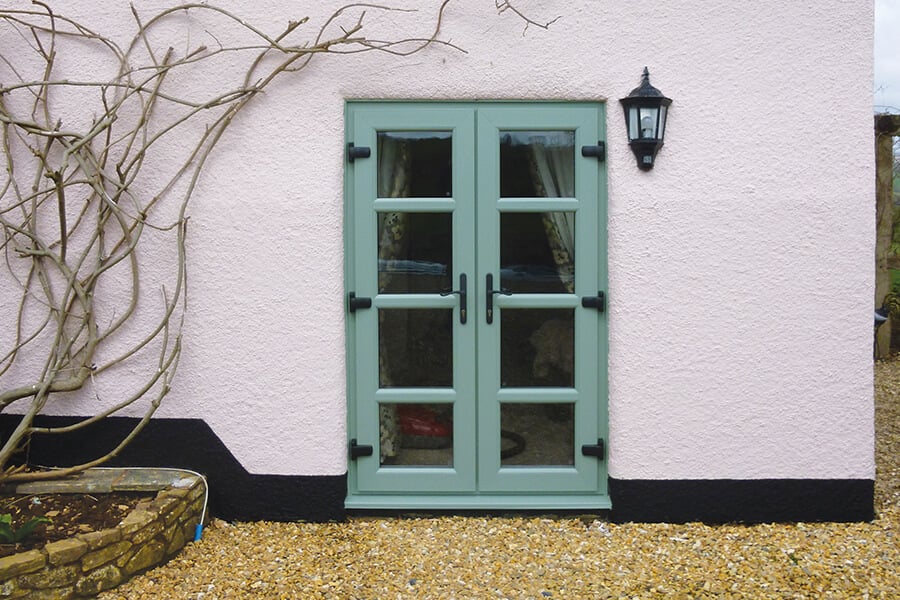
Now, about the colour. This is where you can really let loose! Think beyond the usual suspects. A vibrant teal, a cheerful sunshine yellow, a sophisticated charcoal grey, or even a bold, unapologetic red. Your front door is a canvas! Consider the colour of your brickwork, your roof, and your garden. What would create a beautiful contrast or a harmonious blend?
And don’t forget about different finishes! Gloss gives a super shiny, modern look. Satin offers a subtle sheen, and matte provides a more understated, sophisticated finish. Whatever you choose, make sure it’s an exterior-grade paint designed for UPVC.
The Uplifting Conclusion
So there you have it! You've conquered the UPVC door painting beast! You’ve transformed a dull, ordinary entrance into a statement piece that reflects your personality and style. Isn't that amazing? You took something functional and made it beautiful, all with your own two hands. That feeling of accomplishment? It’s the best kind of paint finish, if you ask me! Now, go pour yourself a celebratory cuppa, admire your newly vibrant door, and know that you’ve added a splash of joy to your home, one brushstroke (or spray!) at a time. Your front door is now officially saying, "Welcome, you fabulous person!" And who doesn't deserve that?