
How Do You Make 2 Stroke Fuel

Hey there, fellow adventurers and tinkerers! Ever found yourself staring at a trusty, ahem, enthusiastic little two-stroke engine – maybe on your vintage dirt bike, that kickin' old chainsaw, or even a zippy little outboard motor – and wondered, "How in the world do you get this thing humming?" Well, wonder no more! Today, we're diving into the wonderfully simple, yet surprisingly rewarding, world of making your own two-stroke fuel. It's not rocket science, folks, but it is the secret sauce that brings those little powerhouses to life!
Now, before you go picturing yourself in a hazmat suit, let me assure you: this is totally doable. In fact, it's one of those little skills that can add a whole lot of satisfaction to your life. Think about it – you're not just filling up a tank; you're actively participating in the magic of mechanical motion. Pretty cool, right?
The Not-So-Secret Ingredients
So, what exactly goes into this magical elixir? It's a two-part party, really. You've got your gasoline (your everyday pump gas, nothing fancy needed here) and your two-stroke oil. That's it! The magic happens when you get the ratio just right. It's like a secret handshake between the fuel and the oil, telling the engine, "Alright, partner, let's have some fun!"
Must Read
Why two ingredients, you ask? Well, unlike four-stroke engines that have separate oil reservoirs to keep things lubricated, two-stroke engines mix the oil directly with the gasoline. This mixture then travels through the engine, lubricating all those moving parts as it goes. It's a streamlined, no-nonsense approach, and honestly, I kind of admire that about them.
Gasoline: The Foundation of Fun
Let's start with the base. For most of your standard two-stroke applications, regular unleaded gasoline from your local gas station will do the trick. You don't need to go for the super-premium stuff unless your engine's manual specifically calls for it. Think of it as the sturdy foundation upon which all the exciting two-stroke action is built.
Now, a little tip for the road (or trail, or water!): try to use the freshest gas you can. Stale gas can lead to all sorts of grumpy engine behavior. If you've got a can of gas that's been sitting around for ages, it might be time to say goodbye to it. Fresh fuel equals happy engine, simple as that!
Two-Stroke Oil: The Unsung Hero
This is where things get a little more specific, but don't let that intimidate you. Two-stroke oil is specially formulated to burn cleanly along with the gasoline, providing the essential lubrication. It's not the same as the oil you'd put in your car, so make sure you're grabbing the right stuff. Look for bottles labeled "2-Cycle Oil" or "2-Stroke Oil."

You'll find different types of two-stroke oils out there, like mineral-based and synthetic. Synthetics tend to be a bit pricier, but they often offer better protection, cleaner burning, and can even make your engine smell a little nicer (some synthetics have fruity scents – who knew engine fumes could be so delightful?). For most casual users, a good quality conventional or semi-synthetic oil will serve you perfectly well.
The Golden Ratio: Where the Magic Happens
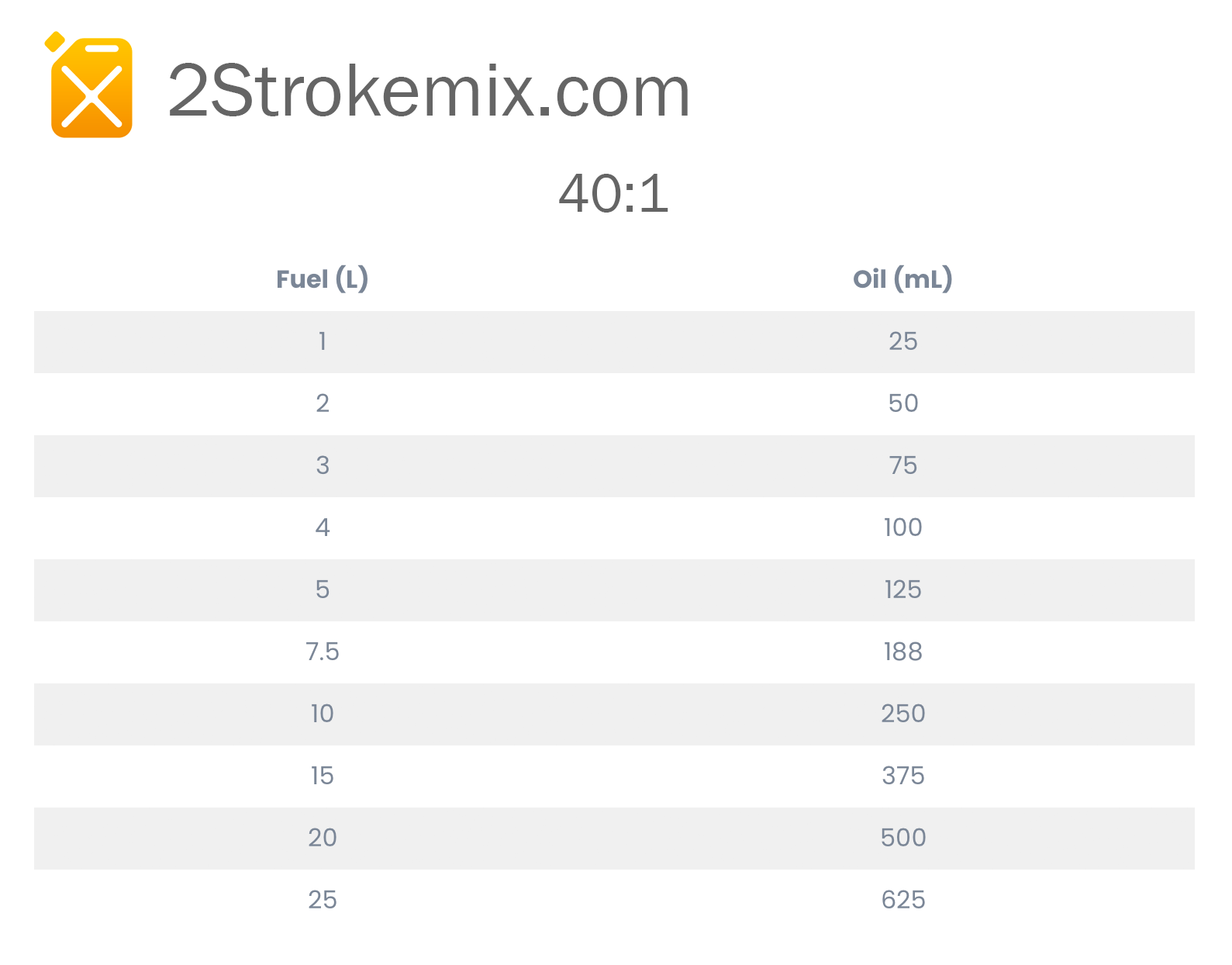
Ah, the ratio! This is the heart and soul of making your own two-stroke fuel. You'll see different ratios recommended, like 50:1, 40:1, or even 25:1. What does this mean? It's the proportion of gasoline to oil. So, a 50:1 ratio means 50 parts gasoline to 1 part oil. Simple, right?
Always, always, always check your engine's manual for the recommended ratio. This is the most crucial step in the whole process. Using the wrong ratio can lead to anything from poor performance to serious engine damage. Think of it as following the recipe for your favorite dish – get it wrong, and it just won't taste as good (or in this case, run as well).
Why the variation in ratios? It often depends on the engine's design and how it's being used. More demanding applications or older engines might require a richer fuel mix (more oil) for added protection. For most modern recreational equipment, a 50:1 ratio is pretty common.

How to Measure: Precision for Performance
Okay, so you've got your gas, your oil, and you know your ratio. Now, how do you get them mixed correctly? This is where a little accuracy comes in handy, but it's not as daunting as it sounds. Most bottles of two-stroke oil have convenient measuring caps. You simply fill the cap to the desired mark based on the amount of gasoline you're using.
Let's say you're mixing 1 gallon (which is about 128 ounces) of gas for a 50:1 ratio. You'll need 128 ounces / 50 = approximately 2.56 ounces of oil. Your measuring cap will usually have markings for ounces or milliliters, making this super straightforward. It’s like playing a little game of "mixology" for your engine!
Alternatively, you can use measuring cups or graduated cylinders for more precision. The goal is to get that oil distributed evenly throughout the gasoline.
The Mixing Ritual: Getting it All Together
Once you've got your measurements, it's time for the fun part: mixing! The best way to do this is to use a clean, approved fuel container. Don't just pour everything into your gas tank directly – that's a recipe for an uneven mix and potential engine issues.
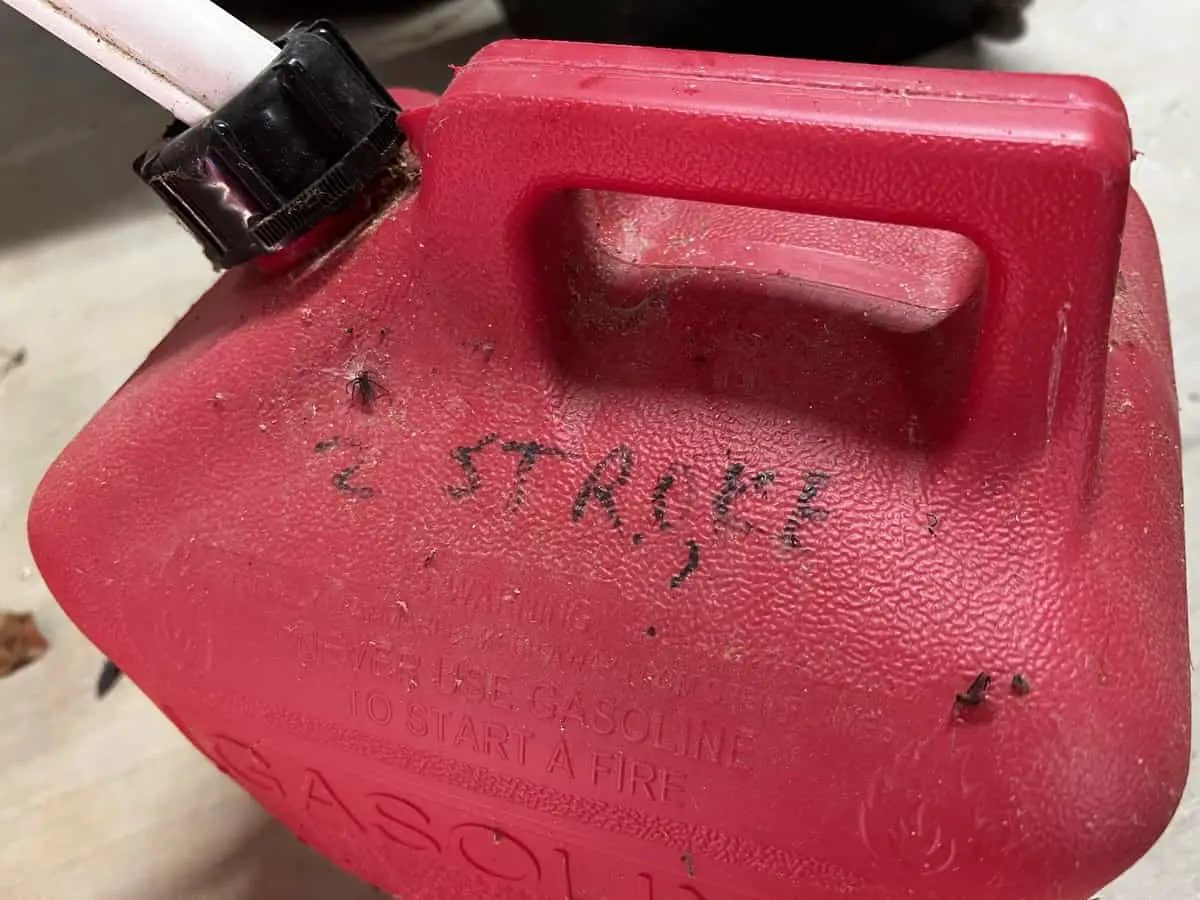
First, pour the gasoline into your fuel container. Then, add the measured two-stroke oil. Now, seal the container tightly and give it a good, gentle shake. You want to mix it thoroughly but not so vigorously that you create excessive fumes. A good 30 seconds to a minute of shaking should do the trick.
Why shake? This ensures the oil is evenly dispersed throughout the gasoline. If you don't mix it well, you could end up with areas of pure gasoline (leading to poor lubrication) or areas with too much oil (leading to smoky exhaust and fouled spark plugs). So, shake it like you mean it… but also like you're making a fine cocktail!
Safety First, Fun Second (But Always Fun!)
A quick word on safety, because even though this is lighthearted, we want everyone to stay safe. Always mix your fuel in a well-ventilated area, away from any open flames or sparks. Gasoline is flammable, and we don't want any unexpected fireworks, do we? Wear gloves if you're concerned about getting oil on your hands, and store your mixed fuel properly in approved containers.
This isn't about being scared; it's about being smart. When you're smart about it, you can focus on the pure joy of getting your machine ready for action!
Why This Matters: More Than Just a Fuel Mix
So, why go through the effort of mixing your own fuel? Well, for starters, it can often be more cost-effective, especially if you use your two-stroke equipment frequently. But beyond that, there's a real sense of accomplishment that comes with it. You're not just a consumer; you're a participant. You're learning a skill that connects you more deeply with your machines.
Think about the satisfaction of starting up that old chainsaw and knowing you prepared the very fuel that's making it roar. Or the thrill of hitting the trails on your dirt bike, fueled by your own carefully mixed concoction. It adds a layer of pride and enjoyment to every adventure. It's a small step, but it's a step towards self-reliance and a deeper appreciation for how things work.
This knowledge opens doors. You might start looking at other small engine maintenance with more confidence. You might even find yourself enjoying the smell of two-stroke exhaust (a surprisingly common affliction among enthusiasts!). It's a gateway to a world of tinkering, problem-solving, and pure mechanical fun.
So, the next time you need to fuel up that trusty two-stroke, don't shy away from mixing your own. Embrace it as a small, fun ritual. It’s a simple skill that unlocks a world of possibilities and makes every start-up a little more rewarding. Go on, give it a try! You might just discover a new passion, or at least, a cleaner-smelling afternoon.

