
How Do You Kill An Ants Nest
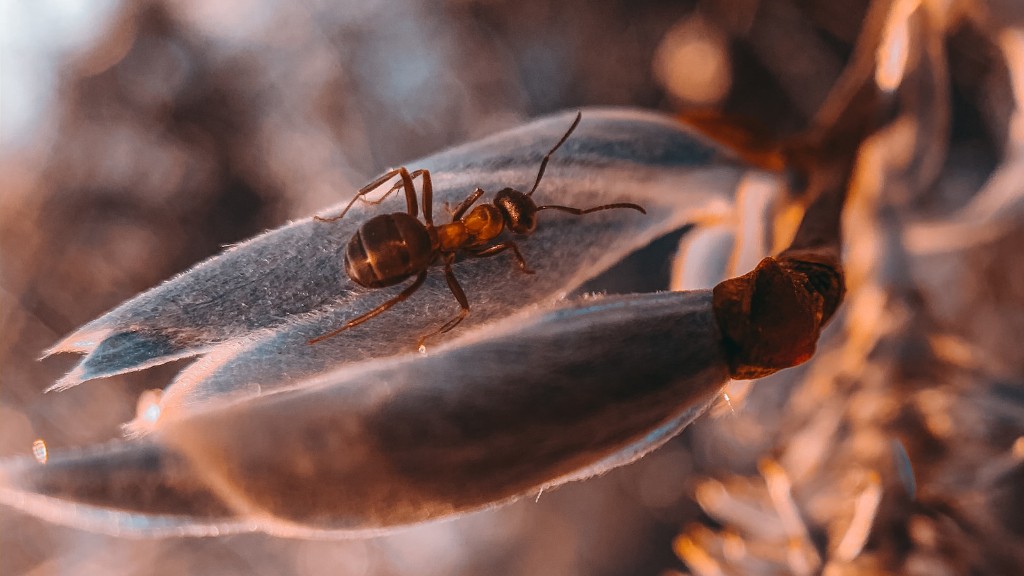
So, you've got an ant problem. Don't we all! It feels like one minute you're enjoying a perfectly peaceful afternoon, the next you've got a tiny, six-legged army staging a full-scale invasion of your kitchen. It’s enough to make you want to throw your hands up and declare, “Enough is enough!” But before you go all Indiana Jones on those little guys, let’s have a friendly chat about how to handle an ant nest. Think of me as your ant-whisperer (or maybe ant-annihilator, depending on your mood).
First off, breathe. It’s not the end of the world. Ants are fascinating creatures, really. They’re like tiny, industrious engineers, building their underground cities with precision. It’s just that sometimes, their city planning doesn’t quite align with ours. You know, like when they decide your countertops are prime real estate for their next buffet. Gourmet ant dining, anyone?
The key to tackling an ant nest is to understand that you’re not just dealing with a few scouts. You’re dealing with the entire colony. And that usually means a queen, a whole lot of workers, and possibly even some future ants-in-training. So, simply squishing the ants you see marching in a line is like trying to bail out a sinking ship with a teacup. You might get a few, but the real problem remains hidden.
Must Read
The most effective way to deal with an ant nest is to target the source: the queen. She's the mother of all ants, laying eggs like there's no tomorrow. Get rid of her, and the colony eventually dwindles. It's a bit like removing the head honcho, you know? No queen, no more ants. Poof! Well, not exactly poof, but you get the idea.
Now, how do we get to the queen? Well, she's usually deep within the nest. So, we need to either lure the workers out to bring something back to her that… well, lets just say isn't the best for her digestion, or we need to directly attack the nest itself. Let’s explore both!
DIY Ant Annihilation: The Bait and Switch
This is probably the most common and, let’s be honest, easiest method for us mere mortals. It’s all about the bait. Ants are naturally attracted to food, especially sweet things. So, we’re going to use their natural instincts against them. Clever, right? Think of it as a culinary trap.
You’ve got a few options when it comes to bait. You can buy pre-made ant baits from your local hardware store, or you can get creative and make your own. For homemade concoctions, the general idea is to mix something sweet that they love with something that’s deadly to them. Think of it as a poisoned lollipop. Yummy for them, not so much for their long-term survival.

A classic homemade bait involves mixing borax (you can find this in the laundry aisle – it’s pretty common stuff!) with sugar or honey. A good ratio is usually about 1 part borax to 3 parts sugar or honey. Mix it well. You want it to be a paste-like consistency, something that the ants will find irresistible.
Once you’ve got your bait ready, you need to place it strategically. You’re looking for where the ants are coming from or going to. Follow their little trails. They’re like tiny, determined explorers, and where they’re going is usually towards their nest or a food source. Place small dabs of your bait near these trails, but out of reach of children and pets. This is super important. We don’t want any unintended casualties in our war on ants. Safety first, even when waging tiny insect warfare!
The beauty of bait is that the worker ants will carry the poisoned bait back to the nest, sharing it with the queen and other ants. It’s a slow burn, this method. You won't see an immediate mass exodus of dead ants. Instead, you'll see the ant population gradually decline over a few days or weeks. Be patient! It's like watching a slow-motion movie of ant doom. Dramatic, isn't it?
You might even see an initial surge in ant activity around the bait. Don’t panic! That’s a good sign. It means they’re finding your irresistible offering and are enthusiastically sharing it with their friends and family. Resist the urge to spray them at this point. You want them to take the poison back to the nest.
Natural Ant Antagonists: The Gentle (but effective) Approach
Now, if you're more of a "let's try to be nice about it" kind of person, or if you have little ones or furry friends who might get into the borax (even if you're being super careful), there are some more natural methods you can try. These might not be as aggressive as chemical baits, but they can be surprisingly effective in deterring ants and making your home less appealing to them.

One popular natural deterrent is vinegar. Ants hate the smell of vinegar. It disrupts their scent trails, which they use to communicate and navigate. So, mix equal parts white vinegar and water in a spray bottle. Spray this solution liberally around ant entry points, along baseboards, and even directly on ant trails you see. It smells a bit… well, like vinegar to us, but to ants, it’s like a chemical warfare zone. They'll likely turn around and go looking for a less pungent neighborhood.
Another nifty trick is using lemon juice. Similar to vinegar, the acidity and strong scent of lemon juice can confuse and repel ants. You can use straight lemon juice or dilute it with water. Spray it around windows, doors, and anywhere you see ants marching. Plus, your home will smell wonderfully fresh afterwards! Double win!
What about those little crawlers themselves? Some people swear by diatomaceous earth (DE). Now, this isn't the kind you'd find in a swimming pool filter, so don't get confused! You want food-grade DE. It’s a powder made from fossilized algae, and it’s absolutely deadly to insects with exoskeletons. It works by scratching their outer shells, causing them to dehydrate. It’s like tiny, microscopic shards of glass to them. A little sprinkle of DE around the outside of your home, near entry points, or even on ant trails can create a formidable barrier.
Remember, the key with natural methods is often persistence. You might need to reapply them regularly, especially after rain if you’re using them outdoors. Think of it as a constant rearguard action. You’re making your home so unappealing that they’ll eventually throw up their tiny hands and relocate.
When All Else Fails: The Nuclear Option (or just calling a pro!)
Okay, so you’ve tried the baits, you’ve doused everything in vinegar and lemon juice, you’ve sprinkled diatomaceous earth like you’re making a fairy garden, and those persistent little invaders are still having a party in your pantry. It happens! Sometimes, the ant problem is just bigger than our DIY skills can handle.
In these cases, it’s perfectly okay to throw in the towel and call in the professionals. Pest control services have access to stronger, more targeted treatments that can effectively deal with large or particularly stubborn ant infestations. Think of them as the elite forces of ant eradication. They’ve got the gear, the knowledge, and the sheer willpower to get the job done.
When you call a pest control service, they’ll typically send someone out to assess the situation. They’ll identify the type of ants you have (because, surprise! There are lots of different kinds, each with their own preferences) and then recommend the best course of action. This might involve targeted chemical treatments, baiting systems that are more advanced, or even exclusion methods to prevent them from coming back.
Don’t feel like a failure if you need to call in the pros. It’s a smart move! It saves you time, frustration, and potentially wasted money on ineffective treatments. Plus, knowing that someone with expertise is handling the situation can bring a huge sense of relief. They’re the ones who can really get to the root of the problem and ensure those ants are, well, dealt with.
Finding the Nest: The Ultimate Detective Work
If you're feeling particularly adventurous and want to try and locate the nest yourself, this can be a fun (and slightly gross) challenge. It's like being a nature detective! You're looking for clues to uncover their hidden fortress.
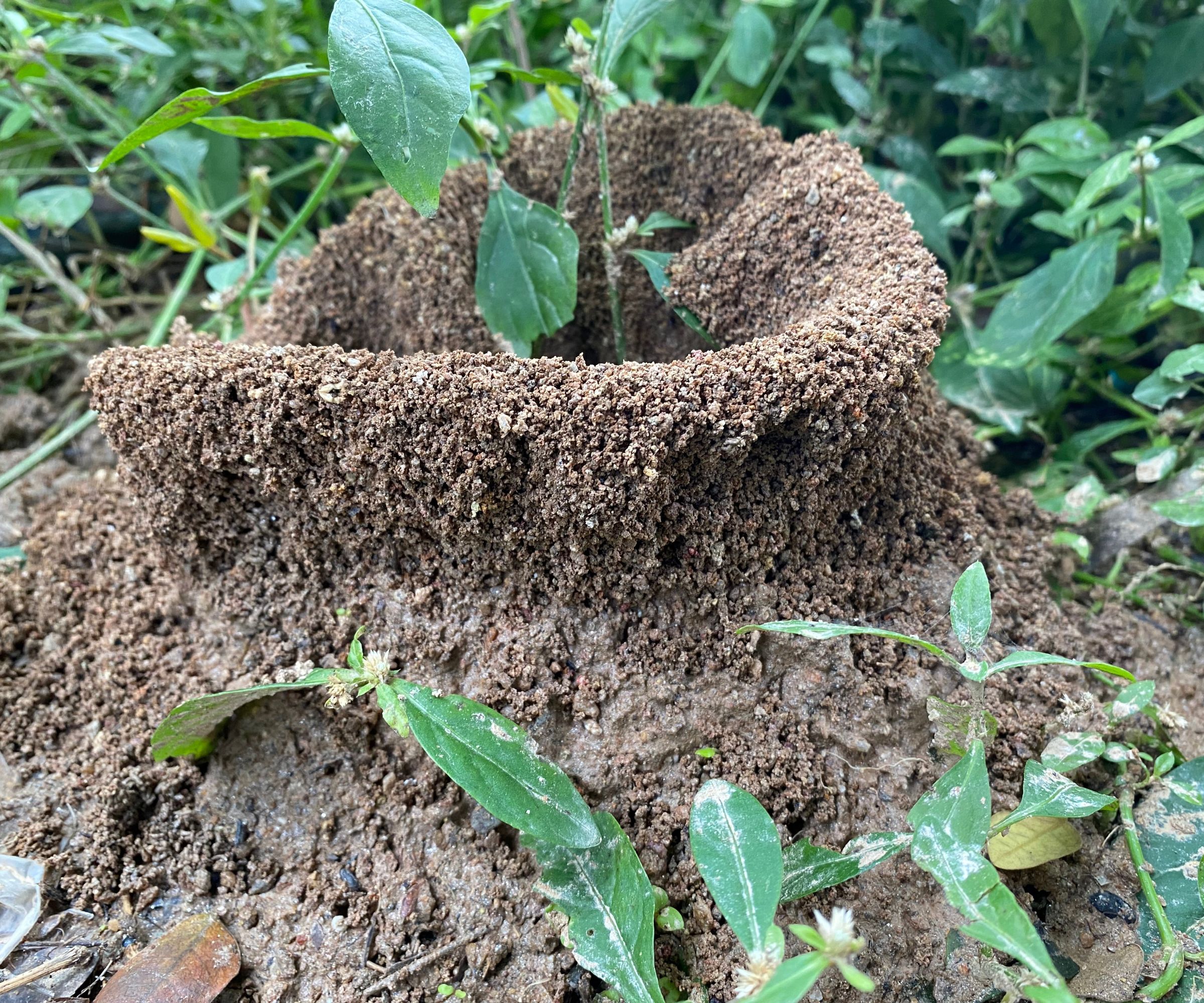
Ant nests are often found outdoors, in places like under rocks, in rotting logs, around foundations of buildings, or even in mounds of soil. If you see a steady stream of ants marching in a particular direction, especially in the morning or late afternoon, try to follow them discreetly. They might be heading back to their nest.
If you can locate the nest, you have a few more direct options. You could try pouring boiling water directly onto the nest. This is a quick and effective way to kill a lot of ants and the queen if she's near the surface. Be careful, though! Boiling water is, well, boiling. And you don't want to scald yourself or damage your surroundings.
Another option is to use an ant killer spray specifically designed for nests. These are usually more potent than the baits you use indoors. Again, follow the product instructions carefully and be mindful of your surroundings, pets, and children. You might see a lot of ant activity immediately after spraying, as they try to escape. This is normal and, frankly, a little dramatic to watch.
The key to finding and destroying the nest is to be prepared for the possibility that it’s larger and more established than you initially thought. Sometimes, what looks like a small colony is actually just a satellite nest for a much larger operation. But hey, every little bit of effort helps!
And so, my friend, you are now armed with the knowledge to face your tiny, six-legged adversaries. Whether you choose the patient approach of baiting, the refreshing scent of citrus and vinegar, or the decisive action of a professional, remember that you've got this. Dealing with ants can be a bit of a nuisance, but it’s a common part of life, especially when the weather warms up. Don’t let them get you down!
The most important thing is to be prepared, be persistent, and, most importantly, don't be afraid to get creative. After all, a home free from invading ant armies is a home that’s ready for more important things – like relaxing, enjoying a meal without tiny guests, and maybe even a little victory dance. You’ve earned it! Now go forth and conquer (humanely, of course)!

