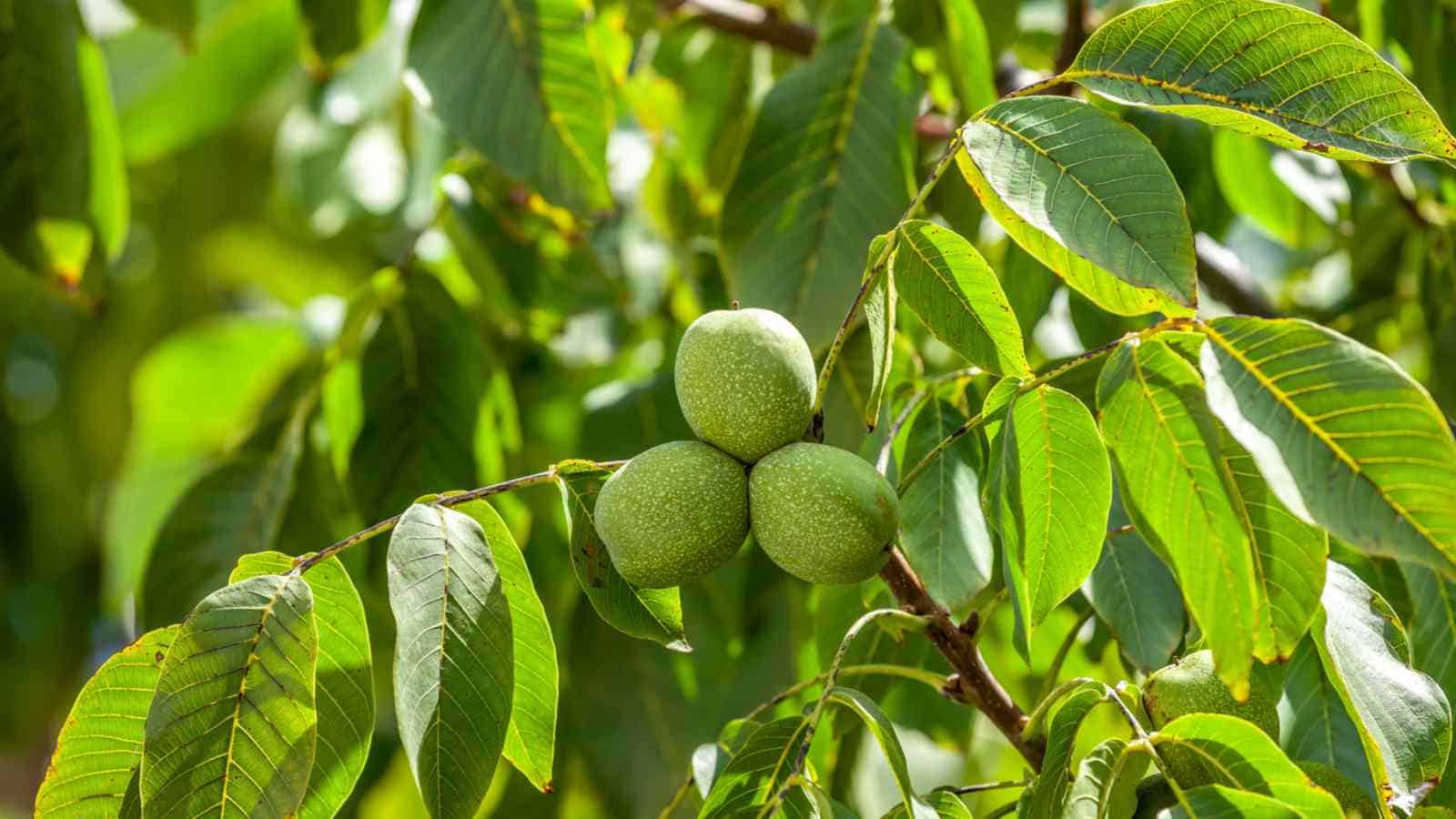
So, you’ve got a craving for walnuts. Maybe you’re picturing cozy autumn afternoons, cracking shells with a satisfying crunch, or perhaps you just love the nutty flavor in your favorite baked goods. Whatever your reason, the thought of growing your own walnut tree might be tickling your fancy. And guess what? It’s not as daunting as it sounds! It’s actually a journey filled with a bit of patience, a dash of surprise, and a whole lot of potential for delicious rewards.
Let’s start with the very beginning: the nut itself. You can’t just stick any old walnut in the ground and expect a majestic tree. Think of it like picking a prize-winning puppy; you want a healthy, happy little starter. The best way to begin is with a seed, also known as a 'nut' in its embryonic stage. And here’s a fun little secret: walnuts, like many of us, are a bit picky about waking up. They need a good chill, a period of pretending to be hibernating, to get their internal clock set for spring growth. This process is called stratification, and nature usually takes care of it for you if you plant them in the fall. If you’re a planner and get your nuts in spring, you might need to give them a little help in the fridge for a few months – like a tiny, nutty spa treatment.
When you find the perfect spot for your future giant, think about space. Walnut trees are not shy; they grow big and beautiful. They need room to stretch their branches and spread their roots. Imagine a toddler with a new toy – they need space to explore and get into everything! So, pick a sunny spot, away from buildings and other plants that might feel a bit crowded. It’s like finding the perfect penthouse suite for your tree, with plenty of natural light and no noisy neighbors.
Digging the hole is where the real work (and excitement!) begins. Don’t make it too deep or too narrow. You want the roots to have a nice, comfy bed to settle into. Think of it as tucking your little seedling in for the night, making sure it’s snug and secure. Gently place your stratified nut or seedling in the hole, pointy end up if you’re starting from a nut. Then, cover it with soil, pat it down gently, and give it a good drink of water. It’s like a baby’s first bath – a bit messy, but oh-so-necessary!
Now, here’s where the patience really kicks in. Walnut trees are not overnight celebrities. They take their time. You might see a tiny sprout poking its head out in the spring, a little green hello from the earth. This is your tree saying, "I’m here, and I’m ready to grow!" For the first few years, it’s all about establishing strong roots and a sturdy trunk. You'll be its guardian angel, making sure it has enough water, especially during dry spells, and keeping pesky weeds at bay. It’s like raising a teenager; a lot of nurturing and encouraging them to stand on their own two feet (or roots, in this case).
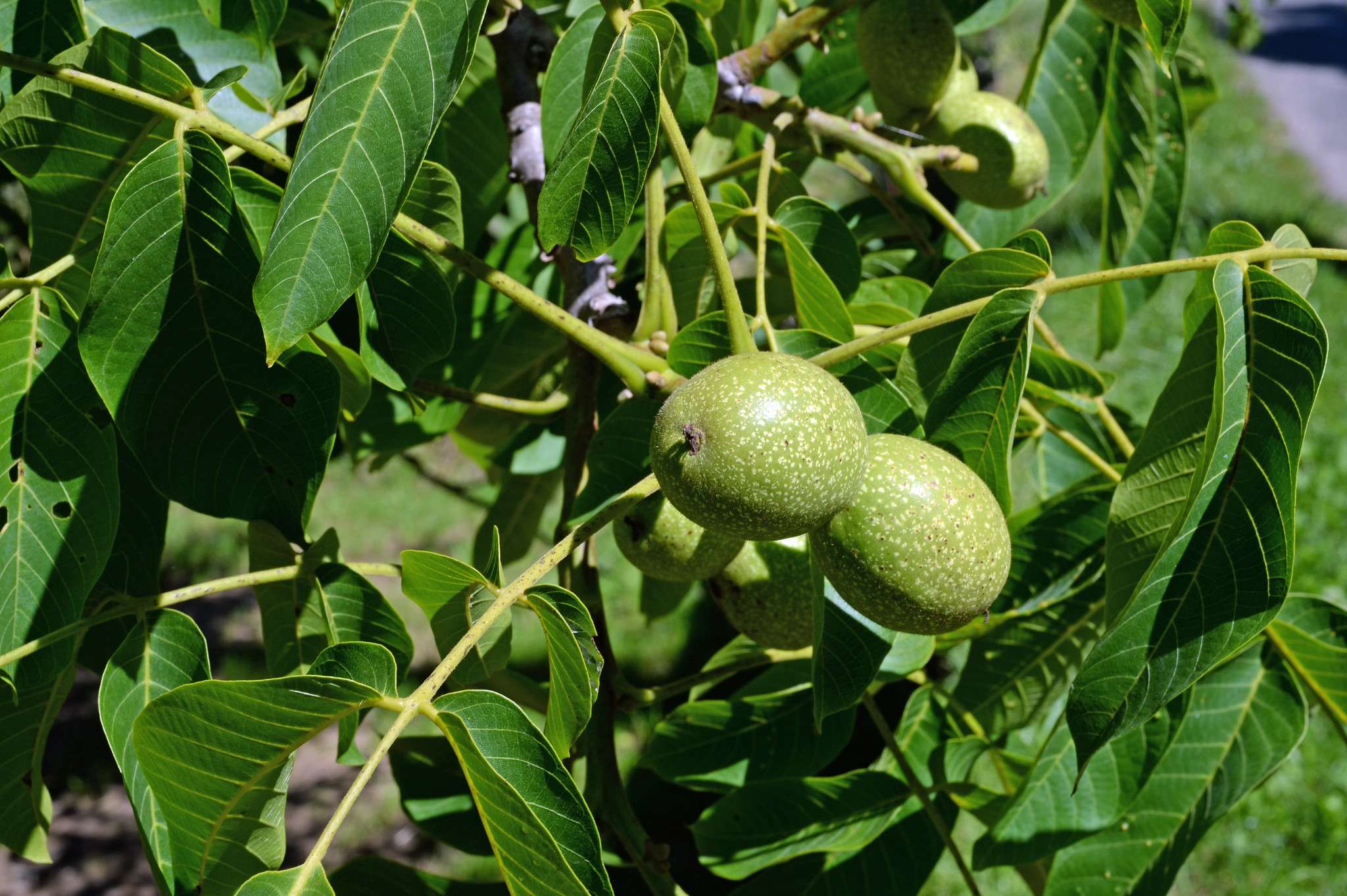
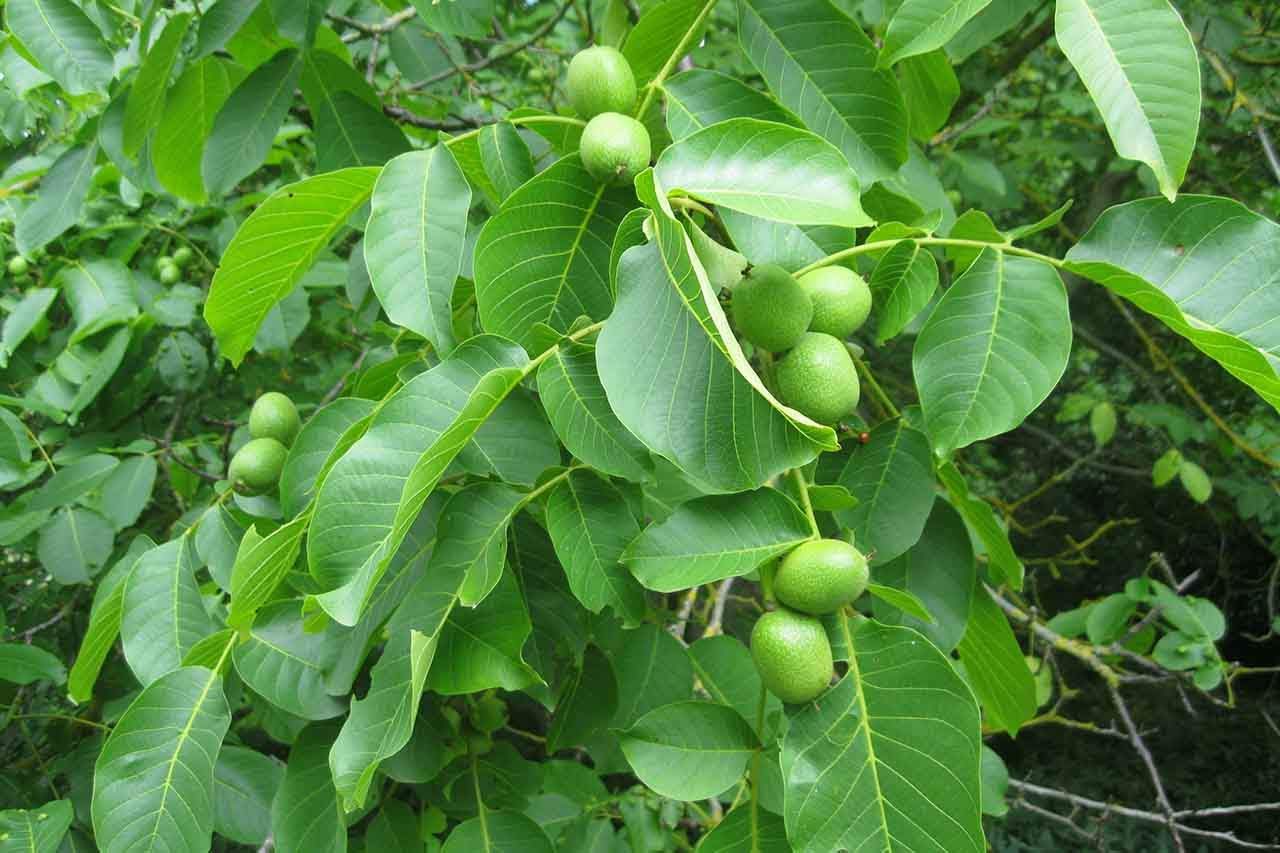
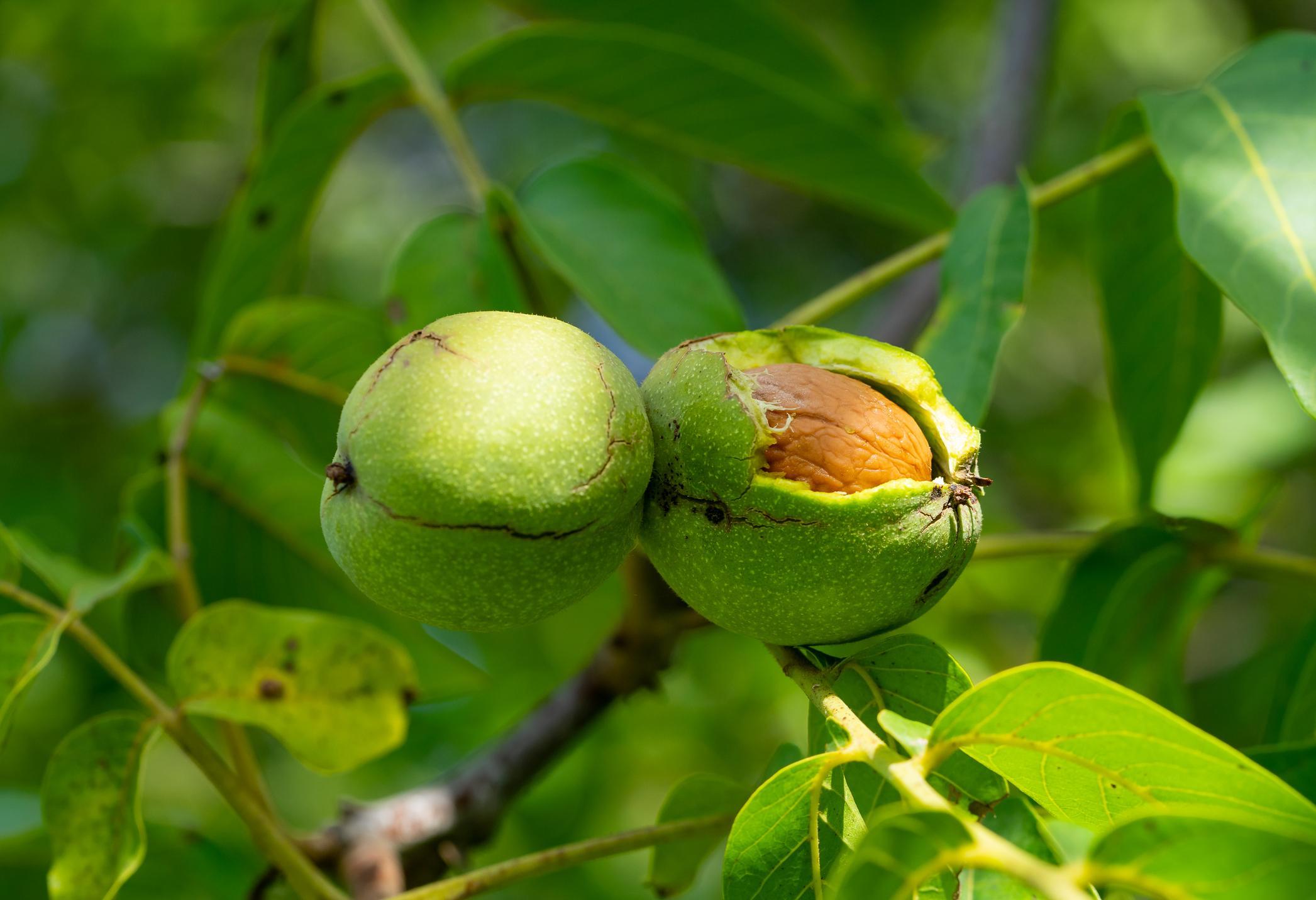
Walnut Tree Fruit
One of the most surprising things about walnut trees is their sense of independence. They don't need constant fussing. Once they’re a bit older, they’re pretty self-sufficient. They’ve got their own built-in watering system with those deep roots, and they’re experts at soaking up sunlight. You’ll find yourself admiring their resilience, their quiet strength. It’s like having a wise old friend in your backyard, always there, always growing, always providing a bit of shade and, eventually, a whole lot of nuts.
And the nuts! Oh, the nuts. The first harvest is a moment of pure triumph. It’s like finding treasure in your own backyard. You’ve nurtured this tree from a tiny seed, and now it’s gifting you with delicious, homegrown walnuts. The satisfaction is immense, and the taste? Well, let's just say, nothing beats a nut you’ve helped grow yourself.
How To Grow A Walnut Tree
Don't be alarmed if your young tree seems to have a mind of its own. Sometimes they’ll sprout in unexpected ways, or drop leaves at curious times. It’s all part of their unique personality. Think of them as quirky artists, expressing themselves through their growth. And speaking of unexpected… did you know that walnut trees can actually release something into the soil that discourages other plants from growing too close? It's called juglone, and it's their way of saying, "I need my space, folks!" So, if you have a favorite flower or vegetable that suddenly looks a bit sad near your walnut tree, now you know why. It’s not you, it’s the tree’s natural defense mechanism. A bit like a grumpy but well-meaning neighbor.
As your tree matures, it becomes a haven for wildlife. Birds will nest in its branches, squirrels will happily (and sometimes cheekily) gather its bounty, and it will offer a shady respite on hot summer days. It’s a mini-ecosystem, a vibrant part of your garden’s story. And the heart-warming part? Knowing that you’ve contributed to this living, breathing entity, providing a home and a source of sustenance. It’s a legacy that grows and flourishes, season after season.
So, if you’re looking for a project that’s both rewarding and a little bit magical, consider growing a walnut tree. It's a journey that teaches you about patience, resilience, and the simple, profound joy of nature’s gifts. Plus, who doesn’t love the idea of a lifetime supply of fresh, delicious walnuts, all thanks to your own green thumb (and a little bit of luck)? Happy planting!