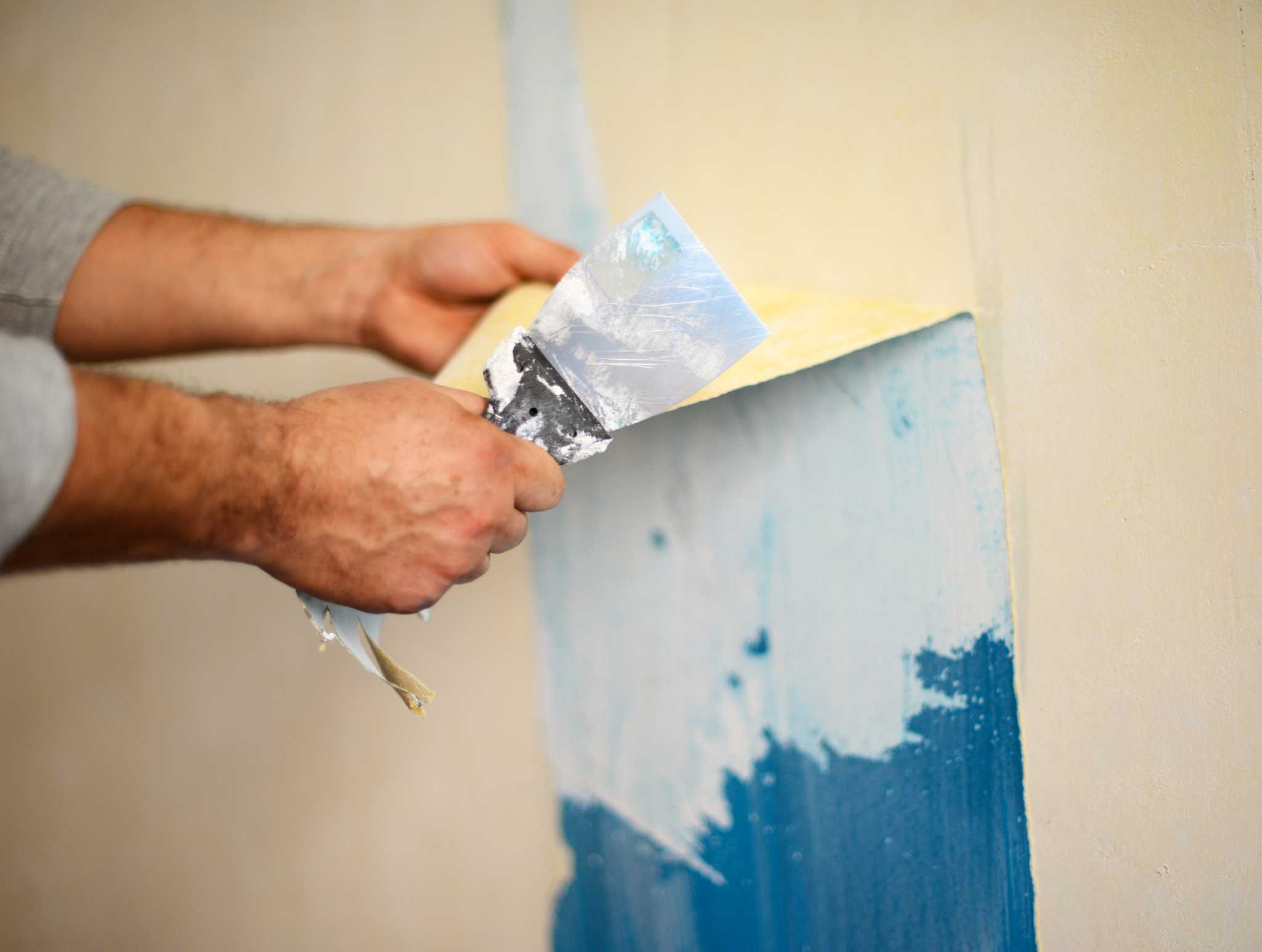
How Do You Get Paint Off Walls
Hey there, fellow paint-splattered warrior! So, you've had a little... artistic incident? Or maybe a rogue toddler decided your pristine walls were the perfect canvas for their masterpiece? Whatever the reason, you've found yourself staring at a splotch, a drip, or a whole glorious mess of paint where it absolutely shouldn't be. Don't panic! This isn't the end of your wall-based dreams. In fact, consider this your friendly, slightly-less-than-expert guide to getting that pesky paint off your walls. We're going to tackle this like a pro, or at least like someone who's Googled it a few times and learned from their mistakes (and trust me, there have been mistakes).
First things first, take a deep breath. You've got this. We'll break it down, no fancy jargon, just good old-fashioned elbow grease and a few smart tricks. Think of me as your virtual roommate, leaning over your shoulder with a cup of coffee and moral support. We're in this together!
The Great Paint Detective Work: What Kind of Paint Are We Dealing With?
Before we grab any weapons (okay, cleaning supplies), we need to identify our enemy. Is it the water-based, easy-peasy
Must Read
How do you tell? Well, if you're lucky, you have the leftover paint can staring at you, smugly displaying its contents. If not, you can try a little experiment in an inconspicuous spot (like behind a bookshelf – shhh, our secret). Grab a rag and some rubbing alcohol. If the paint comes off relatively easily, it's likely latex or acrylic. If it puts up a fight and barely budges, it might be oil-based. Another clue: oil-based paints often have a stronger, more chemical smell.
Pro tip: If it was painted recently and it’s a quick smudge, it’s almost always water-based. Those early moments are your best friend!
Water-Based Wonders: Latex and Acrylic Paint Woes
Alright, so you've identified the culprit as the friendlier, water-based variety. Excellent! This is where things start to feel a lot less like a battle and more like a spa day for your walls. For fresh splatters, you're in luck. Like a toddler who hasn't had their second wind yet, it's much easier to handle before it's dried and hardened.
The Gentle Approach: Soap and Water
This is your first line of defense, and often, it’s all you need. Grab a clean, soft cloth or sponge. Dip it in a bucket of warm water with a few drops of mild dish soap. Don't go overboard with the soap; we're not washing dishes here. Gently wipe the affected area. The key word here is gently. You don't want to scrub so hard that you start taking off the wall's paint, which would be a whole other adventure!
For more stubborn marks, you can let the damp cloth sit on the spot for a minute or two to help loosen the paint. Think of it as a mini steam treatment for your wall. Then, try wiping again. Rinse your cloth frequently so you’re not just smearing the loosened paint around.
Playful aside: If your wall could talk, it’d probably be saying, "Ooh, that's nice and warm!"
A Little Extra Oomph: Rubbing Alcohol
If soap and water are giving you the cold shoulder (meaning, the paint isn't budging), it's time to bring in the slightly more potent stuff: rubbing alcohol. This is a fantastic solvent for latex and acrylic paints. Again, grab a clean cloth or cotton ball. Dip it in rubbing alcohol (isopropyl alcohol, usually 70% or 91% strength works well).
Dab the paint spot with the alcohol. You should see it start to soften and lift. Again, use a gentle dabbing or wiping motion. You don't want to soak the wall. Work in small sections. Once the paint is lifted, wipe the area with a clean, damp cloth to remove any residue, and then dry it with a soft towel.
Important note: Always test rubbing alcohol in an inconspicuous area first, especially on darker or more delicate paint finishes. While it's generally safe for latex and acrylic, it's always better to be safe than sorry. We don't want to create a new problem while trying to solve an old one!
The Magic Wand: Magic Eraser
Ah, the humble Magic Eraser. This little melamine foam sponge is a marvel. It's essentially a super-fine abrasive that can lift scuffs and marks from walls like magic (hence the name, go figure). Dampen the Magic Eraser (don't soak it) and gently rub the paint mark.

Be aware that Magic Erasers are mildly abrasive. So, while they're usually safe for most painted walls, use a light touch. You don't want to rub away the paint finish itself. Think of it as a gentle exfoliation for your wall. If you rub too hard, you might get a slightly shinier spot where you've removed some of the paint's sheen.
Humorous thought: Does anyone else feel like they're conducting a tiny construction demolition with a Magic Eraser? Just me?
Oil-Based Obstacles: The Tougher Nut to Crack
So, you've discovered you're dealing with the more resilient, oil-based paints. Don't despair! It just means we need to step up our game slightly. These paints require a stronger solvent because, well, they’re oil-based and water just rolls off them like a duck's back.
Enter the Solvents: Mineral Spirits or Paint Thinner
This is where you'll need to bring out the big guns: mineral spirits (also known as white spirit) or paint thinner. These are powerful solvents specifically designed to break down oil-based paints. Please, please, please make sure you're working in a well-ventilated area when using these. Open windows, turn on fans – the works. You do not want to be breathing in these fumes for extended periods. Think of it as giving your walls a detox, but you need to detox yourself from the fumes!
Pour a small amount of mineral spirits or paint thinner onto a clean, soft cloth. Again, don't drench it. You want it damp, not dripping. Gently dab and wipe the oil-based paint mark. You should feel it start to soften and lift. Work in small sections and keep wiping with a clean part of the cloth.
Once the paint is removed, you'll want to clean the area with a mild soap and water solution to remove any solvent residue. Then, dry the wall thoroughly.
Safety first! Always read the instructions on the solvent you are using and wear gloves to protect your skin. These are strong chemicals, so treat them with respect.
Specialty Paint Removers
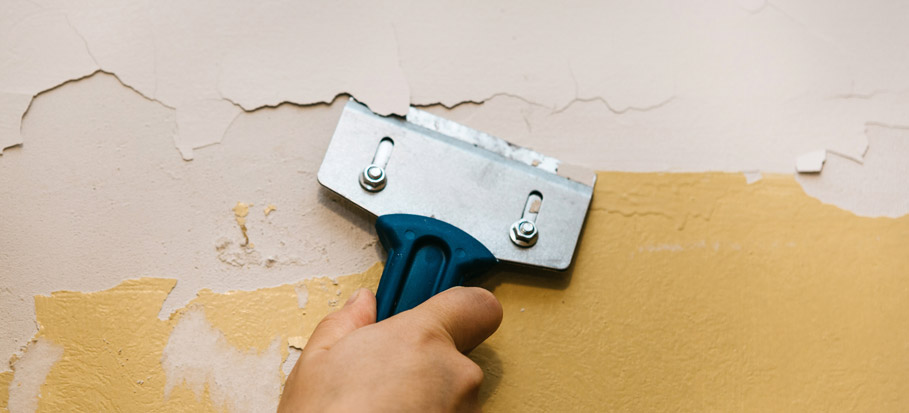
If mineral spirits and paint thinner aren't doing the trick, or if you're dealing with very old, caked-on paint, you might need a dedicated paint remover. These come in gel or liquid form and are designed for tougher jobs. Follow the product instructions meticulously. They often require a bit of dwell time for the remover to work its magic.
These can be more aggressive, so always, always test in an inconspicuous spot first. You'll also want to ensure excellent ventilation and wear protective gear (gloves, eye protection) as these can be quite potent.
When All Else Fails: The Art of Repainting
Look, sometimes, despite your best efforts, a paint mark just won't budge, or you've accidentally created a faint ghost of the mark. It happens to the best of us. Don't beat yourself up! This is where a little touch-up paint comes to the rescue.
If you have leftover paint from when the wall was originally painted, that’s your golden ticket! Use a small brush or a tiny roller to carefully paint over the affected area. Try to match the texture and sheen as best you can. Feather the edges of your touch-up paint so it blends seamlessly with the rest of the wall.

If you don't have the original paint, don't despair! You can take a small chip of the paint (gently pry it off the wall with a putty knife if you can) to a paint store. They have machines that can scan the chip and match the color perfectly. It’s like a paint DNA test!
Wise words: Sometimes, the easiest solution is to embrace the change and just repaint that section or even the whole wall. Think of it as a mini-home makeover!
Important Considerations for Wall Care
No matter what method you use, there are a few universal truths to keep in mind:
- Patience is a virtue: Don't rush the process. Gentle, repeated efforts are better than aggressive scrubbing that can damage your wall.
- Test, test, test: I can't stress this enough. Always test your cleaning solution or solvent in an inconspicuous area first.
- Ventilation is key: Especially when using stronger solvents. Fresh air is your friend.
- Protect your surroundings: Lay down drop cloths to protect floors and furniture, especially if you’re using solvents or doing a bit more extensive cleaning.
- Know your wall finish: Is it flat, eggshell, satin, semi-gloss, or gloss? Different finishes can react differently to cleaning agents. Glossier finishes are generally more durable and easier to clean than flat finishes.
Think of these as the commandments of paint removal. Stick to them, and you'll be a wall-cleaning ninja in no time.
So there you have it! Getting paint off walls doesn't have to be a monumental task. With a little know-how, the right tools, and a healthy dose of patience, you can banish those unwanted paint marks and restore your walls to their former glory.
And hey, if you’re reading this, it means you’ve faced the paint monster and you’re armed with the knowledge to defeat it. You’ve got this! Go forth and conquer those walls. May your walls be ever-paint-free and your spirits ever-bright!