How Do You Get Paint Off Carpet
Ah, the dreaded paint splatter! Whether it's a rogue drip from a DIY project gone wild, a curious toddler's artistic expression, or an accidental knock-over of a half-finished masterpiece, discovering a splotch of paint on your carpet can send a shiver down any homeowner's spine. But fear not, brave decorators and clumsy creators alike! Tackling paint on carpet is actually a surprisingly satisfying mini-adventure, a chance to transform a potential disaster into a testament to your problem-solving prowess. And let's be honest, the relief of seeing that vibrant color disappear from your beloved rug? Pure, unadulterated victory!
The purpose of knowing how to get paint off carpet is beautifully simple: to preserve the integrity and aesthetic appeal of your living space. No one wants their cozy haven to be a canvas for accidental art exhibits. These techniques are designed to be effective yet gentle, preventing permanent stains and keeping your carpets looking as good as new. The benefits are manifold: saving money on professional cleaning or carpet replacement, extending the lifespan of your existing carpets, and giving you the confidence to embrace your creative side without the lingering fear of permanent repercussions.
So, how do we embark on this mission to reclaim our carpets from the clutches of errant paint? The first and most crucial step is speed. The fresher the paint, the easier it is to remove. Think of it as a race against time, where your trusty cleaning arsenal is your trusty steed.
Must Read
The Game Plan: Wet Paint Woes
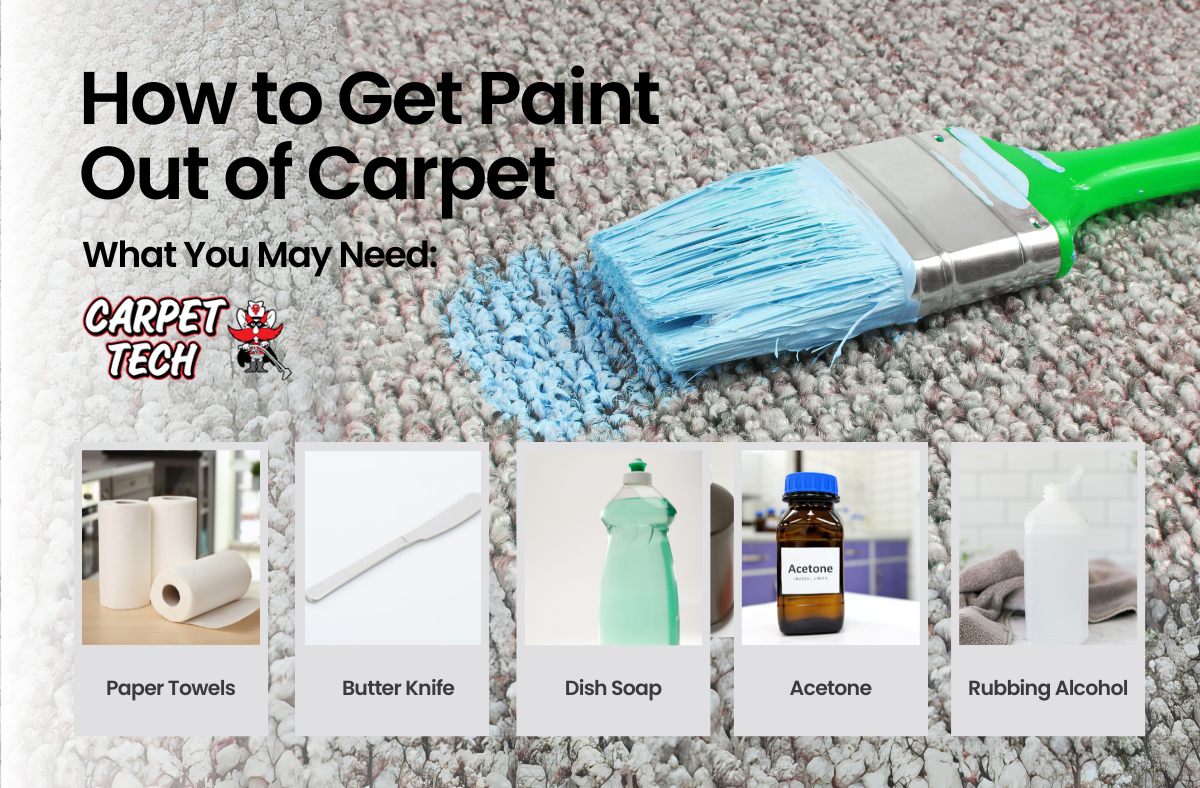
If you’ve caught the paint in the act, or shortly thereafter, you’re in luck! For water-based paints (think latex, acrylics), acting fast is your superpower. Grab a clean, white cloth or paper towels and gently blot the area. The key word here is blot, not rub. Rubbing will only spread the paint further into the carpet fibers, creating a bigger headache. Continue blotting, using a fresh section of the cloth each time, until you’ve absorbed as much of the wet paint as possible.
Once you’ve got the bulk of it, it’s time for a gentle cleansing solution. A mixture of mild dish soap and warm water is your best friend here. Dip a clean cloth into the soapy water, wring it out so it’s damp but not dripping, and start blotting again. Work from the outside of the stain inwards to prevent it from spreading. You might need to rinse your cloth frequently and repeat this process a few times. Patience is a virtue, and in this case, it’s also a stain-remover!
For stubborn residue, or if the paint has dried slightly, a little extra oomph might be needed. You can try a solution of white vinegar and water (a 50/50 mix). Apply it with a cloth and continue blotting. Vinegar is a fantastic natural cleaner and can help break down water-based paint residues.
Pro Tip: Always test any cleaning solution on an inconspicuous area of your carpet first to ensure it doesn't cause discoloration or damage.
After you’ve successfully lifted the paint, rinse the area thoroughly with clean water. This is important to remove any soap or vinegar residue that could attract dirt later. You can do this by dampening a clean cloth with plain water and blotting the area. Finally, pat the spot dry with a clean, dry towel or paper towels. You can even weigh down a thick layer of paper towels with something heavy, like a book, overnight to absorb any lingering moisture.
When Life Gives You Dried Paint…
Now, what if you’re dealing with dried paint? Don’t despair! This is where things get a little more challenging, but certainly not impossible. For dried water-based paints, you’ll want to try softening the paint first.

Start by gently scraping away any excess dried paint with a dull knife or the edge of a credit card. Be careful not to damage the carpet fibers. Once you’ve removed the loose bits, you can try applying a bit of warmth. A hairdryer on a low heat setting, held a few inches away, can sometimes help to soften the dried paint, making it easier to lift. As it softens, try blotting with your soapy water solution again. You might also find that a little more elbow grease is required, but always remember to blot!
If the hairdryer trick doesn't quite do the job, or for tougher dried water-based stains, you can explore specialized carpet stain removers. Look for products specifically designed for paint removal. Always follow the manufacturer's instructions carefully and, as always, test in an inconspicuous area first. Some products might require a bit of time to work their magic, so be patient.
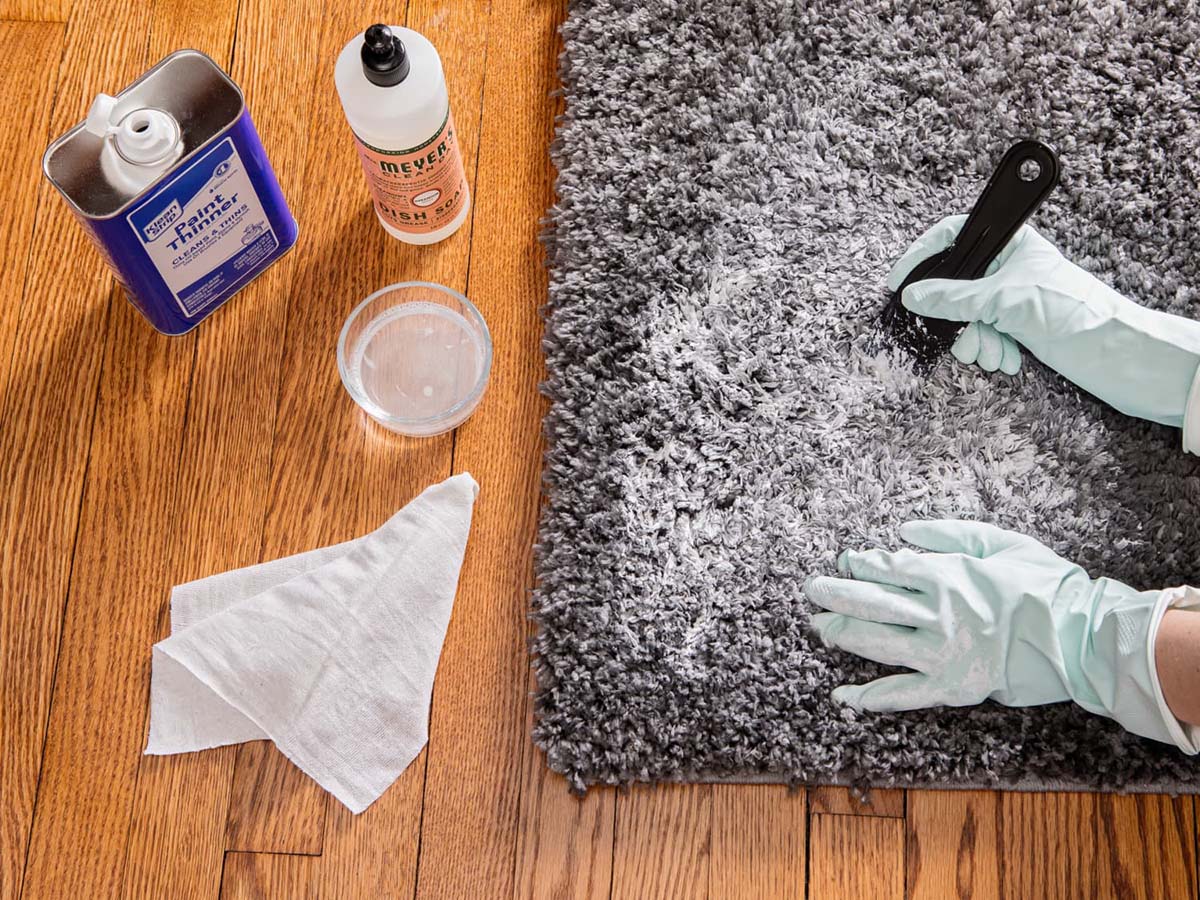
For oil-based paints (think enamels, oil paints), the game changes slightly. These are trickier to remove and often require a solvent. Because solvents can be harsh, this is where extra caution and testing are absolutely paramount. Start by gently scraping away any excess dried paint. Then, with a clean cloth, you'll want to use a mineral spirit or turpentine. Apply a small amount to the cloth, not directly to the carpet, and gently blot the stain. Work from the outside in, and be prepared to switch to fresh sections of the cloth frequently.
After the paint has been lifted with the solvent, you’ll need to clean the area with a mild dish soap and water solution to remove any solvent residue. This is crucial, as oil-based paint removers can leave behind a greasy film that attracts dirt. Rinse thoroughly with clean water and dry as usual.
Remember, tackling paint stains on carpet is all about understanding the type of paint and acting with a combination of speed, gentleness, and the right tools. With these tips, you can conquer those colorful mishaps and keep your carpets looking fabulous!