How Do You Clean Non Stick Pans
Let's face it, there's something incredibly satisfying about cooking on a non-stick pan. Whether you're flipping pancakes like a pro, searing a perfect steak, or gently sautéing delicate vegetables, the way food just glides off the surface is pure culinary magic. But this magic, like any good spell, requires a little bit of care to keep it working its best. And cleaning these trusty companions is surprisingly straightforward, almost like a gentle ritual to thank them for their service. Forget scrubbing until your knuckles are raw; we’re about to unlock the secrets to keeping your non-stick pans in tip-top shape, ensuring many more delicious meals to come.
The primary purpose of a non-stick pan is, as the name suggests, to prevent food from sticking. This is achieved through a special coating, often made of polytetrafluoroethylene (PTFE), commonly known by the brand name Teflon, or other advanced ceramic or silicone-based materials. This ingenious surface creates a barrier that dramatically reduces friction, allowing food to cook evenly and release effortlessly. The benefits are numerous and impact your cooking experience in several wonderful ways:
- Less Oil & Butter: This is a big one for health-conscious cooks! With a reliable non-stick surface, you can significantly reduce or even eliminate the amount of oil or butter needed for cooking. This means healthier meals without sacrificing flavor or texture.
- Easy Food Release: No more scraping stubborn bits of food or dealing with torn omelets. Everything slides off the pan with grace, making serving and plating a breeze.
- Effortless Cleaning: This is where our current topic shines! Because food doesn't adhere to the surface, cleaning becomes a quick and simple task, saving you precious time and energy in the kitchen.
- Preserves Food Integrity: Delicate items like fish fillets or eggs can be cooked and removed without breaking apart, maintaining their beautiful presentation.
- Versatile Cooking: From low-fat frying to gentle simmering, non-stick pans are incredibly versatile and can handle a wide range of cooking techniques.
The Gentle Art of Non-Stick Pan Cleaning
Now, about the cleaning. It’s less about brute force and more about a gentle, thoughtful approach. Think of it as pampering your pans to ensure they’ll be there for you, meal after delicious meal. The key to maintaining that fabulous non-stick surface is to avoid anything that could scratch or degrade it. This means no steel wool, no abrasive scrubbers, and definitely no harsh detergents that could strip away the coating's effectiveness.
Must Read
After you've enjoyed your culinary masterpiece, the first step is usually the simplest: let the pan cool down. While it’s tempting to dive in right away, a hot pan can sometimes cause food particles to bond more stubbornly, and the sudden temperature change can stress the coating. Once it’s reached a safe, warm-to-the-touch temperature, it's time for the gentle wash.
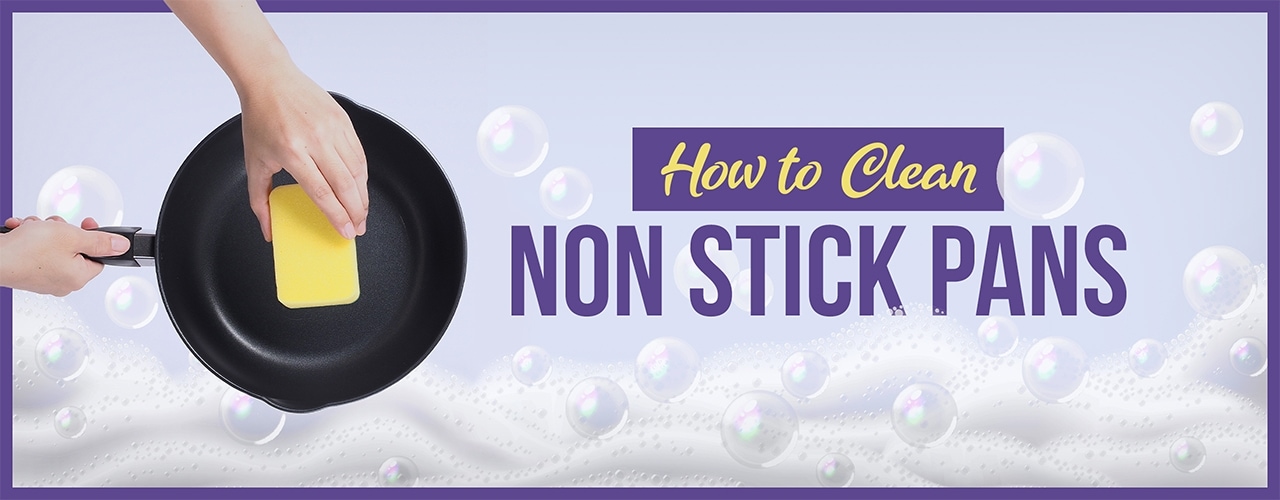
The go-to method for most everyday messes is warm water, a little bit of mild dish soap (the kind you use for your regular dishes, not industrial strength!), and a soft sponge or a non-abrasive cloth. Gently wipe the interior of the pan, focusing on any areas where food residue might be present. You’ll likely be amazed at how easily most things lift off. For those slightly more stubborn spots, a bit of soaking can work wonders. Fill the pan with warm, soapy water and let it sit for 15-30 minutes. This allows the water and soap to loosen any stuck-on bits, making them easy to wipe away later.

If you encounter something that seems a little more tenacious, resist the urge to scrape vigorously. Instead, try adding a tablespoon or two of baking soda to the warm water in the pan and let it soak for a while. Baking soda is a fantastic, gentle abrasive that can help lift cooked-on food without damaging the non-stick surface. After soaking, use your soft sponge to wipe away the residue. For really tough, baked-on messes, you can create a paste of baking soda and water, apply it to the affected area, let it sit, and then gently scrub with your soft sponge.
Rinsing is just as important as washing. Make sure to rinse all the soap and any loosened food particles away thoroughly with clean, warm water. And then, the final, crucial step: drying. Always dry your non-stick pans completely with a soft, clean towel. Trapped moisture can sometimes lead to water spots or even, over time, affect the pan's performance. A good drying also helps maintain that pristine look and feel.

What about those dreaded burnt-on messes that seem impossible to remove? While the goal is to avoid them in the first place, if it happens, there are still gentle remedies. One effective method is the vinegar and water solution. Pour equal parts white vinegar and water into the pan, bring it to a simmer on the stovetop, and let it gently bubble for a few minutes. The acidity of the vinegar helps to break down tough residues. After simmering, carefully discard the liquid, let the pan cool, and then wash it with mild soap and a soft sponge. You can also try boiling water with a few tablespoons of baking soda in the pan for about 10-15 minutes. This can be surprisingly effective at loosening stubborn food.
"Treat your non-stick pans with kindness, and they will reward you with years of delicious, stress-free cooking."
It’s also worth mentioning what to avoid during cleaning.
- Metal Utensils: Never use metal spatulas, whisks, or knives directly on your non-stick surface. They are guaranteed to scratch and ruin the coating. Stick to silicone, wood, or nylon utensils.
- Abrasive Cleaners: This includes scouring pads, steel wool, and powdered cleansers that contain harsh abrasives. They will scratch and damage the non-stick coating.
- Dishwashers (Generally): While some manufacturers may claim their pans are dishwasher-safe, it's often best to avoid the dishwasher. The high heat, harsh detergents, and vigorous scrubbing action can significantly shorten the lifespan of your non-stick coating over time. Handwashing is always the safest bet.
- Extreme Temperature Changes: Avoid plunging a hot pan into cold water. This thermal shock can warp the pan and damage the non-stick coating.