How Do You Care For A Cactus

Hey there, fellow plant enthusiasts (or soon-to-be enthusiasts)! Ever look at a cactus and think, "Wow, that thing looks tough," but then get a little intimidated by the idea of actually caring for one? You're not alone. For ages, I pictured cactus care as some sort of secret handshake involving thick leather gloves and a PhD in Desertology. But let me tell you, it’s way simpler than you might think, and honestly, pretty darn rewarding. These spiky pals are like the quiet, stoic friends of the plant world, asking for very little but giving back so much in personality and resilience.
Think about it: who doesn't need a little less drama in their life? Cacti are the epitome of low-maintenance. They're not the needy types that scream for attention when their leaves droop or their soil is a millimeter off. They’re the ones who are happy chilling in the background, adding a touch of quirky charm to your space. And the best part? Even if you’re someone who’s accidentally… let's say, “unintentionally dehydrated” their previous plant companions (we've all been there, right?), a cactus might just be your perfect green match.
The Absolute Basics: Less is More
So, let's dive into the nitty-gritty, shall we? The number one secret to happy cactus companionship is this: don't overthink it, and definitely don't over-love it with water. Seriously, this is the golden rule. Cacti come from environments where water is a precious commodity. They’ve evolved to store water and survive long periods of dryness. Think of them like your wise old aunt who’s seen it all and isn’t easily flustered.
Must Read
This means that overwatering is the fastest way to send your little spiky friend to the great compost heap in the sky. It’s like giving a desert dweller a constant bath – they just aren't built for it! Soggy roots are a cactus's worst nightmare. They can lead to rot, which is basically a plant’s version of a really bad flu.
Watering: The Art of Patience
How often should you water? Well, it's not on a strict calendar like watering your lawn. Instead, it’s about checking the soil. The best way to do this is to stick your finger about an inch or two into the soil. If it feels completely dry, like a sun-baked desert path, then it’s probably time for a drink. If there’s even a hint of moisture, hold off.
During the warmer months, when the sun is beaming and your cactus is probably feeling a bit more active (yes, they have active phases!), you might water every two to four weeks. When it’s cooler and dimmer, think even less – maybe once a month, or even less! It’s better to underwater a cactus than to overwater it. If you forget for a month? They’ll probably just give you a slightly puckered look and carry on. If you water too much? They might develop a sad, mushy base.
When you do water, give it a good soak. Let the water run through the pot and out the drainage holes. This mimics a good rain shower, which is exactly what they’re used to. Then, make sure to empty any excess water from the saucer. We don’t want any stagnant water hanging around, that's a big no-no.
Sun, Sun, Glorious Sun!
Cacti are sun-worshippers. They absolutely adore bright, direct sunlight. Think of them as tiny desert vacationers who want to soak up every single ray. The sunniest windowsill you have is probably their ideal spot. A south-facing window is usually a cactus's best friend.
If your cactus isn't getting enough light, it might start to stretch out and look a bit pale and leggy. This is called etiolation, and it's basically the plant saying, "Hey, I'm trying to reach for the light over here!" It’s not usually fatal, but it’s not the most attractive look. Imagine a tiny dancer trying to reach for the sky, but they’re a bit wobbly.
Some cacti can handle intense, direct sun without a problem, especially if they’re used to it. However, if you’ve just brought a new cactus home, or if it’s been in a shadier spot, it’s a good idea to introduce it to bright light gradually. You don't want to give them a sunburn!
The Dirt on Soil
Cacti don't like to sit in wet feet, so the soil they live in needs to drain well. This is where regular potting soil might be a bit too… well, regular. You want a special cactus or succulent mix. These are formulated to be gritty and fast-draining. Think of it like putting them in a sandy beach instead of a muddy swamp.
If you can’t find a cactus mix, you can always make your own. A good rule of thumb is to mix regular potting soil with perlite or coarse sand. This creates air pockets and allows water to flow through quickly. A ratio of about 50/50 is a good starting point. Your cactus will thank you with its sturdy, upright posture!
Potting and Repotting: A Gentle Touch
When it comes to pots, drainage is key. Always, always, always use pots with drainage holes. Terra cotta pots are fantastic for cacti because they’re porous, meaning they allow air and moisture to escape, which helps the soil dry out faster.
You don’t need to repot your cactus very often. They’re pretty happy in their cozy little homes. Repotting is usually only necessary when the cactus has outgrown its pot, or if the soil has become compacted and isn’t draining well anymore. This might happen every few years.
When it’s time to repot, this is where those thick gloves or even a folded-up piece of newspaper or cardboard come in handy. Gently coax the cactus out of its old pot, brush off any loose soil, and place it in its new home with fresh cactus mix. It’s a bit like moving house – a little bit of preparation, and then they’re settled in their new digs.
Fertilizing: A Little Treat, Not a Feast
Cacti aren’t big eaters. They don’t need a lot of fertilizer. In fact, over-fertilizing can be just as harmful as overwatering. Think of it as a tiny desert snack, not a five-course meal.
If you do choose to fertilize, do so sparingly during the growing season (spring and summer). Use a diluted, balanced liquid fertilizer, or one specifically formulated for cacti and succulents. Once a month or even less is more than enough. During their dormant period (fall and winter), forget about it. They’re resting, and they don’t need extra food.
Pests: Keep an Eye Out
While cacti are generally pretty tough, they can sometimes attract a few unwelcome guests, like mealybugs or spider mites. These are usually small and white, or create fine webbing. The good news is that they’re usually easy to deal with.
The first line of defense is often a cotton swab dipped in rubbing alcohol. Gently dab any affected areas. For more stubborn infestations, you can use insecticidal soap, but always follow the product instructions carefully. The best prevention is a healthy, happy cactus that isn’t stressed by improper care. A well-watered and well-lit cactus is a less appealing target for pests.
Why Bother? The Quirky Charm of Cacti
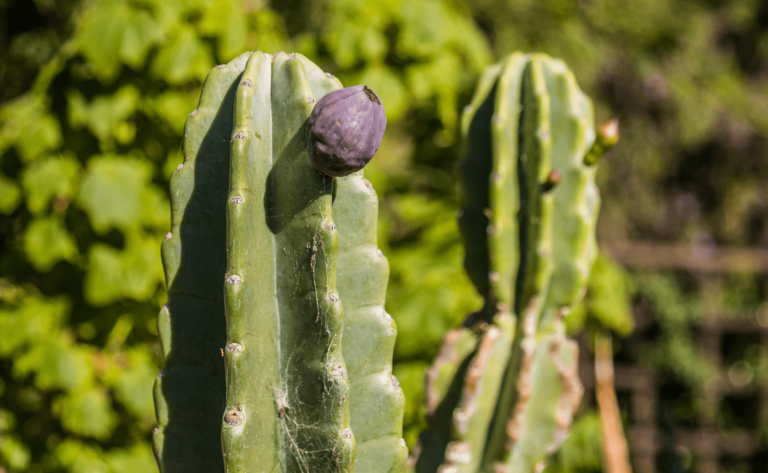
So, why go through all this, you ask? Well, for starters, cacti are just plain cool. They come in an astonishing variety of shapes, sizes, and textures. Some are round and fuzzy like a grumpy old man’s beard, others are tall and columnar like desert skyscrapers, and some are flattened and paddle-shaped like giant green frisbees. They have a unique beauty that’s both rugged and delicate.
They’re also a fantastic conversation starter. Imagine having a quirky little cactus on your desk or bookshelf. It’s a little piece of the wild, a reminder of resilience and survival, right in your own home. They bring a sense of accomplishment, too. When you see your cactus thriving, growing, maybe even flowering (oh, the joy of a cactus bloom!), you feel a little proud. You've successfully nurtured this resilient creature!
And let's be honest, in our busy lives, finding a plant that doesn't demand constant attention is a lifesaver. Cacti are the plants for those who might have a black thumb but a green heart. They’re forgiving, they’re fascinating, and they add a unique touch of personality to any space. So, give a cactus a chance. You might just find yourself smitten with these spiky, resilient wonders.