How Do The Deaf Learn To Read

Hey there! So, you're probably wondering, right? Like, how do folks who can't hear, you know, learn to read? It’s a super cool question, and honestly, it’s way more fascinating than you might think. Imagine a world without sound, but suddenly, these squiggly lines on a page become magical portals to stories, information, and all sorts of amazing stuff. Pretty neat, huh?
Think about it for a second. When we hear little kids learning to talk, they're mimicking sounds, right? They hear "mama," they say "mama." It’s all audio-driven. But for deaf learners, that auditory road is, well, closed. So, how do they build this whole language thing, and then, like, transfer it to paper? It’s not like they can just listen to someone pronounce a word and then try to copy it. Mind. Blown. Right?
First off, it’s important to know that "deaf" isn't a one-size-fits-all kind of thing. Some deaf people can hear a little bit, maybe with hearing aids or cochlear implants. Others are profoundly deaf from birth. And then there are folks who lose their hearing later in life. This all plays a role, naturally. But even for those with profound deafness, the journey to literacy is totally achievable, and frankly, incredibly impressive.
Must Read
So, what's the secret sauce? Well, it's not one secret sauce, it's more like a whole buffet of strategies. And it all starts way before they're even looking at ABCs. A huge piece of the puzzle is early intervention. Like, the sooner you can get them engaging with language, the better. This often involves parents and educators working together from day one. Imagine trying to build a whole house without a blueprint… you gotta have a plan!
One of the biggest tools in the toolbox is visual language. And for many deaf individuals, that means American Sign Language (ASL), or whatever sign language is used in their region. ASL is a full, rich, expressive language, by the way. It's not just some gestural charades. It has its own grammar, its own syntax, its own way of conveying complex ideas. So, when a baby is signing "milk" or "more," they're already building a foundation for understanding language concepts.
This is where things get really interesting. When a child learns to sign, they're learning vocabulary, sentence structure, and how to express their needs and wants. They're developing what linguists call a "language rich environment" – just like hearing children do, but through a different modality. So, when they do start encountering written words, they already have a solid understanding of what language is and how it works. It’s like they've got the mental scaffolding already built.
From Signs to Symbols
Okay, so they're signing away, happy as clams. How do those signs translate into those squiggly lines? This is where the magic of visual-auditory association comes in, even for those who can't hear much. Educators will often use a technique called Total Communication. This means they use whatever works to get the message across. That could be ASL, spoken language (even if it's not fully heard), lip-reading, written words, and even gestures.
Think of it like this: you're trying to teach a child what a "dog" is. You might show them a picture of a dog, make a barking sound (if they can hear it), show them a stuffed dog, and sign "dog." The more ways they experience the concept, the stronger the connection. For deaf learners, the visual cues are just amplified. They might see the sign for "dog," see a picture of a dog, and then see the written word "dog" right next to it.
This is where those early literacy skills start to bloom. When a child learns a sign for something, say, "ball," they can then be introduced to the written word "ball." They'll see the sign, the object, and the letters. Over time, they begin to make that connection: this sign = this object = these letters. It's a visual jigsaw puzzle coming together.
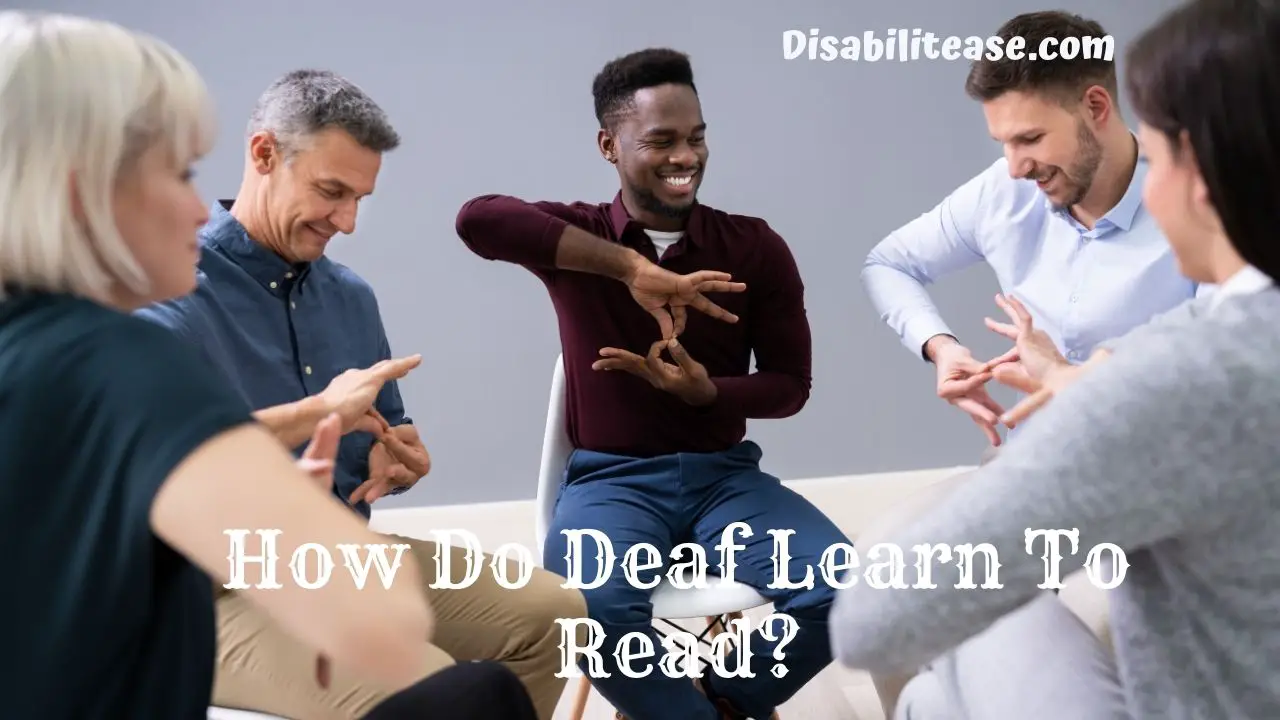
Educators are super clever about this. They'll often use fingerspelling, which is basically using ASL handshapes to represent individual letters of the alphabet. So, instead of just saying "dog," they might sign "D-O-G" while also showing the written word. This directly links the concept of letters to words and, by extension, to the signs they already know. It's like building a bridge from their familiar sign language world to the written word world.
The Power of Visuals and Context
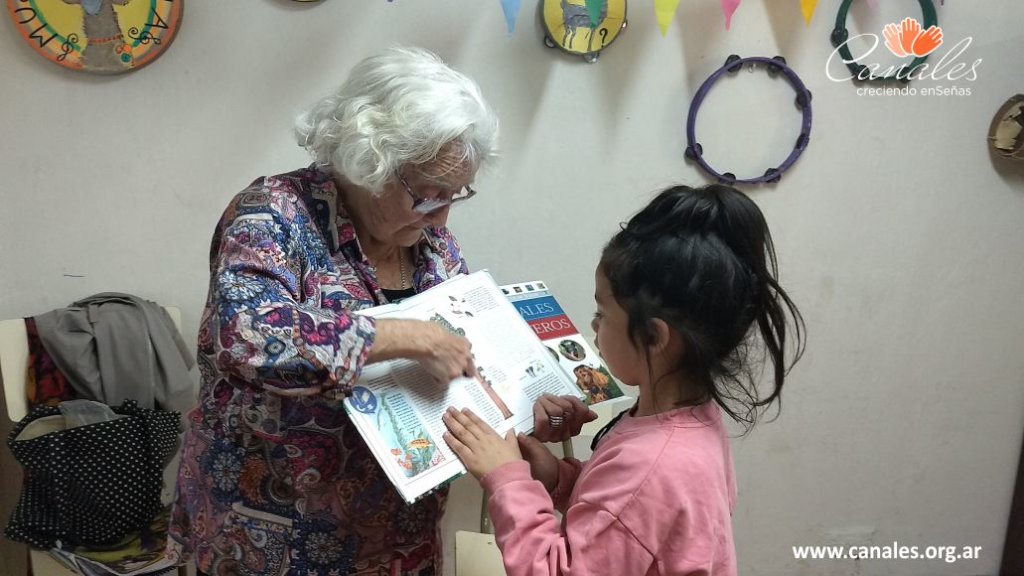
Pictures, pictures, pictures! Seriously, visuals are the MVP of early reading for deaf learners. Think about those classic children's books where each object has its name written underneath. That's a deaf learner's best friend! They can see the picture of a "cat," see the sign for "cat," and then see the word "cat." It’s a multi-sensory (but primarily visual!) learning experience.
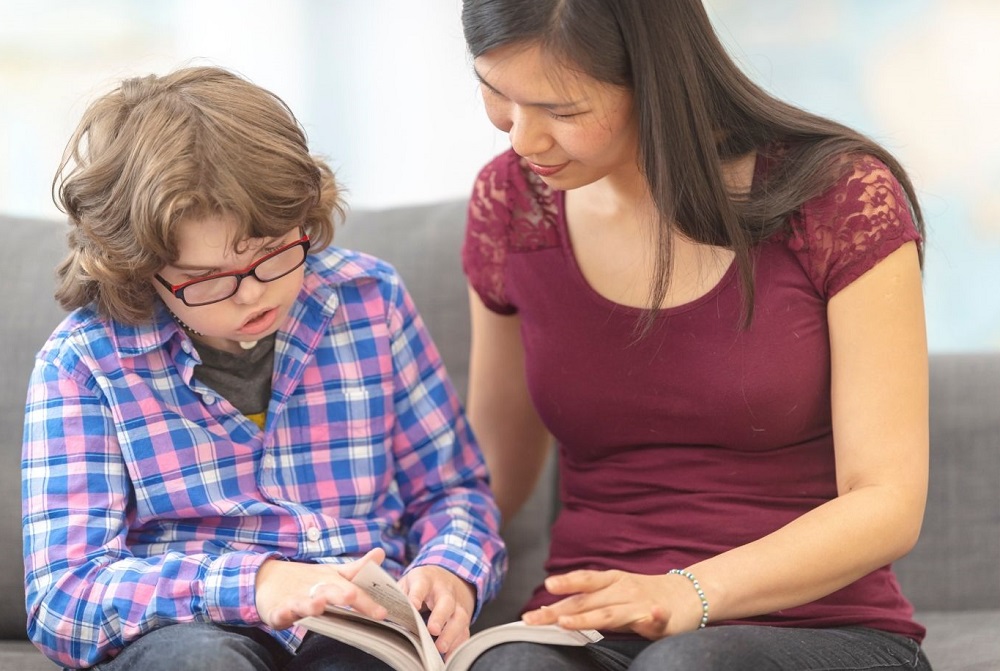
Context is also a huge deal. Imagine trying to understand a sentence if you couldn't hear the intonation or the stress on certain words. It'd be tough, right? For deaf learners, the surrounding words and the overall meaning of a story provide crucial context. They learn to piece together clues from the words they do recognize, and the overall situation being described.
So, when they encounter a word they haven't seen before, they're not just staring at random letters. They're looking at a sentence that, hopefully, makes some sense based on the story so far. They can use the known words to make an educated guess about the unknown one. It's like being a detective, but with letters instead of magnifying glasses!
When Spoken Language is Part of the Mix
Now, what about those deaf learners who do have some residual hearing or use hearing aids or cochlear implants? This is where things can get a bit more blended. These individuals might be working on developing auditory skills alongside their visual ones. It's not an either/or situation; it's often a "both/and" approach.
For them, learning to read might involve a combination of:
- Listening and identifying sounds, even if they're not perfectly clear.
- Lip-reading (also called speechreading) to supplement what they hear.
- Understanding the written word, just like hearing children do.
- Using sign language to reinforce concepts or communicate when auditory input is challenging.

It's important to remember that lip-reading is an imperfect science. Many sounds look the same on the lips, like "p," "b," and "m." So, even with excellent lip-reading skills, there's always a chance of misunderstanding. This is why combining it with other strategies, like written language and visual aids, is so critical. It’s like having multiple backup systems!
The Role of Phonics (Yes, Phonics!)
You might be thinking, "But wait, isn't phonics all about sounds?" And yes, that's a big part of it for hearing kids. However, the principles of phonics can be adapted for deaf learners. It's about understanding the relationship between letters and their corresponding sounds. Even if a child can't hear the sound clearly, they can still learn to associate the letter with how it's produced in the mouth (mouth movements) and how it appears visually.
Educators might use visual cues to show the mouth shapes for different sounds. They might also focus on the visual patterns of letters. For example, the "sh" sound can be represented visually by the mouth shape and the letters "s" and "h." Deaf learners can learn to recognize that visual pattern and understand that it represents a particular sound or combination of sounds that are part of spoken language.
It's about teaching them the "building blocks" of written language. Just like hearing children learn that "c-a-t" makes the word "cat," deaf learners can learn to associate those letters with the concept and the sign for "cat." It's a slightly different path to the same destination.
Making it Fun and Engaging
Honestly, at the end of the day, learning to read is just like learning anything else: it's more effective when it's fun and engaging. Nobody wants to sit there and just stare at boring worksheets all day, right? Deaf learners benefit immensely from interactive activities, games, and stories that capture their interest.
Think about the joy of reading a fantastic story. Deaf children deserve that same joy! So, educators and parents use everything from interactive apps that show sign language alongside written text, to creating their own books with pictures and signs, to acting out stories in ASL. It's about making the learning process an adventure, not a chore.
The ultimate goal is for deaf children to become proficient readers, able to access all the wonderful worlds that books and the written word can offer. They deserve to be able to explore science, history, fantasy, and everything in between, just like their hearing peers. And the amazing thing is, they do. With the right support, strategies, and a whole lot of dedication, deaf learners absolutely thrive in the world of reading.
So, next time you see a deaf person reading, remember the incredible journey they've taken to get there. It’s a testament to their resilience, the ingenuity of educators, and the power of language in all its forms. It’s truly one of the most inspiring things you can learn about, if you ask me. Pretty cool, huh?