How Do I Unclog A Shower Drain
Ah, the shower drain. That unsung hero of our daily routines. It’s the unsung hero that, when it’s working properly, we don’t even think about. It just… does its thing. Like a silent butler, it whisks away the evidence of our morning ablutions, leaving behind only the faint scent of lavender or maybe that questionable gym-bag odor we’re trying to banish. But then, one day, it happens.
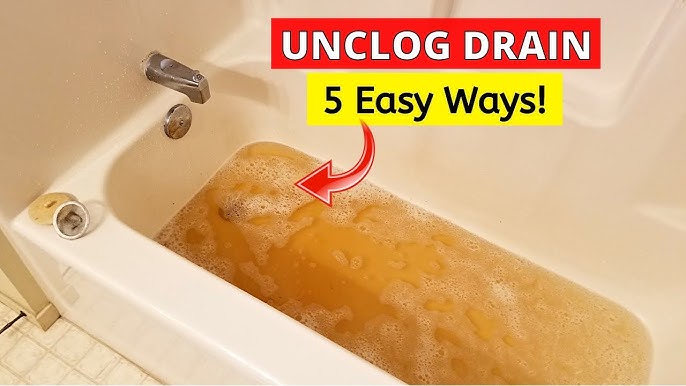
You step into your shower, ready to wash away the stresses of the day, and instead of a gentle gurgle, you’re met with a slosh. The water, instead of obediently disappearing, decides to linger. It pools around your ankles, creeping up your shins like a shy, unwelcome tide. Suddenly, your relaxing shower has morphed into a rather damp and unpleasant wading pool. Sound familiar? Yeah, we’ve all been there. It’s the plumbing equivalent of your Wi-Fi suddenly deciding to take a siesta right when you’re in the middle of a crucial video call.
Don't panic. Before you start picturing expensive plumbers with fancy tools and even fancier hourly rates, let's take a deep breath and explore some tried and true, easy-peasy methods to get that drain flowing again. Think of this as a DIY spa treatment for your shower, but instead of cucumbers on your eyes, we're talking about a plunger and some baking soda.
Must Read
The Culprits: What’s Really Happening Down There?
So, what exactly is causing this aquatic rebellion? It's usually a classic cocktail of everyday offenders. For most of us, it’s a hairball of epic proportions. Seriously, where does all that hair come from? It’s like our heads are miniature hair factories that operate 24/7. And it doesn’t just stay put; oh no, it loves a good adventure down the drain, latching onto the sides like a tiny, fluffy barnacle.
Then there's the soap scum. Over time, soap residue, along with any lingering body oils and dirt, can build up and create a sticky, gummy mess. Imagine trying to get through a sticky marshmallow – that's kind of what your drain is fighting against. It’s not as dramatic as a full-blown clog, but it’s enough to slow things down to a glacial pace.
And if you’re really unlucky, it could be something a little more… foreign. A rogue cotton swab, a tiny plastic toy that somehow escaped the bathtub, or even a piece of dried-out loofah. These are the unexpected guests that crash the plumbing party and refuse to leave. Whatever the cause, the result is the same: a grumpy, backed-up drain.
First Line of Defense: The Visual Inspection (and Removal!)
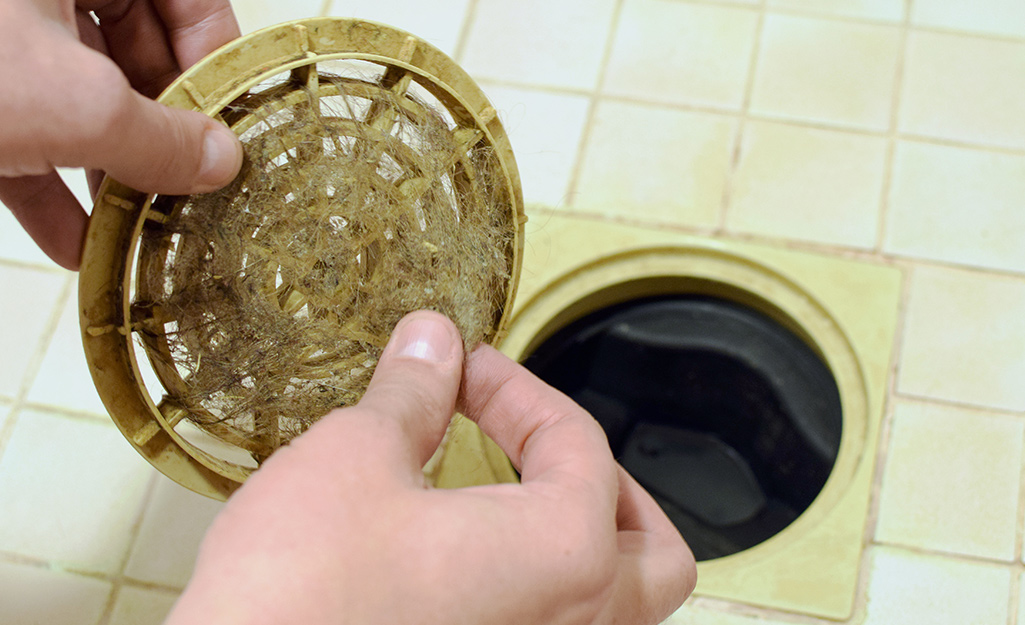
Before you grab the strongest chemicals known to humankind (which, by the way, we'll get to later, but with a big caution), let's do a quick recon mission. Most shower drains have a cover or a strainer. Pop that bad boy off. Sometimes, this is all it takes! You might be greeted by a truly impressive fur ball of hair and gunk. If so, put on some gloves – trust me on this one – and just pull it out. It’s not pretty, but it’s effective. Think of yourself as a superhero, bravely confronting the villainous drain monster.
If the cover is stuck, a gentle wiggle or a screwdriver might help. Be careful not to force it, though; we don't want to create a new plumbing problem while solving the old one. Once the cover is off, peer down there. Sometimes, you can actually see the blockage. If it’s close to the surface, you might be able to snag it with a bent coat hanger or a pair of tweezers. It's like playing Operation, but with higher stakes and significantly less beeping.
This step is often the most satisfying. There's a primal urge that’s fulfilled when you physically remove the offending gunk. You might even let out a little "aha!" moment, followed by a triumphant, "Take that, drain gunk!" It’s a small victory, but in the grand scheme of things, it’s a major win.
The Plunger: Your Trusty Sidekick
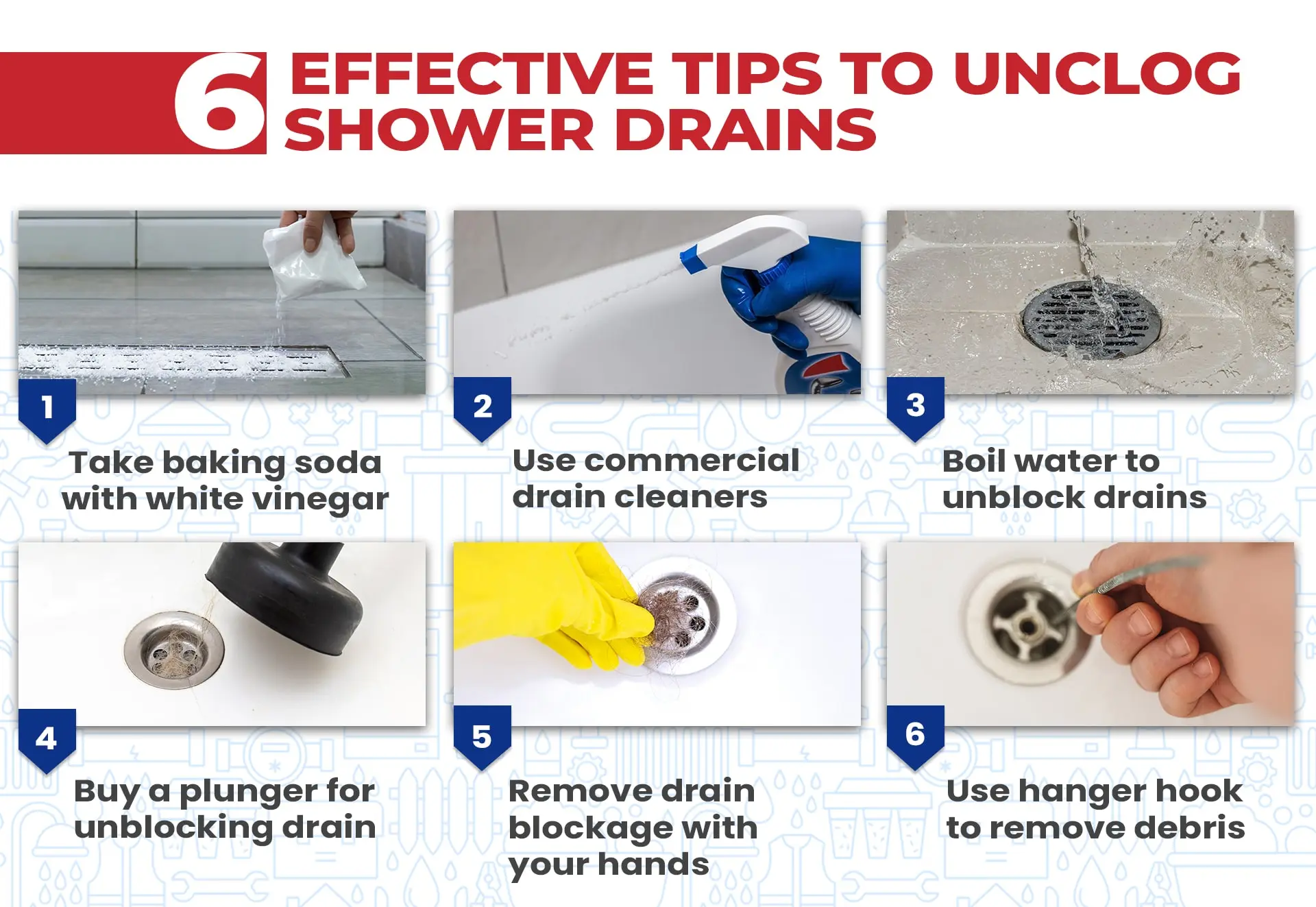
Okay, so you’ve removed what you can see, but the water is still stubbornly refusing to drain. Enter the plunger. Yes, the same plunger you might use for your toilet. Don’t be squeamish; it’s a tool of the trade! The key to using a plunger effectively is to create a good seal. First, make sure there’s enough water in the shower to cover the rubber cup of the plunger. If not, add some water from the tap.
Now, place the plunger firmly over the drain, ensuring a tight seal. Then, give it a few good, strong plunges. You want to create suction and pressure, forcing the water back and forth, hopefully dislodging the clog. Imagine you’re trying to coax a stubborn jar lid open; you need consistent, firm pressure.
The sound it makes can be… interesting. A sort of glug-glug-WHOOSH followed by a hopeful gurgle. If you see the water level start to drop after a few plunges, you're on the right track! Keep at it for a minute or two. If it’s a stubborn clog, you might need to repeat the plunging process. Sometimes, you might need to go from plunger-to-drain to drain-to-plunger, depending on how the clog is positioned. It's a bit of a dance, really. A watery, slightly gross dance.
The Baking Soda and Vinegar Power Duo
If plunging feels like wrestling a slippery eel and you’re not getting anywhere, it’s time to bring out the kitchen cabinet heroes: baking soda and vinegar. This dynamic duo is a classic for a reason. It's a natural, effective way to break down grease, soap scum, and other organic matter. Plus, it's way less harsh on your pipes than some of those industrial-strength chemicals.
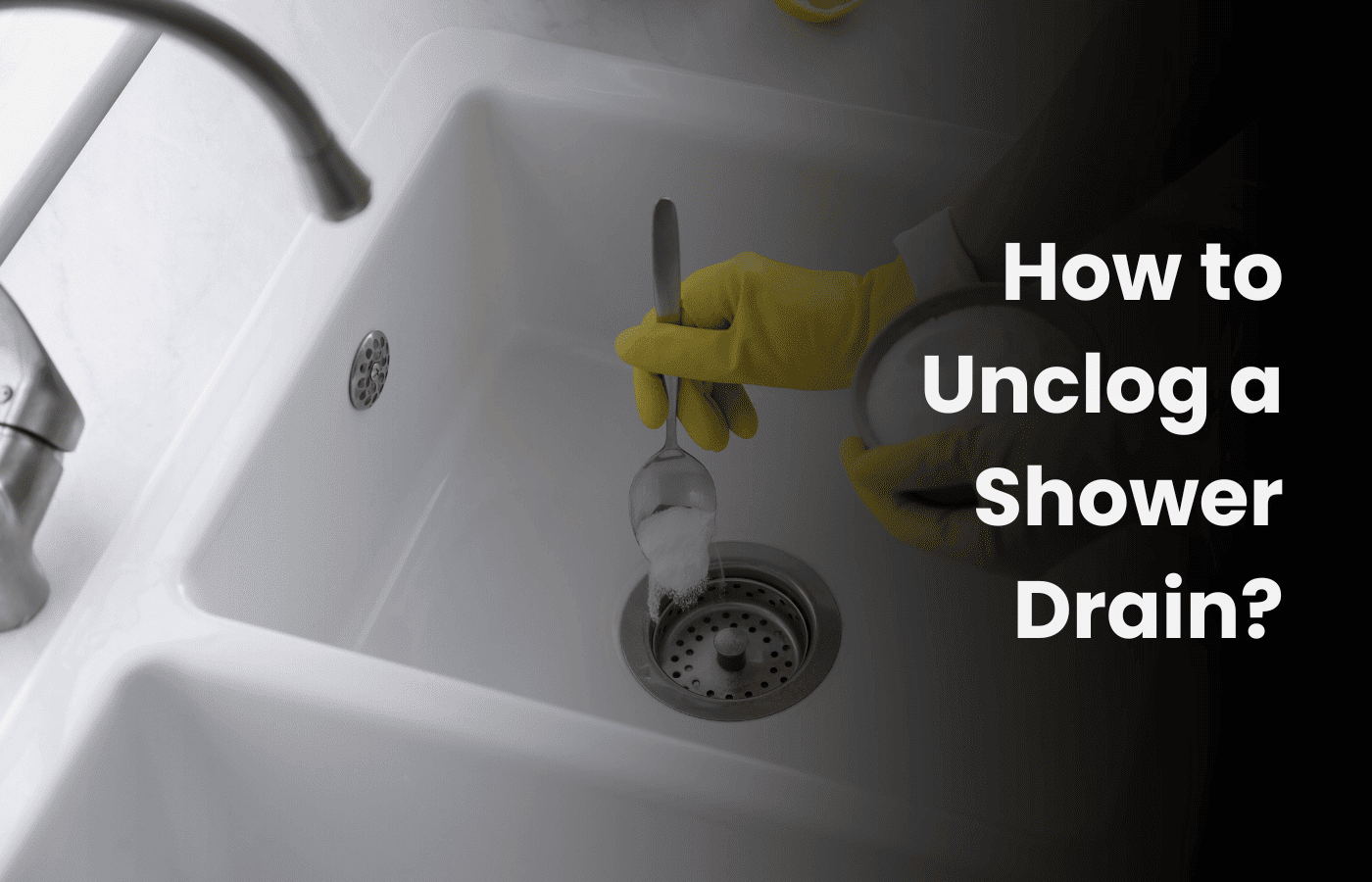
Here’s the magic formula: Pour about half a cup to a full cup of baking soda directly down the drain. Let it sit for a few minutes to settle in. Then, grab a bottle of white vinegar and slowly pour about the same amount (half a cup to a cup) into the drain. You’ll hear a satisfying fizzing and bubbling sound. This is the chemical reaction at work, like a miniature science experiment happening in your pipes. It's the baking soda and vinegar having a little party, and the clog is definitely not invited.
Let this concoction work its magic for at least 30 minutes, or even longer if you have the time. The longer it sits, the more it can break down that stubborn gunk. After the waiting period, run some hot water down the drain. Boiling water is often best here, as the heat helps to melt away any remaining residue. You might need to repeat this process if the clog is particularly tenacious. Think of it as giving your drain a soothing, effervescent bath. It’s a spa day for your plumbing!
The Hot Water Flush: Simple Yet Effective
Sometimes, the simplest solutions are the most overlooked. If the clog isn’t a massive hairball but more of a general buildup of grease and soap scum, a good flush of hot water can do wonders. This is especially true after you’ve used the baking soda and vinegar method. The heat helps to dissolve and wash away the loosened debris.
Pour a kettle full of boiling water directly down the drain. Be cautious, of course, and try to avoid splashing yourself. Let it do its thing for a few minutes. You might hear some satisfying gurgles as the hot water makes its way through the pipes. If the water is draining better, you’re golden. If not, you can repeat the process a couple of times.
This method is particularly useful for preventing clogs in the first place. A weekly hot water flush can help keep your drains running smoothly and prevent those dreaded ankle-deep showers. It’s like a little preventative maintenance, a gentle reminder to your pipes that you care about their well-being.
When All Else Fails: The Drain Snake (or Auger)
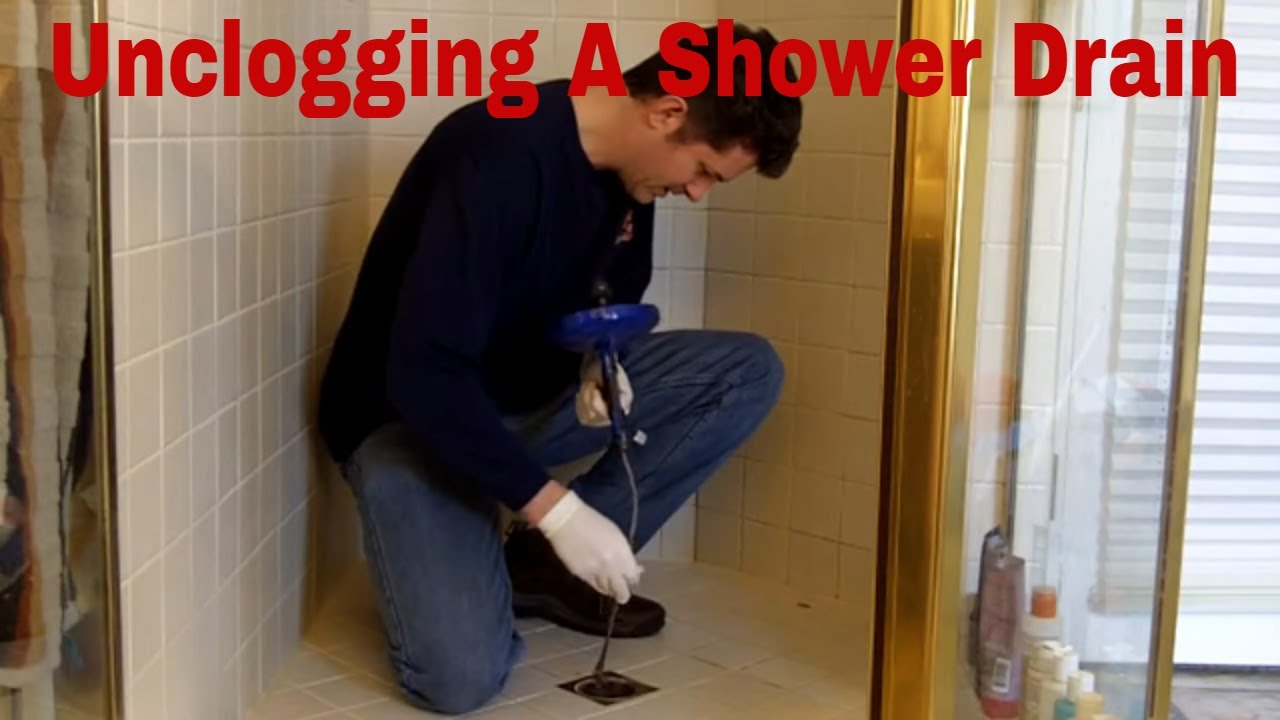
So, you’ve tried everything. The plunger just makes a sad slurping noise, the baking soda and vinegar fizzle out without a trace of progress, and your hot water is met with the same sluggish resistance. It’s time to call in the cavalry: the drain snake, also known as a plumbing auger. These are long, flexible tools that can be fed down the drain to physically break up or retrieve a clog that's further down the pipe.
You can buy inexpensive manual drain snakes at most hardware stores. They're not fancy, but they get the job done. You feed the end of the snake into the drain and push it down the pipe. When you encounter resistance, that’s usually the clog. You then crank a handle to rotate the tip of the snake, which is often barbed or coiled, to break up the clog or hook onto it so you can pull it out. It’s a bit like fishing, but instead of a tasty trout, you’re hoping for a stringy mass of hair and gunk.
This can be a messy business, so have some old towels or a bucket ready. If you manage to snag the clog, slowly and carefully pull the snake back out. Dispose of the retrieved debris, and then give the drain a good flush with hot water. If the clog is really deep or you’re uncomfortable using a drain snake, it might be time to call in the professionals. But hey, you gave it a good shot!
The Chemical Approach: Use with Caution!
We’ve saved this one for last because, honestly, it's the last resort for a reason. Chemical drain cleaners can be very effective at dissolving clogs, but they are also harsh and can damage your pipes over time, especially if you have older plumbing. They can also be dangerous if not used properly, emitting fumes that can irritate your eyes and lungs.
If you do decide to go this route, follow the instructions on the product to the letter. Wear gloves and eye protection, and make sure the area is well-ventilated. Never mix different chemical drain cleaners, as this can create dangerous chemical reactions. Pour the recommended amount down the drain and let it sit for the specified time. Then, flush with plenty of water, as directed.
Think of these chemicals as the nuclear option. They work, but they come with risks. It's always better to try the gentler methods first. If you’re not confident, or if the clog is persistent, a plumber is always the safest bet. They have the tools and the expertise to deal with it without potentially damaging your home.
Prevention is Key: Keeping the Drains Happy
Now that you’ve (hopefully) conquered your drain-related woes, let’s talk about keeping it that way. A little bit of preventative maintenance goes a long way. The easiest and most effective way is to install a drain cover or strainer. These are inexpensive little gadgets that catch hair and debris before they can even get a foothold in your pipes.
You can find them at any hardware or home goods store. They come in all sorts of styles, from simple mesh screens to more decorative ones. Make it a habit to clean this strainer after every shower or at least a couple of times a week. It takes all of ten seconds, and it can save you a world of plumbing headaches. Think of it as giving your drain a little prophylactic hug.
As we mentioned, a weekly flush with hot water can also help keep things moving smoothly. And try to be mindful of what goes down the drain. Avoid letting large amounts of hair accumulate, and try not to flush things that don’t belong, like cotton balls or makeup wipes. Small habits can lead to big differences when it comes to keeping your plumbing in tip-top shape. It’s like a healthy diet for your pipes!
So, the next time you find yourself staring at a slowly disappearing puddle in your shower, don't despair. You've got this! With a little patience, a few common household items, and maybe a dash of humor, you can banish those drain demons and get back to enjoying your nice, dry shower experience. Happy plunging!