
How Do I Tell If My Dog Is Deaf

Hey there, fellow dog lovers! Ever find yourself having a full-on conversation with your furry best friend, only to get a blank stare and a tail wag in return? We all have those moments, right? You might be asking, "Is he just being stubborn, or is something else going on?" Well, sometimes, it’s not about the sass; it could be that your beloved pooch is having a little trouble hearing. Yep, dogs can go deaf, just like us humans! But don't freak out! It's more common than you think, and understanding it can make your dog's life, and yours, a whole lot happier.
So, how do you tell if your canine companion might be a bit… sound-challenged? It’s not like they can just fill out a hearing test form! The good news is, there are some pretty obvious signs you can look out for in your everyday life. Think of it as becoming a canine detective, but with way more belly rubs involved.
The Little Clues You Might Be Missing
Let's start with the basics. You know that frantic tail thump when the treat bag rustles from across the house? Or the zoomies that erupt the second you pick up the leash? If these cues are suddenly met with a “what, me?” attitude, it’s worth a second thought.
Must Read
One of the first things you might notice is that your dog is less responsive to verbal cues. Remember when calling their name used to get an instant head tilt or a full-body wiggle? Now, you might have to clap your hands, wave your arms like you’re directing traffic, or even tap their shoulder to get their attention. It’s like they’re in their own little world, and you’re trying to break through the soundproof glass.
Think about those times you’ve called your dog, expecting them to come bounding over, only to find them snoozing peacefully or chasing a phantom squirrel. It’s easy to chalk it up to them being engrossed in something, but if this happens consistently, it might be a sign. It's like trying to get a teenager's attention when their favorite show is on – except, for your dog, it might not be the show, it might be the lack of sound.

The Startle Factor (or Lack Thereof)
One of the most telling signs is how your dog reacts to sudden noises. Do they still jump when the doorbell rings? Or perhaps they used to be a complete chicken when thunder rolled in, but now they seem unfazed? A deaf dog might not even flinch when a loud truck rumbles by, or when a pot drops in the kitchen. It’s not that they’re suddenly brave; they just didn't hear it!
Imagine this: you drop a pan in the kitchen, and your dog, who normally does a superhero pose and sprints to see what’s up, just keeps chewing his bone. You might even do a little jig to get his attention, and he just looks at you with those big, loving eyes, completely oblivious. It’s moments like these that make you go, “Hmm, maybe there’s something more here.”
Beyond the Noise: Other Tells
It’s not just about what they don’t hear. There are other little behavioral shifts that can accompany hearing loss. For instance, some deaf dogs might develop unusual sleeping habits. They might sleep more soundly because they’re not being woken by ambient sounds. Or, they might become a bit more clingy, wanting to be closer to you because they feel more secure having you nearby.
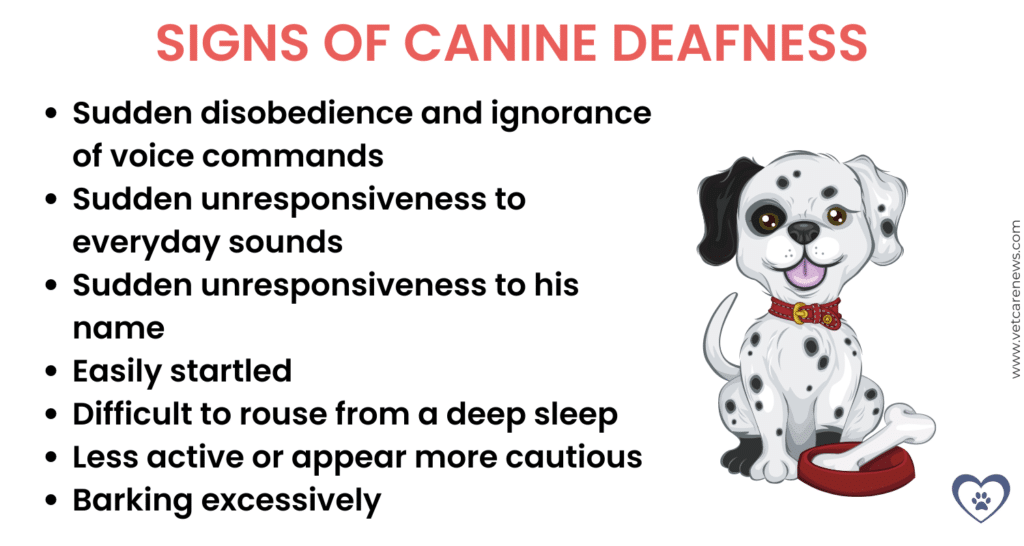
Have you noticed your dog is suddenly a lot more physical when greeting you? They might nudge you with their nose, paw at your leg, or even give you a good lick when you get home. This isn't just extra affection; it's often their way of making sure you're there and confirming your presence since they can't rely on sound to know you've arrived.
You might also observe changes in their bark. Sometimes, a dog who is losing their hearing will bark more, or their barks might sound different. They might not hear themselves as clearly, so they overcompensate. Or, they might bark at things they can’t see but feel, like vibrations.

Why Should You Care? It’s All About Love!
Okay, so you suspect your dog might have a hearing issue. Why is this a big deal? Because your dog’s hearing is a crucial part of their world. It’s how they understand commands, how they stay safe from danger (like oncoming cars!), and how they interact with you and the world around them. Losing hearing can be confusing and isolating for them.
Think about how you feel when you can’t hear someone properly. It’s frustrating, right? Your dog feels that too. By recognizing potential hearing loss, you're not just diagnosing a condition; you're ensuring your dog continues to live a full and happy life. You’re able to adapt your communication, keep them safe, and deepen your bond through new ways of connecting.
It's like if your child suddenly started having trouble seeing. You'd want to get them glasses or make adjustments, right? It's the same principle with our furry family members. It's about being a good pet parent and doing what's best for their well-being.
So, What’s Next?
If you’re seeing a few of these signs and they’re adding up, it’s time to have a chat with your veterinarian. They’re the experts, and they can perform proper tests to confirm if your dog is indeed experiencing hearing loss. They can also rule out other potential issues and offer advice on how to best manage the situation.
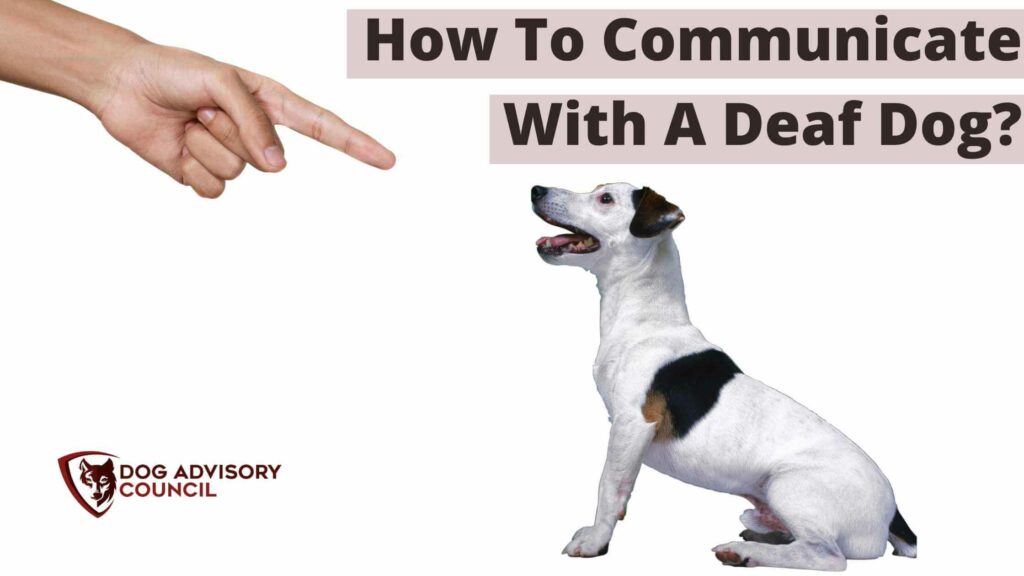
Don’t panic! Deafness in dogs is manageable. With a few adjustments – like using visual cues, hand signals, or even a vibrating collar for recalls – you can continue to have an amazing relationship with your dog. In fact, many deaf dogs lead incredibly enriched lives and are just as loving and playful as their hearing counterparts. Sometimes, they even seem to have a super-powered sense of sight and smell, compensating in the most amazing ways.
The most important thing is to observe your dog, understand their unique personality, and be proactive. Your love and attention are the best tools you have. By being a little more observant, you can ensure your dog continues to be your happy, healthy, and loving companion for years to come. And who knows, you might just discover a whole new way to communicate and connect with your furry best friend!

