How Do I Stay Awake In Class

We’ve all been there. The professor’s voice, a gentle lullaby, washing over you. The lecture hall, a cozy sanctuary. The overwhelming urge to just… drift. Staying awake in class can feel like a Herculean task, especially when your brain is still buzzing from that late-night Netflix binge or your internal clock is screaming "nap time!" But fear not, fellow students! Surviving those crucial learning hours without succumbing to the siren song of sleep is totally achievable. Think of it as an Olympic sport, but with significantly less spandex and a lot more caffeine.
Let's be real, hitting snooze one too many times, rushing out the door with toast in your mouth, and then finding yourself staring at the ceiling fan instead of the whiteboard is a classic college trope. It’s practically written into the syllabus of early adulthood. But what if there were ways to hack your own biology and conquer those mid-lecture slumps? What if you could actually absorb information instead of just looking like you are?
The Pre-emptive Strike: Setting Yourself Up for Success
Before we even talk about surviving the lecture, let's focus on preventing the problem. The best way to stay awake in class is to not be a walking zombie in the first place. Revolutionary, I know.
Must Read
Mastering Your Sleep Game (It's Not Just About Quantity!)
This is the holy grail, the ✨secret sauce✨. While getting 7-9 hours of sleep is the golden rule, it’s not just about the number. It's about the quality. Think of your sleep like a perfectly brewed cup of coffee – it needs the right temperature, the right grind, and the right steeping time.
- Stick to a Schedule: Our bodies are creatures of habit. Going to bed and waking up around the same time, even on weekends, helps regulate your circadian rhythm. Yes, it means sacrificing a little of that spontaneous Saturday night adventure, but your 8 AM professor will thank you.
- Create a Sleep Sanctuary: Your bedroom should be a temple of slumber. Dark, quiet, and cool. Invest in blackout curtains if your dorm room looks like a disco ball at sunrise. White noise machines or earplugs can be your best friends.
- Limit Screen Time Before Bed: The blue light emitted from your phone and laptop tricks your brain into thinking it's still daytime. Put the devices down at least an hour before hitting the pillow. Read a book, meditate, or listen to a podcast. Your future awake self will be eternally grateful.
- Watch Your Caffeine Intake: While that extra shot of espresso might seem like a good idea in the afternoon, it can mess with your sleep later. Try to cut off caffeine a good 6-8 hours before bedtime.
Fun fact: The average person spends about one-third of their life sleeping. That's a lot of time to dedicate to recharging your batteries! If you’re not getting quality sleep, you’re essentially running a marathon on an empty tank.
The In-Class Arsenal: Tools and Tactics for Staying Alert
Okay, so maybe you had a less-than-stellar night's sleep. It happens. But don't despair! There are plenty of things you can do during class to keep your eyelids from drooping.
Hydration is Your Superpower
Dehydration is a sneaky culprit behind fatigue. When you’re not drinking enough water, your brain function can suffer, making you feel sluggish and unfocused. Think of water as the coolant for your brain's engine.
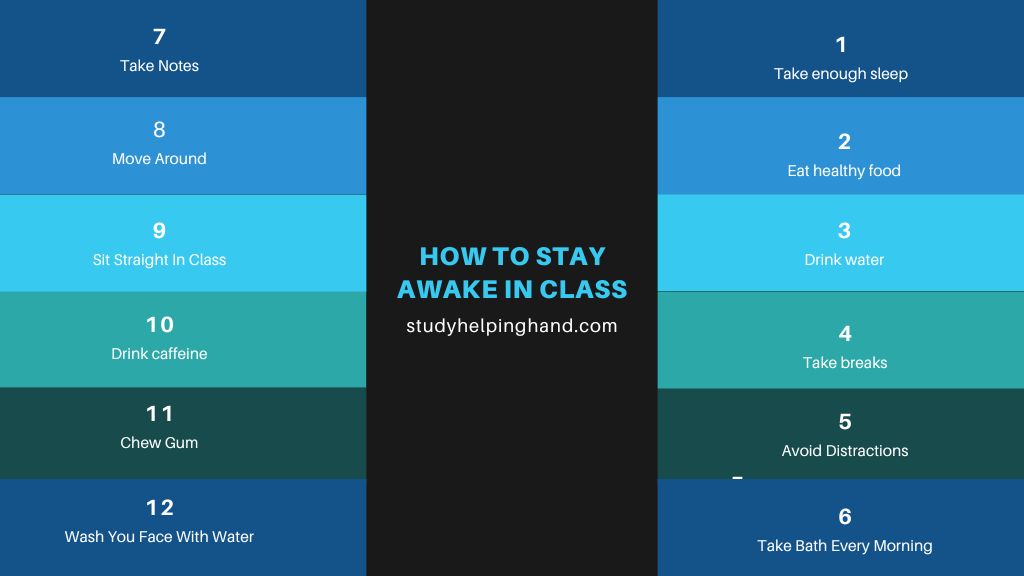
- Carry a Water Bottle: Make it a habit to sip throughout the lecture. Having it readily available is key.
- Infuse Your Water: Bored of plain water? Add some lemon, cucumber, or mint for a refreshing twist. It can be surprisingly invigorating.
Cultural reference: Ancient Egyptians believed water was a divine gift and used it in their rituals. We might not be worshipping it, but it's definitely a life-saver in the lecture hall!
Strategic Snacking: Fueling Your Brain
What you eat before and during class can make a huge difference. Avoid heavy, carb-laden meals that can send you into a post-lunch coma. Opt for brain-boosting snacks instead.
- Nuts and Seeds: Packed with healthy fats and protein, they provide sustained energy. Almonds, walnuts, pumpkin seeds – your choice!
- Fruits: Berries are full of antioxidants, and bananas provide a quick energy boost.
- Dark Chocolate (in moderation!): Contains caffeine and compounds that can improve focus. A small square can be your secret weapon.
Pro tip: Avoid sugary snacks that lead to a crash. Think of it like fueling a sports car – you want high-octane fuel, not cheap gas that’ll leave you sputtering.
Engage, Engage, Engage!
This is probably the most effective, and often overlooked, strategy. If you’re passively absorbing information, your brain has more time to wander off to dreamland. Active participation is your best defense.
- Take Notes (by Hand!): Studies show that writing notes by hand improves comprehension and retention. Plus, the physical act of writing can keep you engaged. Ditch the laptop if you're prone to getting distracted by tabs.
- Ask Questions: Don't be shy! If something is confusing, ask. It not only clarifies the material for you but also keeps your mind sharp and your voice awake.
- Participate in Discussions: If the professor opens the floor for discussion, jump in! Even a simple comment can reignite your focus.
- Visualize the Material: Try to create mental images or analogies for what the professor is explaining. This makes the information more tangible and easier to process.
Think of it like playing a video game. If you’re just watching, you’ll get bored. But if you’re actively playing, strategizing, and reacting, you're fully immersed.
The Power of Movement and Sensory Stimulation
Sometimes, you just need a little jolt to wake up your senses.
- Strategic Squirming: Subtle movements like shifting in your seat, tapping your foot (quietly!), or stretching your legs under the desk can help.
- Chewing Gum: The act of chewing can increase blood flow to the brain. Just be mindful of the classroom's gum policy!
- Aromatherapy (Subtle Edition): Some people find that a subtle sniff of peppermint or citrus essential oil can be invigorating. A small rollerball to discreetly dab on your wrist can be a game-changer.
- Sit Upright: Slouching signals to your body that it's time to relax. Sit tall, shoulders back, and engage your core.
Fun fact: The average person blinks about 15-20 times per minute. If you find yourself blinking a lot less during a lecture, it’s a sure sign you’re zoning out.
The "Oh Crap, I'm Still Falling Asleep" Contingency Plan
Even with the best intentions, sometimes you hit a wall. Here’s what to do when you feel the inevitable sleepiness creeping in.
:upscale()/2023/08/14/891/n/1922441/da2c571664da8d6044fe48.40093849_.jpg)
The "Quick Refresh" Maneuver
- Excuse Yourself: If possible, discreetly leave the room for a few minutes. Splash some cold water on your face in the restroom. The shock of the cold water is a powerful wake-up call.
- Go for a Brisk Walk: If there's a break, take a quick walk outside or down a hallway. The change of scenery and physical activity can do wonders.
- Deep Breathing Exercises: Slow, deep breaths can increase oxygen flow to your brain. Inhale deeply through your nose, hold for a few seconds, and exhale slowly through your mouth. Repeat several times.
Think of it like hitting the "refresh" button on your computer when it's lagging. A quick reboot can get things running smoothly again.
Caffeine: The Double-Edged Sword
Ah, caffeine. The beloved elixir of students everywhere. While it can be a lifesaver, it’s also a tool that needs to be used wisely.
- Timing is Everything: If you know you're going to struggle, have a coffee or tea before class. Don't wait until you're half asleep.
- Know Your Limits: Too much caffeine can lead to jitters, anxiety, and a subsequent crash. Find your sweet spot.
- Consider Alternatives: Green tea offers a more sustained energy boost without the harsh crash of coffee.
Cultural reference: The Boston Tea Party was a protest, but let's be honest, a lot of people probably just needed a good pick-me-up that day. Use your caffeine wisely!
Beyond the Lecture Hall: Lifestyle Habits for Lasting Energy
Staying awake in class isn’t just about surviving a few hours; it’s about cultivating a lifestyle that supports sustained energy and focus. These are the unsung heroes of academic success.

Nourishment Beyond Snacks
What you eat throughout the day matters just as much as your in-class snacks.
- Balanced Meals: Focus on whole foods – fruits, vegetables, lean proteins, and whole grains. This provides a steady release of energy throughout the day.
- Avoid the Sugar Rush and Crash Cycle: Limit processed foods and sugary drinks that cause drastic fluctuations in blood sugar levels.
The Importance of Physical Activity
It might seem counterintuitive when you're tired, but regular exercise actually boosts your energy levels. It improves circulation, reduces stress, and helps you sleep better.
- Find Something You Enjoy: Whether it's a brisk walk, a dance class, or hitting the gym, consistency is key.
- Incorporate Movement into Your Day: Take the stairs, walk to class instead of taking the bus, do some stretches during study breaks.
Mental Well-being is Key
Stress and anxiety can be huge energy drains. Prioritizing your mental health is crucial for overall alertness.
- Mindfulness and Meditation: Even a few minutes a day can help calm your mind and improve focus.
- Breaks are Essential: Don't push yourself to the brink. Schedule regular breaks to rest and recharge.
- Seek Support: If you're struggling with overwhelming stress or fatigue, don't hesitate to talk to a friend, family member, or mental health professional.
A Gentle Reflection
Struggling to stay awake in class is such a common, relatable experience. It’s a little micro-battle we wage against our own biology, against the comfort of our beds, against the sheer exhaustion that sometimes accompanies the demanding pace of student life. But each time we choose to engage, to ask a question, to take a note, we’re not just fighting sleep; we're actively participating in our own education. We’re showing up for ourselves, for our future. And that, in its own quiet way, is a pretty powerful act of self-care and ambition. So next time you feel those eyelids getting heavy, remember these tips. You’ve got this. And who knows, you might even learn something remarkable while you’re at it.