
How Do I Sign A Sympathy Card
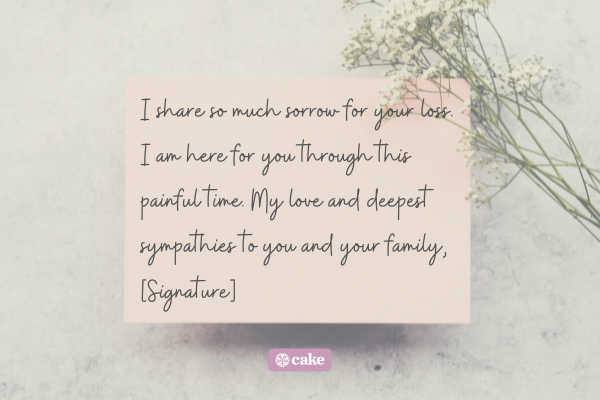
Ah, the dreaded sympathy card. It sits there, pristine and white, a tiny battlefield of good intentions and awkward scribbles. We’ve all been there, right? Staring at the blank space, pen poised like a medieval knight preparing for a joust with their own emotions. What do you even write? Does a smiley face emoji count? (Spoiler alert: probably not.)
Let’s be honest, signing a sympathy card feels like navigating a minefield of unspoken rules. Do you go with the classic, “So sorry for your loss”? It’s safe, it’s polite, it’s… a little bit like ordering vanilla ice cream when there are seventeen other flavors. Perfectly acceptable, but does it really sing? Does it capture the unique sparkle of the person you’re remembering?
Then there’s the internal debate: Should I make it about me? “I remember when Grandpa Joe and I went fishing…” No, definitely not. This isn’t your memoir. This is about acknowledging someone else’s ache. Though sometimes, a shared memory can be a beautiful thing. It’s a delicate dance, a tightrope walk between genuine connection and accidental self-absorption.
Must Read
My personal, slightly unpopular opinion? We overthink it. We stare at the card like it’s a sacred text, deciphering ancient hieroglyphs of grief. But at the end of the day, the person receiving the card likely isn’t grading your calligraphy or analyzing your comma placement. They’re hurting. And they’re looking for a little bit of human connection, a gentle reminder that they aren’t alone in their sadness.
So, what’s the secret ingredient? What magical phrase unlocks the door to genuine comfort? It’s simpler than you think. It’s about sincerity. It’s about saying something that feels true to you, even if it’s not perfectly polished. For instance, instead of just “My deepest condolences,” you could try something like, “Thinking of you during this incredibly tough time.” It’s a subtle shift, but it feels a little warmer, doesn’t it? It’s like swapping a firm handshake for a gentle hug.

And let’s not forget the power of acknowledging the person who has passed. Sometimes, just mentioning their name with a little bit of affection can mean the world. “I’ll always remember Aunt Carol’s infectious laugh.” Or, “Mr. Henderson was such a kind soul.” These small touches personalize the message and ensure the memory of the departed isn’t lost in the shuffle of platitudes.
What about those times when you barely knew the person who passed? This is where the sympathy card can feel particularly daunting. You don’t have personal anecdotes. You don’t have deep memories. In these situations, simplicity is your best friend. A straightforward, “Sending you strength and peace,” or “With heartfelt sympathy,” is perfectly adequate. It shows you care enough to acknowledge the situation, and that’s often enough.

And here’s a radical thought: What if you just… write what you feel? If you’re feeling a bit lost for words, admit it! A little honesty can be incredibly disarming. “I don’t have the right words to express how sorry I am, but please know I’m thinking of you.” See? It’s not so scary. It’s human.
Sometimes, a simple signature feels woefully inadequate. Like you’ve just signed your name on a receipt. This is where you can add a little something extra. A brief, warm closing. “With love,” is always a good one. Or, “Warmly,”. If you’re feeling a little more connected to the recipient, “With deepest sympathy and love,” can be quite poignant.

And for those truly challenging moments, when the grief is palpable, and your own emotions are swirling, sometimes the most comforting thing you can do is offer a tangible promise. “Please let me know if there is anything at all I can do.” And then, actually mean it. Follow up. Offer to bring over a meal, help with errands, or simply be a listening ear. That’s far more impactful than any elegantly phrased sentence on a card.
Ultimately, signing a sympathy card is an act of kindness. It’s a small gesture that can have a big impact. Don’t let the fear of saying the “wrong” thing prevent you from saying anything at all. A genuine, heartfelt message, no matter how simple, is always better than a blank space. So, take a deep breath, pick up that pen, and let your good intentions flow. The person on the other side will thank you for it.
Remember, it's the thought that counts. And a well-placed "Thinking of you" can feel like a warm blanket on a cold day.
So next time you’re faced with that innocent-looking card, remember this: You’re not a grief-writing professional. You’re just a human being, offering a bit of comfort to another human being. And that’s a pretty wonderful thing to do. Don’t be afraid to be a little imperfect. It’s in those imperfections that true connection is often found. And maybe, just maybe, that’s the most important thing of all.


