How Do I Remove A Wasp Nest

Ah, the buzzing buzz of summer! While we all love a sunny afternoon, sometimes those little winged visitors decide to set up shop a little too close for comfort. Learning how to safely and effectively deal with a wasp nest is one of those super practical skills that can save you a world of bother (and potential stings!). It’s not exactly a thrilling adventure, but tackling a wasp nest can bring a real sense of accomplishment and peace of mind. Plus, knowing how to handle it yourself can be a real money-saver compared to calling in the professionals for every little situation.
So, who's this information for? If you're a beginner just starting to notice these papery homes popping up, this is your friendly guide to understanding the basics. For families with kids and pets, knowing how to remove a nest safely is paramount to enjoying your outdoor space without worry. And for the budding hobbyists of home maintenance or even those interested in natural pest control (with a healthy dose of caution, of course!), understanding wasp behavior and nest removal can be surprisingly fascinating.
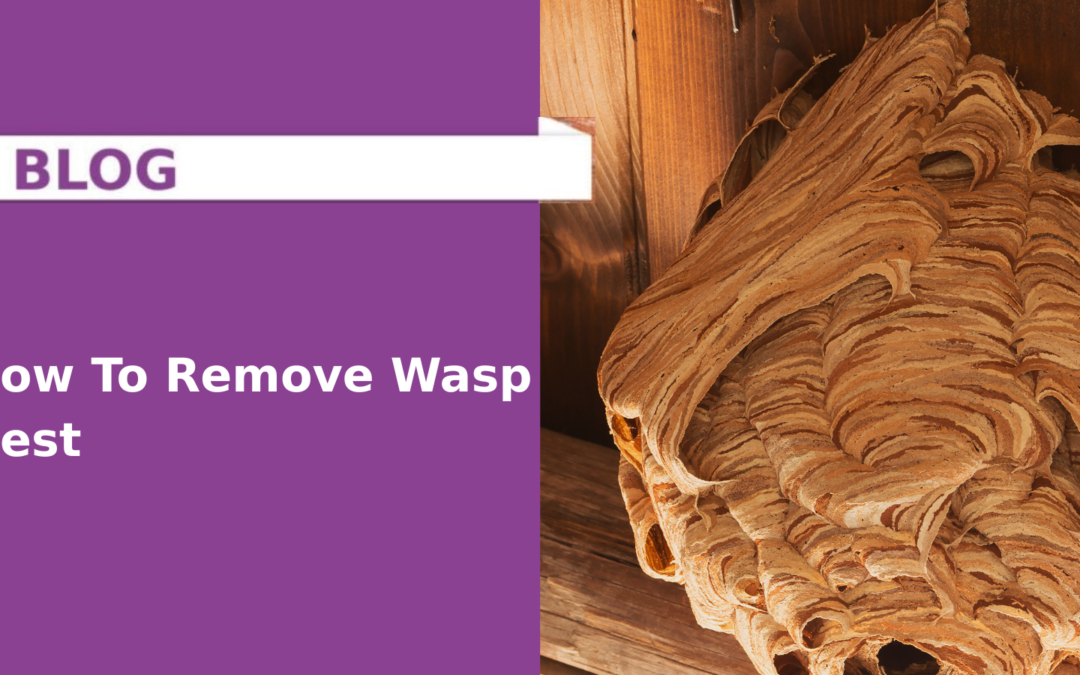
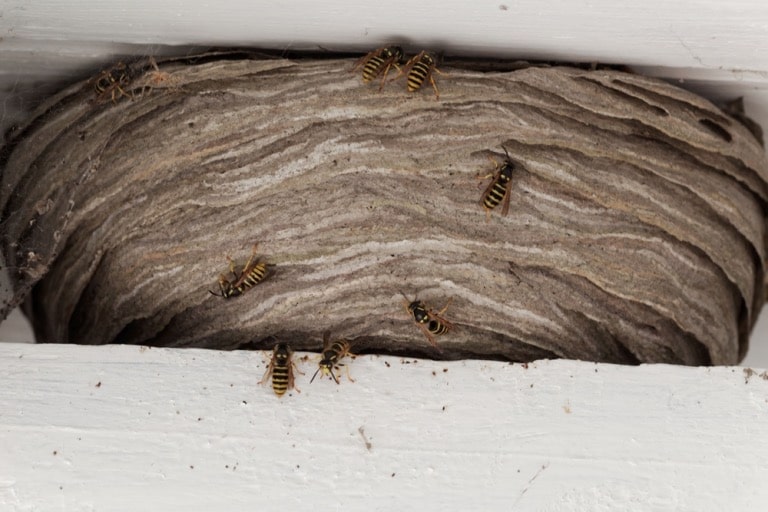
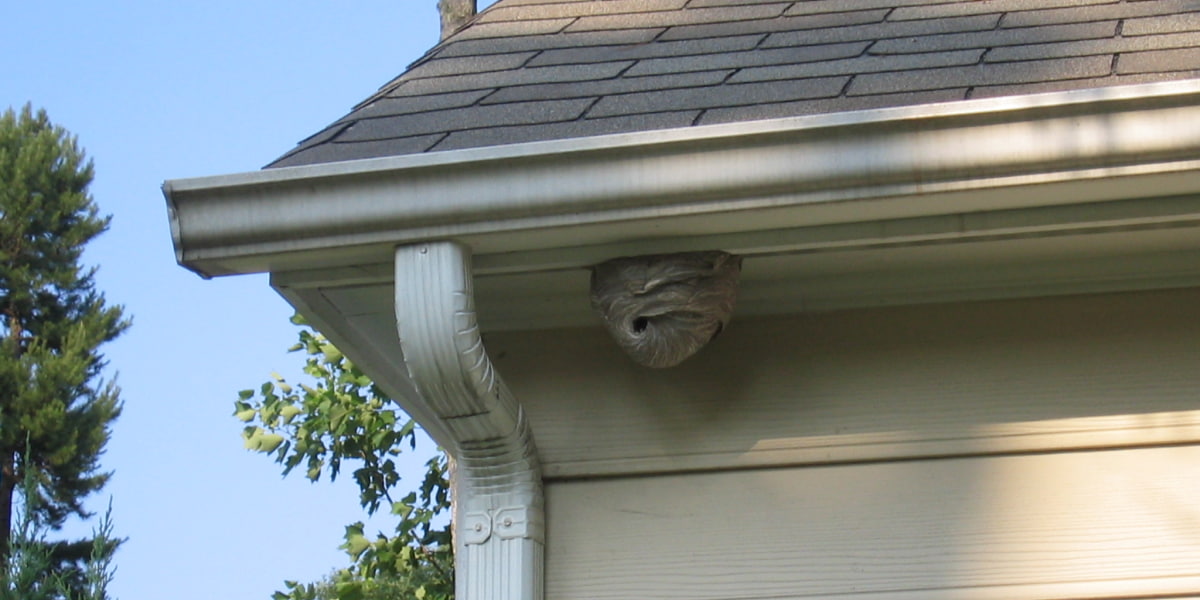
There are a few types of wasp nests you might encounter. You might see the classic, hanging papery nests in eaves or trees, often built by paper wasps. Then there are the more hidden ones, like those tucked away in wall cavities or underground, usually belonging to yellow jackets. The method for removal might vary slightly depending on the location and type of nest, but the core principles remain the same: safety first!
Must Read
Ready to get started? Here are some simple, practical tips to make the process a little less daunting. First and foremost, identify the nest. Try to observe from a safe distance without disturbing them. Are they aggressive? Is the nest in a high-traffic area? If it's small and in an inconvenient spot, you might consider tackling it. For small, accessible nests, especially early in the season when they're just starting, a quick spray with a good wasp killer can be effective. Make sure you get one specifically designed for wasps and hornets, and read the instructions carefully. A long-range spray is your best friend here – this allows you to stand a good distance away.
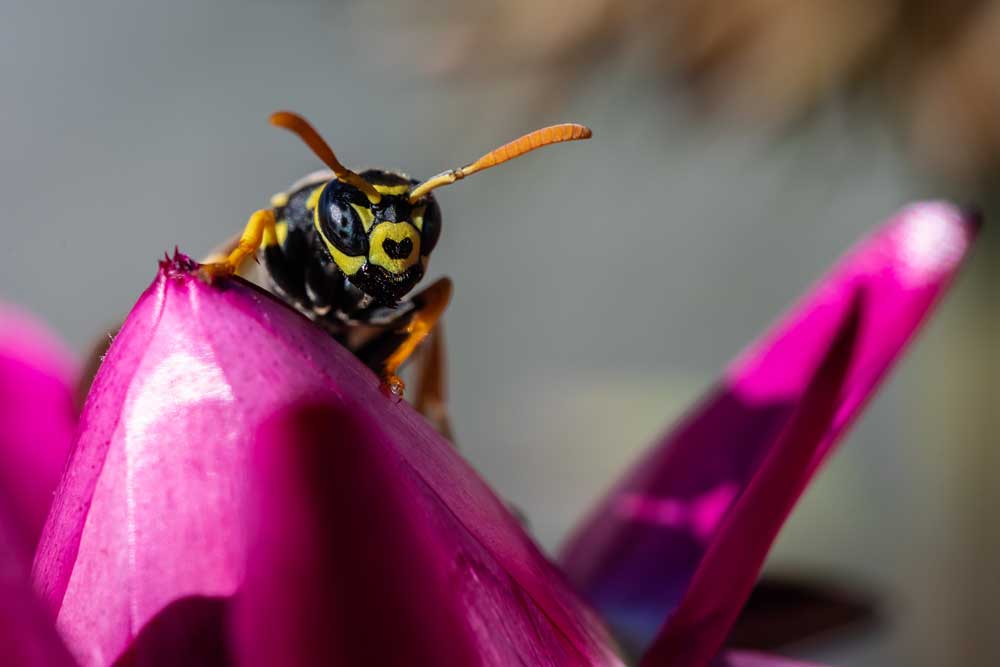
Timing is also key. Wasps are generally less active and more dormant during the cooler parts of the day, like early morning or late evening. This is the ideal time to act. And please, for your own sake, wear protective clothing! This means long sleeves, long pants, gloves, and even a hat or veil if you have one. Think of it as your superhero costume for wasp wrangling. If the nest is large, in a difficult-to-reach spot, or you feel uncomfortable for any reason, don't be a hero. It's perfectly okay and often the wisest choice to call a pest control professional. They have the experience and equipment to handle it safely and efficiently.
Successfully removing a wasp nest, or at least knowing you've made the right decision about professional help, brings a great sense of relief and allows you to reclaim your outdoor spaces. It's a small victory that makes a big difference in enjoying your home. So, next time you spot that papery marvel, you'll be armed with the knowledge to handle it with confidence!