
How Do I Prune A Blueberry Bush
Okay, so picture this: it was a gloriously sunny Saturday morning. I’d been eyeing my blueberry bush, a rather scraggly affair I’d lovingly (and perhaps a little naively) planted a couple of years ago. It was producing… well, some blueberries. Enough for a decent snack, maybe. But I’d seen photos. I’d seen those bushes that looked like they were bursting with fruit, like they’d been sculpted by some horticultural wizard. Mine looked more like it had just survived a mild dust storm. My dream of a blueberry mountain, a veritable Everest of deliciousness, was still firmly in the foothills. That’s when it hit me: my bush was probably crying out for a haircut. A good, honest prune. And honestly, if your blueberry production is looking a bit… meh, you might be in the same boat. Don't worry, we’re going to navigate this pruning mystery together, and by the end, your bush will be singing with berries.
You know that feeling when you’ve been staring at something for ages, and it feels like a giant, insurmountable task? That’s how I felt about pruning. I imagined myself wielding secateurs like a samurai, hacking away indiscriminately, and then realizing I’d accidentally turned my prize bush into a collection of sad sticks. But here’s the secret: it’s not as scary as it sounds. In fact, it’s quite empowering! You’re basically giving your plant a spa treatment, a bit of a glow-up, so it can focus its energy on what really matters: making more of those little blue jewels.
So, how do we get from "a few sad berries" to "a blueberry bonanza"? It all comes down to understanding what pruning actually does. Think of it as a strategic trim. We’re not just chopping for the sake of it. We’re aiming to:
Must Read
- Encourage new growth: Younger branches tend to produce more fruit.
- Improve air circulation: Less disease, happy plant.
- Allow sunlight penetration: Berries need sun to ripen!
- Shape the plant: Keep it manageable and attractive.
- Remove unproductive wood: Get rid of the deadbeats.
See? It’s all about boosting that berry output. No magic involved, just a little bit of know-how and a willingness to get your hands dirty. And trust me, the reward is so, so worth it.
When in Bloom (or Not Bloom, as the Case May Be): The Timing is Everything
Now, before you grab those clippers and go all “Edward Scissorhands” on your blueberry bush, let’s talk timing. This is crucial, folks. Pruning at the wrong time can actually hinder your berry production. And who wants that?
The golden rule for most blueberry varieties is to prune during their dormant season. This typically means late winter or very early spring, before new growth really kicks off. Why dormant? Because when the plant is resting, it’s not actively pushing out leaves and flowers. This makes it easier to see the structure of the plant and, more importantly, it won’t stress the plant as much. You’re not interrupting its busy schedule of making more berries!
Think of it like this: you wouldn’t want to go for a major surgery right before a big exam, would you? You’d want to be well-rested and ready to recover. Your blueberry bush feels the same way. Give it a break, let it sleep, and then give it a strategic trim when it’s gearing up for its next big performance.
What if you miss the window? Some light trimming of dead or damaged branches can be done anytime, but a major structural prune is best left for dormancy. If you’re in a warmer climate, your “dormant” season might look a bit different, but generally, aim for the coolest part of the year.
So, mark your calendars. Late winter/early spring. That’s your prime pruning time. Got it? Good.
The Right Tools for the (Pruning) Job
Alright, so we’ve established when to prune. Now, let’s talk about how. And that starts with having the right gear. You don’t need a whole shed full of fancy tools, but a couple of essentials will make your life a whole lot easier and your cuts cleaner.
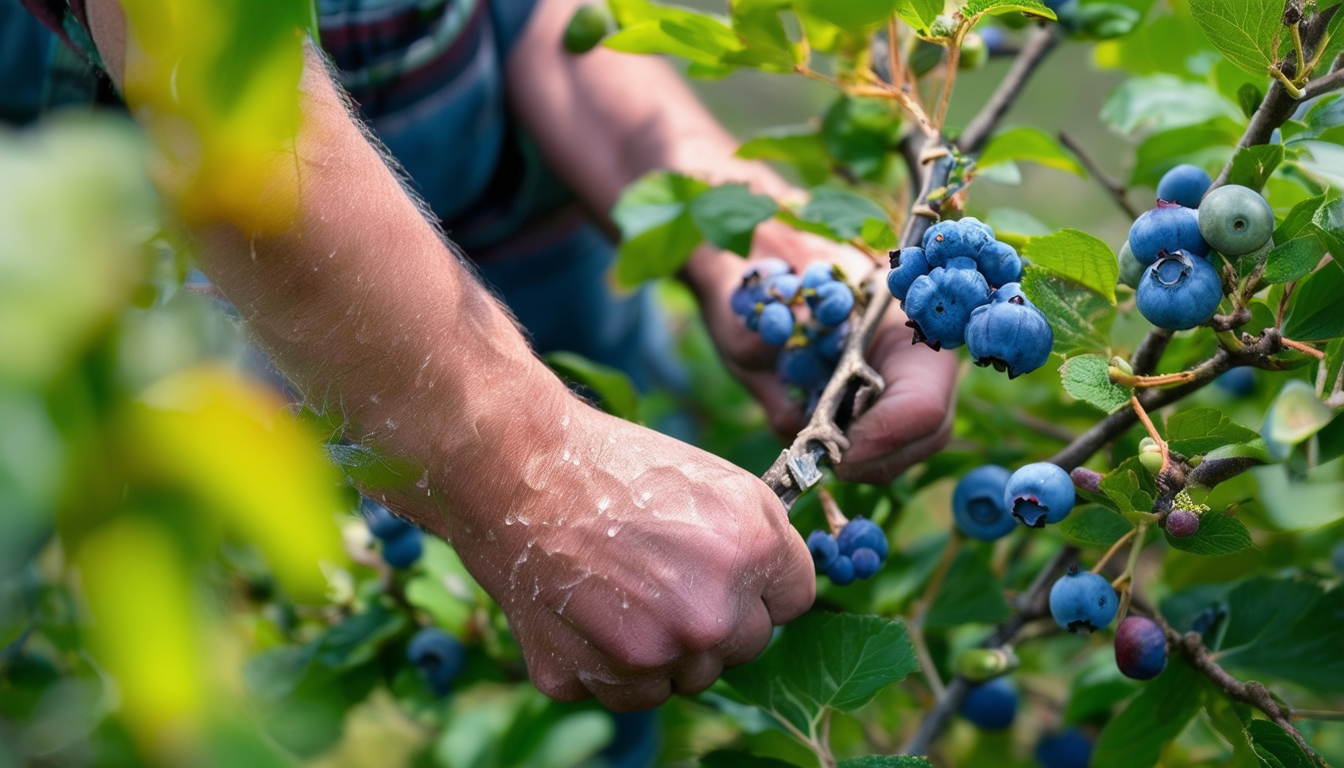
First up, bypass pruners. These are your go-to for smaller branches, typically up to about half an inch in diameter. They work like scissors, with two curved blades that pass by each other, giving you a nice, clean cut. This is important because a clean cut heals better and is less prone to disease. Avoid anvil pruners, which can crush stems.
For slightly thicker branches, say up to an inch or so, you’ll want loppers. These are like giant pruners with long handles, giving you more leverage. They’re your best friend for those slightly more substantial branches that your pruners just can’t handle.
If your bush is a real mature specimen, or you’re dealing with very thick, old wood, you might need pruning shears or even a small pruning saw. Again, the goal is a clean cut. Don’t try to force your way through a thick branch with smaller tools; you’ll just end up with a ragged mess.
And a quick, important note: always make sure your tools are clean and sharp. A dirty tool can spread disease from one plant to another, and a dull blade will do more damage than good. A quick wipe-down with rubbing alcohol between plants (or even between major cuts on the same plant) is a good habit. And sharpen those blades regularly! Your plants (and your arms) will thank you.
So, gather your tools. Make sure they’re ready to go. Think of it as getting your toolkit prepped before a big DIY project. This is the foundation for successful pruning.
The Art of the Cut: What to Look For and What to Remove
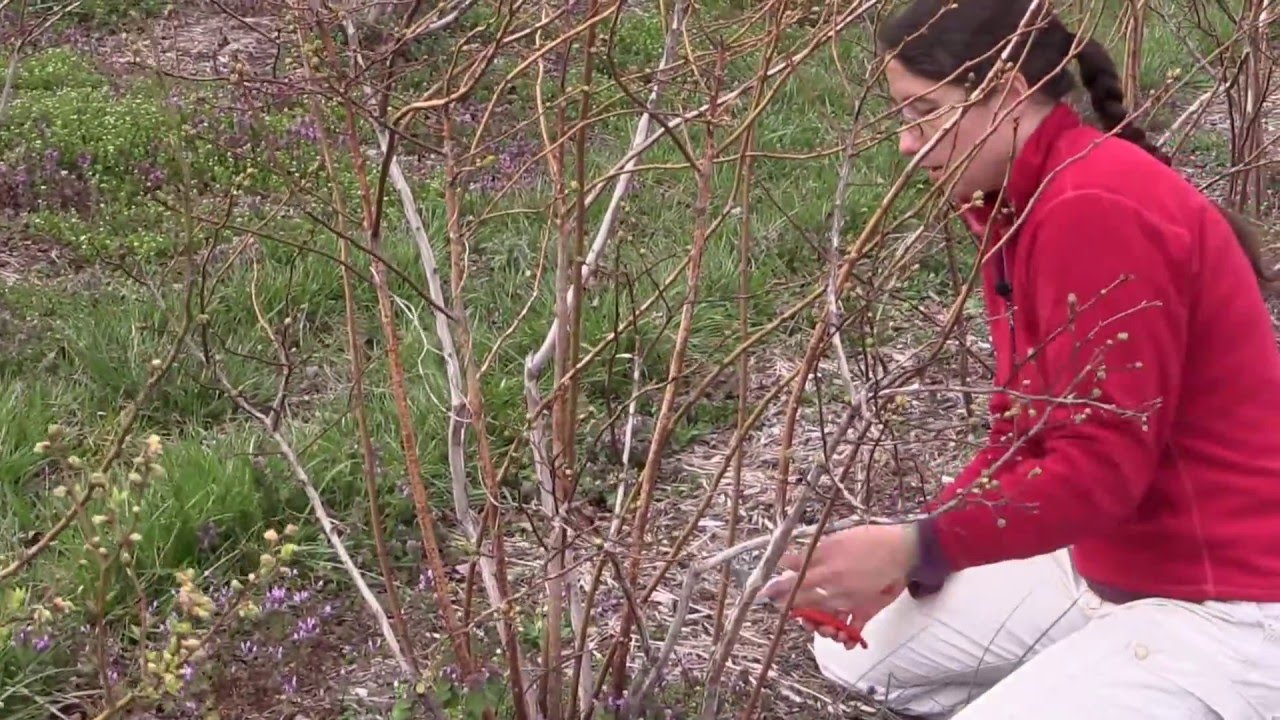
This is where the magic really happens! When you look at your blueberry bush, it might seem like a tangled mess. But once you know what to look for, it becomes a lot clearer. The goal here is to promote vigor and fruit production. So, let’s break down what needs to go:
1. Dead, Damaged, or Diseased Wood
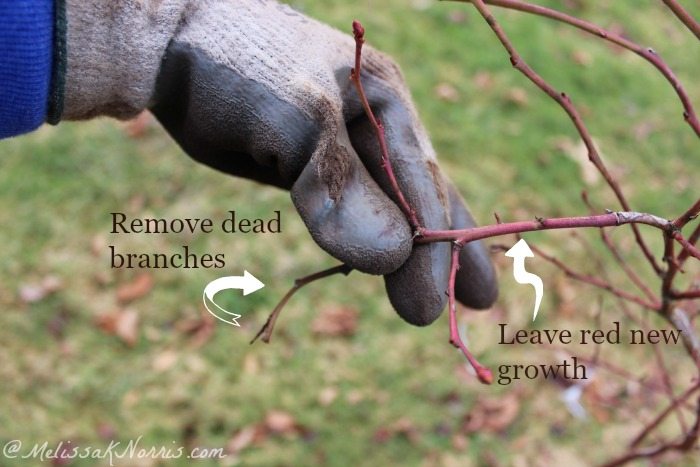
This is the easiest stuff to spot and the most important to remove. Look for branches that are:
- Brown and brittle: If a branch snaps easily and looks dry, it's probably dead.
- Showing signs of disease: Spots, cankers, unusual growths – these need to go to prevent spreading.
- Damaged from pests or weather: Broken branches from wind or evidence of insect damage.
Cut these back to the nearest healthy wood or all the way to the ground if it’s a whole dead branch. No sentimentality here; these are taking up energy without giving you berries. Out with the old!
2. Crossing or Rubbing Branches
Over time, branches can grow into each other, causing friction. This can lead to wounds that are entry points for disease. If you see two branches rubbing, you’ll want to remove one of them. Usually, you’ll remove the weaker or poorly positioned one. Think about which one is contributing less to the overall shape and structure of the bush.
3. Weak or Spindly Growth
These are the little twigs that seem to be hanging on for dear life. They’re often thin, wispy, and unlikely to produce significant fruit. They’re also hogging resources that could be going to stronger growth. Trim these back to encourage more robust branches.
4. Low-Growing Branches
Branches that are growing downwards and almost touching the ground are problematic. They’re more susceptible to disease and pests, and it’s harder for air to circulate around them. Plus, when the berries start to ripen, they’ll be the first to get nibbled by critters on the ground (or just get muddy). Cut these back to a higher point on the plant.
5. Old, Non-Productive Canes
This is a key part of long-term blueberry health. Blueberry bushes produce the best fruit on younger wood, typically wood that is 2-4 years old. Older canes (say, 5 years or more) tend to become less productive, woodier, and can become shaded out. They might look substantial, but they’re not giving you the bang for your buck (or berry!).
How do you identify these? Older canes are often thicker, darker, and have rougher bark. They might also be less vigorous in their growth. The practice of removing one or two of these oldest canes each year is called renewal pruning, and it’s vital for keeping your bush producing prolifically for years to come. You’re essentially making space for younger, more productive wood to take over.
When removing these old canes, cut them right down to the ground. This sounds brutal, I know! But it encourages new, strong shoots to emerge from the base of the plant. Out with the really old! It’s a bit of a long-term investment.
Your aim is to create an open, vase-like structure. You want good air flow and sunlight to penetrate the entire plant. Don’t be afraid to remove a good portion of the plant. Remember, you’re not trying to make it smaller; you’re trying to make it better. It will look sparse for a little while, but trust the process!
The Cutting Technique: Making Clean, Strategic Cuts
We’ve talked about what to cut, but how you cut is equally important. It’s not just about hacking away; it’s about making clean, precise cuts that will heal properly.
When you’re pruning a branch, you want to cut just above a bud or a lateral branch. A bud is a tiny bump on the stem that will grow into a new shoot or flower. A lateral branch is a smaller branch coming off the main one.
Find a bud that is pointing outwards (away from the center of the plant). Make your cut at a slight angle, about ¼ inch above that bud. This angle helps water to run off, preventing rot. The cut should be clean and smooth, not ragged.
If you’re removing an older, thicker cane, make sure you cut it all the way down to the ground, or back to a strong, younger branch if it’s less than ideal. For these thicker cuts, you might need to do a three-step cut to prevent the branch from tearing the bark down the trunk. First, make a shallow cut on the underside of the branch about a foot away from the trunk. Then, make a second cut from the top, a little further out, until the branch breaks. Finally, you can make a clean cut just outside the remaining stub. This might sound complicated, but watch a quick video if you’re unsure! It’s like a little trick to save your plant from injury. No tearing allowed!
Step back and look at your work frequently. Are you creating a good structure? Is the light going to get in? Are there any gaps that need filling with more vigorous growth? You’re basically sculpting your blueberry bush.
What NOT to Do: Common Pruning Pitfalls
We’ve covered a lot, but let’s reinforce what to avoid. These are the classic mistakes that can leave your blueberry bush sad and berry-less.

- Pruning at the wrong time: As we’ve stressed, dormant season is key for major pruning.
- Cutting too much at once: While you do want to remove a good amount, don’t go overboard. Remove no more than about 30-40% of the bush in a single year. You want to stimulate growth, not shock it into submission. If your bush is really overgrown, spread the major pruning over a couple of years.
- Leaving stubs: Don’t leave long stubs of branches. Cut them back cleanly to a bud or the main stem/ground. Stubs can die back and invite disease.
- Not removing enough old wood: This is the biggest one for long-term productivity. If you’re not systematically removing those oldest, thickest canes, your bush will eventually decline.
- Using dull or dirty tools: We covered this, but it’s worth repeating. It’s the equivalent of trying to chop wood with a butter knife. Messy, ineffective, and potentially damaging.
- Over-pruning young plants: Very young blueberry bushes (first 1-2 years) need less pruning. You want them to establish a good root system and structure. Focus on removing just the very weakest or damaged branches.
It’s a learning process, and honestly, even experienced gardeners make mistakes. The important thing is to learn from them and adjust for next year. Your blueberry bush is surprisingly resilient, so don’t panic if you feel like you’ve gone a little overboard. It will likely bounce back.
Post-Pruning Pampering: What Happens Next?
So, you’ve done it! You’ve wielded your tools with confidence and your blueberry bush is looking… different. Hopefully, better! What now?
First, clean up all the pruned material. Don’t leave it lying around, especially if you removed diseased branches. Get it out of your garden.
Then, give your bush a good drink of water. It’s been through a bit of a stressful event, and hydration is important for recovery and new growth.
Consider adding a layer of mulch around the base of the plant. Blueberry bushes love acidic soil and mulching helps retain moisture, suppress weeds, and regulate soil temperature. Pine needles, wood chips, or compost are all good options. Keep the mulch a few inches away from the trunk to prevent rot.
Now, you wait. As the weather warms up and the growing season begins, you’ll start to see new growth emerging. Those pruned areas will be replaced by vigorous new shoots, and hopefully, you’ll notice more flowers and, ultimately, more berries. It might take a season to see the full effect, especially if you did a significant renewal prune. But keep at it, year after year, and you’ll be rewarded with a bountiful harvest. Your own personal blueberry mountain awaits!
And that’s it! Pruning a blueberry bush isn’t some arcane secret known only to the horticultural elite. It’s a straightforward process of understanding your plant's needs and giving it the right kind of attention at the right time. So, go forth, embrace your inner gardener, and get ready for a berry-licious future!

