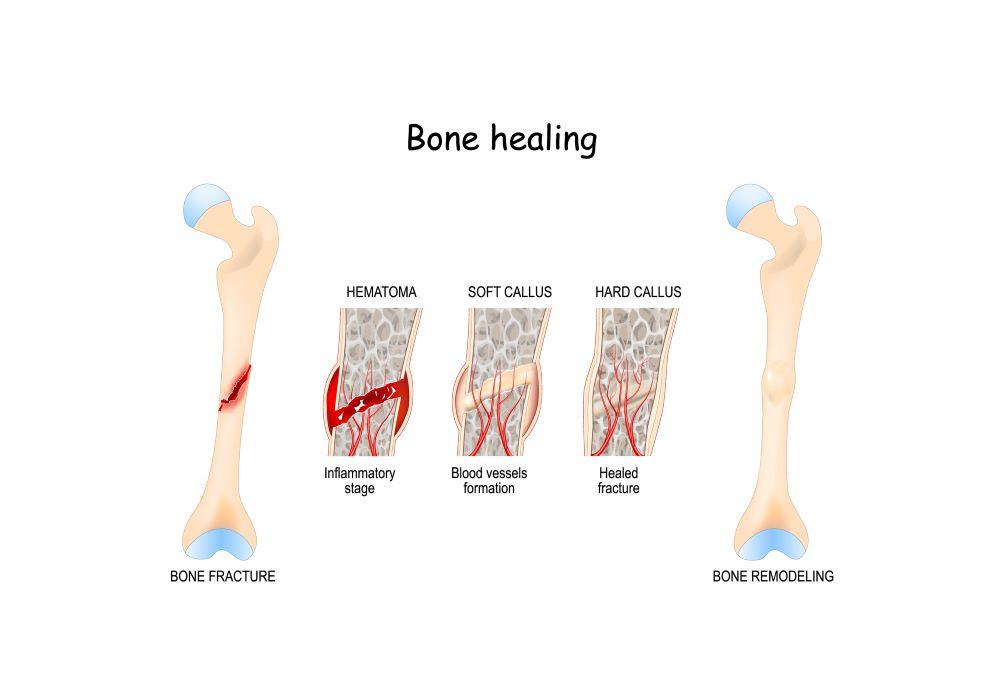
How Do I Know If I Broke A Bone

So, you’ve had a little tumble. Maybe you tripped over a rogue garden gnome, attempted a daring leap over a puddle that turned out to be deeper than you thought, or perhaps your beloved pet decided your foot was the perfect launching pad for an aerial maneuver. Whatever the scenario, you’re now nursing a sore limb and a nagging question in the back of your mind: Did I actually break something?
Hey, it happens to the best of us! We’re not all Olympic gymnasts or professional skateboarders. Sometimes, life just throws a curveball (or a rogue skateboard) our way, and we end up feeling a bit… out of sorts. And when it comes to our bones, the thought of a break can be a little scary. We’ve all seen those dramatic movies where someone snaps a bone with a sickening crack. But in real life, it’s often a lot less Hollywood and a lot more, well, ouchy.
The good news is, you don't need a medical degree to get a pretty good idea if something might be amiss. Think of your body as a finely tuned instrument. When a string is out of tune, it sounds… well, wrong. Your bones are a bit like that. When they're in good shape, they let you do all sorts of amazing things: walk, run, dance, high-five your friends, and even meticulously arrange your sock drawer (a truly noble pursuit). But when something’s wrong, your body sends out some pretty clear signals.
Must Read
The Big Red Flags (Besides the Obvious Pain!)
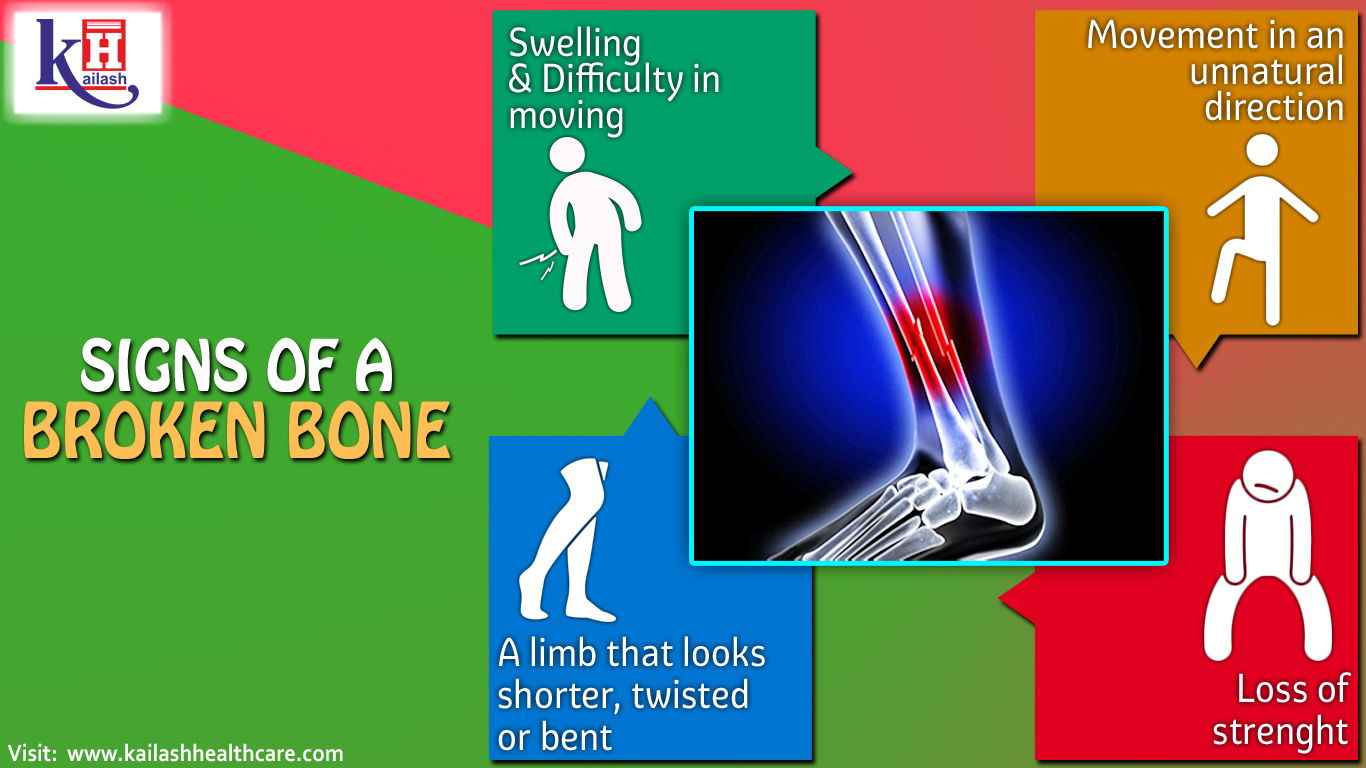
Let’s talk about what might be a clue that you’ve gone from a minor bump to a potential bone casualty. First and foremost, there’s the intense pain. We’re not talking about that dull ache you get after a long hike. This is a sharp, insistent pain that often feels like it’s coming from deep within the bone. It might make you yelp, gasp, or utter a string of words you’d probably prefer your grandmother didn’t hear.
Imagine stubbing your toe. Ouch, right? Now imagine that pain amplified by, say, 1000. And it doesn't just go away after a few minutes. It’s a persistent companion, reminding you that something isn’t quite right. This kind of pain is often worse with movement. Try to wiggle that injured finger or put weight on that potentially compromised ankle, and the pain just screams at you. It’s like your bone is saying, “Nope, absolutely not. We are NOT doing that today.”
Another big clue is swelling and bruising. When a bone is injured, your body rushes to protect it by sending extra blood and fluid to the area. This can cause significant swelling, making the injured limb look noticeably larger than its uninjured counterpart. Think of a balloon being slowly inflated. The bruising might appear a little later, a sort of purple-ish roadmap of the trauma. Sometimes, this bruising can spread quite a bit, like a spilled ink blot on a piece of paper.
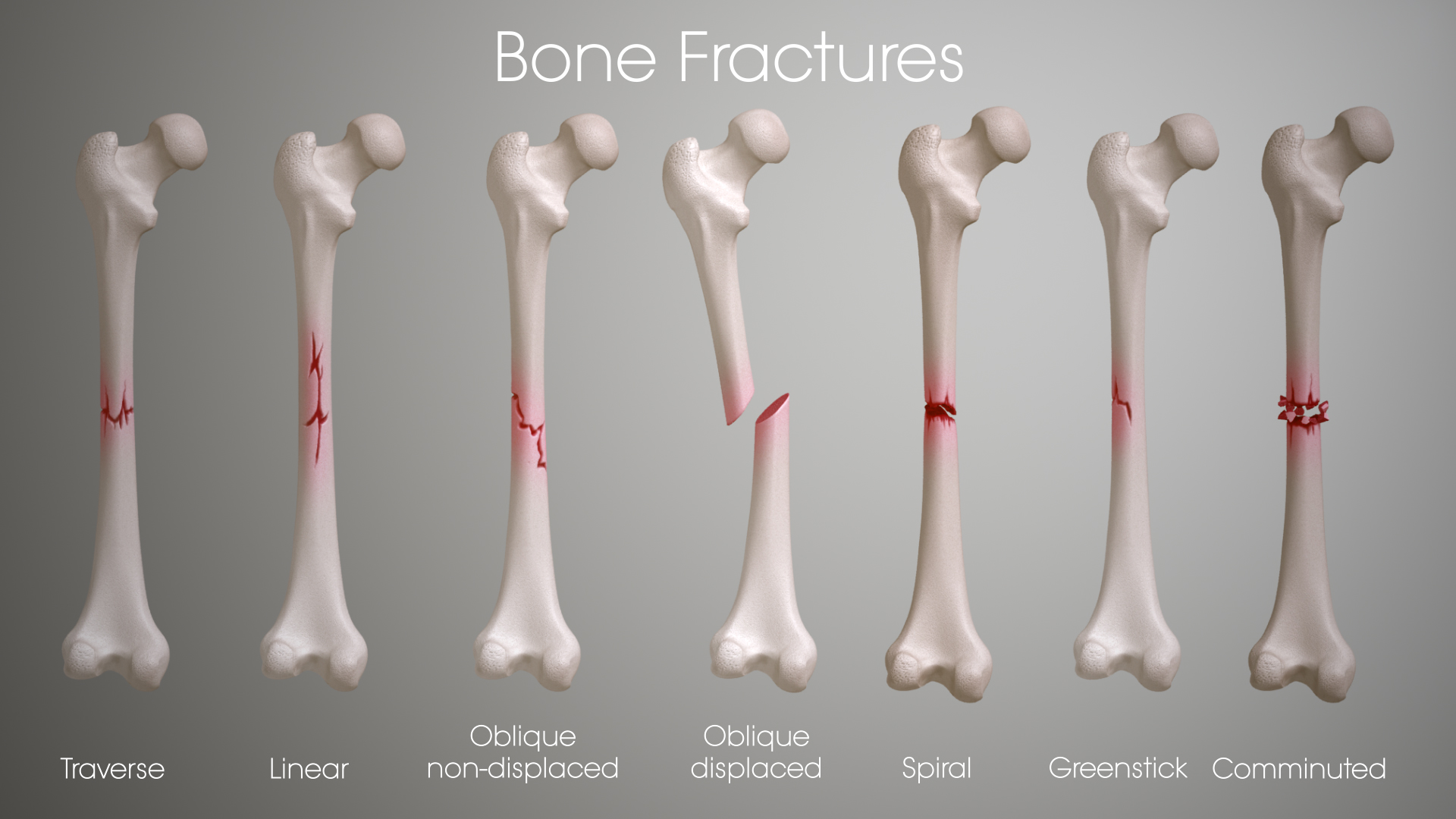
And then there’s the really dramatic stuff, though it's less common. Sometimes, you might notice a deformity. This is when the limb looks… well, bent in a way it shouldn’t be. It might be at an odd angle, or look shorter than it should. If you’re looking at your arm and it suddenly resembles a pretzel, that’s a pretty good indicator that you should seek medical attention, pronto. It’s like if your favorite comfy sweater suddenly developed a strange new lump you can’t explain.
What Else Might Be Going On?
Now, it’s important to remember that not all bone injuries are dramatic fractures. You might have a hairline fracture or a stress fracture. These are like tiny cracks in the bone, and they can be a bit trickier to spot. The pain might be more of a dull ache that gets worse over time, especially with activity. Think of a tiny crack in a ceramic mug; it might not break in half, but you know it’s not as strong as it used to be.
Sometimes, you might feel a grinding or snapping sensation at the time of the injury. This isn't always a sign of a break, but it can be. It’s like the sound of two pieces of chalk scraping against each other. It’s a sensation that makes you involuntarily wince.
Also, consider your range of motion. If you can’t move a particular joint or limb at all, or if moving it causes excruciating pain, that’s another red flag. Your body is trying to tell you, “Hey, something’s seriously not right here. Let’s keep it still.”
Why Should You Even Care About This?

You might be thinking, “Okay, it hurts, I’ll just rest it.” And for a minor bruise or sprain, that might be enough. But when it comes to a broken bone, ignoring it can lead to bigger problems down the road. Think of it like putting off a small repair on your house. A tiny crack in the wall might seem insignificant, but if left unattended, it can lead to more serious structural damage.
A poorly healed fracture can result in chronic pain, stiffness, and a loss of function. You might not be able to do the things you love as easily, or at all. Imagine not being able to play catch with your kids, or tend to your prize-winning petunias, or even just comfortably hold your morning coffee. It’s about preserving your ability to live your life to the fullest, and that’s something worth paying attention to!
Furthermore, if you’ve experienced a significant impact, there’s a chance of other injuries as well. A medical professional can assess the situation thoroughly and ensure you get the right treatment. They’re the experts, the navigators of our sometimes-bumpy road to recovery.
So, What Do You Do?
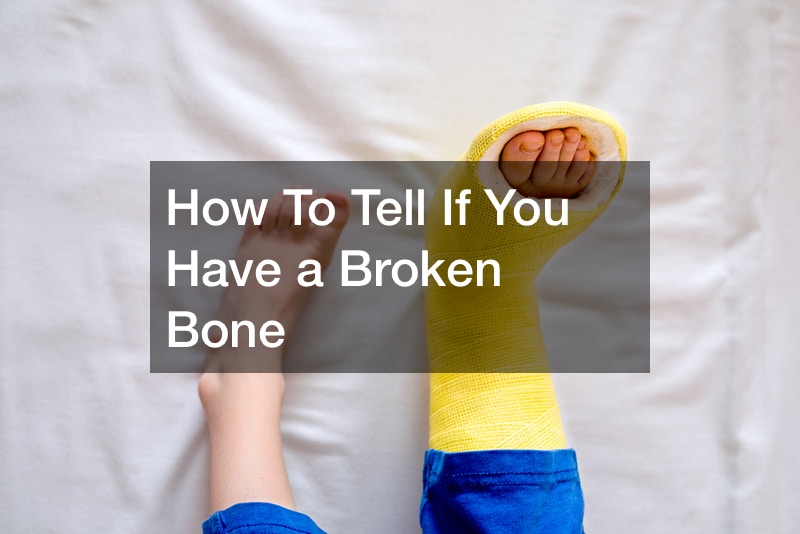
If you’re experiencing any of the symptoms we’ve discussed – especially intense pain that’s worse with movement, significant swelling, bruising, or a visible deformity – it’s time to seek medical attention. Don’t try to tough it out or self-diagnose with Dr. Google (though we all do it sometimes!). A doctor can perform an examination and usually order an X-ray, which is like a special photograph that can show us what’s happening inside your bones.
For immediate relief while you’re waiting to see a doctor, remember the good old R.I.C.E. method: Rest, Ice, Compression, and Elevation. Rest the injured limb, apply ice to reduce swelling (wrap it in a towel, don’t put it directly on your skin – we don’t want any frostbite!), gently compress it with a bandage, and elevate it above your heart. This is like giving your body a little helping hand while it starts the healing process.
Ultimately, listening to your body is key. It’s incredibly resilient, but it also sends us signals when something is seriously wrong. A little bit of caution and a willingness to seek professional help can make all the difference in getting you back to your normal, non-broken, everyday life. So, next time you have a bit of a mishap, pay attention to those signals. Your bones will thank you for it!