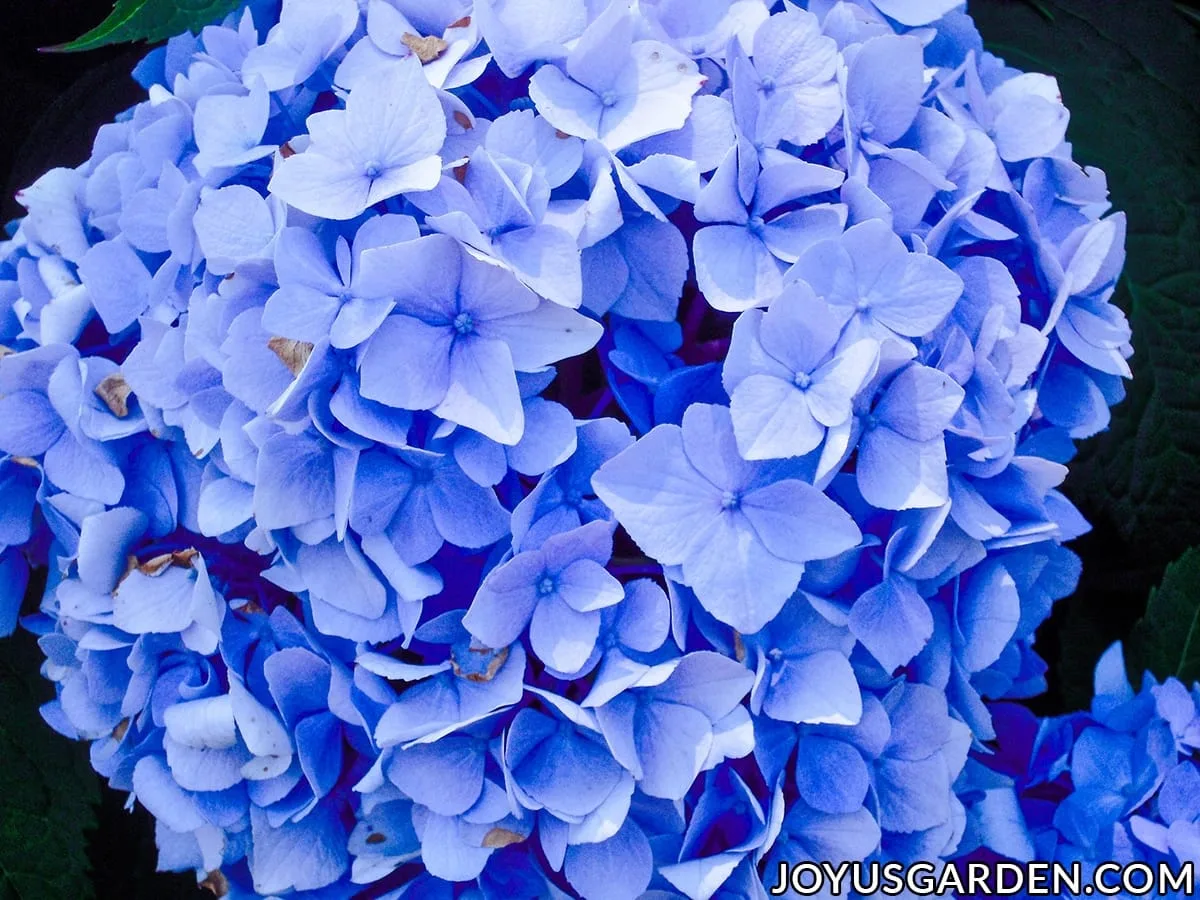
How Do I Keep A Hydrangea Blue

Okay, so confession time. For years, my hydrangea story was… well, it was a blurry pastel dream. You know the kind. Soft pinks, gentle lavenders, a vague suggestion of blue that always seemed to be a bit shy. I’d bought them specifically for their supposed cerulean brilliance, picturing a garden that looked like it was splashed with the same vibrant hue as my grandmother’s antique porcelain. Instead, I got… nice. Very, very nice. But not the show-stopping blue I’d envisioned.
It was a bit like ordering a gourmet coffee and getting lukewarm diner brew. Pleasant, but definitely not what you paid for. I started wondering if I’d been duped by the garden center, or if I just had some sort of… floral curse. My neighbor, Brenda, on the other hand? Her hydrangeas were legendary. Seriously, you could see them from space, they were that intensely, outrageously blue. Like a Smurf convention had decided to take up residence in her yard.
So, naturally, I cornered her one sunny afternoon, armed with a cup of tea and an interrogative glint in my eye. “Brenda,” I began, trying to sound casual, like this was just a fleeting thought and not a gardening obsession that had consumed my waking hours. “How… how do you get your hydrangeas SO blue?”
Must Read
She just winked. “Magic, dear. Pure gardening magic.”
Lies. All lies. It turns out, Brenda’s “magic” is a lot more science than sorcery. And it’s all about one fascinating, and frankly, a little bit bonkers, factor: aluminum.
The pH Plot Twist: It’s All About the Soil!
So, the big secret to those jaw-dropping blue hydrangeas isn’t some special fertilizer, or whispering sweet nothings to your plants (though, let's be honest, a little encouragement never hurts). It’s all about the soil's pH level. Yep, that seemingly insignificant number that dictates whether your soil is acidic or alkaline. For most plants, this might mean the difference between thriving and just… surviving. But for hydrangeas, specifically the Hydrangea macrophylla and Hydrangea serrata varieties (the ones that usually have those big, mophead or lacecap blooms), it’s the key to their color destiny.
Think of it like this: your hydrangea is a picky eater. And what it really craves, to achieve that glorious blue, is a good helping of aluminum. But here’s the catch: it can only absorb this delicious aluminum if the soil is the right environment for it. And that environment is acidic.
Acidic = Blue Bliss
When the soil pH is on the acidic side (generally below 6.0), aluminum is readily available for the hydrangea to soak up through its roots. This aluminum then travels up to the blooms and interacts with pigments within the flower petals, turning them that beautiful, vibrant blue. It’s like a chemical reaction happening right inside your plant, and the result is pure color envy.
On the flip side, if your soil is more alkaline (pH above 7.0), the aluminum is still there, but it’s basically locked away. The plant just can’t access it. So, even if you have a blue-blooming variety, if your soil is alkaline, you're going to get pink or reddish-pink flowers. It's like having a treasure chest full of gold, but you've lost the key. Frustrating, right?
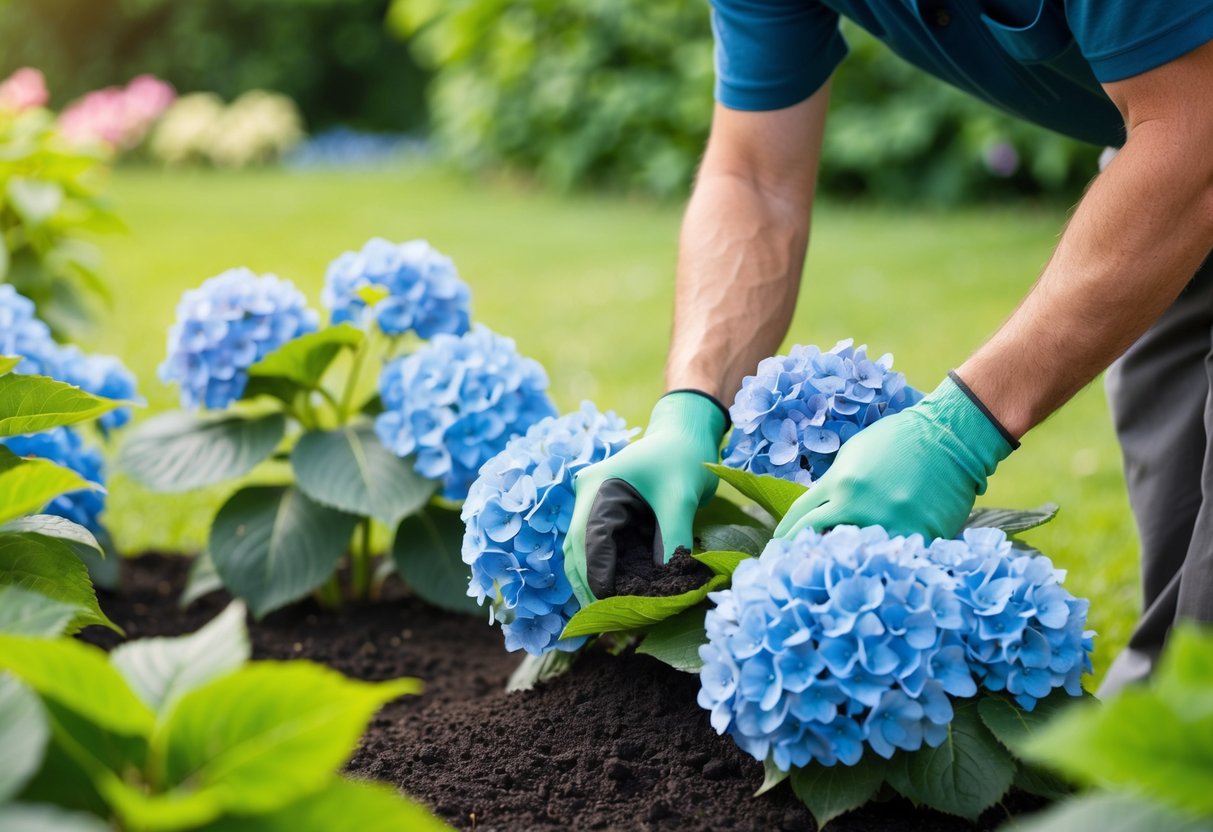
And then there’s the middle ground, the neutral zone (pH around 6.5 to 7.0). This is where you’ll often see those gorgeous, ethereal purple or lilac blooms. A little bit of accessible aluminum, a little bit locked away. The best of both worlds, if you're into that sort of romantic, dusky hue. But if blue is your jam, you need to aim for the acidic end of the spectrum.
So, How Do I Actually Make My Hydrangeas Blue?
Alright, enough with the science lesson. Let’s get down to business. You’ve got your hydrangeas, you want them blue. Here’s the game plan:
Step 1: Test Your Soil (No, Really!)
This is the absolute first step. You can’t fix something if you don’t know what’s broken. Grab yourself a soil pH testing kit. You can find them at most garden centers or online. They’re usually pretty inexpensive and take all the guesswork out of it. You just follow the instructions, collect a soil sample from around your hydrangea's roots, and voilà! You’ll have your pH number.
If you’re feeling fancy, you can also send a sample to your local cooperative extension office. They can give you a much more detailed analysis, which is great if you’re a serious gardener. But for the basic blue mission, a home kit is perfectly fine. Don't skip this! It's the difference between blindly throwing things at your plant and actually having a strategy.
Step 2: If Your Soil is Alkaline, It’s Time to Get Acidic!
If your test shows a pH above 6.0, congratulations (or commiserations, depending on your goal), your soil is probably too alkaline for maximum blue. The good news is, you can change it! And the easiest way to do this is by adding substances that will release aluminum into the soil and lower the pH. The most common and effective options are:
Aluminum Sulfate: The Direct Approach
This is your go-to ingredient for a quick and efficient pH adjustment. Aluminum sulfate, when added to the soil, breaks down and releases aluminum ions, making them available for your hydrangea to absorb. It also lowers the soil pH.
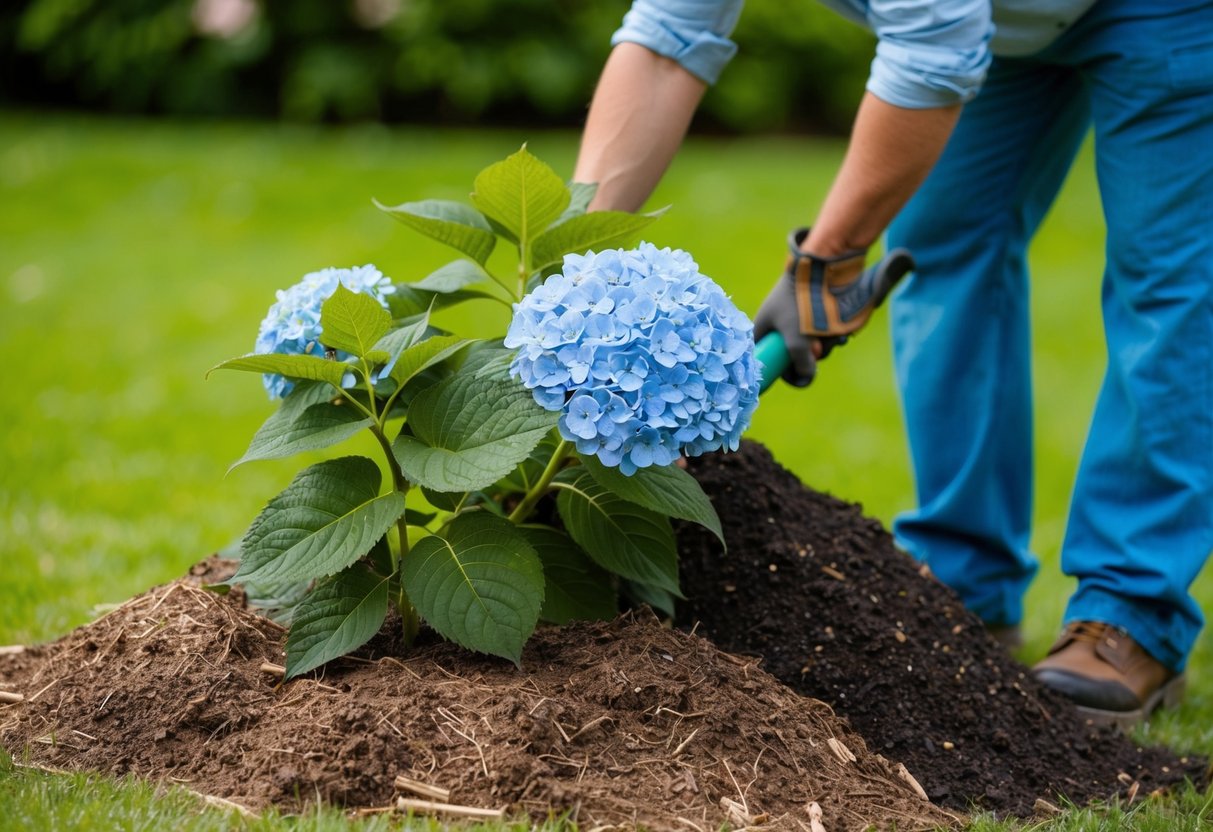
How to use it: Follow the package directions carefully. This stuff is potent, and too much can actually harm your plant. Generally, you’ll mix it with water and water the soil around the base of the plant, avoiding contact with the leaves and stems. The amount you need will depend on your current pH and the size of your plant, so read the label!
When to apply: The best time to apply aluminum sulfate is in the spring, as new growth begins. You can also apply it in the fall. It takes time for the aluminum to be absorbed and for the color change to be visible, so don't expect overnight results. You might start seeing changes by the next blooming season.
Irony alert: You’re literally adding aluminum to your garden to make your flowers blue. It sounds a bit industrial, doesn’t it? But it’s perfectly safe for your plant when used correctly. Just remember, moderation is key!
Coffee Grounds & Citrus Peels: The Natural Route (with a caveat)
Some gardeners swear by natural amendments like coffee grounds and citrus peels to lower soil pH and add a little bit of aluminum. Coffee grounds are acidic and do decompose to add organic matter, which can help. Citrus peels are also acidic. However, their effect is much slower and less dramatic than aluminum sulfate.
Caveat: While these are good for general soil health, they are unlikely to make a significant difference in hydrangea color on their own if your soil is very alkaline. You'd need a huge amount, and it might take years. If you're aiming for that intense blue, aluminum sulfate is your most reliable bet. Think of these more as a gentle nudge in the right direction, rather than a full-on color transformation machine.
Step 3: If Your Soil is Already Acidic, You Might Be Good to Go!
If your soil test comes back with a pH of 5.5 to 6.0, you're likely in the sweet spot for blue hydrangeas. Congratulations! You've either got naturally acidic soil or you've done a great job maintaining it. In this case, your main goal is to keep it that way.
Avoid alkaline amendments: Steer clear of things like lime (which is used to raise soil pH) or bone meal (which can also make soil more alkaline). Even using tap water can sometimes affect pH over time, though usually not dramatically enough to cause problems unless your water is particularly hard.
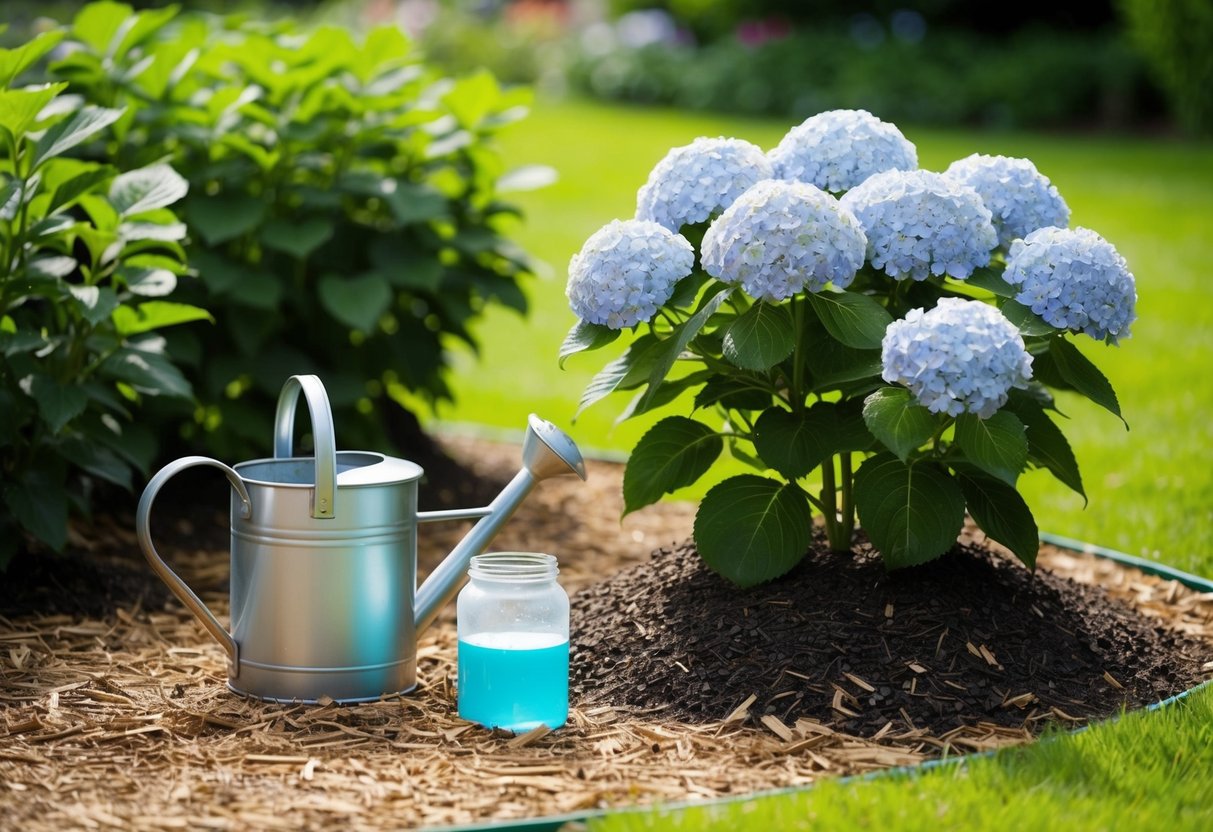
Focus on good soil health: Amend your soil with compost annually. This improves drainage, aeration, and overall soil structure, creating a happy environment for your hydrangea's roots.
Step 4: What About Those Pink Hydrangeas?
So, you've got the opposite problem. You want pink hydrangeas, and your plant is stubbornly producing blue ones. What gives? It’s the same story, just flipped!
If you want pink: You need to raise your soil pH and make it harder for the plant to access aluminum. The best way to do this is by adding lime (garden lime or dolomitic lime). Again, follow the package instructions carefully, as too much can shock your plant. You'll want to aim for a pH of 6.5 or higher.
The ironic beauty of it all: It’s literally the same plant, the same basic chemistry, just a different soil recipe. Nature is so delightfully capricious sometimes!
Important Considerations (Because It’s Never Just One Thing)
While pH is the primary driver of hydrangea color, there are a few other things to keep in mind:
Variety Matters!
Remember I mentioned Hydrangea macrophylla and Hydrangea serrata? These are the color-changing superstars. Other types of hydrangeas, like Hydrangea paniculata (think ‘Limelight’ or ‘Little Lime’) and Hydrangea arborescens (like ‘Annabelle’), have white or greenish blooms that generally don't change color. So, if you’ve got a white Annabelle and are trying to turn it blue, well, bless your heart, but it’s just not going to happen. Do your homework on the specific variety you have!

Consistency is Key
Changing your soil pH isn't a one-and-done deal. It’s an ongoing process. You’ll need to retest your soil periodically (at least once a year) and make adjustments as needed. The goal is to maintain that ideal acidic environment for blue blooms.
Timing is Everything
As I mentioned, changes in color can take time. You’re not going to sprinkle some magic powder and have blue blooms tomorrow. It can take several months, or even a full growing season, for the aluminum to be absorbed and for the pigments to develop. So, be patient!
Water Wisely
While tap water is usually fine, if your local water supply is extremely alkaline, it can gradually shift your soil pH. If you have a very sensitive situation, you might consider collecting rainwater to water your hydrangeas, especially if you’re trying to maintain acidic conditions.
And a quick note on fertilizer: while some fertilizers can have a minor impact on pH, it’s best to choose a fertilizer specifically formulated for acid-loving plants if you’re trying to boost blue. Avoid high-phosphorus fertilizers, as phosphorus can bind with aluminum, making it unavailable to the plant. High-phosphorus fertilizers are actually what you'd use if you were trying to encourage pink blooms!
My Own Blue Transformation
So, armed with Brenda’s cryptic advice and a newfound understanding of soil chemistry, I bravely purchased a soil pH kit. My first test was… eye-opening. My soil was hovering around a pH of 7.2. Definitely not the acidic playground my hydrangeas were hoping for.
I decided to go with the aluminum sulfate, following the instructions with the kind of meticulous attention I usually reserve for assembling IKEA furniture. I watered it in, held my breath, and waited. The following spring, I nervously approached my garden. And there they were! Not quite Brenda-level blue, but a beautiful, vibrant, undeniable blue! It was a small victory, but in the gardening world, that’s practically a triumph!
It’s amazing what a little bit of science, and a willingness to get your hands dirty (literally!), can achieve. So, if you're dreaming of blue hydrangeas, don't despair. It's not magic, it's just a bit of thoughtful gardening. Now go forth and turn those pastels into pure sapphire!