How Do I Get A Name Copyrighted
Ever feel like you've stumbled upon a brilliant idea? Maybe it's a catchy name for your amazing homemade jam business, or perhaps a super cool nickname for your pet hamster, Bartholomew. You know, the one who looks like a tiny, furry philosopher? Well, congratulations! You've got that spark! But then you might wonder, "Can I actually own this name? Can I get it copyrighted?" It's a question that pops up more often than you'd think, like when you’re trying to pick the perfect name for your fantasy football team and suddenly realize your friend already snagged "The Mighty Maulers."
Let's dive into this whole "copyrighting a name" thing, shall we? It's not quite as straightforward as, say, copyrighting a song you wrote about your cat's nap schedule. Think of it like this: the government has different ways of protecting your creations, and names are a bit of a special case.
So, Can You Really "Copyright" a Name?
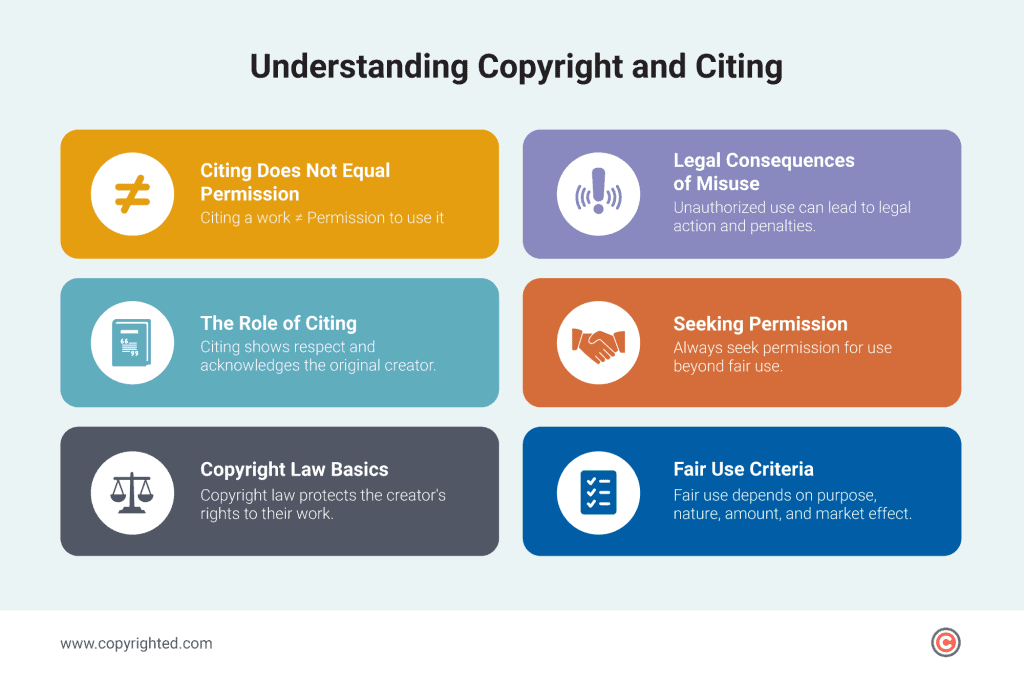
Here's the slightly quirky truth: you can't exactly copyright a name in the same way you copyright a novel or a photograph. Copyright law is designed to protect original works of authorship, like books, music, movies, and software. A name, on its own, usually doesn't fit that bill. It's a bit too… short and sweet, you know?
Must Read
Imagine trying to copyright the word "apple." Wouldn't that be a fruity mess? Everyone would be tripping over each other. So, for the most part, a standalone name isn't something you can slap a copyright symbol on and call it a day.
But Wait, There's More! (The Good News)
This is where things get interesting! While a name itself might not be copyrightable, there are other ways to gain exclusive rights to use it, especially if it's for your business or a creative project. We're talking about Trademarks!
Think of a trademark as a superhero cape for your brand's name. It's what makes your business stand out from the crowd. When you see the golden arches, you immediately think of McDonald's, right? That's the power of a strong trademark!
Trademarks: Your Name's Best Friend
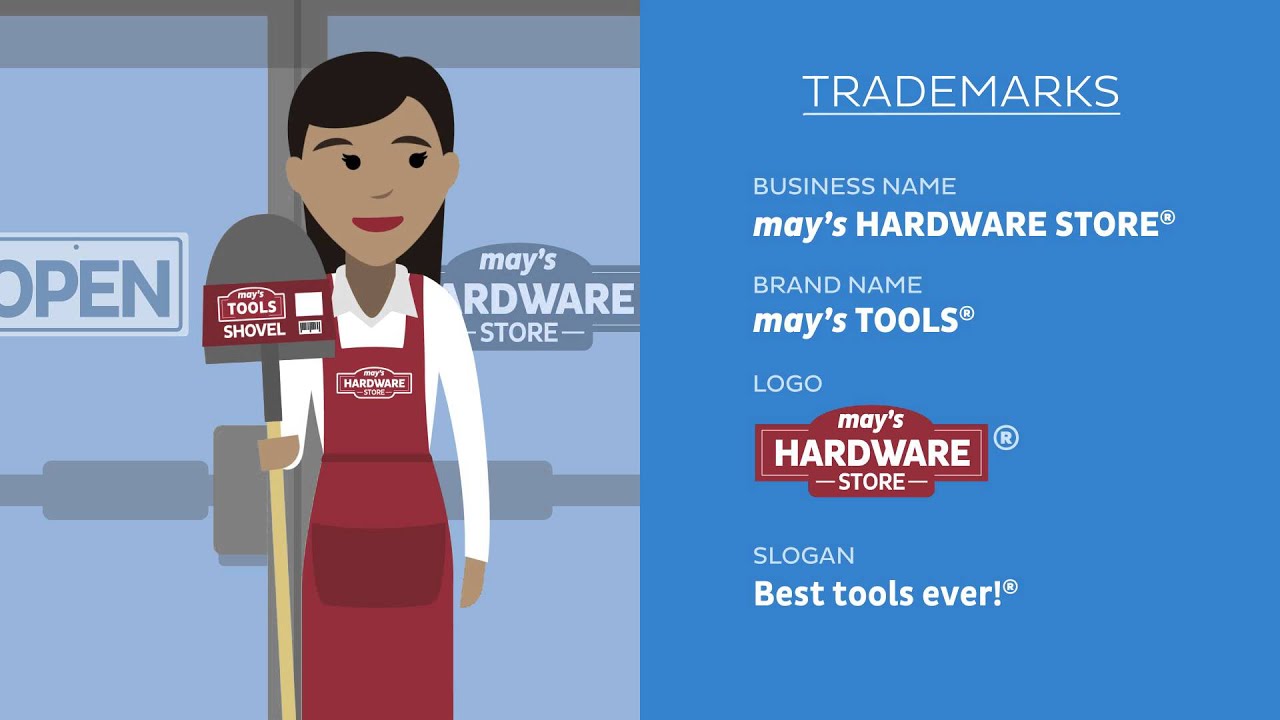
A trademark is a word, phrase, symbol, design, or a combination of these, that identifies and distinguishes the source of the goods or services of one party from those of others. So, instead of copyrighting your bakery's name, "The Rolling Pin," you'd be looking to trademark it.
This is super important if you're planning to sell something, offer a service, or create something that you want people to associate with you. It's like putting your special "made with love" stamp on everything you do.

Why Should You Even Care About This Trademark Stuff?
Let's get real for a second. Why bother with all this legal jargon? Well, imagine pouring your heart and soul into creating the most delicious chocolate chip cookies the world has ever tasted. You've named your little cookie empire "Brenda's Blissful Bites." You've got a website, you're selling at the local farmer's market, and people are raving about your cookies!
Then, one day, you discover another bakery across town has opened up and they're calling themselves "Brenda's Blissful Bites Too!" Suddenly, your customers are confused. They don't know which Brenda is their Brenda. This is where trademark protection swoops in like a knight in shining armor (or at least a very organized lawyer).
A trademark helps you:
- Prevent others from using your name: This is the big one! It stops competitors from piggybacking on your hard work and reputation. You wouldn't want someone else selling "Brenda's Blissful Bites" that taste like cardboard, would you?
- Build brand recognition: When people see your trademark, they know it's you. It’s like a secret handshake for your customers. They trust your products or services because they know what to expect.
- Increase the value of your business: A strong, recognizable brand is a valuable asset. It's not just about the cookies anymore; it's about the entire Brenda's Blissful Bites experience!
How Do You Get a Trademark?
Okay, so you're convinced. Trademarks are the way to go! The process can seem a bit daunting, but let's break it down into bite-sized pieces. Think of it like assembling IKEA furniture – you need the instructions, a bit of patience, and maybe a snack break.
Step 1: Do Your Homework (The "Is Anyone Else Doing This?" Check)
Before you get too attached to that perfect name, you need to do some digging. Is anyone else already using a similar name for similar products or services? This is called a "likelihood of confusion" search. You don't want to accidentally step on someone else's toes, and you definitely don't want someone else to step on yours.
You can start with a simple Google search. If your business is "Sparkle & Shine Car Washes," you'd search for that and variations. Then, you'll want to check the United States Patent and Trademark Office (USPTO) database. They have a searchable database called TESS (Trademark Electronic Search System) where you can look for existing trademarks.
This part is crucial. It's like checking if your date is already married before you plan your wedding. You need to be sure the name is available.
Step 2: File Your Application (The Official "This Is Mine Now!" Paperwork)
Once you're reasonably sure your name is available, you'll need to file an application with the USPTO. This involves filling out a lot of forms and providing details about your business, your name, and what you plan to use it for. It’s like sending a formal invitation to the trademark registry, saying, "Hey, I'd like to claim this awesome name!"
You'll need to specify the "goods and services" you'll be using the mark on. This is important. If you're opening a dog grooming salon called "Pawsitively Pampered," you'll specify services related to pet care. You can't just trademark "Pawsitively Pampered" and then decide to open a rocket ship repair shop.
There are two main types of applications:
- "Use in Commerce": This means you're already using the trademark in your business. You've got the sign up, the website live, and you're selling stuff!
- "Intent to Use": This means you have a genuine intention to use the trademark in the near future. You're planning your launch, and you want to secure the name.
You can file the application yourself, or you can hire a trademark attorney. Think of an attorney as your trusty sidekick who knows all the legal loopholes and can help you navigate the process smoothly. They're like the navigators on a treasure hunt, making sure you don't get lost in the sea of paperwork.
Step 3: The Examination Process (The Waiting Game)
After you file, a USPTO examiner will review your application. They'll check for any conflicts with existing trademarks and make sure your application meets all the requirements. This is the part where you might pace a little, check your email obsessively, and maybe even do a little happy dance when you get a positive update.
They might ask for more information or clarification. It's like a pop quiz from the government! Be prepared to respond promptly.
Step 4: Publication and Opposition (Giving Others a Heads-Up)
If your application passes the examiner's review, it will be published in the Official Gazette, a weekly publication of the USPTO. This is like putting up a "lost dog" poster for your trademark. It gives anyone who thinks they have a claim to a similar mark a chance to object. This is called an "opposition period."
This is usually a 30-day period. If no one objects, or if any objections are resolved, you're one step closer to getting your trademark!
Step 5: Registration! (The Grand Finale)
If there are no successful oppositions and all requirements are met, your trademark will be registered! You'll receive a registration certificate, and you can officially use the ® symbol next to your name. This symbol is like a tiny flag saying, "This name is officially protected!"
For "Intent to Use" applications, you'll still have to prove that you've started using the mark in commerce before it's fully registered.

What About Those Little "TM" and "SM" Symbols?
You've probably seen "TM" and "SM" floating around. What's their deal?
- TM (Trademark): You can use this symbol even if your trademark application is pending or if you're not officially registered yet. It basically signals to the world, "I'm claiming this name as my trademark!" It's like saying, "I'm thinking of getting a dog, and I've already picked out a name."
- SM (Service Mark): This is similar to TM, but it's used for services rather than goods. If you're offering consulting services, for example, you might use "SM."
The ® symbol, however, can only be used once your trademark is officially registered with the USPTO.
Keeping Your Trademark Alive
Getting a trademark is a big step, but it's not a "set it and forget it" kind of deal. You need to keep using your trademark and file maintenance documents periodically to keep it alive. Think of it like watering a plant – you need to give it a little attention to keep it thriving.
You'll have to file declarations of use at specific intervals to show that you're still using the mark in commerce.
In a Nutshell
So, to recap, while you can't copyright a name in the traditional sense, you can protect it through trademark registration. This is essential for anyone building a brand, selling products, or offering services.
It's about protecting your hard work, ensuring your customers can find you, and building a name that means something. So, go ahead and brainstorm those amazing names. Just remember to do your homework and consider making your name a registered trademark. Your future business self (and your customers!) will thank you!