
How Do I Find A Wasp Nest
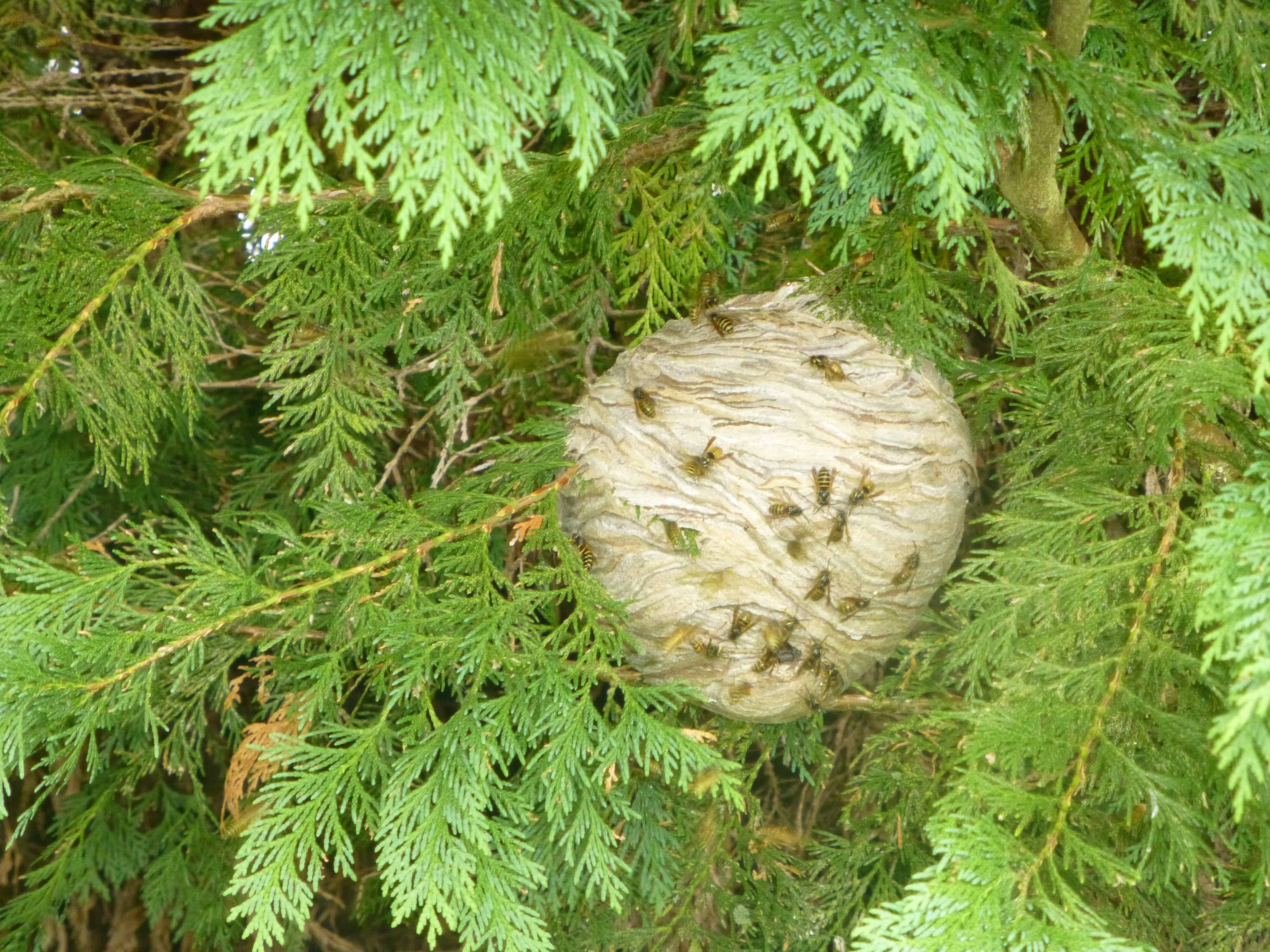
Ah, wasps! Those buzzy, stripey creatures that seem to have a personal vendetta against our summer picnics. For many of us, the mere thought of a wasp sends shivers down our spines, and the idea of a wasp nest is enough to make us want to pack up and move to a remote igloo. But what if I told you that finding a wasp nest, while certainly requiring a healthy dose of caution, can actually be a rather fascinating adventure? Forget the panicked swatting; let's embark on a little exploration, shall we?
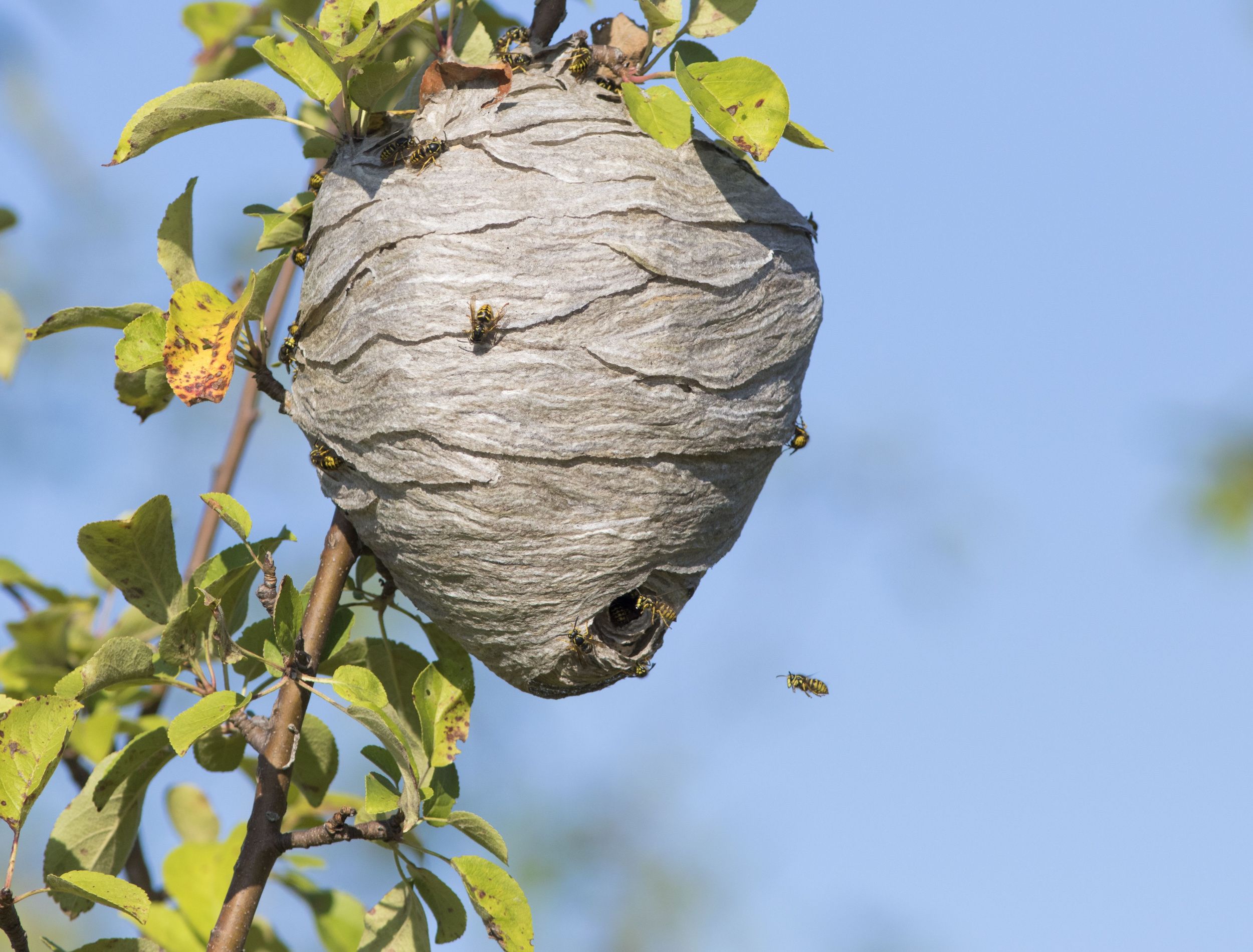
First things first, let's get into the mindset of a wasp. These aren't just random flying stingers; they're tiny architects and diligent workers. They're building homes, raising families, and generally just trying to get by in the world, much like the rest of us. Their nests are a marvel of engineering, often constructed from a papery pulp they create by chewing up wood fibers and mixing them with their saliva. Imagine that – turning discarded twigs and old fence posts into cozy, multi-story apartments!
So, how does one go about discovering these hidden marvels? It's not about actively seeking out trouble, but more about being observant. Wasps are creatures of habit. They have preferred locations, and once you know what to look for, you'll start noticing their aerial highways. Think of it like following a breadcrumb trail, but instead of bread, it's tiny, determined insects zipping back and forth with precious cargo.
Must Read
One of the most obvious clues is the constant stream of activity. If you see a steady flow of wasps entering or exiting a particular spot, especially around dawn or dusk when they're most active, that's a big hint. They're not just casually passing by; they're going somewhere specific. Keep your eyes peeled around eaves of houses, in sheds, garages, attics, and even in dense bushes or hollow trees. They like a bit of shelter, you see, a place to keep their precious colony safe and sound.
Sometimes, you might not even see the wasps themselves, but you'll hear them. A faint, persistent buzzing, a subtle hum emanating from a seemingly innocuous spot, can be a dead giveaway. It's like hearing a tiny orchestra warming up in the distance. If you tune your ears to it, you'll be surprised by how many subtle sounds of nature you've been missing.
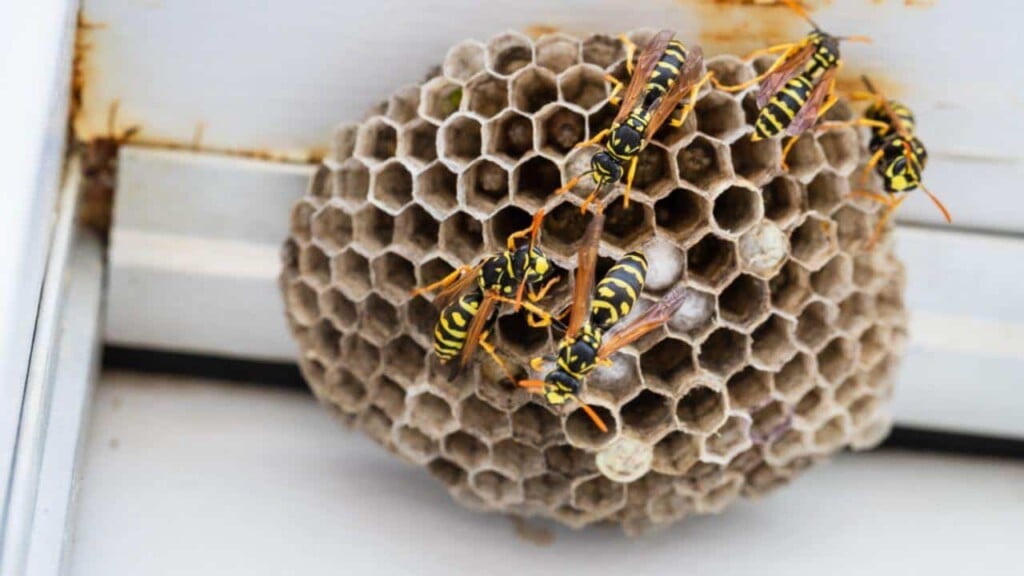
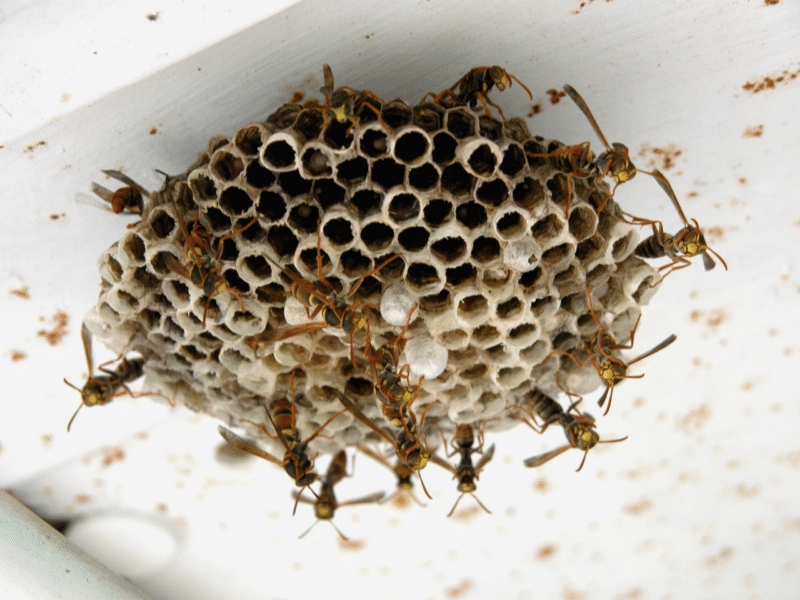
Now, not all wasp nests look like grand, papery cathedrals. Some are quite modest, almost camouflaged. The Paper Wasp, for instance, often builds open, umbrella-shaped nests under eaves or in sheltered overhangs. These are usually smaller, with visible hexagonal cells. It's like finding a miniature honeycomb hanging out in plain sight. They're quite beautiful in their own way, a testament to simple, effective design.
Then there are the Mud Daubers. These solo artists don't build communal nests in the same way. Instead, they meticulously construct small, jug-like cells out of mud, often attaching them to walls or ceilings. These nests are hard and often look like little ceramic sculptures. If you see a solitary wasp diligently carrying tiny balls of mud, it's probably on its way to add another room to its mud mansion. It's a fascinating display of patience and dedication, wouldn't you agree?
And let's not forget the infamous Yellowjackets. These guys are the masters of the underground. They love to set up shop in old rodent burrows or other cavities in the ground. Finding one of these can be a bit trickier, as the entrance is often just a small hole. You might notice increased wasp traffic around a patch of earth, or perhaps an unusually lively ant colony suddenly seems to have some very large, winged neighbors. It’s like discovering a secret underground city!
A wise old gardener once told me that if you want to understand a garden, you need to understand its inhabitants, even the ones with stingers. He said the wasps were nature's pest control, silently keeping other pesky insects in check. A humbling thought, isn't it?
So, how do you actually spot these nests without getting too close for comfort? Patience and observation are your best friends. Take a leisurely stroll around your property, especially during the warmer months. Look for those aforementioned aerial highways. Watch where the wasps are going. Are they disappearing into a crack in the wall? Are they congregating around a particular tree branch? Are they repeatedly visiting a specific flower bed, perhaps attracted by the sweet nectar that can also sustain their young?
One particularly heartwarming sight I once stumbled upon was a nest built inside an old, abandoned birdhouse. The original occupants had long since flown the coop, and the wasps, in their resourceful way, had taken up residence. It was like finding a new family had moved into an empty house, redecorating and making it their own. It reminded me that nature is always finding new ways to fill spaces and continue life's cycle.
If you do happen to spot a nest, the key is to admire it from a safe distance. These are not creatures to be trifled with. Their primary goal is defense, and a perceived threat can trigger a defensive response. So, enjoy the show, marvel at their industry, but for your own well-being, give them their space. Think of yourself as a wildlife photographer, capturing the incredible lives of these often-misunderstood insects. You’re not looking to get too close to the lion; you’re observing from the safari vehicle, appreciating their power and beauty from afar.
Finding a wasp nest isn't about daring rescues or heroic exterminations. It's about learning to see the world around you with a little more curiosity and a lot more respect. It’s about understanding that even the most feared creatures are just trying to make a living, build a home, and raise their families. And in their own buzzing, stripey way, they're pretty amazing at it.

![How to Find Wasp Nest in the Ground [3 Telltale Signs] | Pepper's Home](https://peppershomeandgarden.com/wp-content/uploads/2022/09/how-to-find-wasp-nest-in-ground.jpg)
![How to Find Wasp Nest in the Ground [3 Telltale Signs] | Pepper's Home](https://peppershomeandgarden.com/wp-content/uploads/2025/04/feed-birds-summer-1122x631.jpeg)