
How Do I Clean A Canvas Picture

There's a certain satisfaction, isn't there, in bringing a beloved piece of art back to its former glory? It's like being a detective, solving the mystery of what's dulled its shine. And when that art is on canvas, a material that feels both timeless and tactile, the process of cleaning it can be surprisingly… dare we say… fun! It’s not about harsh chemicals or intricate techniques; it’s about a gentle touch and a little bit of know-how to reveal the vibrant colors and crisp details hidden beneath a layer of dust or the occasional smudge. Whether your canvas art is a treasured family heirloom, a statement piece from your favorite artist, or even a DIY project you’re proud of, keeping it looking its best is incredibly rewarding.
The purpose of cleaning a canvas picture is pretty straightforward: to preserve its beauty and longevity. Over time, our homes become repositories of life – and that life often involves floating particles of dust, microscopic bits of grime, and sometimes, even unfortunate encounters with sticky fingers or fleeting spills. These elements can dull the pigments, obscure the texture, and generally detract from the artist's original vision. By giving your canvas a good clean, you’re not just tidying up; you're actively protecting your investment, whether that investment is monetary or purely emotional. The benefits are clear: a cleaner canvas means brighter colors, sharper details, and a more immersive viewing experience. It’s about ensuring that your art continues to inspire and delight for years to come, without succumbing to the inevitable wear and tear of everyday living.
The Gentle Approach: Dry Cleaning Techniques
Before we even think about moisture, let's talk about the easiest and often most effective way to tackle dust: dry cleaning. This is your first line of defense and is suitable for most canvas prints and paintings. The goal here is to lift away loose debris without disturbing the paint surface.
Must Read
Always start with the least invasive method. This is a golden rule in art care and can save you a lot of potential heartache.
For a light dusting, a soft-bristled brush is your best friend. Think of a clean, dry paintbrush with very soft natural bristles – something you might use for makeup or a delicate art project. Gently sweep the brush across the surface of the canvas in one direction. Start from the top and work your way down. Imagine you’re coaxing the dust off the canvas, not pushing it deeper into the texture. Be patient and thorough, especially in textured areas where dust likes to hide.
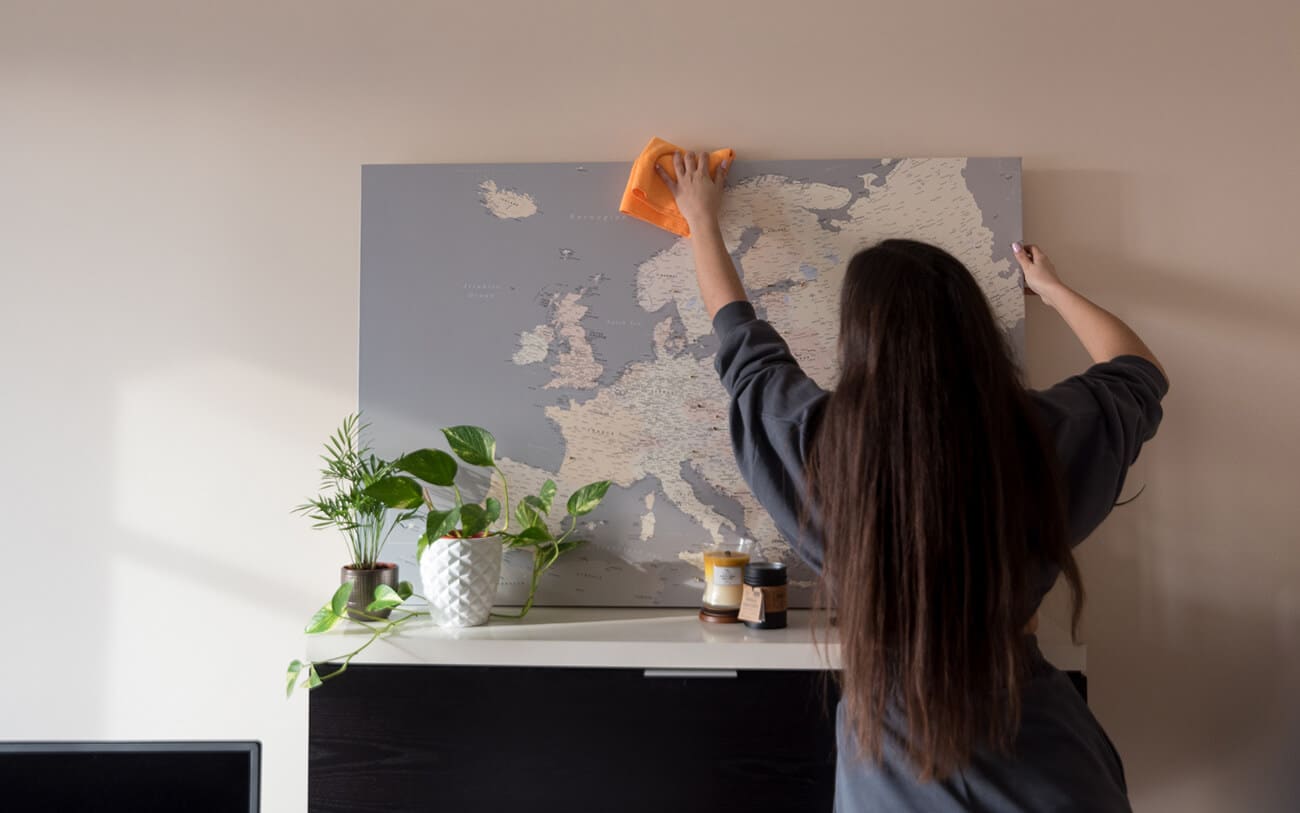
Another excellent tool for dry cleaning is a microfiber cloth. Ensure it’s a clean, lint-free one specifically designated for this task. Again, use a very light touch, gently wiping the surface. Some people prefer to use the cloth to gently dab rather than wipe, which can be even less disruptive. If you notice a bit more stubborn dust clinging to the surface, you can try using a can of compressed air (the kind used for cleaning electronics). Hold the can upright and about 8-12 inches away from the canvas. Use short, controlled bursts of air, moving the can constantly to avoid concentrating the airflow on one spot. This method is particularly good for getting into the nooks and crannies of textured canvases.
When a Little Dampness is Okay: Wet Cleaning Techniques
Now, if dry cleaning isn’t quite cutting it, or if you’re dealing with a specific, non-greasy smudge, you might need to introduce a bit of moisture. This is where you need to be extra cautious. The key here is minimal moisture and a gentle, distilled water solution.
First, gather your supplies: a clean, lint-free cloth (again, microfiber is excellent), a bowl, and distilled water. Why distilled water? Because tap water contains minerals that can leave residues on your canvas, which is the opposite of what we want. For very light cleaning, plain distilled water can be sufficient. If you need a little more cleaning power, you can add a tiny drop of a very mild, pH-neutral soap, like a specific art conservation soap or even a tiny amount of dish soap known for being gentle. Stir it well to ensure it's thoroughly dissolved and not concentrated in one area.

Dampen your cloth with the distilled water solution. And I mean dampen, not soak! Wring out the cloth thoroughly so it’s barely moist. You want to avoid any dripping. Test a small, inconspicuous area of the canvas first – perhaps a corner or an edge – to see how it reacts. Gently wipe the smudged area. Work from the outside of the smudge inwards to prevent spreading it. Use a light, circular or back-and-forth motion. Never scrub! Scrubbing can lift paint, damage the canvas fibers, or create a noticeable sheen where you’ve cleaned.
After gently cleaning the area, you’ll want to “rinse” it. Take a separate, clean cloth, dampened with plain distilled water (again, barely moist and well wrung out), and gently wipe the area again to remove any soap residue. Finally, use a dry, clean, lint-free cloth to gently blot away any remaining moisture. Do not rub.

What to Absolutely Avoid!
Just as important as knowing what to do is knowing what not to do. There are certain things that can permanently damage your canvas art. So, let’s put on our “cautionary tale” hats for a moment:
- Harsh chemicals: Avoid ammonia-based cleaners, window cleaners, solvents, or any household cleaning products. They can eat away at paint, dissolve varnishes, and cause discoloration.
- Abrasive materials: Paper towels, rough sponges, or anything that can scratch the surface are a big no-no.
- Excessive water: Too much moisture can warp the canvas, cause the paint to blister, or lead to mold and mildew growth.
- Direct heat: Never use a hairdryer or place the canvas near a heat source to dry it. This can crack the paint.
- Touching the painted surface with bare hands: Our natural oils can transfer to the canvas and cause long-term staining. Always handle with care and consider gloves if you're doing a more thorough cleaning.
- Scrubbing or vigorous rubbing: As mentioned, this can damage the paint layer.
When to Call the Professionals
While these home cleaning methods are great for general maintenance and light issues, there are times when it's best to leave it to the experts. If your canvas has significant damage, such as tears, flaking paint, mold, or water stains, or if it's a particularly valuable or historically significant piece, consider consulting a professional art conservator. They have the specialized knowledge, tools, and materials to safely restore and preserve your artwork.
Cleaning a canvas picture can be a deeply satisfying process, transforming a dusty relic back into the vibrant focal point it was meant to be. With a little patience, the right gentle tools, and a mindful approach, you can keep your cherished art looking its absolute best, ready to be admired for years to come.


