
How Do I Become An Architect Uk
So, you've been staring at buildings lately, right? Not just the pretty ones, but the really impressive ones. The ones that make you go, "Whoa, how did they do that?!" And then, BAM! It hits you: "I want to be an architect!" That's awesome! It's a super cool career, and thankfully, it's not some secret society with a handshake and a password (although a good pencil grip is pretty essential). If you're in the UK and wondering how to get your name on those blueprints, you've come to the right place. Grab a cuppa, settle in, and let's chat about turning your building dreams into reality.
First off, let's get one thing straight: becoming an architect isn't a sprint, it's more of a… well, a slightly longer, but incredibly rewarding, marathon. You can't just doodle a cool house on a napkin and call yourself one. There's a structured path, but don't let that scare you! Think of it like building a LEGO castle – you start with the foundation, add the walls, put on the roof, and maybe a tiny flag on top. Each step is important, and they all lead to something amazing.
The Foundation: Schooling and Qualifications
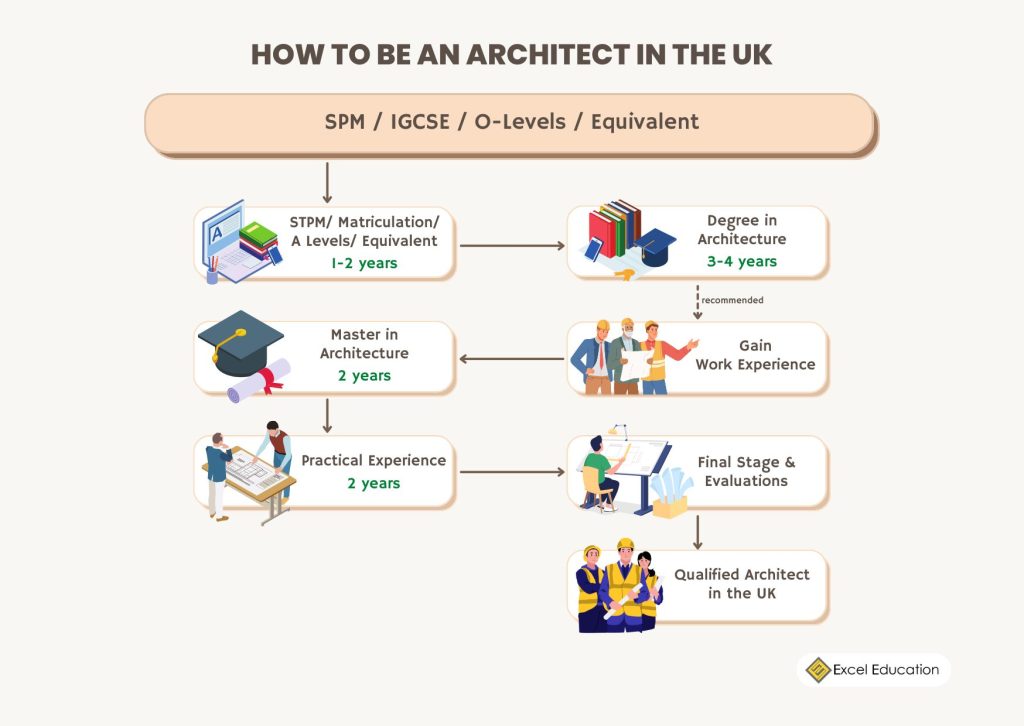
Right, let's talk about the nitty-gritty: what do you actually need to learn? You'll need to get yourself through school with a decent set of GCSEs. Think Maths, Physics, and English are your best mates here. Maths is the language of measurements and calculations, physics helps you understand how things stay up (super important, trust me!), and English… well, you'll be doing a lot of writing and presenting, so being able to communicate clearly is a biggie. Don't stress too much if you didn't ace every single one – there are always ways to catch up or prove your passion.
Must Read
Once you've conquered GCSEs, it's time for the big leagues: A-Levels. Here, you'll want to focus on subjects that directly relate to architecture. Art and Design are pretty much a no-brainer. You’ll be expected to have a good eye and be able to express your ideas visually. Maths (especially Further Maths if you're brave!) is still your pal for all those structural calculations. Physics is still in the house. And subjects like Geography can give you a good understanding of the context in which buildings exist – the land, the environment, the people.
Some folks might consider a BTEC National Diploma in Construction as an alternative route. This is a more vocational qualification, giving you practical skills and knowledge about the building industry. It’s a fantastic option if you prefer a hands-on approach to learning and want to get stuck into the nitty-gritty of how buildings are actually constructed. Either A-Levels or a BTEC can set you up nicely for the next step.
The Big Leap: University!
Now for the exciting part: university! This is where you'll get your official architectural education. In the UK, you’ll need to complete a degree course in Architecture. These are usually three-year Bachelor of Architecture (BArch) degrees. Some universities offer integrated Master’s degrees, which are five years long and combine your undergraduate and postgraduate studies. It’s a bit of a longer commitment, but it can streamline the process later on.

University is where you’ll really dive deep. You’ll be sketching, modelling, learning about architectural history, theory, building technology, structural principles, and sustainability. Get ready for late nights in the studio, fueled by questionable amounts of instant coffee and a fierce dedication to your projects. You’ll learn to use all sorts of fancy software, from CAD (Computer-Aided Design) to BIM (Building Information Modelling) – which is basically like having a super-smart digital model of your building that knows everything about it. It’s pretty darn cool.
Your portfolio is going to be your golden ticket at university. This is a collection of your best work – your drawings, models, sketches, and design projects. It’s your chance to showcase your creativity, your problem-solving skills, and your unique vision. Start building it early and keep it updated. Think of it as your visual resume. You’ll be presenting your work constantly, so get comfortable talking about your ideas and defending your design choices. Even if you’re a bit shy, you'll find your voice.
The Practical Bit: Gaining Experience
Once you’ve got your degree, you're not quite a fully-fledged architect yet. Nope, it's time to get your hands dirty (figuratively, mostly!) in the real world. This is where you’ll gain the practical experience needed to become a registered architect. You’ll need to complete a period of prescribed practical experience, which usually takes around two years.
During this time, you'll likely be working as an architectural assistant or a part 1 architectural assistant (if you’ve just finished your BArch). You'll be learning the ropes from experienced architects, assisting with design development, producing technical drawings, and even visiting construction sites. This is invaluable. You’ll see how your theoretical knowledge translates into actual buildings. You’ll learn about dealing with clients, navigating planning regulations, and the sheer joy (and occasional frustration!) of managing a project from conception to completion.

This experience is often referred to as the Architectural Practice and Management Experience (APME), though the exact terminology can vary. The key is to gain a broad range of experience, covering different project types and stages of the design process. Some people even do a bit of travelling to see how architecture is done in other countries – talk about inspiration overload!
The Final Hurdle: The Professional Examinations
Okay, deep breaths. This is it. The final stage before you can officially add "RIBA Chartered Architect" or "ARB Registered Architect" after your name. You’ll need to pass the Architects Registration Board (ARB) examinations. These are rigorous and designed to test your knowledge and competence across a wide range of architectural subjects.
The process typically involves submitting a portfolio of your work (yes, more portfolio building!), demonstrating your understanding of professional practice, and passing an examination. It’s a comprehensive assessment to ensure you’re ready to take on the responsibility of designing safe, functional, and beautiful buildings. Think of it as the final boss battle of your architectural journey. But don't worry, with all the experience and knowledge you've accumulated, you'll be well-prepared.
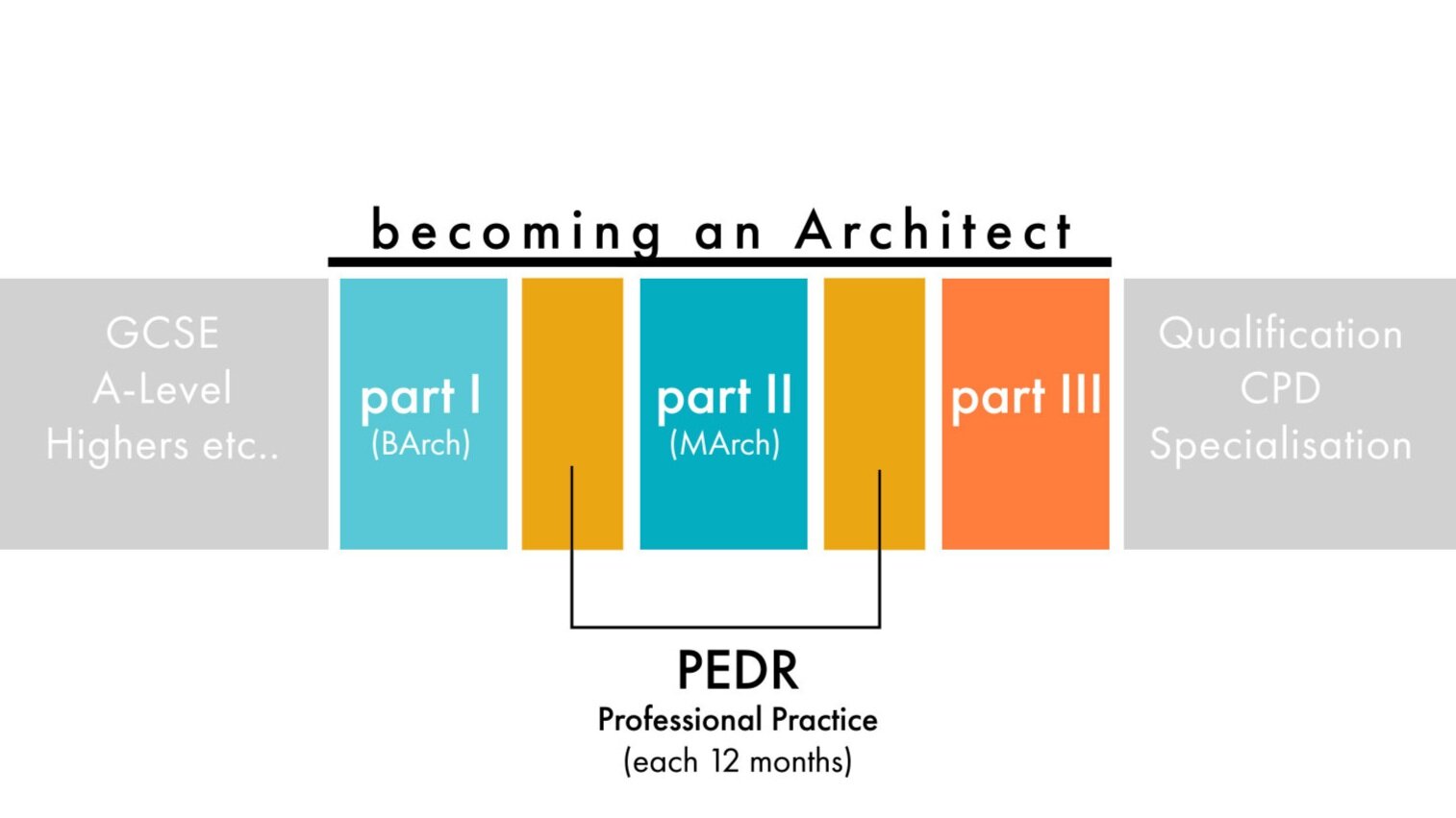
Some people choose to pursue a Master of Architecture (MArch) degree after their BArch. This is often a prerequisite for taking the professional examinations in some routes and allows you to delve deeper into specific areas of architectural interest, hone your design skills, and develop a strong research base. It's a good way to specialise and really find your architectural niche.
What Kind of Architect Will You Be?
Now, this is the fun part to think about! Architecture isn't just one thing. You can specialise in all sorts of amazing areas. Do you love the idea of designing sleek, modern homes? Or are you more drawn to the challenge of restoring historic buildings and giving them a new lease of life? Perhaps you're passionate about sustainable design and creating eco-friendly spaces that tread lightly on our planet.
There are also opportunities in urban design, landscape architecture, interior architecture, and even architectural journalism. The possibilities are pretty much endless. As you gain experience, you’ll start to discover what truly sparks your passion. Don't be afraid to explore different paths and see what resonates with you. Your unique perspective is what will make you stand out.
Tips from the Trenches (and a few jokes!)
Here are some little nuggets of wisdom that might help you on your way:

- Never stop sketching. Even if it’s just on a napkin during a boring meeting. Your brain works better when you’re drawing. Plus, it’s a great way to impress people at parties. “Oh, this? Just a quick sketch of a sustainable urban housing concept I came up with.” Boom.
- Visit buildings. Loads of them. Don't just look at them; experience them. What do you like? What don’t you like? What does the space feel like? This is your research, and it’s way more fun than reading a textbook. Go to that weird Brutalist car park you usually avoid – it might surprise you!
- Network, network, network. Talk to architects, go to lectures, attend exhibitions. Most architects are pretty decent folk (despite the stereotype of being aloof, we’re just really focused on the details!). They've been where you are, and most are happy to share their insights. Just don’t ask them to design your IKEA flat-pack furniture – they have their limits.
- Learn to love feedback. It's not personal. It's about making your design better. Even if someone calls your masterpiece a "haphazard collection of boxes," try to extract the valuable criticism. Sometimes the harshest critiques lead to the greatest breakthroughs.
- Develop a thick skin. You'll face criticism, setbacks, and sometimes, clients who have very… specific ideas about what they want (like a pink, castle-shaped conservatory). Stay resilient.
- Embrace technology, but don't forget the basics. Software is amazing, but understanding fundamental principles of design, structure, and materials is crucial. Your brain is your most powerful design tool.
- It’s okay to not know everything. Nobody expects you to. Architecture is a constant learning curve. The best architects are the ones who are always curious and willing to learn.
And here’s a classic architectural joke for you: Why did the architect break up with the blueprint? Because he felt like she was always drawing him into something complicated!
The Big Picture: Why It’s Worth It
Look, becoming an architect in the UK is a journey. It requires dedication, hard work, and a genuine passion for shaping the world around us. There will be challenges, there will be moments of doubt, but when you see your designs brought to life, when you see people interacting with spaces you've created, there's a feeling of accomplishment that’s hard to beat.
You’ll be contributing to communities, creating functional and beautiful environments, and leaving a tangible mark on the landscape. It’s a career that allows you to be creative, analytical, and problem-solve all at once. You’ll be shaping skylines, designing homes, and creating places where memories are made. And that, my friend, is pretty darn special.
So, if you’ve got that spark, that urge to build, to design, to create something lasting, then absolutely go for it. The world needs creative architects like you. Keep dreaming big, keep drawing, and keep building your path. You’ve got this, and who knows, maybe one day I’ll be admiring a building with your name on it!

