How Do Brakes On A Trailer Work
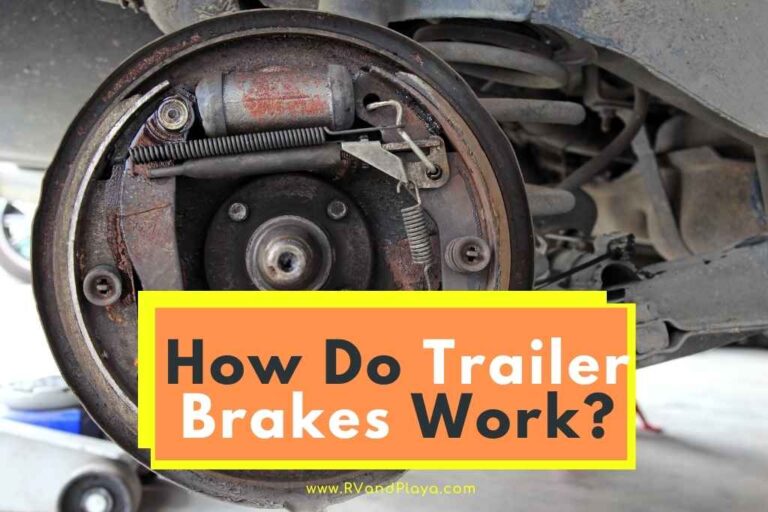
Ever found yourself behind a rig that makes you think, "Whoa, that thing is HUGE!"? Whether it's a camper carrying your entire vacation, a truck hauling enough lumber to build a small town, or even a little utility trailer loaded with your weekend project supplies, you've probably wondered how on earth all that extra weight actually stops. Well, buckle up, because we're about to dive into the wonderfully effective, surprisingly simple world of trailer brakes. Forget complicated engineering jargon; this is all about common sense and making sure those big, bulky loads don't go on a runaway adventure!
Think of it this way: your car has brakes, right? You push the pedal, and magically, you slow down. It’s a symphony of hydraulics and friction. Now, imagine that car is towing a little brother, maybe a tiny toy trailer. That little brother is usually pretty good and just follows along. But what if that little brother is suddenly as big and heavy as a sumo wrestler? Your car’s brakes, bless their hearts, might start to sweat a little. That’s where trailer brakes come in, like the super-strong sidekick that takes some of the heavy lifting (or, more accurately, the heavy stopping!) away from the tow vehicle.
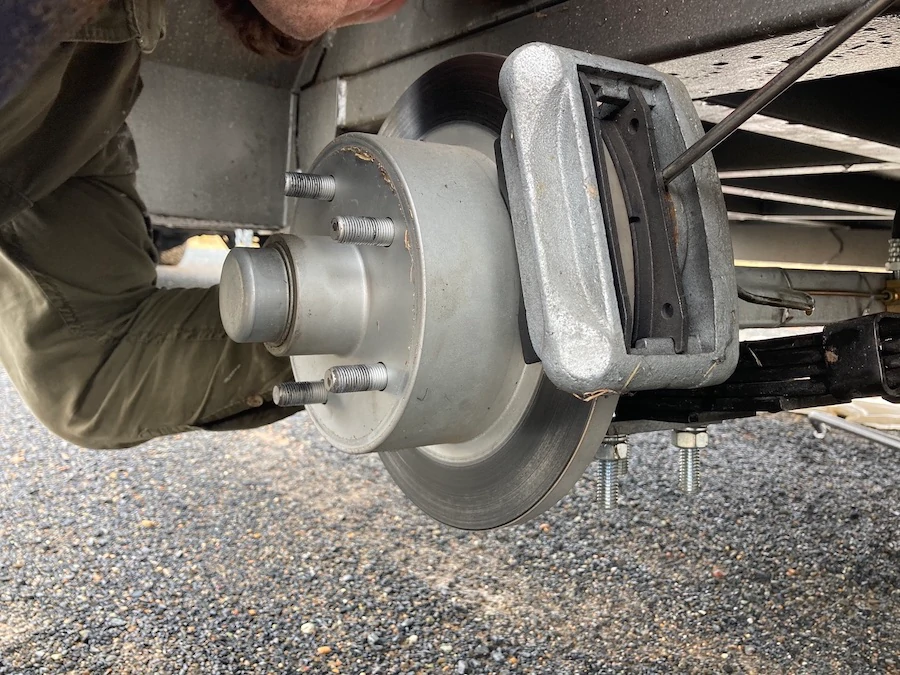
The most common and super-duper reliable type of trailer brake you'll see out there is called electric brakes. They're like the unsung heroes of the towing world. How do they work? It's all about a little bit of electricity doing a big job. When you're driving, and you tap your car's brake pedal, a special little gizmo inside your tow vehicle, usually called a brake controller, senses that you're braking. This gizmo is like the conductor of our braking orchestra. It then sends an electrical signal down a wire to each wheel on your trailer.
Must Read
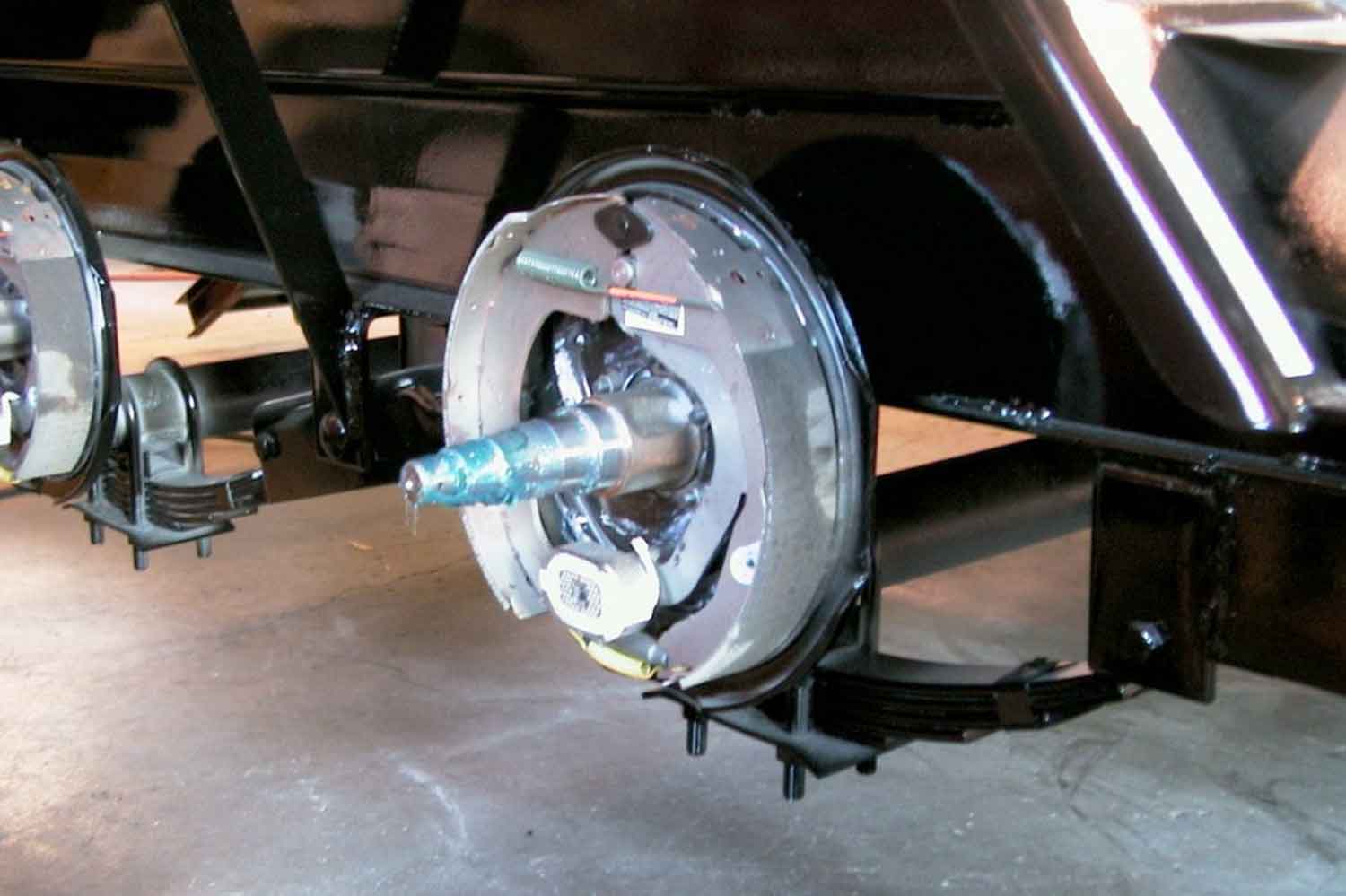
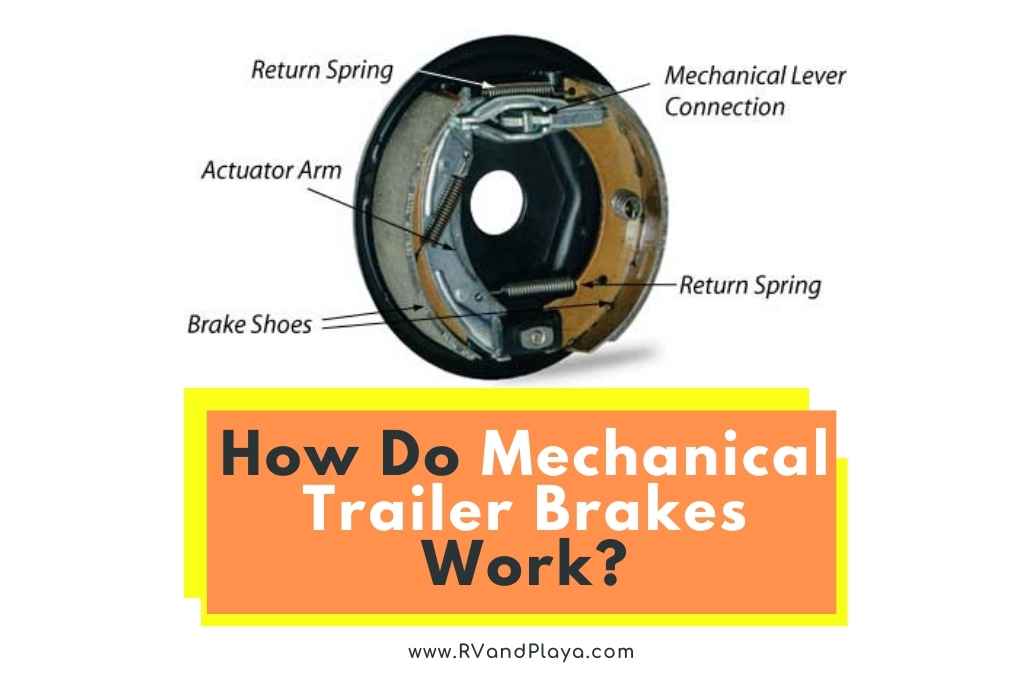
Inside each trailer wheel, there's a tiny, but mighty, brake assembly. This assembly has a brake magnet that gets energized by that electrical signal. Think of this magnet like a tiny, super-powered electromagnet. When the electricity flows, it becomes magnetic. And what do magnets like to do? They like to grab onto metal! Right there, inside the wheel hub, is a curved piece of metal called the brake drum. The brake magnet, now all charged up and feisty, gets pulled towards the brake drum. It’s a bit like a shy kid suddenly getting a boost of confidence and lunging for a toy!
"It's like giving your trailer its own set of lungs to help you breathe when you need to slow down!"
As the magnet is pulled against the spinning brake drum, it pushes tiny little brake shoes outward. These brake shoes are like little pads, and when they’re pushed against the brake drum, they create a whole lot of friction. Friction is that wonderful, sometimes squeaky, force that slows things down. It’s the same magic that happens when you rub your hands together really fast – they get warm, right? Well, the brake shoes rubbing against the brake drum create that same kind of stopping power, but on a much bigger, more important scale.
The beauty of electric brakes is their adjustability. That little brake controller in your car isn't just a simple on-off switch. Most of them have a dial or a slider that lets you tell the trailer brakes how much "oomph" you want them to have. You can set them to be a gentle nudge, just enough to keep the trailer from pushing you too much on a flat road, or you can crank it up to a full-on, panic-stopping hug when you're heading down a steep hill or a deer decides to play chicken with your caravan. This means you have a lot of control, and that's a really good feeling when you're responsible for stopping a lot of weight.
Another neat trick the brake controller does is often automatically apply a little bit of trailer braking when you start to slow down, even before you hit the brake pedal hard. This is called gain, and it helps to smooth out the stopping process. Instead of your tow vehicle doing all the work and then the trailer suddenly feeling the tug, it’s a more balanced effort. It's like having a co-pilot who’s always ready to lend a helping hand. Your trailer feels less like a stubborn mule and more like a willing dance partner.
Now, there are other kinds of trailer brakes, like surge brakes, which are even simpler! These clever things work just by the trailer's momentum. When you slow down, the trailer naturally tries to keep going, right? This pushes the trailer body forward slightly relative to the hitch. This forward push activates a mechanism that engages the trailer brakes. It's like the trailer saying, "Whoa there, buddy, I feel you slowing down, I'll help too!" They’re often found on smaller utility trailers and boat trailers, and they’re wonderfully independent – no extra wires or controllers needed!
But for the big jobs, the campers, the heavy-duty haulers, electric brakes are king. They’re the reason you can confidently tow that massive RV to the campsite without having a nervous breakdown every time you see a downhill slope. They are the silent guardians of safe towing, the unsung heroes that ensure your journey, no matter how heavy the load, comes to a smooth and controlled stop. So next time you see a trailer, give a little nod to those amazing electric brakes. They're working hard, and they're making sure everyone stays safe and sound!