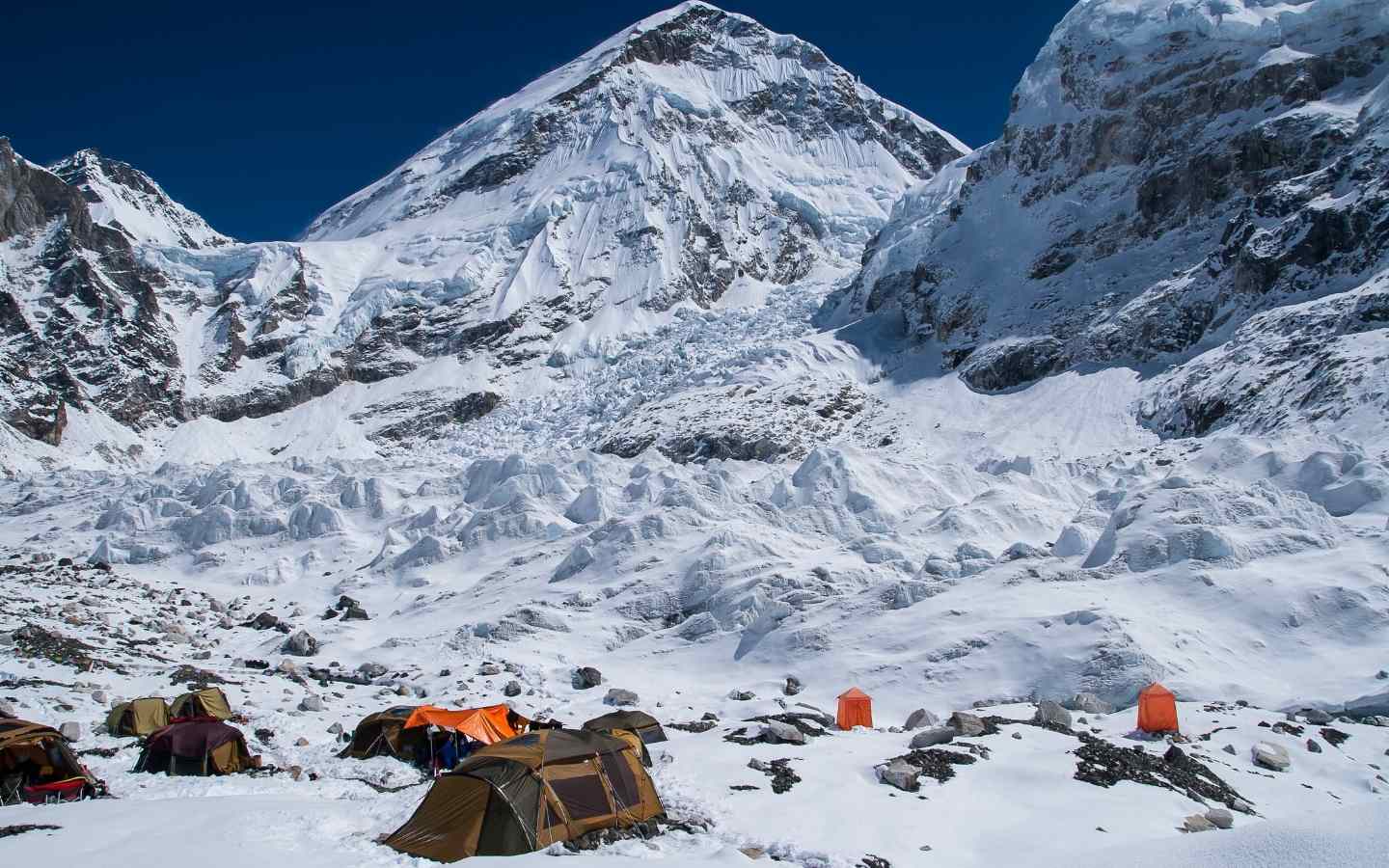
How Cold Is The Top Of Everest

Ever wondered what it feels like to stand on top of the world? Most of us will never experience it firsthand, but that doesn't stop us from being utterly fascinated by the ultimate adventure playground: Mount Everest. From its dizzying heights to the sheer audacity of those who attempt to conquer it, Everest captures our imagination. And one of the most common, and frankly, coolest questions people have is: just how cold is it up there? It’s a simple question, but the answer is anything but! Thinking about the extreme conditions on Everest isn't just about satisfying curiosity; it helps us appreciate the incredible human spirit and the immense power of nature. Plus, knowing the terrifying temperatures can make our own chilly mornings feel like a tropical vacation!
The Chilling Truth: Temperatures on Everest's Summit
Let's cut to the chase. The summit of Mount Everest, a staggering 8,848.86 meters (or 29,031.7 feet) above sea level, is not a place for the faint of heart – or for anyone without serious gear. The air up there is incredibly thin, meaning it holds very little heat. This, combined with the harsh realities of extreme altitude, creates a chilling environment that is consistently brutal.
During the popular climbing seasons, typically in May, the temperatures at the summit can range from a "balmy" -19°C (-2°F) during the day to a bone-chattering -36°C (-33°F) at night. But don't let the daytime temperature fool you; that's often with the sun beating down. Once the sun dips below the horizon, or if clouds roll in, the mercury plummets even further. And this is just the average. On particularly cold days, or during the shoulder seasons, temperatures can easily plummet to -60°C (-76°F) or even lower, especially when you factor in the wind.
Must Read
This is where the concept of wind chill becomes terrifyingly important. Even if the thermometer reads -20°C, a strong wind can make it feel like -50°C or worse. Imagine that – your skin can freeze in mere minutes at those temperatures.
So, when we talk about "cold" on Everest, we're not just talking about needing a good jacket. We're talking about temperatures that can cause frostbite within minutes, hypothermia that can be fatal if not treated, and an environment where every single movement requires immense effort and careful consideration.
Why Does It Get So Cold? The Science Behind the Chill
There are a few key reasons why the summit of Everest is such an icebox. Firstly, it’s all about altitude. As you go higher, the atmospheric pressure decreases, and the air becomes less dense. Less dense air means fewer molecules to absorb and retain heat from the sun. Think of it like this: a thick blanket keeps you warm because it traps air. At high altitudes, there’s no thick blanket of air to keep things cozy.
Secondly, the sun's rays do reach Everest, but the thin atmosphere filters out a lot of the heat-generating radiation. So, while you might feel the sun's intensity, it doesn't translate into warmth in the same way it does at sea level.

Finally, Everest is subject to the whims of global weather patterns. High-altitude winds, often referred to as the jet stream, can blast over the summit, relentlessly stripping away any warmth. These winds are incredibly powerful and can exceed 150 mph (240 km/h), turning an already frigid environment into an almost unbearable one. These conditions are why mountaineers rely on specialized, multi-layered clothing systems designed to insulate them against these extreme elements.
Beyond the Numbers: The Real Impact of the Cold
The numbers are stark, but they don’t fully convey the sheer physical and mental toll the cold takes on climbers. Every breath is an effort, as the frigid air can burn your lungs. Your fingers and toes go numb, making it difficult to manipulate gear, even with thick gloves. Simple tasks, like drinking water, can become a challenge as it might freeze in your bottle.
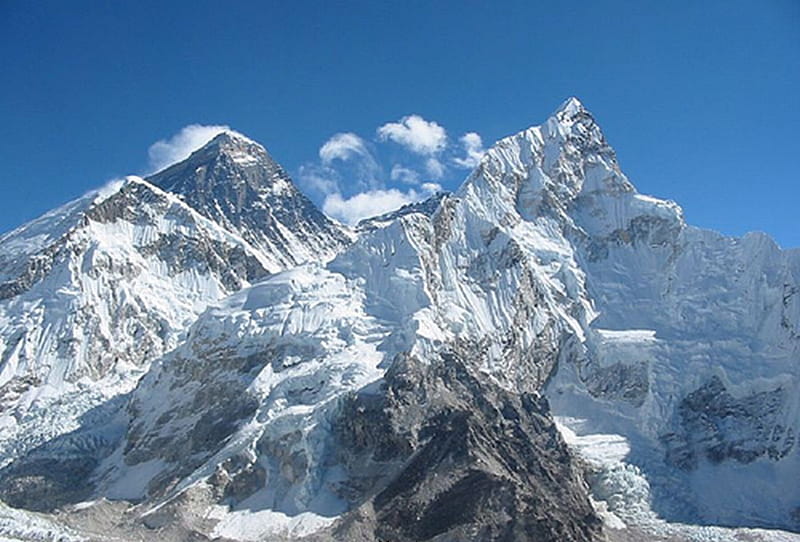
The cold is a constant adversary, a relentless force that climbers must battle every second they are above the "Death Zone" – the altitude above 8,000 meters where the human body can no longer acclimatize and starts to deteriorate rapidly. It's here, in this frigid, oxygen-deprived realm, that the true test of endurance and resilience takes place. The cold is not just a weather phenomenon; it's an integral part of the Everest challenge, a stark reminder of humanity's vulnerability in the face of nature's most formidable extremes.
So, the next time you're feeling a bit chilly, spare a thought for the brave souls on the summit of Mount Everest. They're not just enduring a cold snap; they're facing temperatures that could kill in minutes, armed with nothing but their determination, their skills, and the very best gear money can buy. It’s a testament to the extraordinary things humans can achieve when they push the boundaries of possibility, even in the most unforgiving environments on Earth.