
How Can You Tell If Real Silver
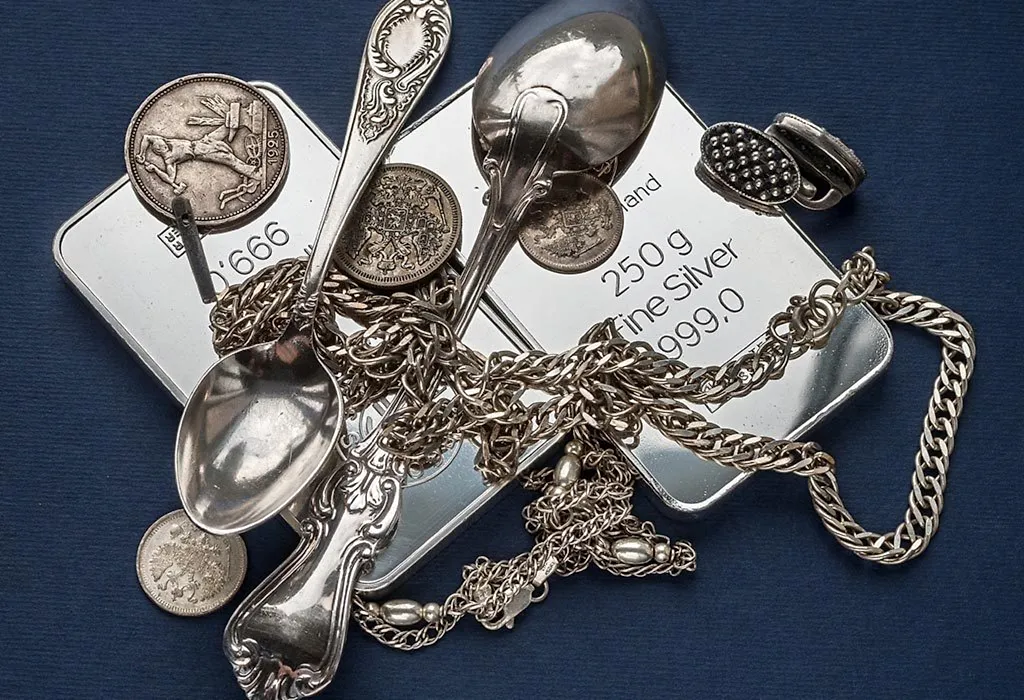
You know that feeling, right? You spot something shiny, something with a lovely heft to it, and your heart does a little skip. Maybe it's a vintage locket from your grandma's jewelry box, a quirky silver spoon at a flea market, or perhaps a set of elegant candlesticks you’re eyeing online. The allure of silver is undeniable, with its cool glow and timeless appeal. But in a world where beautiful things can sometimes be a little… well, not what they seem, how do you know if that gleam is the real deal?
Don't worry, you don't need a secret handshake with a silversmith or a degree in metallurgy to figure it out. Think of it like a treasure hunt, but instead of buried chests, you're looking for that unmistakable sparkle of genuine silver.
The Sneaky Mark of Authenticity
The easiest way to start is by playing detective with your own eyes. Most real silver items, especially jewelry and tableware, will have a tiny little secret tucked away on them: a hallmark. These little stamps are like a silver item's birth certificate, telling the world who made it and, importantly, what it's made of.
Must Read
You might need a magnifying glass for this part – it’s like finding hidden messages! Look for numbers like 925, which is the most common stamp for sterling silver. This means the item is 92.5% pure silver, with the rest usually being a bit of copper to make it strong enough to wear or use. You might also see "STERLING" or "STG" stamped nearby.
For older or more specialized pieces, you might encounter other marks. Don't let them scare you! A little research online, often just a quick search for "silver hallmarks [country name]," can unlock their stories. It’s like discovering the provenance of a fine piece of art, but for your everyday treasures.
What if There's No Mark?
Ah, the mystery! Sometimes, older items, especially handmade ones or things made in countries without strict marking laws, might not have a hallmark. This doesn't automatically mean it's fake, but it does mean we need to bring out our other detective tools. It’s like a challenge has been issued, and you're ready to answer!
One of the most surprising and rather amusing tests involves the humble magnet. Silver itself is not magnetic. So, if you have a strong magnet (the kind that might stick to your fridge with gusto), give your suspected silver item a gentle nudge. If it’s strongly attracted to the magnet, it's probably not real silver, or at least not sterling silver. It might be plated with a tiny bit of silver over a magnetic base metal.

However, be aware of tiny little loopholes! Some clasps or hinges on silver items might contain a tiny bit of steel to make them work, and these parts could be magnetic. So, always test the main body of the item. It’s like a little test of honesty from the metal itself!
The Cool, Calm, and Collected Test
Silver has a unique way of feeling cool to the touch, even in a warm room. This is because it's an excellent conductor of heat. When you hold a real silver item, it quickly draws the heat away from your hand, giving you that signature cool sensation. It’s a surprisingly sensory experience, and once you notice it, you’ll start recognizing it everywhere.
Think of it as silver’s polite way of saying, "Hello, I'm here, and I'm the real deal." If an item feels warm or room temperature immediately, it might be a less conductive metal like aluminum or even some types of plated materials that don't have the same thermal properties.
This test is especially fun when you’re at a flea market or antique shop. You can subtly touch a few different pieces and feel the difference. It’s a private little victory when you can identify a genuine silver treasure just by its cool embrace.
The Ice Cube Challenge (for tableware!)
This one is a bit more dramatic and utterly delightful to perform! It's a wonderful party trick if you have guests over and are showcasing your silver collection. Take an ice cube and place it on a genuine silver item, like a silver tray or a silver bowl. Watch what happens!

Because silver is such a fantastic conductor of heat, it will draw the heat from the surrounding air and the ice cube itself. This means the ice cube will melt significantly faster on real silver than it would on most other metals or materials. It’s a visual spectacle of silver’s superior thermal conductivity. You can almost hear the ice cube saying, "Wow, this is fast!"
Compare it to the same ice cube placed on a ceramic plate or a stainless steel counter. The difference is often quite dramatic and very easy to see. It’s a fun way to appreciate the unique properties of silver.
The Sound of Authenticity
This might sound a little whimsical, but real silver can have a distinct sound. For example, if you gently tap a silver coin or a silver spoon against a hard surface, it might produce a clear, bell-like tone. This is sometimes referred to as the "ping" or "ring" of silver. It's a subtle, almost musical quality that differentiates it from duller-sounding metals.
Of course, the thickness and shape of the item will affect the sound. A delicate silver chain won't "ping" like a silver ingot. But with practice, you can start to discern that lovely resonance. It’s like listening to the soul of the metal.
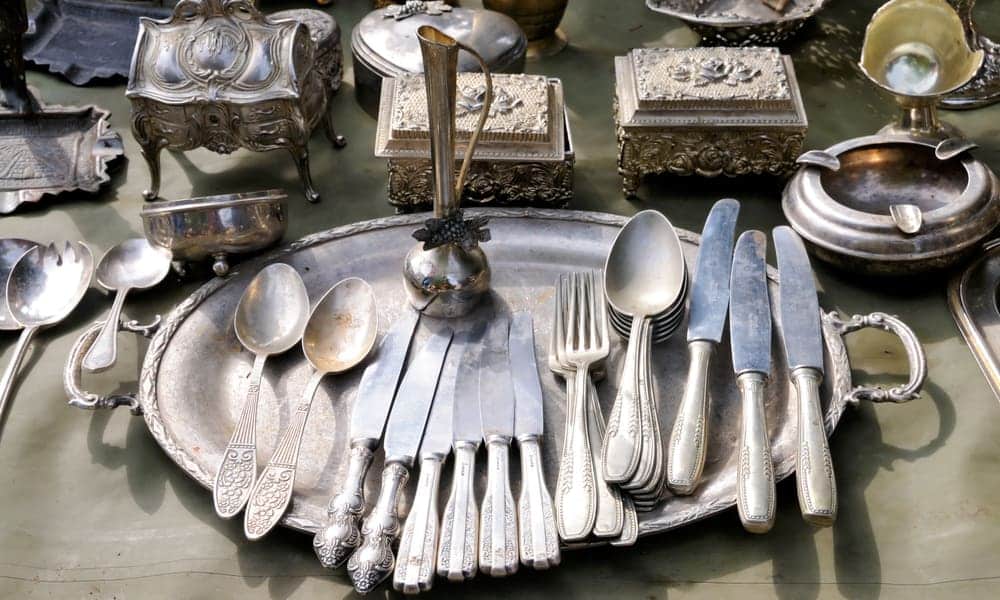
This sound test is particularly interesting when looking at vintage silverware. A good set of antique silver spoons might offer a delightful symphony when they clink together. It adds another layer of charm and history to the pieces.
The Bite Test (Use with Caution!)
Now, this is where things get a tiny bit controversial and definitely not recommended for your precious heirlooms! In the old days, people would sometimes do a gentle "bite test" on coins to check for authenticity. The idea was that pure silver is relatively soft and would show a slight indentation if bitten.
However, sterling silver is an alloy (meaning it's mixed with another metal for durability), so it's harder than pure silver. And you definitely don't want to damage your lovely items! This is a method best left to the history books or perhaps a very well-worn, insignificant piece if you're truly curious.
Instead of risking your smile or your silver, it's far safer and more effective to stick with the other, more gentle methods. We're here to admire and enjoy our silver, not to give it dental work!
The Age-Old Charm of Tarnishing
Real silver has a natural tendency to tarnish over time when exposed to air and certain chemicals. This tarnish is a chemical reaction, usually with sulfur in the air, creating a dull, dark layer on the surface. While many people dislike tarnish and try to polish it away, it can actually be a good sign!
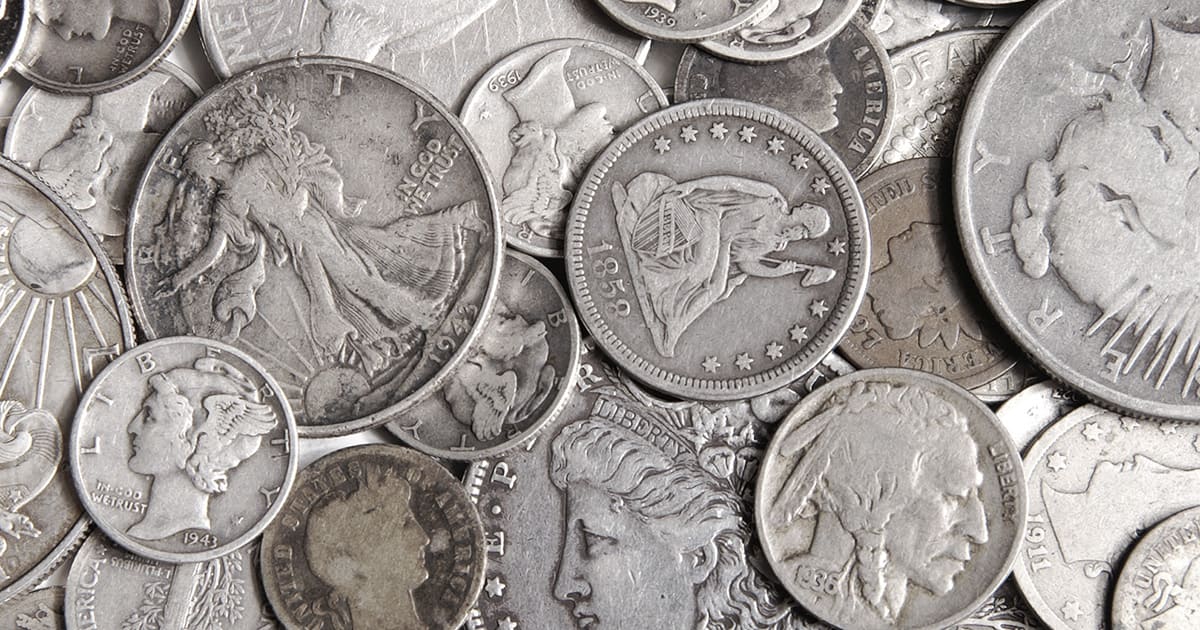
If an item never tarnishes, no matter how old it is or how it's stored, it might be made of a metal that resists tarnishing, like stainless steel, or it might be heavily plated. A genuine silver item will likely show some signs of oxidation over time, especially if it's been handled and exposed to the elements.
Of course, some people polish their silver regularly, so the absence of tarnish isn't a definitive "fake" sign. But if you find an old piece that looks suspiciously pristine after decades, it’s worth investigating further with the other tests. It’s like silver’s way of showing its age, a mark of experience.
When in Doubt, Ask an Expert!
Ultimately, if you're unsure or dealing with a particularly valuable or sentimental piece, there's no shame in seeking out a professional. Jewelers, appraisers, and reputable antique dealers have tools and experience that go beyond these simple home tests.
They might use an XRF (X-ray fluorescence) scanner, which is a high-tech way to analyze the elemental composition of metals without damaging the item. It’s like giving your silver a full medical check-up. They can tell you not only if it's real silver but also its exact purity and if it has any other interesting metals mixed in.
These experts can also date your pieces and tell you fascinating stories about their history and craftsmanship. It’s a heartwarming way to connect with the past and ensure the authenticity of your cherished possessions. Happy treasure hunting!
:max_bytes(150000):strip_icc()/GettyImages-170169567-f5b1debb75ef4a869613f1ff8e36253e.jpg)
