How Can I Make My Car Faster

So, you’ve been cruising along, enjoying the breeze, maybe humming along to your favorite playlist, and then it hits you. That nagging little thought, that whisper of possibility: “My car… it could be a little faster.” We’ve all been there. It’s not necessarily about street racing or breaking land speed records (though, hey, no judgment here if that’s your jam). It’s more about unlocking that extra oomph, that feeling of responsiveness, that little jolt of exhilaration when you merge onto the highway or tackle that winding road.
Think of it like upgrading your morning coffee. You’re happy with your regular brew, but a perfectly timed, expertly pulled shot? Suddenly, your day has a little more pep. Making your car faster isn't about turning it into a purely functional, loud, and aggressive machine. It's about refining its character, bringing out its hidden potential, and adding a touch of performance flair to your everyday drive. It’s a journey, and thankfully, it doesn’t have to involve a wrench in one hand and a bewildered look on your face.
Let’s be honest, the word “faster” can conjure images of supercharged engines and spoiler-laden beasts. But in the world of accessible automotive enhancements, speed is a spectrum. We’re talking about noticeable improvements, not necessarily setting lap records at Le Mans. And the best part? You don’t need to be a certified mechanic to achieve some seriously cool gains. This is about smart upgrades, about understanding what makes your car tick, and about making it sing a slightly more powerful tune. Ready to inject a bit more adrenaline into your commute? Let's dive in.
Must Read
The Low-Hanging Fruit: Easy Wins for a Nimbler Ride
Before we get into anything remotely complicated, let’s talk about the absolute easiest things you can do. These are the "duh" moments of car performance, the things you might already be neglecting. Think of them as the foundational stretches before a serious workout.
Tire Pressure: It’s Not Just About Ride Comfort
This is so simple, it’s almost embarrassing. Overinflated or underinflated tires don't just affect your ride quality and fuel economy; they can actually hinder your car’s ability to accelerate efficiently. Your engine has to work harder to push tires that aren't optimally inflated. Consult your driver's side doorjamb or owner's manual for the recommended PSI. It’s a quick check that can yield surprisingly satisfying results. It’s like making sure your running shoes are perfectly tied before a race – it matters!
Air Filter: Let Your Engine Breathe Easier
Your car’s engine needs air to combust fuel. A dirty, clogged air filter is like trying to breathe through a congested nose. It restricts airflow, and a restricted engine is a slower engine. Replacing your engine air filter is one of the most common and cost-effective DIY maintenance tasks. You can usually spot a dirty filter by holding it up to the light – if you can’t see through it, it’s time for a change. A clean filter allows more air in, which can lead to a slightly crisper throttle response and a hint of extra power. It’s a small change with a big impact on your engine’s breathing.
Weight Reduction: Less is More
This is the purest form of performance enhancement. Every extra pound your car has to move requires more energy. Think about it: would you rather sprint carrying a backpack full of rocks or just your essentials? Remove unnecessary junk from your trunk and cabin. Those old sports equipment, forgotten groceries, or that collection of CDs you haven't listened to since the early 2000s? They’re all contributing to a less dynamic ride. Even shedding 50-100 pounds can make a noticeable difference in acceleration and handling. It's the ultimate "free" upgrade.

Spark Plugs and Wires: The Unsung Heroes of Combustion
Spark plugs are the ignition point for your engine’s power. Worn-out spark plugs can lead to misfires, reduced fuel efficiency, and a general lack of pep. If your car is starting to feel sluggish, especially on acceleration, consider replacing your spark plugs. This is a slightly more involved DIY task, but many modern cars make it relatively accessible. New spark plugs ensure a strong, consistent spark, leading to more efficient combustion and a more responsive engine. It’s like giving your engine a fresh set of batteries – suddenly, everything works better.
Stepping It Up: Moderate Modifications for a More Potent Package
Once you've got the basics dialed in, you might be ready to explore some modifications that offer more significant gains. These are still generally accessible for the enthusiastic DIYer or can be done by a reputable performance shop without breaking the bank.
Cold Air Intake Systems: Giving Your Engine a Cool Drink
You’ve heard of "cold air intakes," right? They’re a popular upgrade for a reason. The concept is simple: colder air is denser air. Denser air contains more oxygen, and more oxygen means more potential for a powerful combustion. A cold air intake system reroutes your car's air intake to draw in cooler air from outside the engine bay, often through a more efficient filter. This can result in a noticeable increase in horsepower and torque, along with a more satisfying engine growl. Think of it as giving your engine a refreshing gulp of crisp mountain air instead of hot, stale room air. The difference is palpable.
Performance Exhaust Systems: Letting It Roar (Responsibly!)
A performance exhaust system is more than just about sound – although, let’s be honest, a good exhaust note is a significant part of the fun. A well-designed performance exhaust allows spent gases to exit the engine more efficiently, reducing backpressure. Less backpressure means the engine can exhale more freely, which translates to improved power and responsiveness, particularly at higher RPMs. You’ll often hear a sportier, deeper tone, a subtle reminder of the power that’s now more readily available. Just remember to research local noise ordinances and choose a system that balances performance with responsible sound levels.

ECU Tuning (Chipping): The Brain of the Operation
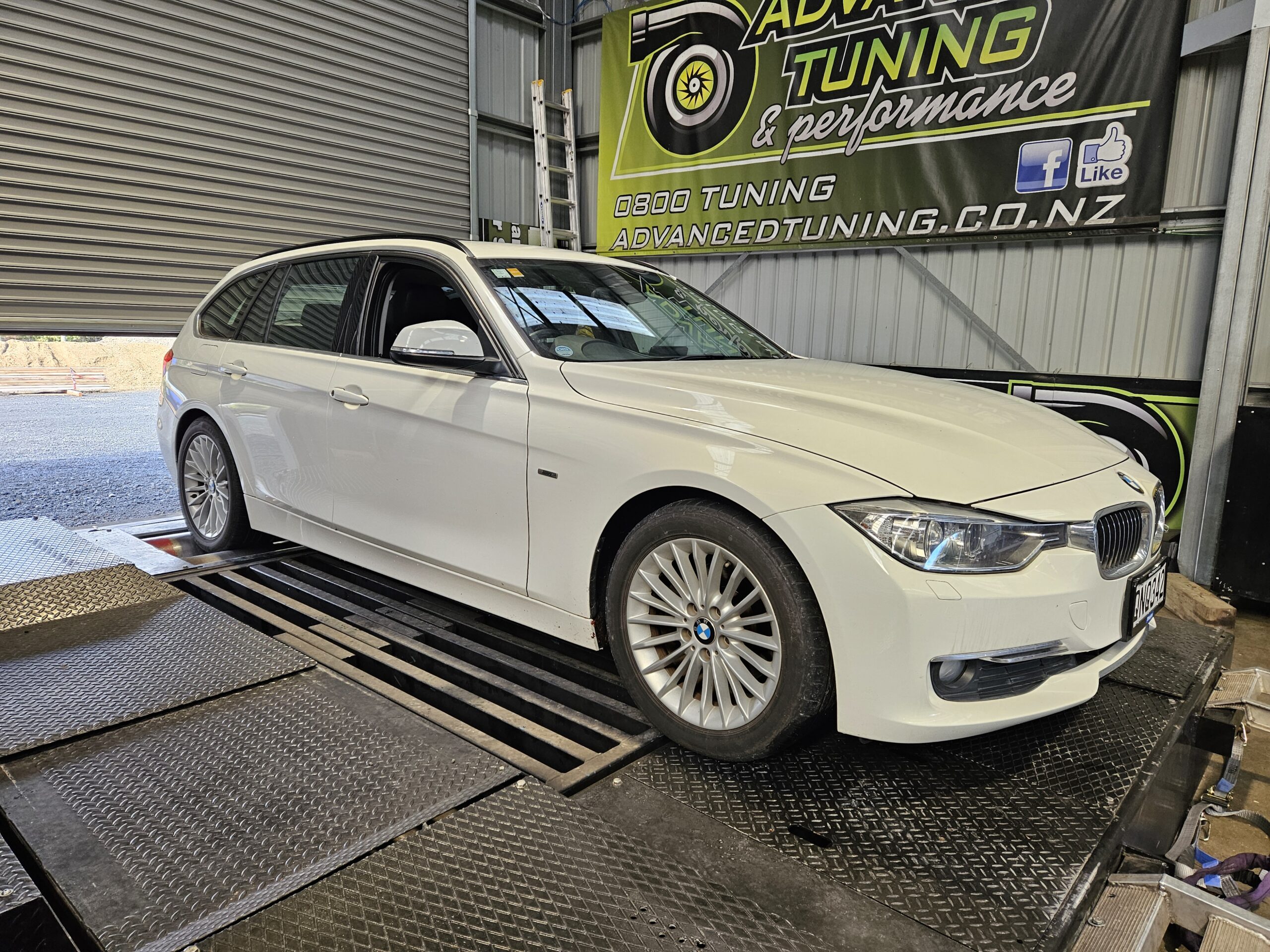
This is where things get a bit more technical, but the results can be dramatic. The Engine Control Unit (ECU), often called the "brain" of your car, manages everything from fuel injection to ignition timing. ECU tuning, or "chipping," involves reprogramming the ECU to optimize these parameters for performance. This can unlock significant horsepower and torque gains by fine-tuning the engine’s fuel maps and timing. You can go for a pre-programmed "chip" or, for the ultimate in customization, have your car "dyno-tuned" by a professional. This is like giving your car a personalized performance coach, optimizing its every move for maximum output. It’s a powerful way to squeeze more out of your existing hardware.
Short Shifter (Manual Transmissions): Faster Gear Changes
If you’re lucky enough to drive a car with a manual transmission, a short shifter is a game-changer. This modification reduces the throw between gears, meaning you can shift much faster and with less effort. This not only feels incredibly satisfying but also allows you to keep the engine in its power band more effectively during aggressive driving. Imagine those satisfying, quick shifts as you power through the gears – it’s pure mechanical bliss. It’s a subtle change that dramatically enhances the engagement and sportiness of a manual gearbox.
The Enthusiast's Playground: More Advanced (and Rewarding) Upgrades
For those who are truly bitten by the performance bug, these next steps offer even greater leaps in speed and responsiveness, but they also require more investment, expertise, and often, a good understanding of your car’s limitations.
Upgraded Turbocharger or Supercharger: Forced Induction Fun
This is where things get serious. Turbochargers and superchargers are forms of "forced induction," meaning they actively force more air into the engine than it could naturally draw. Turbochargers use exhaust gases to spin a turbine, while superchargers are belt-driven by the engine itself. Either way, the result is a significant increase in horsepower and torque. This is not a beginner’s modification, as it often requires supporting upgrades to the fuel system, cooling system, and ECU tuning to handle the increased power safely. It’s like giving your car a second, more powerful heart, capable of truly electrifying acceleration.

Performance Camshafts: Optimizing Valve Timing
Camshafts control the opening and closing of your engine’s valves. Performance camshafts have different lobe profiles that allow valves to open wider, for longer, or at different times compared to stock. This can significantly improve airflow into and out of the cylinders, leading to increased power, especially in the higher RPM range. This is a more involved internal engine modification that requires careful consideration of your intended use and often necessitates other supporting modifications. It’s like fine-tuning the rhythm of your engine’s breath for peak performance.
Fuel System Upgrades: Feeding the Beast
As you increase airflow and combustion efficiency, your engine will naturally demand more fuel. Upgrading your fuel injectors, fuel pump, and fuel pressure regulator ensures that your engine receives the proper amount of fuel to match the increased air supply. Running too lean (not enough fuel) can be catastrophic for an engine. These upgrades are crucial for supporting other performance modifications and ensuring reliability. It’s about making sure your engine has all the sustenance it needs to unleash its full potential.
Nitrous Oxide Injection (NOS): The Temporary Power Boost
Ah, nitrous oxide. The iconic "go-juice" from movies. A NOS system injects a burst of nitrous oxide into the intake manifold. Nitrous oxide itself doesn't add oxygen, but when it enters the combustion chamber, it decomposes and releases a significant amount of oxygen, allowing for a much larger amount of fuel to be burned. This results in a dramatic, albeit temporary, increase in horsepower. NOS systems require careful installation and controlled use, as they can put immense stress on an engine if not managed correctly. It’s a potent, instant gratification button, but one that requires respect and knowledge.
The Cultural Pulse: Speed and Style
The desire to make cars faster isn’t just about raw numbers; it’s deeply ingrained in automotive culture. From the early days of hot-rodding to the modern era of tuner cars and track days, speed has always been a driving force. Think of icons like Steve McQueen’s Mustang in Bullitt, the souped-up street racers in The Fast and the Furious franchise, or the legendary precision of F1 engineering. These cultural touchstones highlight our fascination with automotive prowess and the thrill of pushing limits.

Making your car faster can be a way to connect with this rich history. It’s about understanding the engineering, the artistry, and the passion that goes into creating a machine that’s not just a mode of transportation, but an extension of your own personality and a source of pure joy. It’s a hobby that can be as simple or as complex as you want it to be, fostering a community of like-minded enthusiasts who share a passion for all things automotive.
A Word to the Wise: Safety and Legality
Before you go full throttle on any of these modifications, remember a few key things. Safety first. Always ensure your brakes and suspension can handle any increase in power. A car that’s faster needs to be able to stop and handle just as effectively. Also, be aware of your local laws and regulations regarding vehicle modifications. Some modifications might be illegal for street use, and it’s always best to be informed. Responsible modification is key to enjoying your faster car without any unwanted attention from the authorities.
The Daily Drive, Reimagined
So, why do we chase that extra bit of speed? It’s not always about the destination; often, it’s about the journey. Imagine merging onto the highway with a newfound confidence, a smoother, more potent acceleration that makes the process effortless. Think about the responsive surge when you need to overtake a slower vehicle, or the satisfying feeling of the engine responding eagerly to your inputs on a scenic drive. These aren't just about going faster; they're about making your everyday commute more engaging, more enjoyable, and frankly, a little more fun.
It’s about reclaiming that connection with your vehicle, turning a mundane task into a micro-adventure. It’s about the subtle smile that creeps onto your face when you feel that extra bit of pull, that sense of mastery over your machine. In a world that often feels predictable, a little bit of extra speed can be a powerful reminder of the joy of movement, the thrill of control, and the simple pleasure of a car that feels alive. It’s a way to infuse a little more excitement into the ordinary, transforming your daily drive from a chore into a small, exhilarating escape.