How Big Is A Table Tennis Table
So, picture this: you're at a barbecue, maybe a little too much questionable potato salad has gone down. Suddenly, someone shouts, "Let's play ping pong!" And you, ever the competitive spirit (or perhaps just desperately trying to avoid washing dishes), find yourself staring down this… thing. This green rectangle of destiny. But how big is it, really? Is it big enough to hide behind? Small enough to balance on your head? Let's dive into the wonderfully, surprisingly, and sometimes hilariously specific world of table tennis table dimensions.
First off, let's get the official lowdown. When we talk about a "table tennis table," we're talking about the real deal, the kind that Olympic athletes (who are definitely not hiding behind it) sweat over. This isn't your grandma's repurposed dining table with a net loosely draped across it. No, no. This is a precision instrument of sport. And like all precision instruments, it has a manual. Thankfully, it's a pretty short one.
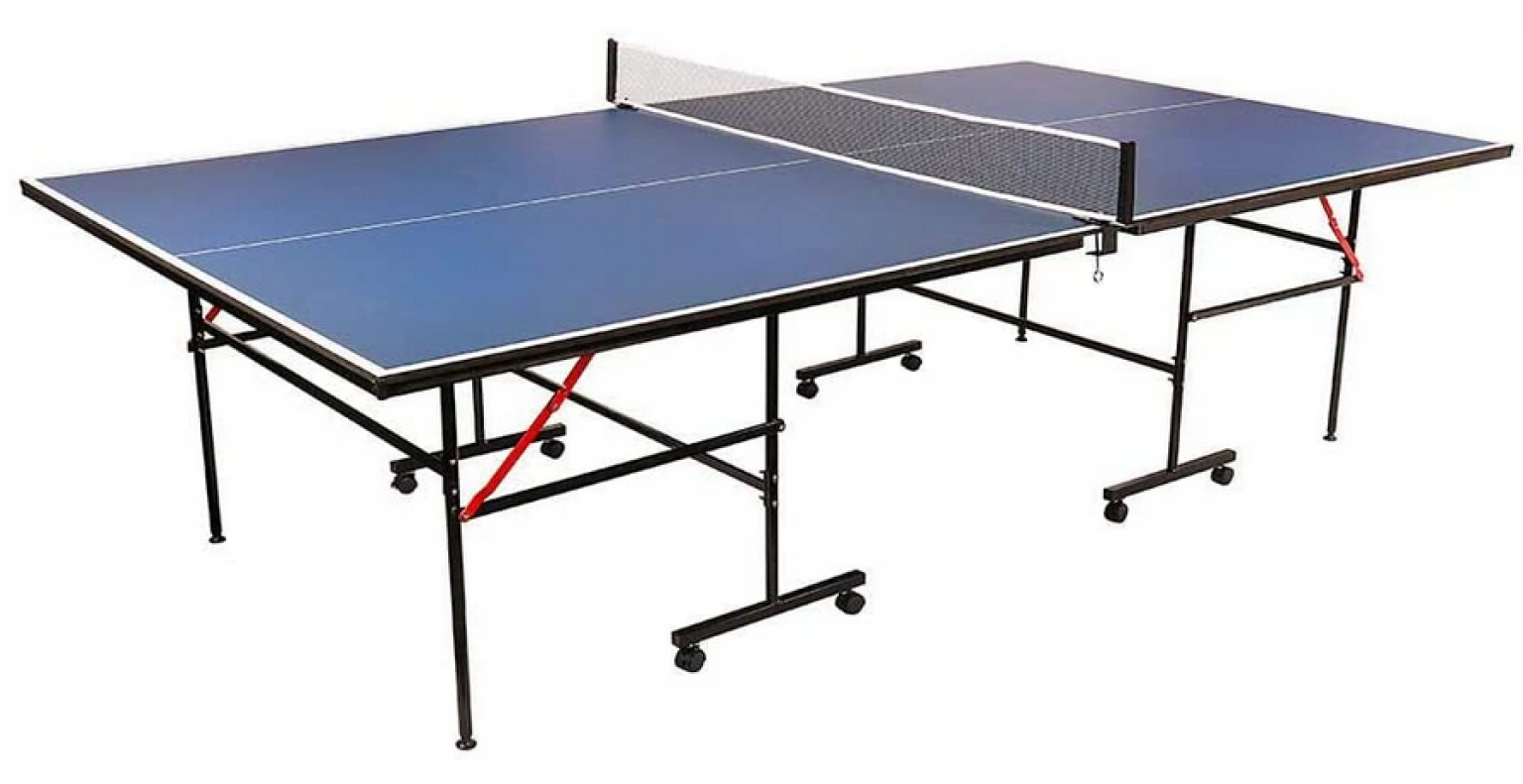
The standard competition table tennis table, according to the International Table Tennis Federation (ITTF) – which sounds like a secret society of ball-bouncing wizards, by the way – is exactly 2.74 meters long. Now, to us mere mortals, that might sound like a random number. But trust me, it’s a number that has caused more than a few accidental smashes into the wall. For those of you who think in feet and inches (and let's be honest, most of us do, especially when measuring the distance to the snack table), that’s roughly 9 feet long. Nine feet! That's longer than a decent-sized kayak. It's longer than most of my dating history. It's definitely longer than the time it takes for my pizza to arrive.
Must Read
And it's not just the length that's crucial. Oh no. We've also got the width. This grand arena of tiny balls is precisely 1.525 meters wide. Convert that to the more relatable imperial system, and you're looking at about 5 feet wide. So, if you’re trying to play a game of doubles and your partner is particularly enthusiastic with their serves (read: wild), there's a decent chance you'll both be performing a synchronized dance of awkward lunges to keep that little white sphere in play. Five feet isn't massive, but it's enough to feel like you're covering some serious ground, especially when the rally gets intense and you start making those frantic, sideways scuttles.
Now, let's talk about the most crucial dimension of all: the height. Because if this table were, say, waist-high, we'd all be hunched over like stressed-out gargoyles. The official height for a table tennis table is 76 centimeters, or about 30 inches. This is crucial. This is the sweet spot. It’s about the height of a standard dining table, which makes sense, right? It’s designed for human interaction, not for tripping over. Imagine trying to serve a killer spin at shin height. You’d be serving to your ankles, and nobody wants that kind of humiliation. This height allows for those satisfying overhead smashes and the delicate, low-skimming backhands. It’s the Goldilocks zone of ping pong perfection.
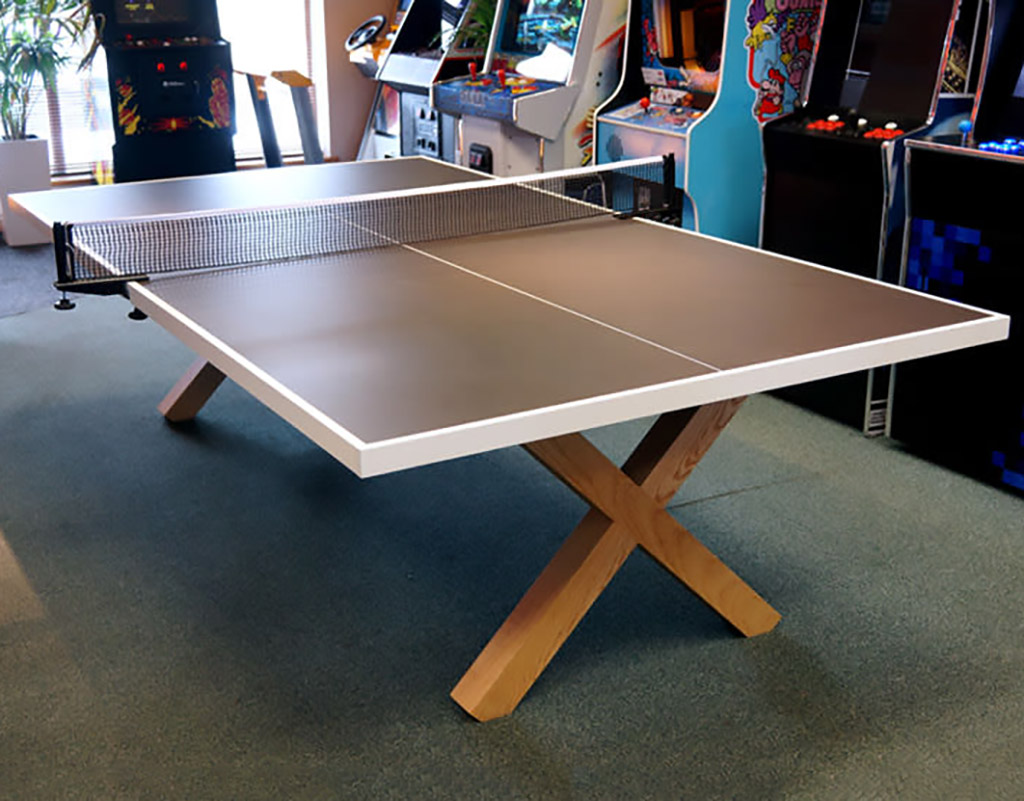
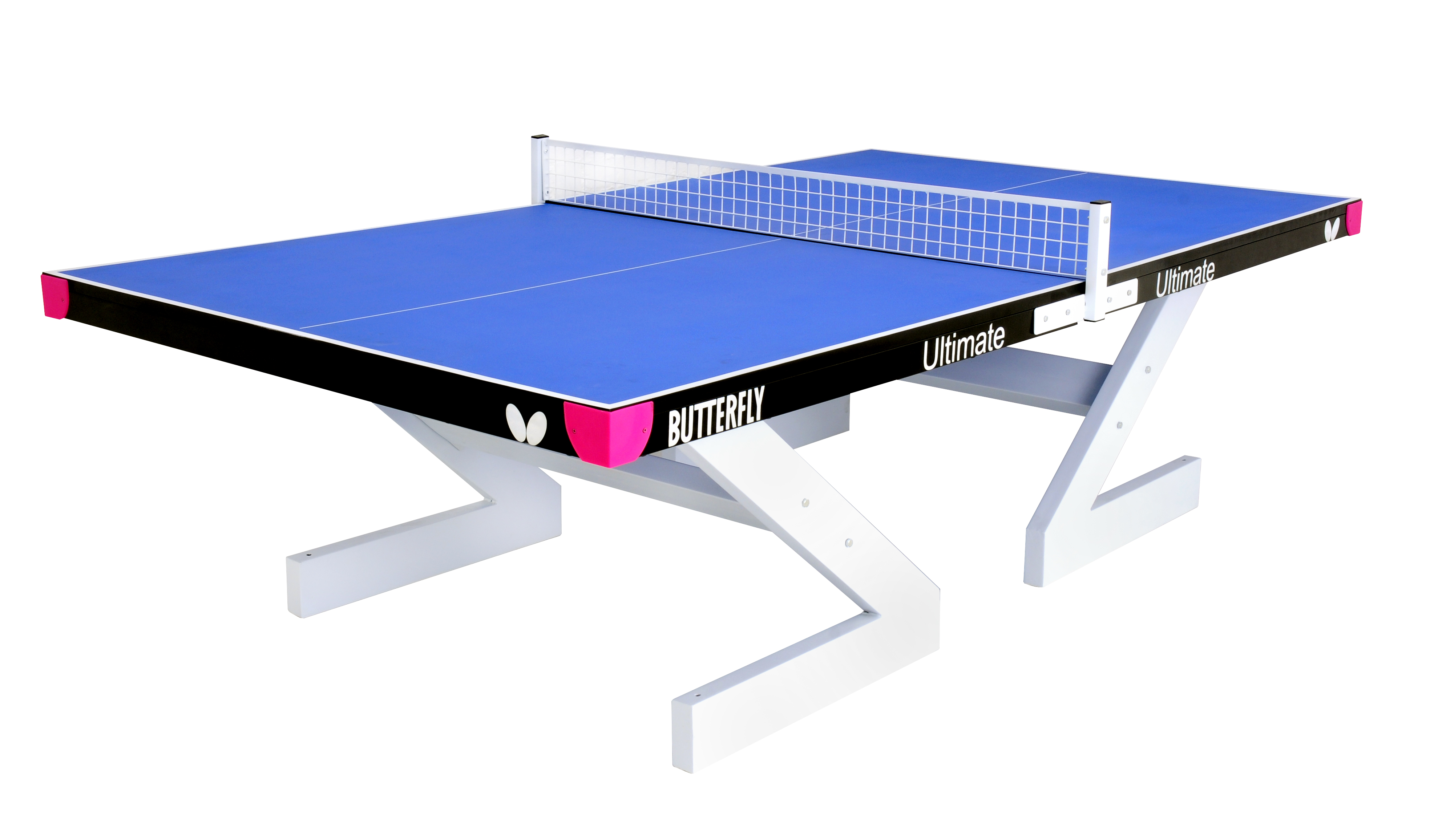
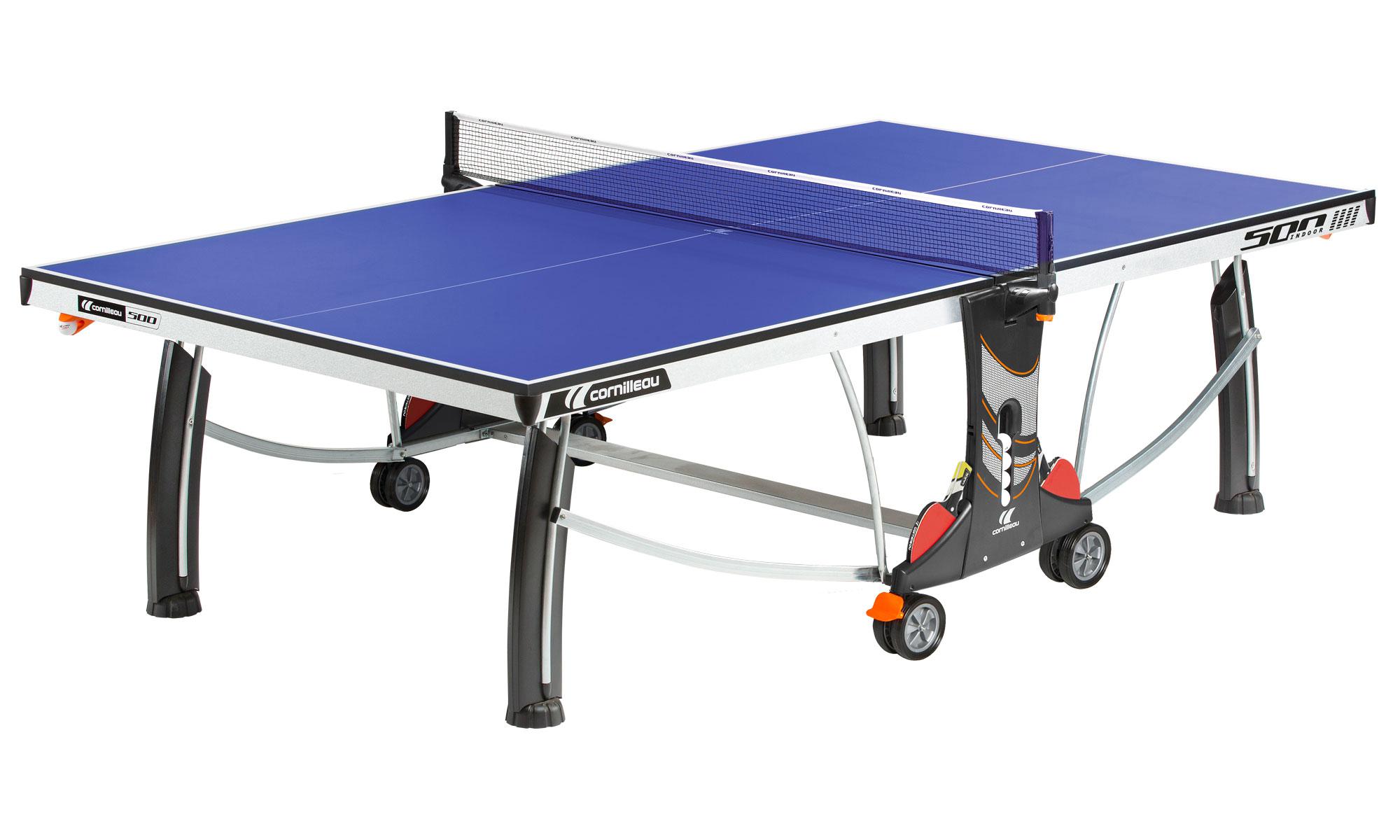
So, let’s recap the dimensions for the official, no-nonsense, world-class table tennis table: 9 feet long, 5 feet wide, and 30 inches high. Think of it as a miniature, rectangular racetrack for a very fast, very small object. Or a slightly elevated platform for extreme hand-eye coordination drills. Or, as I like to call it, the "arena of destiny" where friendships are forged and rivalries are born over a furiously bounced ball.
But here's where things get interesting. What about those tables you find in community centers, school gyms, or, dare I say, some slightly questionable basements? They often stick to the official dimensions. Why? Because it's the standard! It’s like trying to sell a car that’s a different shape than all the other cars. It just doesn’t work. So, even if the table looks a bit scuffed, the net is a tad saggy, and there’s a suspicious sticky patch in the middle (don't ask), the underlying dimensions are usually pretty darn close to the official ones. This is a testament to the power of standardization, people!

However, there's a sneaky caveat. Not all tables are created equal. For casual play, or for kids who are still mastering the concept of "hitting the ball" and "not hitting your sibling," you can get smaller tables. These are often called "tabletop" tables or "mini" tables. These can be anywhere from a foot to a couple of feet shorter in length, and a bit narrower. They're great for a bit of light-hearted fun, and they’re significantly less likely to send you crashing into the furniture. Think of them as the 'table tennis-lite' experience.
Now, for a fun fact that might blow your tiny ping pong-loving minds: the ball itself is about 40mm in diameter. So, the table is approximately 68.5 times longer than the ball! And about 34 times wider. That’s a lot of ball-to-table ratio. It’s like a giant’s golf course, but with more shouting and less questionable fashion choices from the players.

And here's another thing to consider: the playing surface. It's not just any old wood. It has to be a dull, matte finish, usually green or blue. Why? Because a shiny surface would reflect the lights, and we can't have our players squinting at the crucial moment, can we? Imagine a match-winning smash being missed because of a blinding glare. The ITTF would probably have a collective meltdown. So, the matte finish is all about keeping your eye on the prize, or rather, on the impossibly small, furiously zipping ball.
So, the next time you find yourself standing over a ping pong table, whether it's at a professional tournament or a slightly-too-enthusiastic family gathering, you can impress (or bore) everyone with your newfound knowledge. It’s a deceptively simple object, this table, but its dimensions are surprisingly precise and, dare I say, quite significant. It’s the silent, rectangular hero of countless hours of competitive fun. And while you can't really hide behind it, it certainly provides a fantastic stage for some truly epic rallies. Now, if you’ll excuse me, all this talk of tables has made me thirsty. Who’s up for a game?